Outcome of a referendum could lead to dissolution of parliament, which is not feasible within a presidential system: Jinah
24 މާރިޗު 2026 | އަންގާރަ 10:48Former Assistant Commissioner of Police Mohamed Jinah has stated that amending the constitution without broad national consultation is ill-advised. Expressing concern over the use of constitutional provisions as a political "switch," Jinnah emphasized that dissolving parliament is not a permissible action within a presidential system.


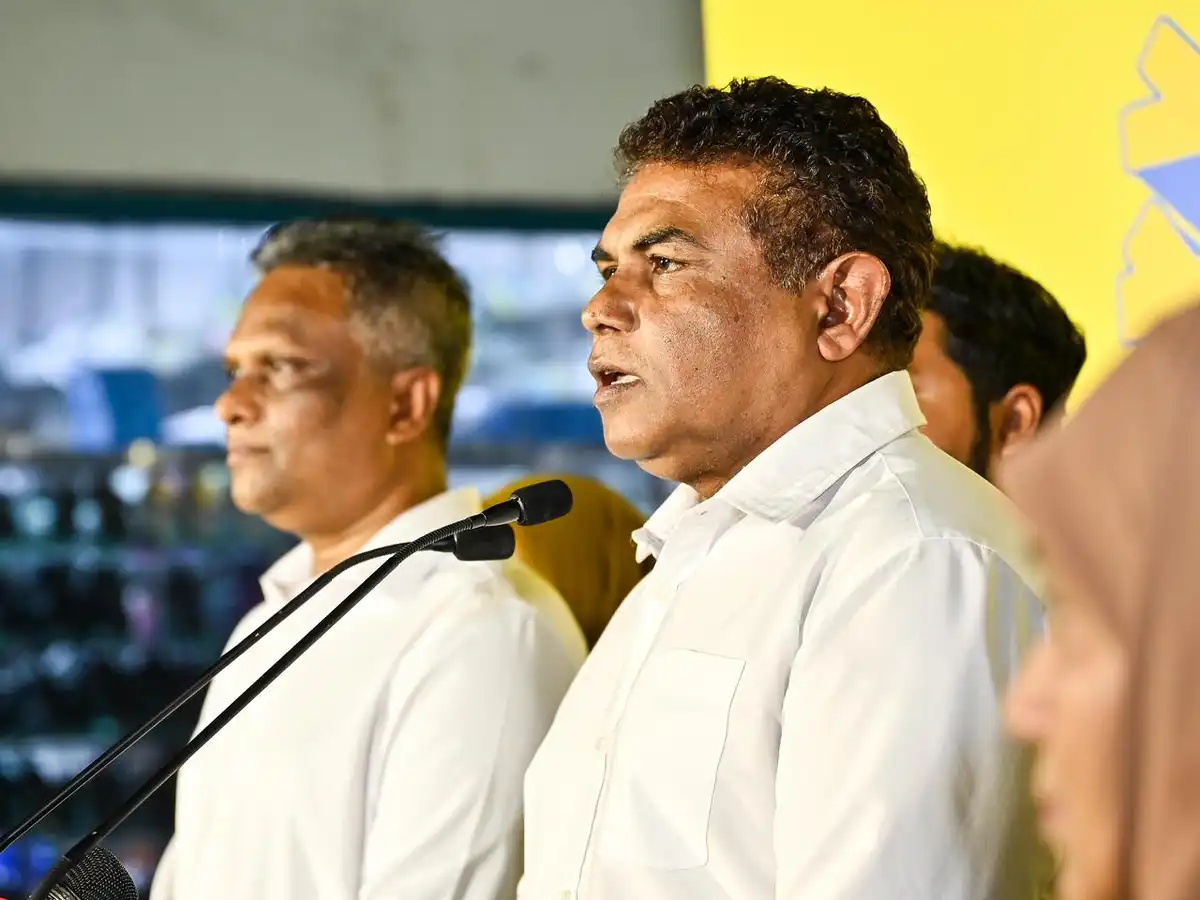
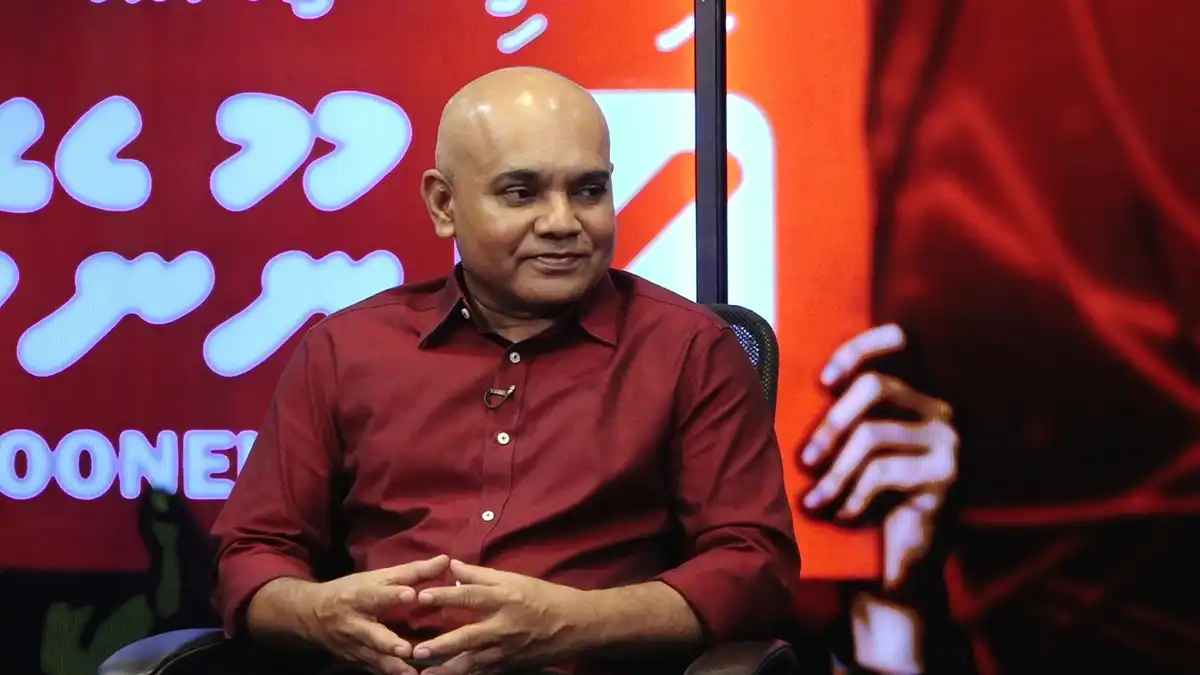
Former ACP Mohamed Jinah speaks during RaajjeTV’s "Noonekey" campaign program. | Screen Image | Screen image
Former Assistant Commissioner of Police Mohamed Jinah has stated that the outcome of a referendum could potentially lead to the dissolution of Parliament, noting that such an action is not permissible within a presidential system.
He made these remarks while participating remotely in RaajjeTV’s "Noonekey" campaign program. During the appearance, he stated that the referendum scheduled for April fails to meet the necessary legal procedural requirements.
Furthermore, he stated that the referendum scheduled for April is based on two separate legal drafts. He noted that he does not believe this is the appropriate way to conduct a referendum.
He further stated that making frequent amendments to the Constitution is not a sound practice. Noting that the term of the People’s Majlis is explicitly defined in the Constitution, Jinah emphasized that any significant constitutional changes should only be implemented following a national dialogue. His primary concern regarding the synchronization of the two elections is the potential for Article 79 (a) of the Constitution to be manipulated like a switch.
"Article 79 (a) is not a toggle switch to be turned on and off at will. The primary concern regarding this amendment is that it effectively leads to the dissolution of the People’s Majlis," he said.
Jinah stated that the dissolution of parliament is a concept foreign to a presidential system. He noted that while the Constitution provides mechanisms to extend the term of the People’s Majlis, it contains no provision for shortening it. He further explained that the power to dissolve parliament is a characteristic of a parliamentary system. He emphasized that this omission was not an oversight or a mistake, asserting that allowing any party to dissolve the legislature at will is fundamentally incompatible with a presidential system.