Ibrahim Ismail Opposes Merging Elections, Claims Move Lacks Transitional Context and Serves Immediate Political Interests
24 މާރިޗު 2026 | އަންގާރަ 20:39Ibrahim Ismail has stated that the proposed constitutional amendment to synchronize presidential and parliamentary elections offers no guarantee that the two votes will always coincide. He noted that the elections would inevitably diverge if a parliamentary term were extended, suggesting the move is driven by specific political motives. Warning that such a change could pave the way for authoritarianism, he urged the public to reject the amendment.

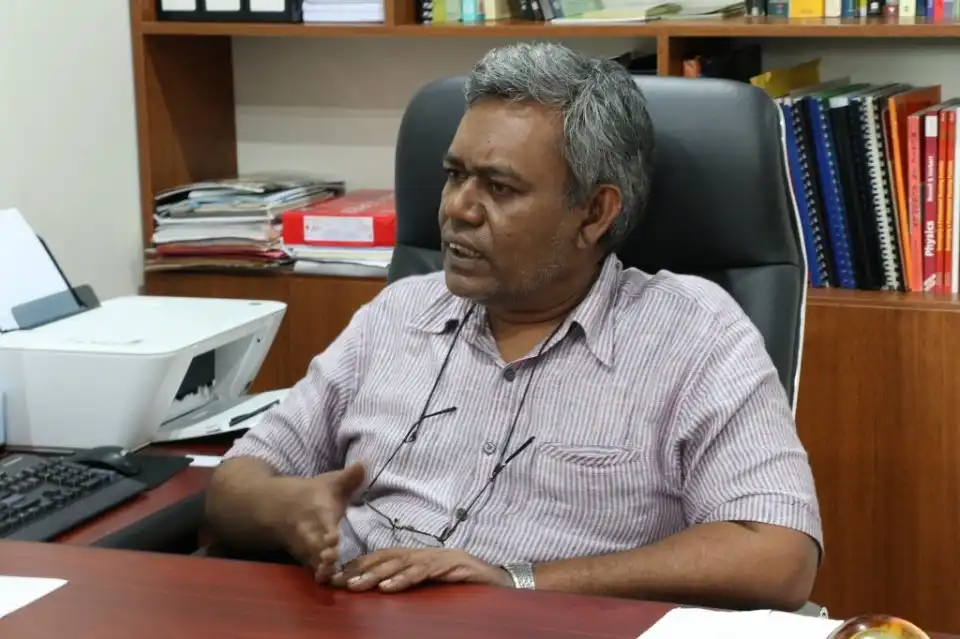
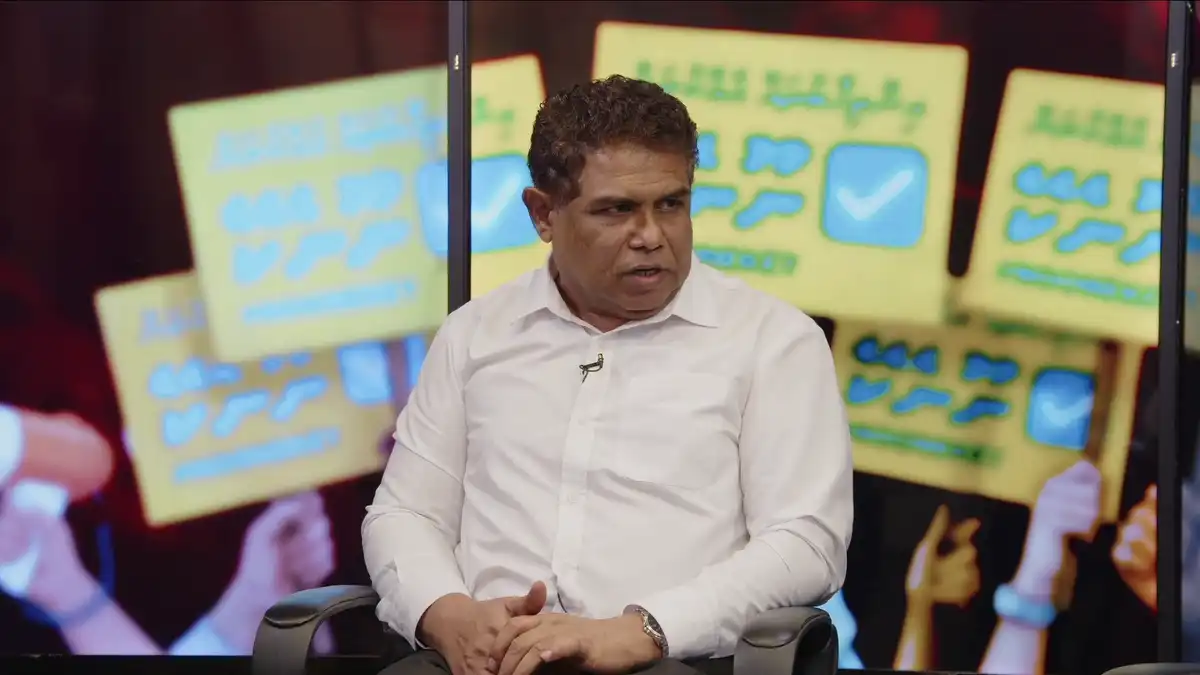
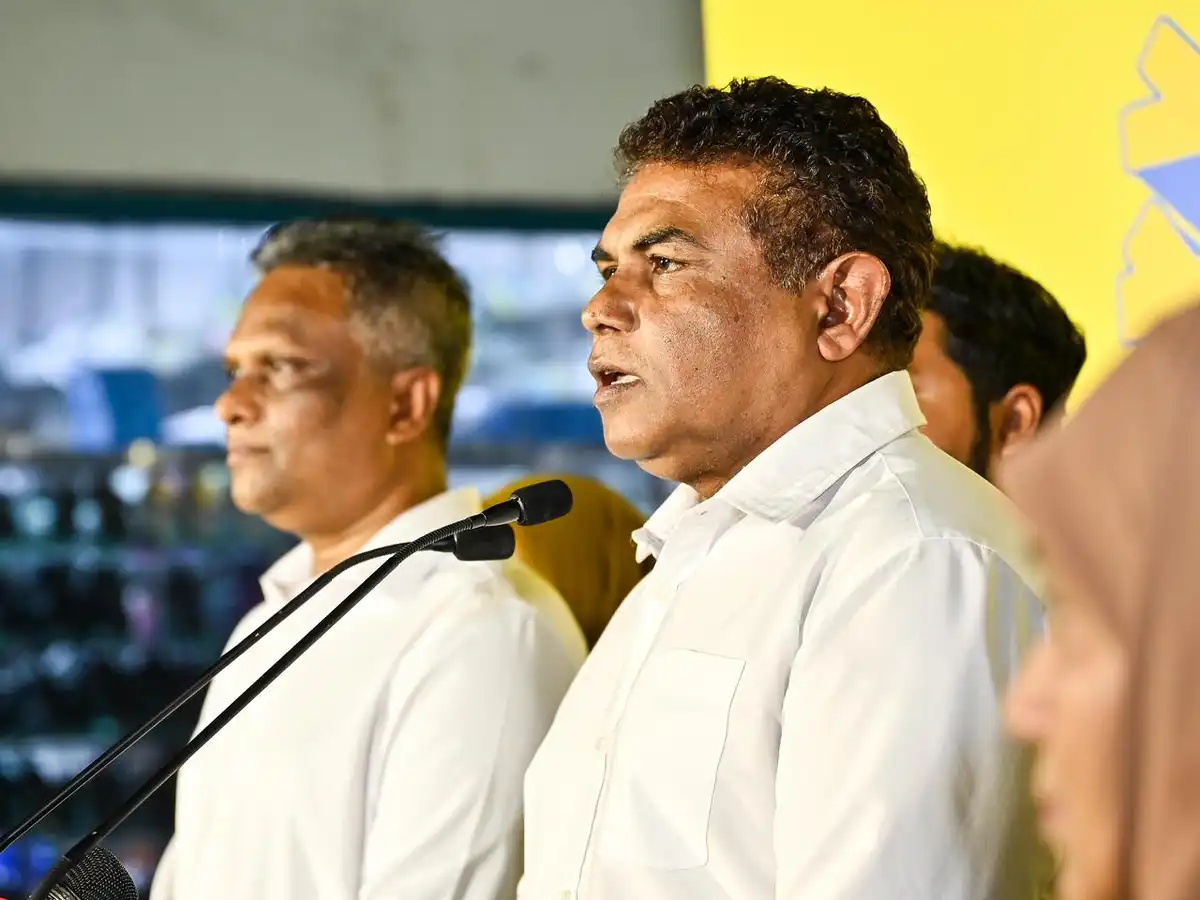
Ibrahim Ismail, Chairperson of the Drafting Committee of the Special Majlis. | Social Media | Social Media
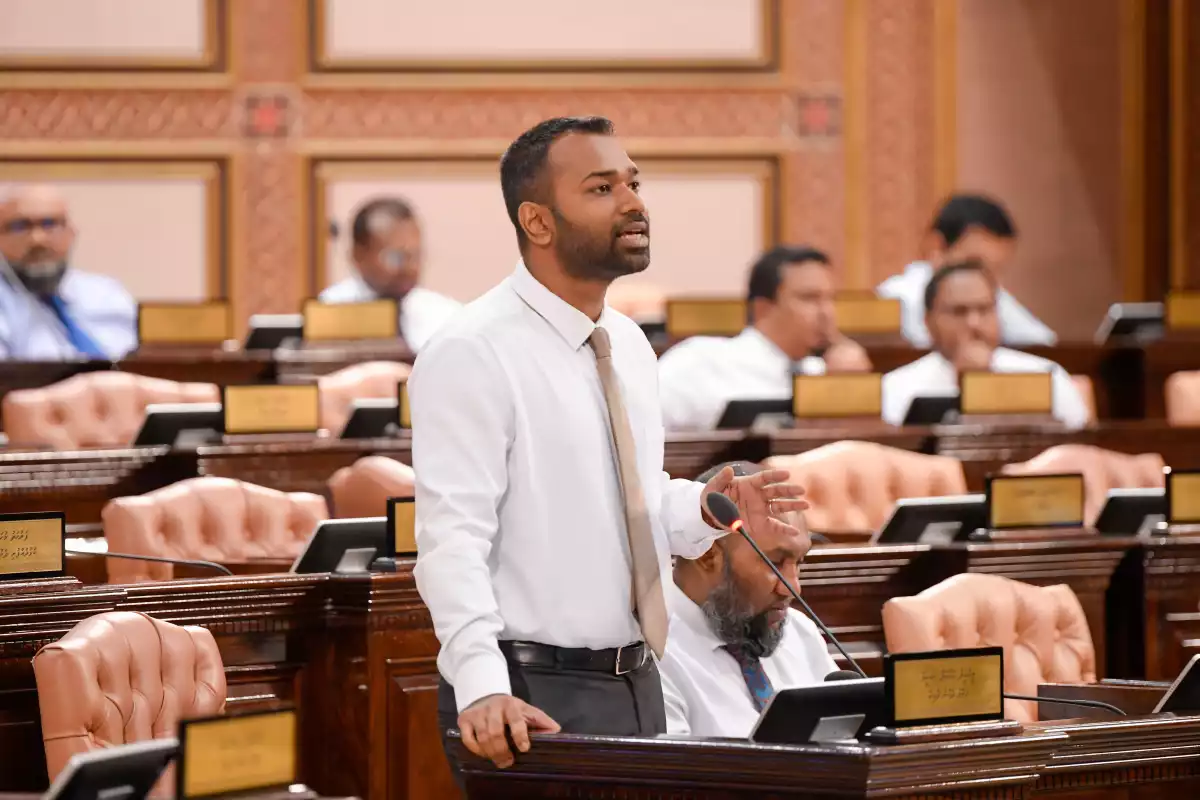
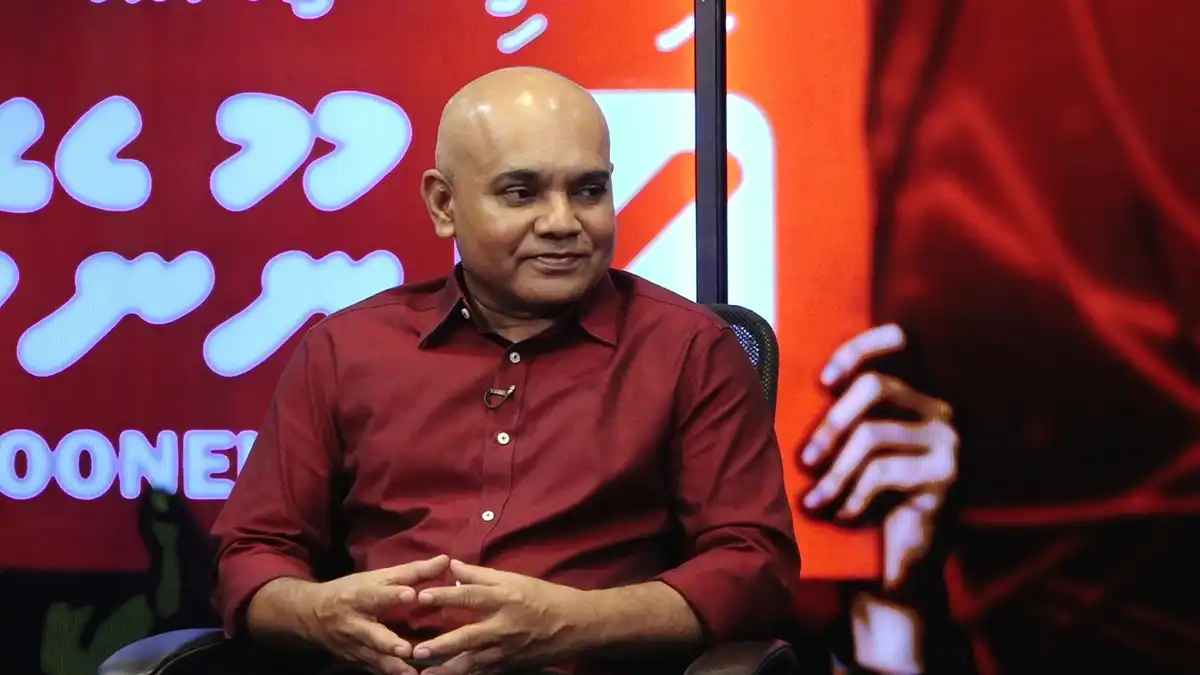
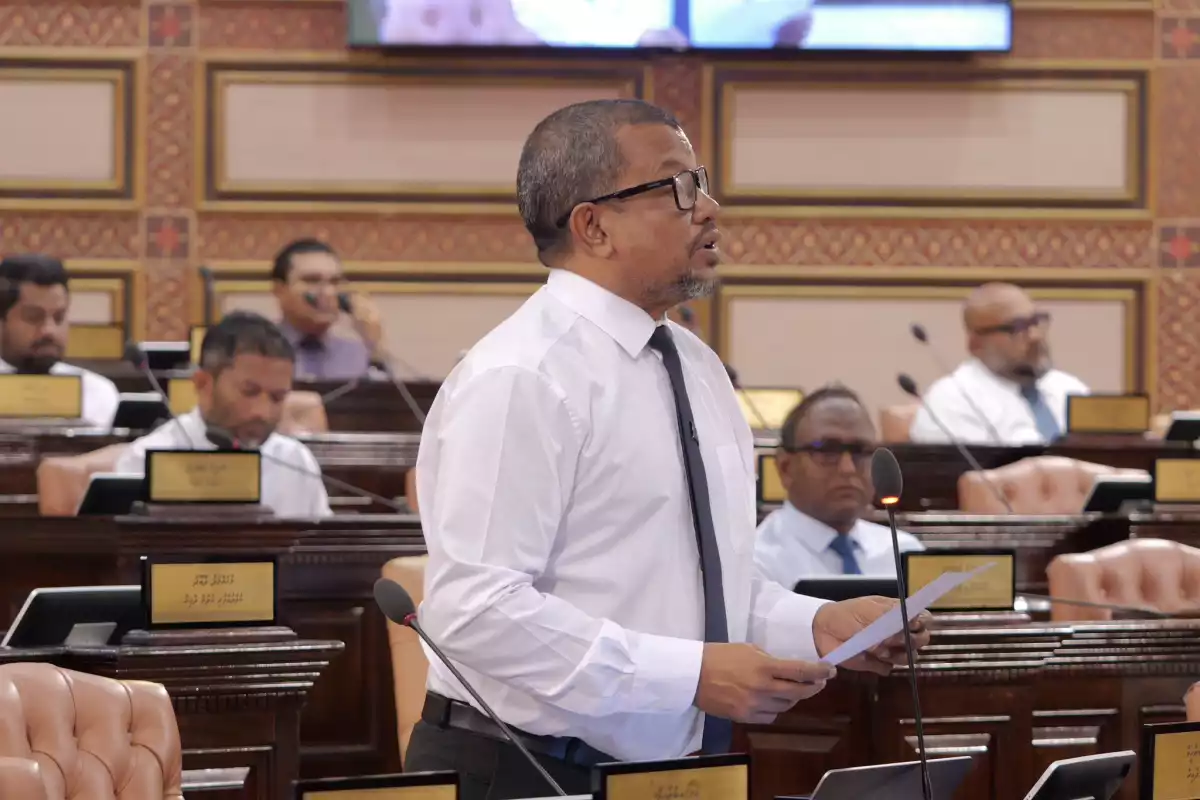
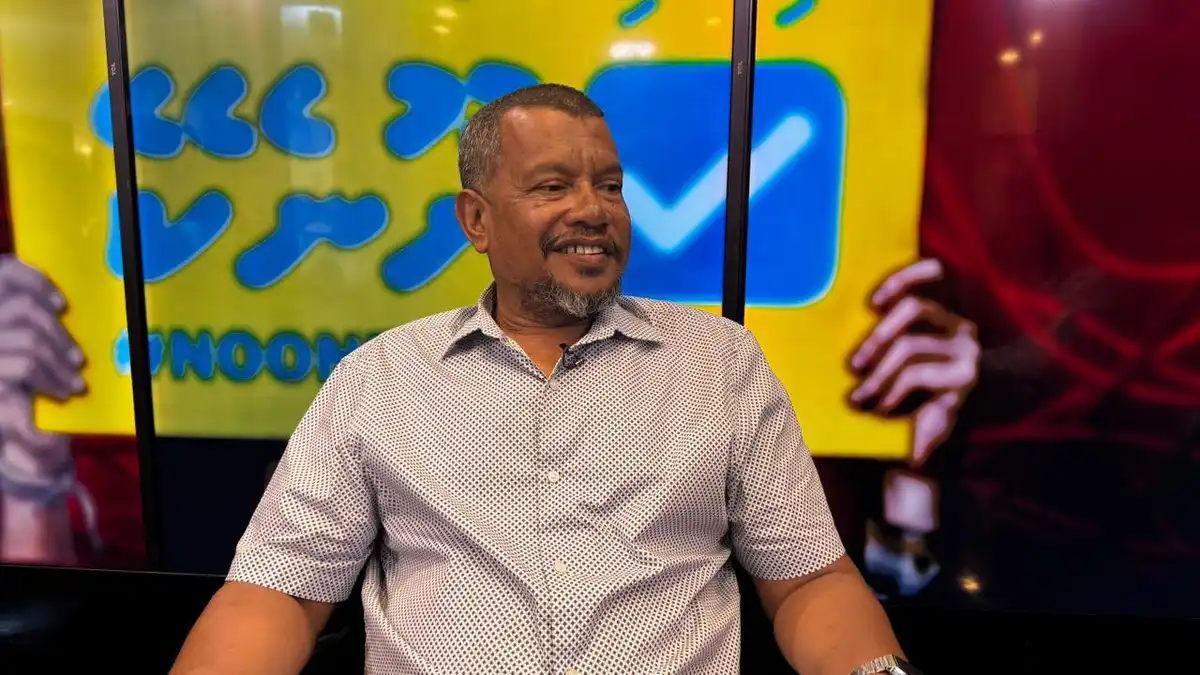
As the government prepares to amend the Constitution to hold parliamentary and presidential elections on the same day, Ibrahim Ismail, former President of the MDP and a member of the Special Majlis, has criticized the move. He stated that implementing such a transitional change without a proper transitional framework is merely an attempt to achieve specific political objectives at this time.
Ibrahim Ismail, who played a pivotal role in drafting the current "Green Constitution," stated in a Facebook post that the primary justification cited for this amendment is to synchronize presidential and parliamentary elections to be held on the same day.
Ibrahim stated that if this change is implemented, it would be impossible to ensure both elections are always held on the same day. This is because, while the parliamentary term is five years, the Constitution contains provisions that could allow it to extend to six years under certain circumstances.
Ibrahim explained that under such circumstances, even if the President and Members of Parliament were initially elected for five-year terms on the same day, extending the parliamentary term to six years would mean the presidential election must still occur after five years, while the parliamentary election would be delayed until the six-year mark. He further noted that, from that point forward, the two elections would consistently remain out of sync, occurring one year apart.
Ibrahim warned that significant complications will arise if the Constitution is frequently amended in a piecemeal fashion—whether due to a lack of understanding of its framework and objectives, negligence, or deliberate bad faith.
Ibrahim stated that the best approach is to maintain the current framework and ensure its implementation. He noted that the current actions are being taken to achieve specific political objectives, describing it as an attempt to force a transition where no transitional state exists. He further emphasized that the Constitution does not permit such actions.
Ibrahim stated that he decided not to vote for this amendment after careful and profound consideration. As the individual who presided over 282 out of the 283 meetings of the committee that drafted the Constitution, Ibra called upon all Maldivian citizens to reject this amendment.
Ibrahim warned that if these changes are implemented as proposed, there is a significant risk that the rights guaranteed by the Constitution will be lost, potentially paving the way for a return to authoritarian rule.