Parliament strips power to impeach the President through a referendum vote. This is why we must say no: Jinah
24 މާރިޗު 2026 | އަންގާރަ 20:33Former Assistant Commissioner of Police Mohamed Jinaah has stated that holding presidential and parliamentary elections simultaneously contradicts the spirit of the Constitution, arguing that such a change would undermine fundamental rights and legislative powers. Urging the public to vote "no" in the potential referendum on the matter, Jinaah warned that this move would adversely impact the original source of state power, which resides with the people.

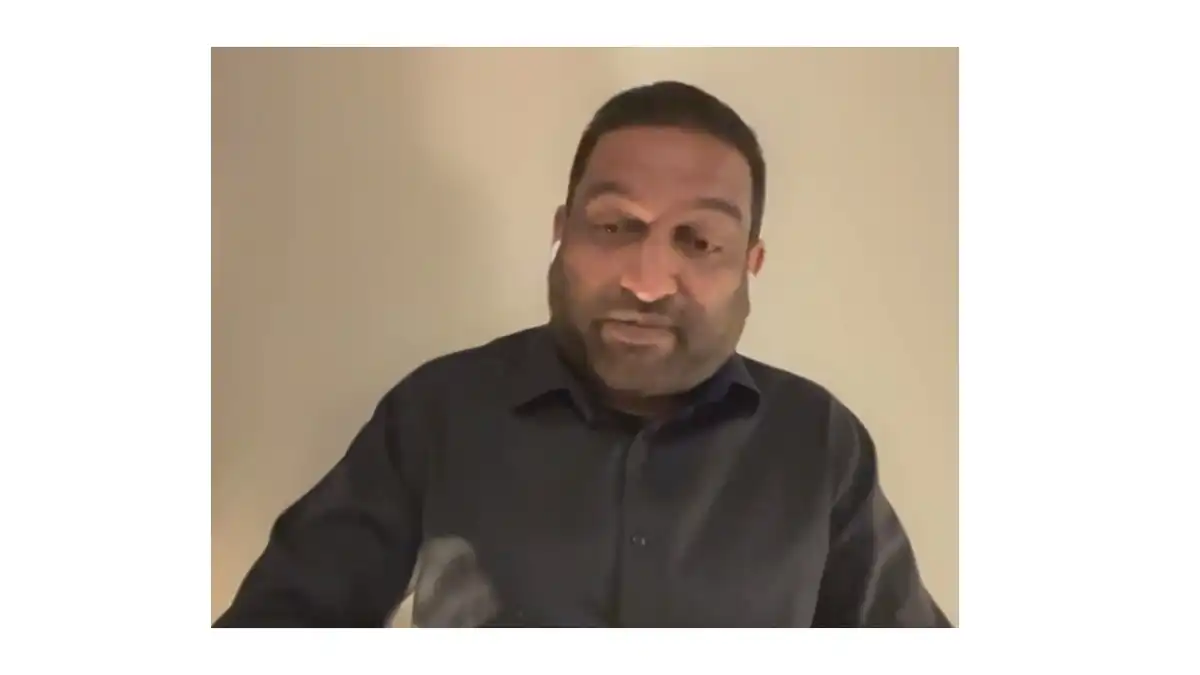
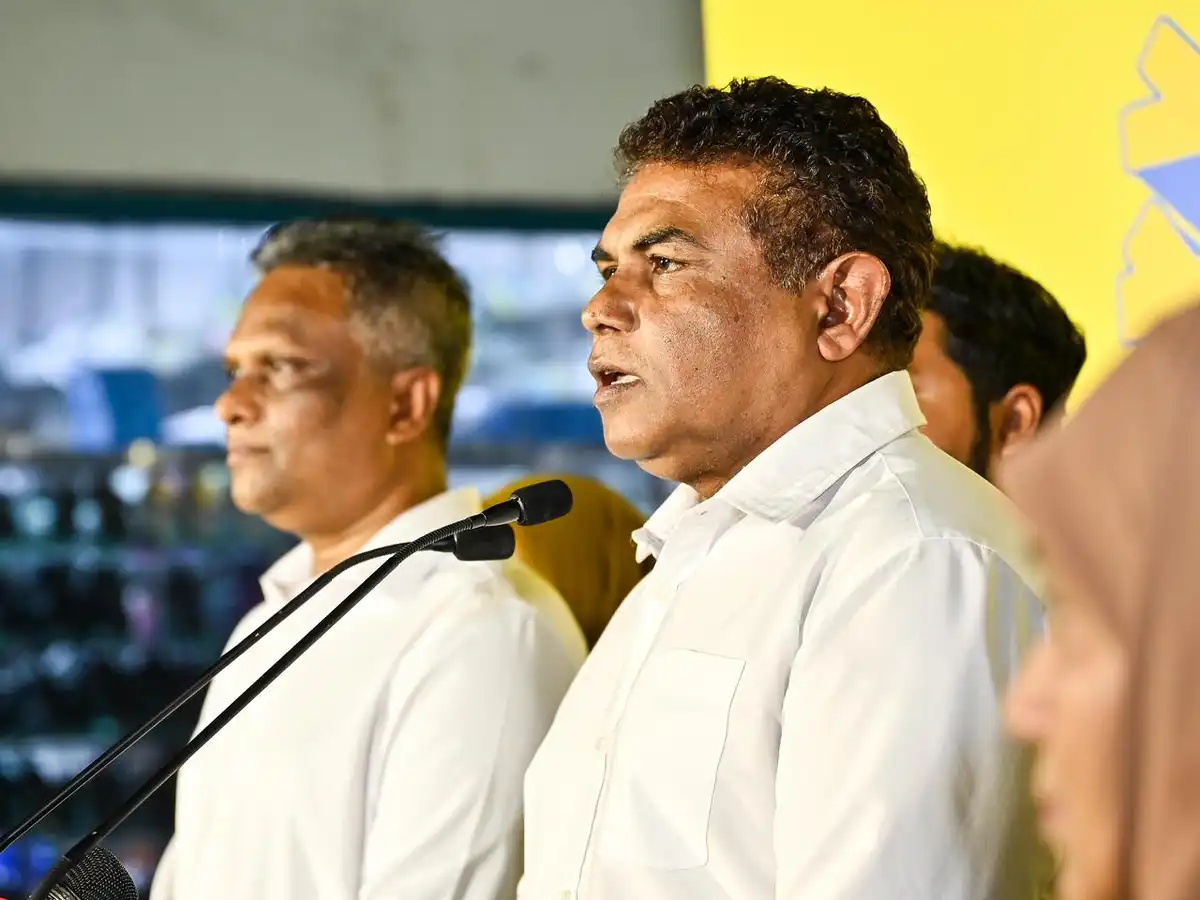
Former Assistant Commissioner of Police Mohamed Jinah. | RaajjeMV | Raajje MV
Former Assistant Commissioner of Police Mohamed Jinah has stated that the proposed referendum to align presidential and parliamentary elections would strip the People’s Majlis of one of its most vital powers: the authority to impeach the President when necessary. He urged the public to vote against the measure to ensure this essential power remains in the hands of the people's representatives.
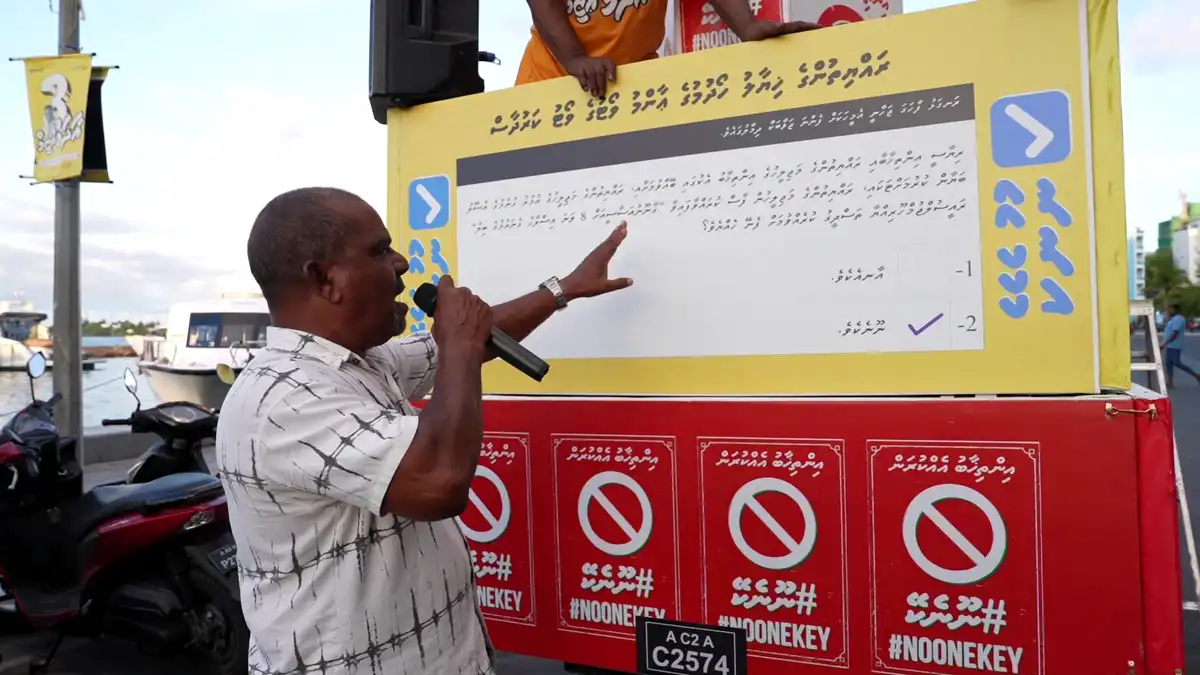
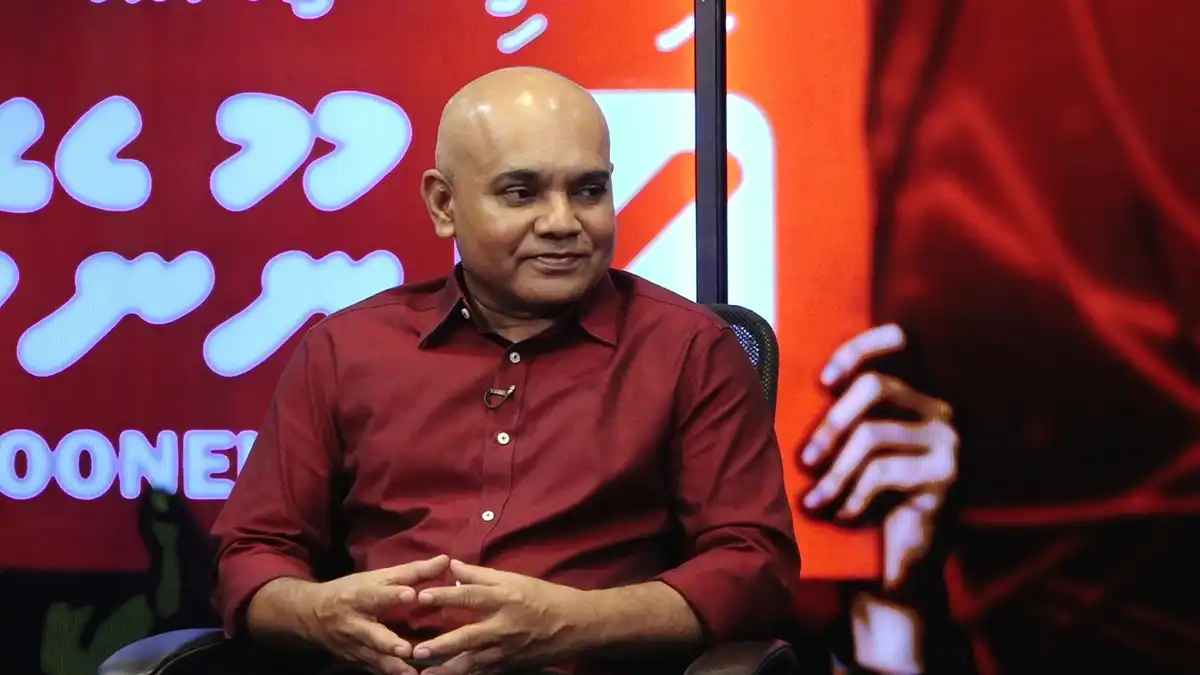
Speaking on RaajjeTV’s "Noonekey" campaign program, Jinah stated that the current framework and composition of the Constitution do not permit the synchronization of two separate elections. He further noted that while the government is attempting to combine the elections, the Constitution provides no legal basis for such a move, raising significant concerns regarding the matter.
In this regard, Jinah stated that Article 16 of the Constitution does not allow for such an interpretation. Article 16 stipulates that the fundamental rights and freedoms of citizens must be guaranteed.
Jinah further asserted that if the government merges the two elections, it would undermine the rights of the people as they relate to both the Parliament and the presidency. He argued that the proposed referendum seeks to abolish or strip away parliamentary powers and fundamental public rights, maintaining that such an action cannot be permitted.
The Parliament cannot be dissolved in isolation. If the Parliament is to be dissolved, the government must also be dissolved; that is how a dissolution truly functions. The legislature is not an entity that can be disbanded on its own. Matters are being driven toward such a situation through a referendum. The purpose of this vote is to dissolve the Parliament, in accordance with Article 5 of the Constitution.Former Assistant Commissioner of Police Mohamed Jinah
Article 5 of the Constitution stipulates that all legislative powers in the Maldives are vested in the People’s Majlis. Furthermore, Article 4 states that all powers of the Maldivian State emanate from the citizens and shall remain with the people.
Jinah stated that the Parliament cannot be dissolved, nor can its powers be seized from the people, through a referendum. He further noted that such an action would strip the Parliament of one of its most significant constitutional authorities: the power to impeach the President when necessary.
Power originates from a government elected by the people. A government remains in power only as long as the people desire it. This is evident in the fact that leaders can be impeached and removed from office. Therefore, ultimate sovereignty resides with the people, who possess the power to terminate a government's tenure.Former Assistant Commissioner of Police Mohamed Jinnah
Consequently, Jinah stated that these are all compelling reasons to vote "no" in the referendum.