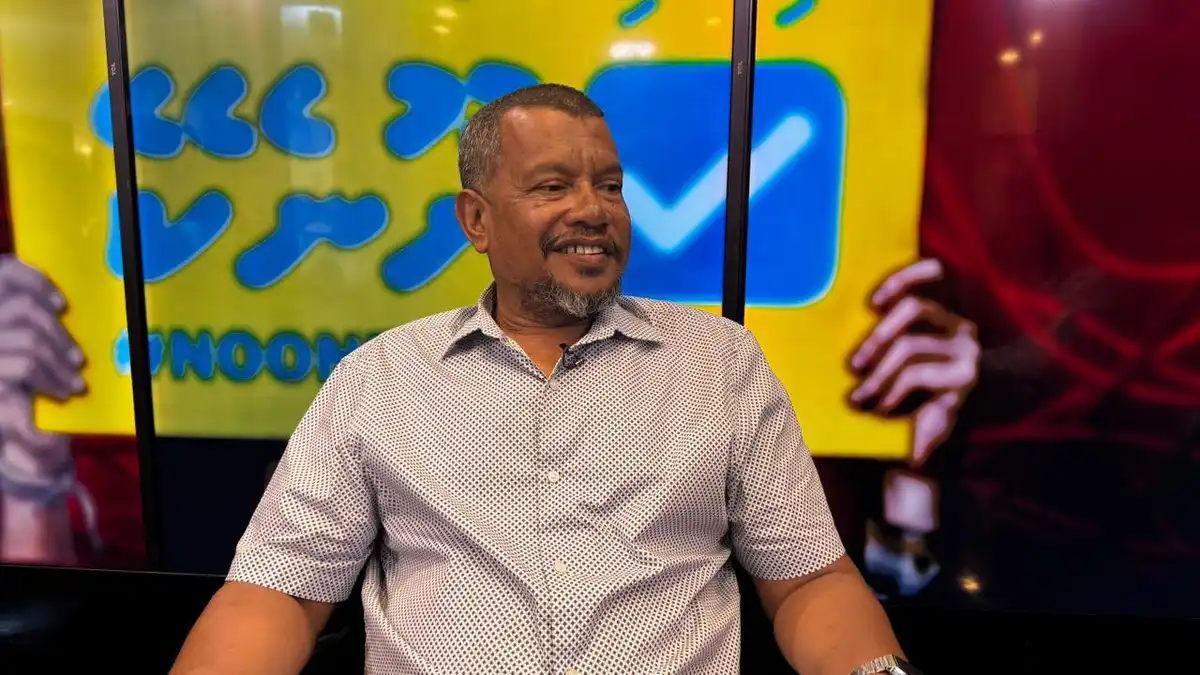
Holding both elections together will turn elected MPs into proxy members who act solely according to the President's will: Aslam
24 މާރިޗު 2026 | އަންގާރަ 10:43Former Parliament Speaker Mohamed Aslam has stated that holding presidential and parliamentary elections simultaneously would not benefit the public, warning that such a move would lead to a compromise of the constitutional system.
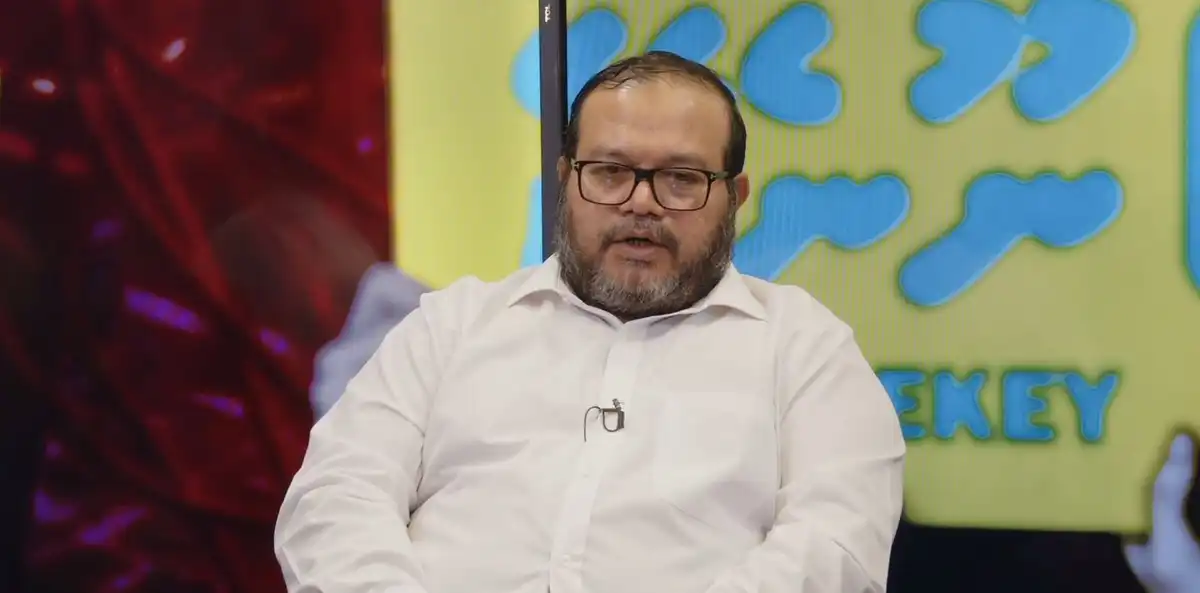
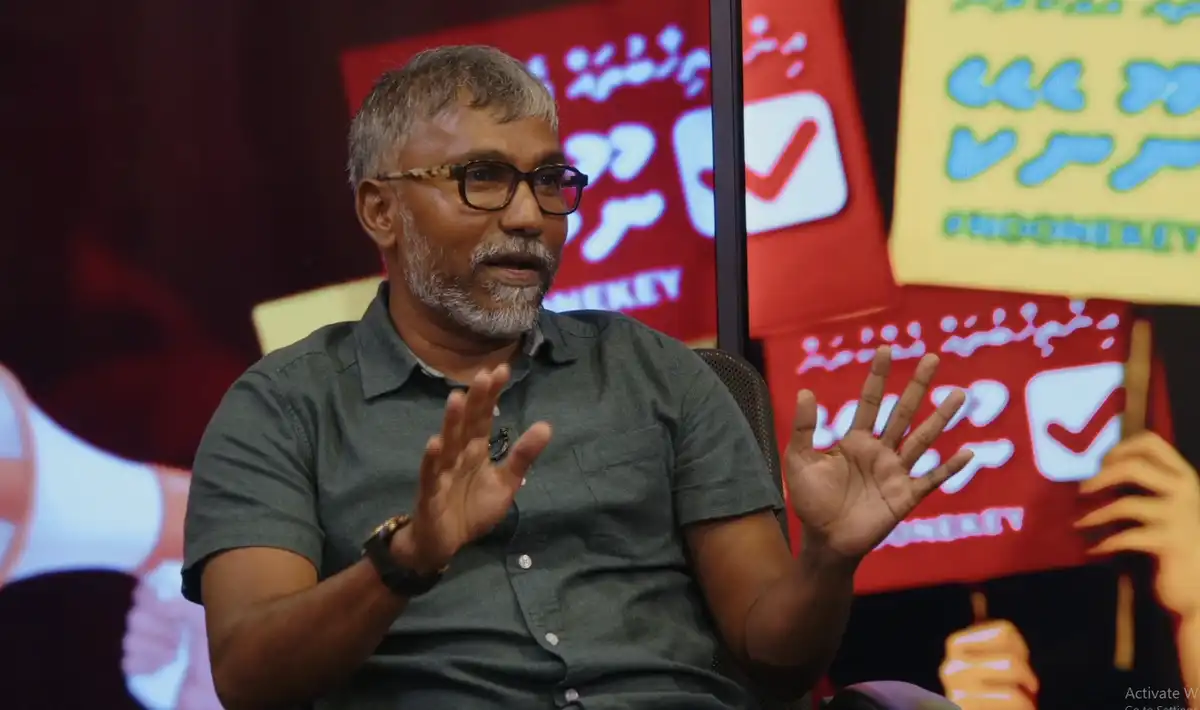
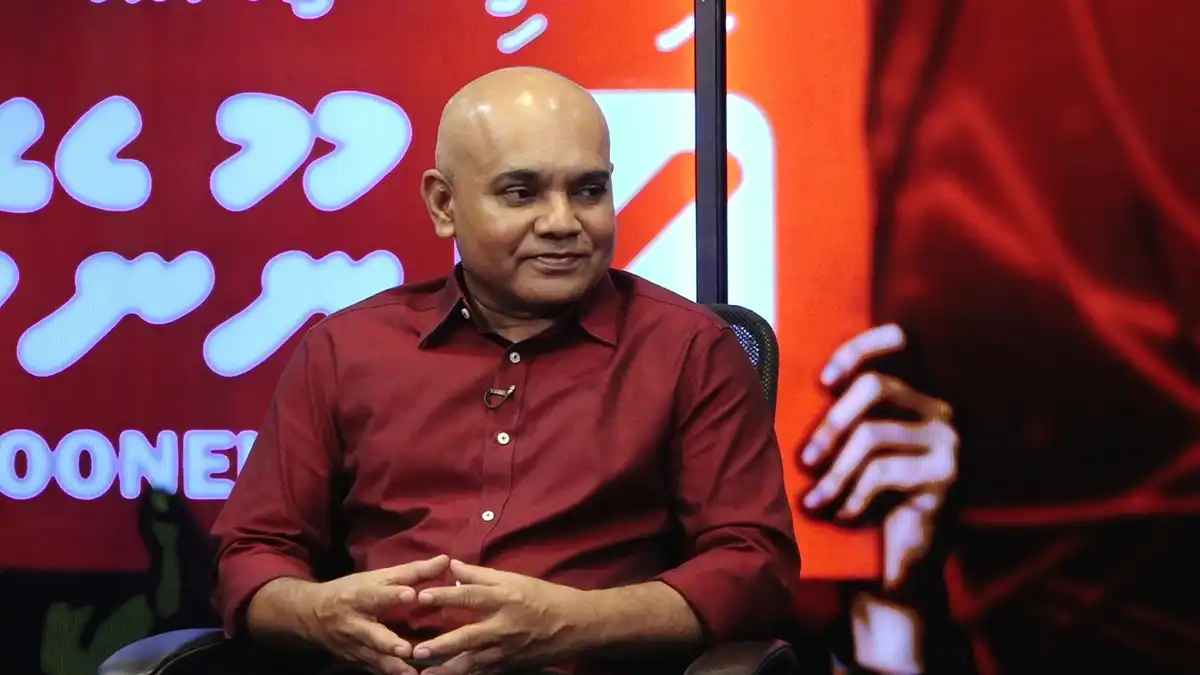
Former Speaker of the People's Majlis, Mohamed Aslam. | RaajjeMV | Raajje MV
Former Speaker of the Parliament Mohamed Aslam has stated that holding the presidential and parliamentary elections simultaneously would result in the election of "proxy members" who would merely act according to the President's will.
Aslam, who was involved in the drafting of the Constitution, stated during RaajjeTV’s "Noonekey" campaign program that combining the presidential and parliamentary elections would not be beneficial for the public.
Furthermore, Aslam stated that since the current amendments effectively alter the mandate of the People's Majlis, any decisions regarding the term limits of Members of Parliament or the President can only be finalized through a public referendum.
Aslam stated that the Constitution of the Maldives serves as the fundamental framework for the nation's governance. He emphasized that the Constitution must be upheld and followed in a structured and orderly manner. Furthermore, Aslam noted that any comprehensive change to the established distribution of powers within the Constitution would necessitate a complete overhaul of the Constitution itself or the entire governing system.
"If we continue down this path, I believe a parliamentary system would be far more effective. Why not transition fully to a parliamentary system instead of creating such a convoluted hybrid?" Aslam said.
Aslam stated that holding parliamentary and presidential elections on the same day is a characteristic of a parliamentary system, arguing that such a move would lead to a significant blurring of governance structures. He questioned the extent to which the public currently benefits from the constitutional framework and the separation of powers. He further noted that it is now necessary to evaluate the actual outcomes of the efforts made to establish three independent branches of government.