Hospitalized WAMCO employee moved to general ward after ventilator treatment
4 މާރިޗު 2026 | ބުދަ 11:15Hassan Nazir, a WAMCO employee who sustained serious injuries after falling from a ramp, has been moved to a general ward and taken off ventilator support as his condition improves. While his family alleges negligence on the part of the Waste Management Corporation, the Human Rights Commission of the Maldives (HRCM) is currently investigating the case concerning workplace safety standards at the company.

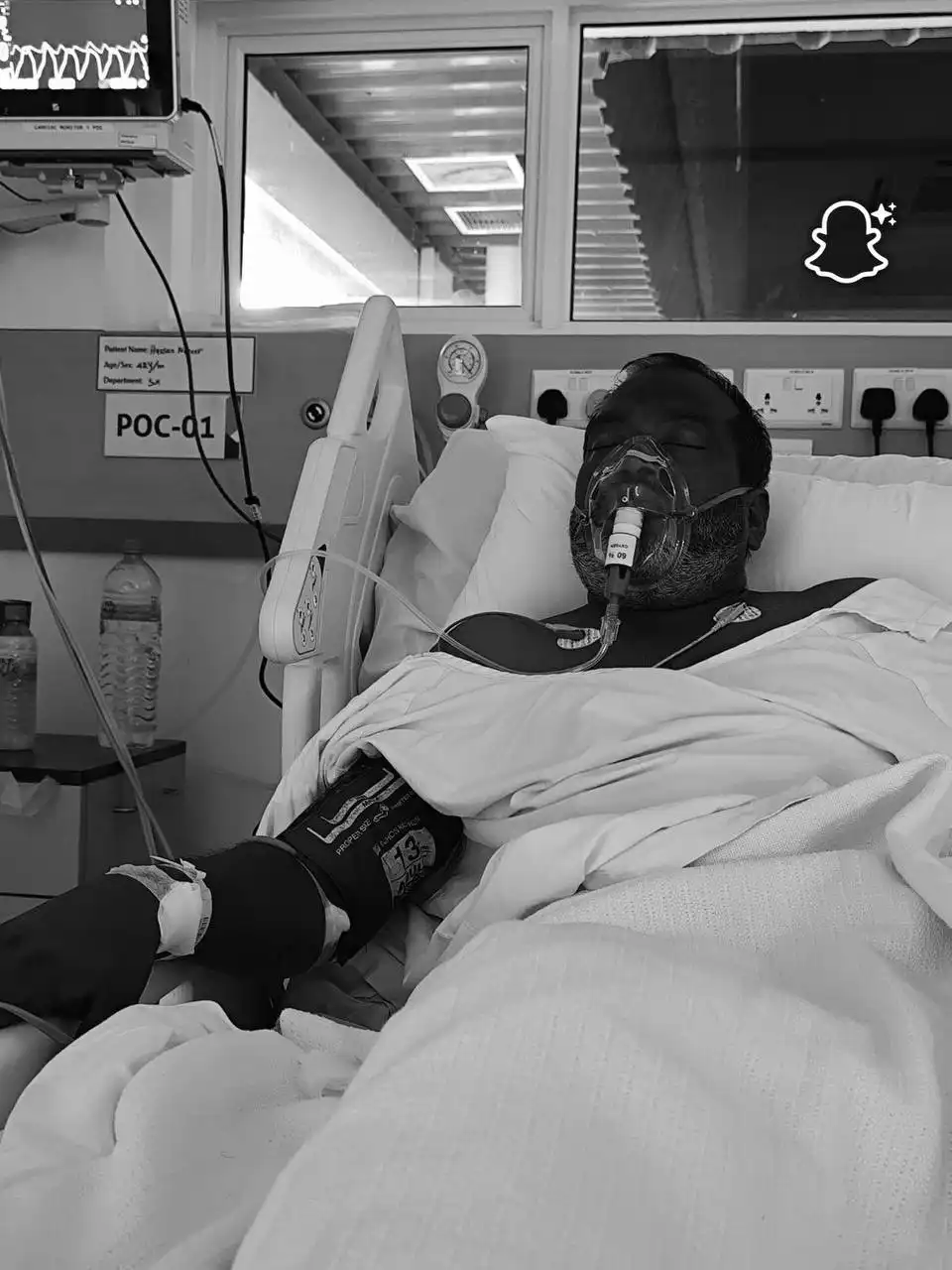
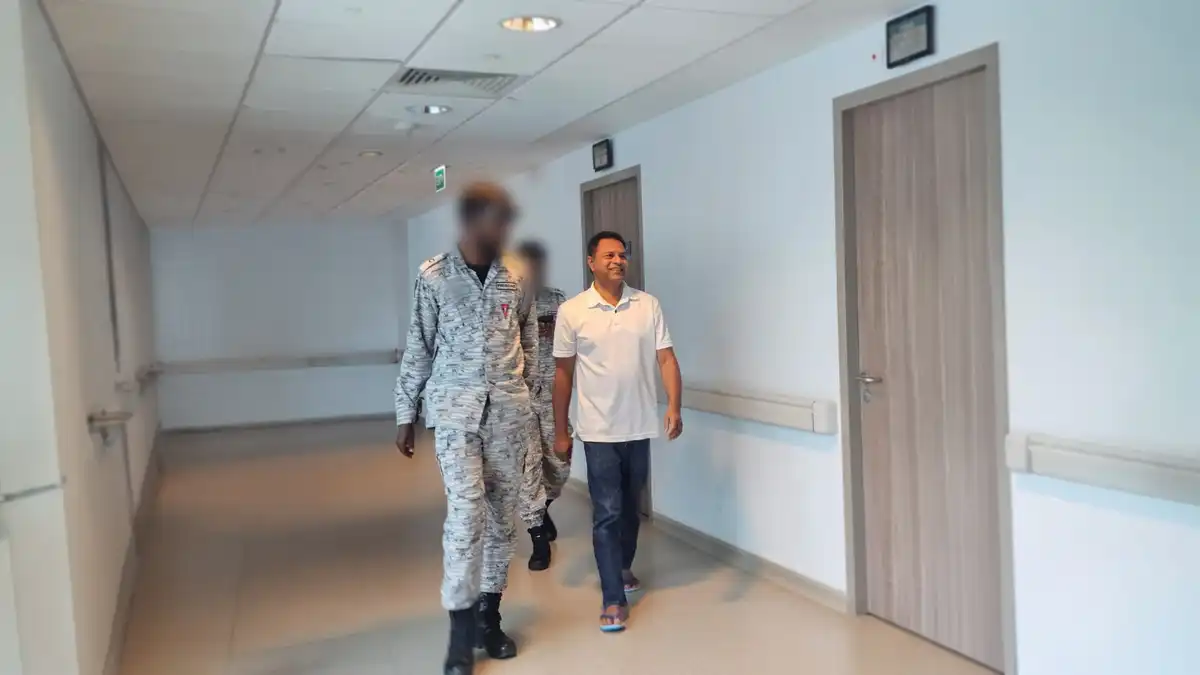
Hassan Nazir, who sustained injuries after falling from WAMCO’s waste disposal ramp. | RaajjeMV | RaajjeMV
The WAMCO employee who was treated on a ventilator following injuries sustained from a fall off the waste disposal ramp has been moved to a general ward.
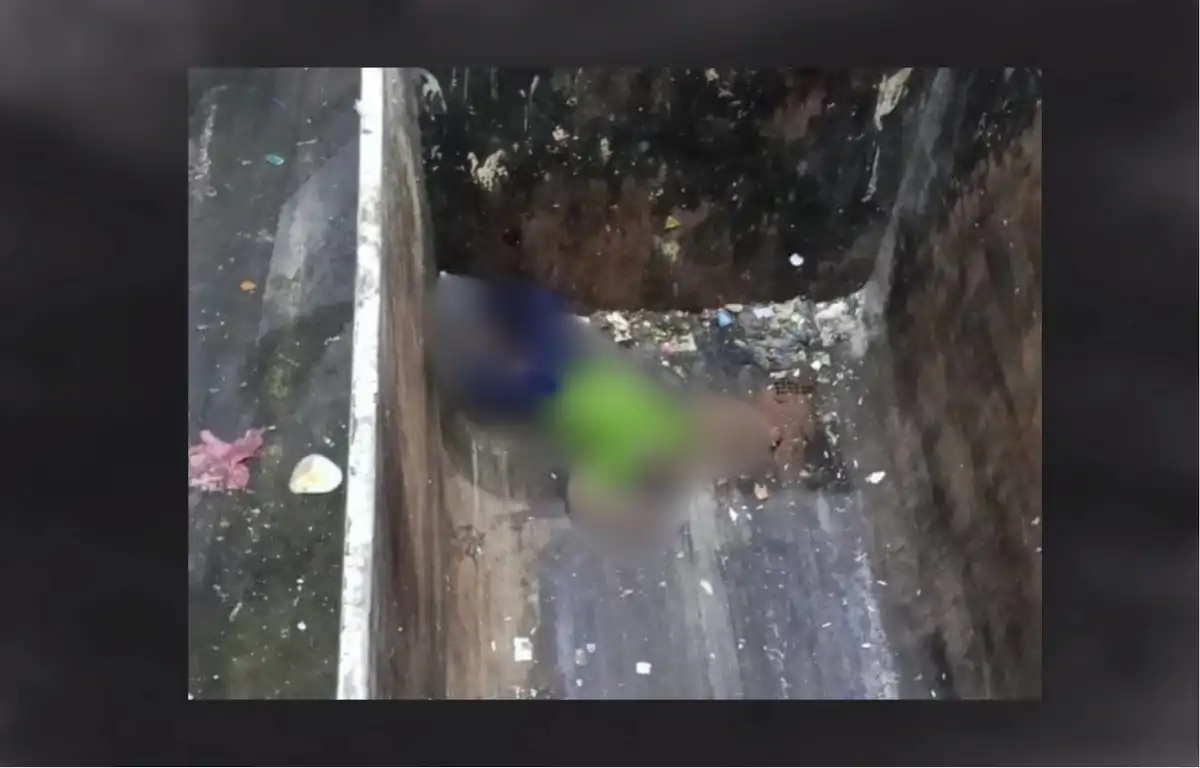
At approximately 3:00 a.m. on February 22, 2026, a Maldivian man identified as Hassan Nazir fell from the WAMCO waste disposal ramp. He sustained severe injuries and was initially placed on ventilator support. According to his family, he suffered fractures in three places on his ribcage and was unable to breathe independently.
Following the incident, WAMCO initially kept the matter confidential. The issue only came to public light after the victim's family spoke out, alleging gross negligence on the company's part and claiming that WAMCO had completely neglected Nazeer in the aftermath.
When RaajjeMV inquired about the patient's latest condition, a media official from IGMH stated that the individual has been moved to a general ward after previously receiving treatment on a ventilator.
According to reports, Nazir's condition is improving.
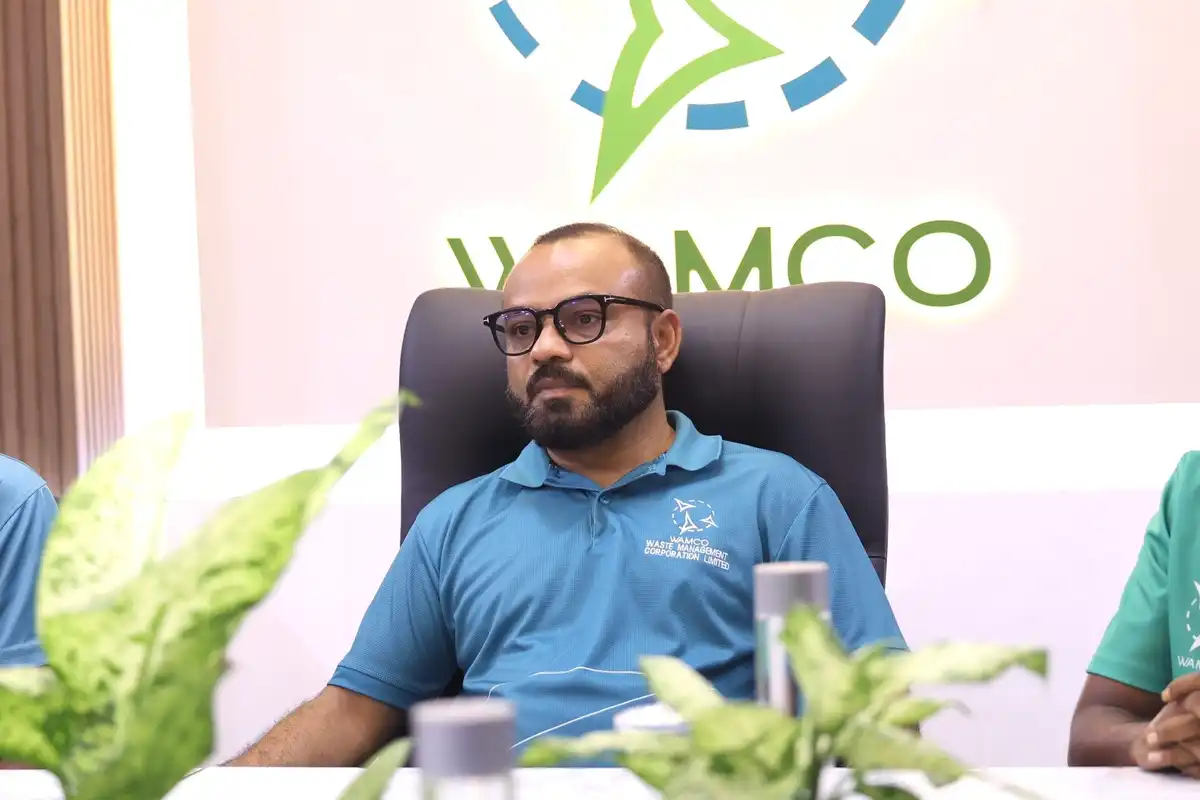
Amidst growing allegations of negligence by the Waste Management Corporation (WAMCO) toward its staff, employees claim that the company’s health insurance coverage was discontinued in 2022.
Furthermore, the Human Rights Commission of the Maldives (HRCM) has announced that it is investigating issues concerning the safety and security of workers at the Waste Management Corporation (WAMCO), following a series of recurring workplace accidents that have resulted in injuries and life-threatening risks to employees.