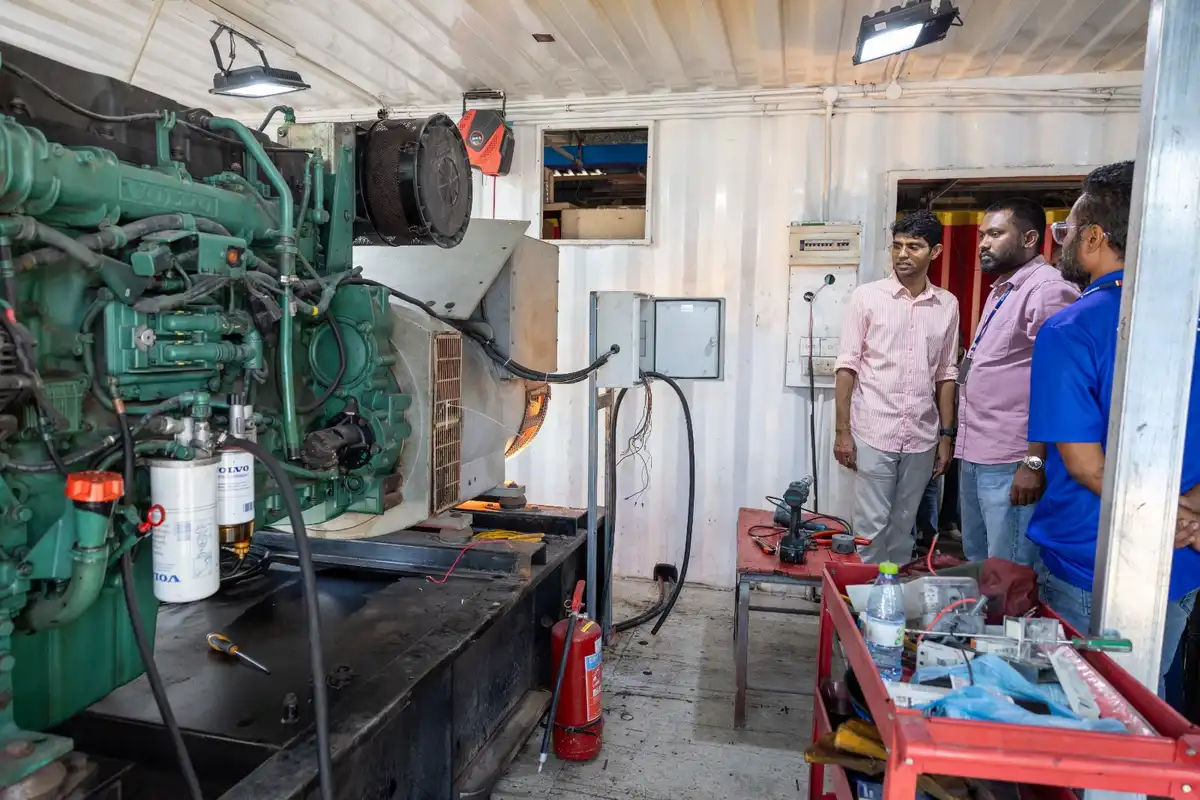
"Changes to overtime pay policies for the final ten days of Ramadan are being communicated verbally, with no official memo issued"
21 ފެބުރުއަރީ 2026 | ހޮނިހިރު 21:03Concerns are mounting among employees of several state-owned enterprises over negligence regarding the timely payment of salaries and benefits. With increasing reports of delays in disbursing wages and mandatory Ramadan allowances, many are questioning why these payments are being stalled despite having specifically allocated budgets.

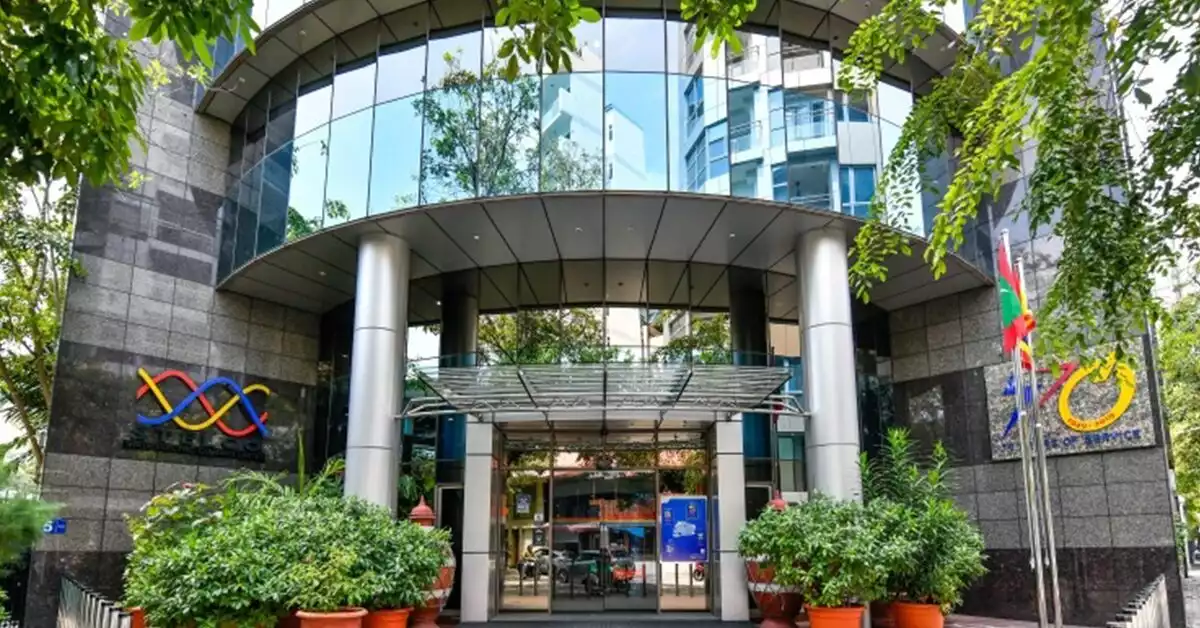
STELCO building | STELCO | Stelco
Employees at several state-owned enterprises have expressed concern over changes to overtime pay policies during the final ten days of Ramadan, alleging that the adjustments were made without the customary formal notification via internal memoranda.
State Electric Company Limited (STELCO) and several other state-owned enterprises are reportedly among the entities implementing these measures. These companies have been holding separate meetings with staff from various departments to inform them that overtime pay will only be granted for work performed beyond the standard working hours established for the month of Ramadan. However, employees have expressed concern that no official documentation or internal memos have been issued regarding this policy. They noted that the absence of formal written communication has made it difficult to officially bring the matter to the attention of the relevant authorities.
"If the government is closed, we should receive the compensation mandated for public holidays. Those days should be treated as full-day overtime. It is unacceptable for one group of employees to receive time off while others are required to work without any additional financial remuneration," an employee told this newspaper.
Issues regarding negligence in financial transactions and delays in payments by several state-owned enterprises have recently come to the surface. For instance, some employees of the Waste Management Corporation (WAMCO) had not received their Ramadan allowance by the start of the holy month; however, the payments were processed after the matter gained media attention. Prior to this, it was also noted that WAMCO faced delays in disbursing salaries to some of its staff for the month of February.
Furthermore, issues have emerged regarding the failure to regularly deposit pension contributions for employees working in the civil service and state-owned enterprises.
Employees are expressing their concerns, noting that such issues are unprecedented for civil servants. They are particularly questioning the reasons behind the delay, pointing out that salaries and allowances are pre-allocated items within the state budget.