Forcing pension funds to bail out gov’t could trigger disaster ahead of sukuk deadline: Ameer
4 ފެބުރުއަރީ 2026 | ބުދަ 04:28Ameer criticized the current administration for its lack of transparency and proactive debt management, warning that delaying Sukuk repayments is a recipe for disaster. He argued that sidelining international investors and dismissing technical staff has eroded institutional capacity and market confidence. Ameer urged the government to implement credible reforms and professional debt strategies immediately to prevent a total economic downfall.

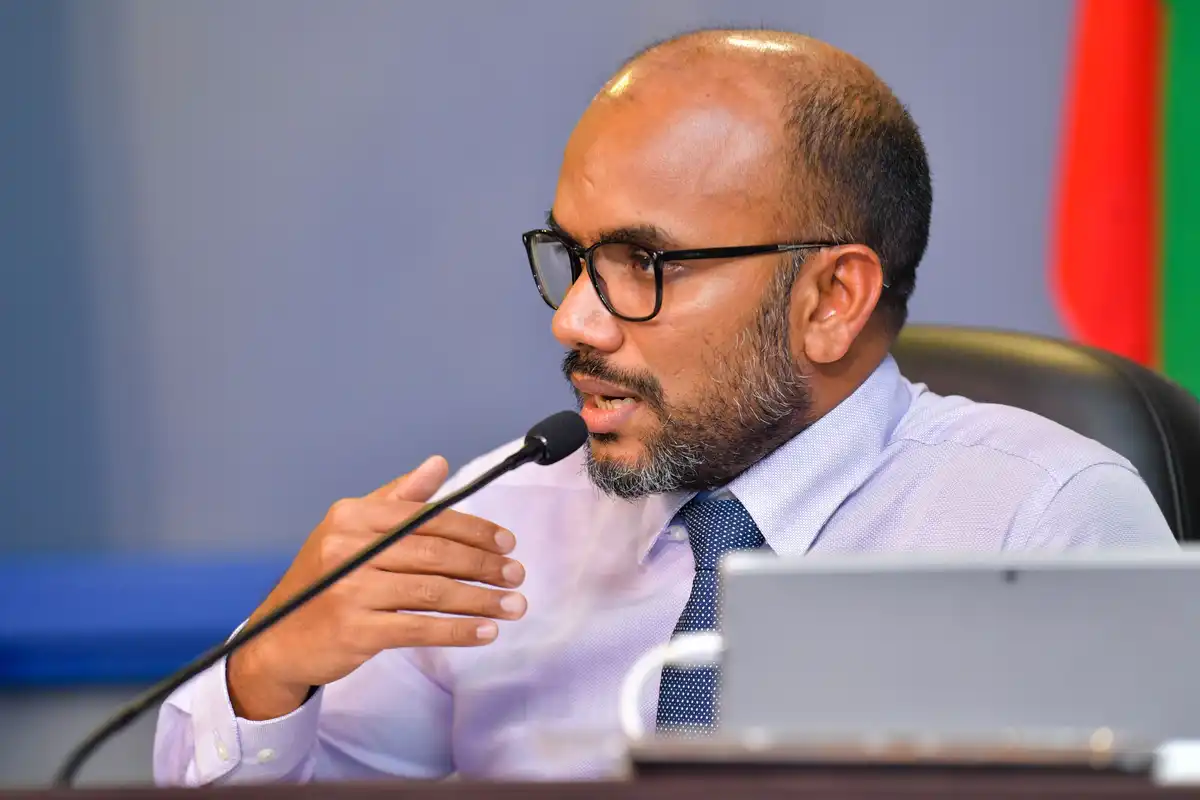
Former Finance Minister Ibrahim Ameer | President's Office | President's Office
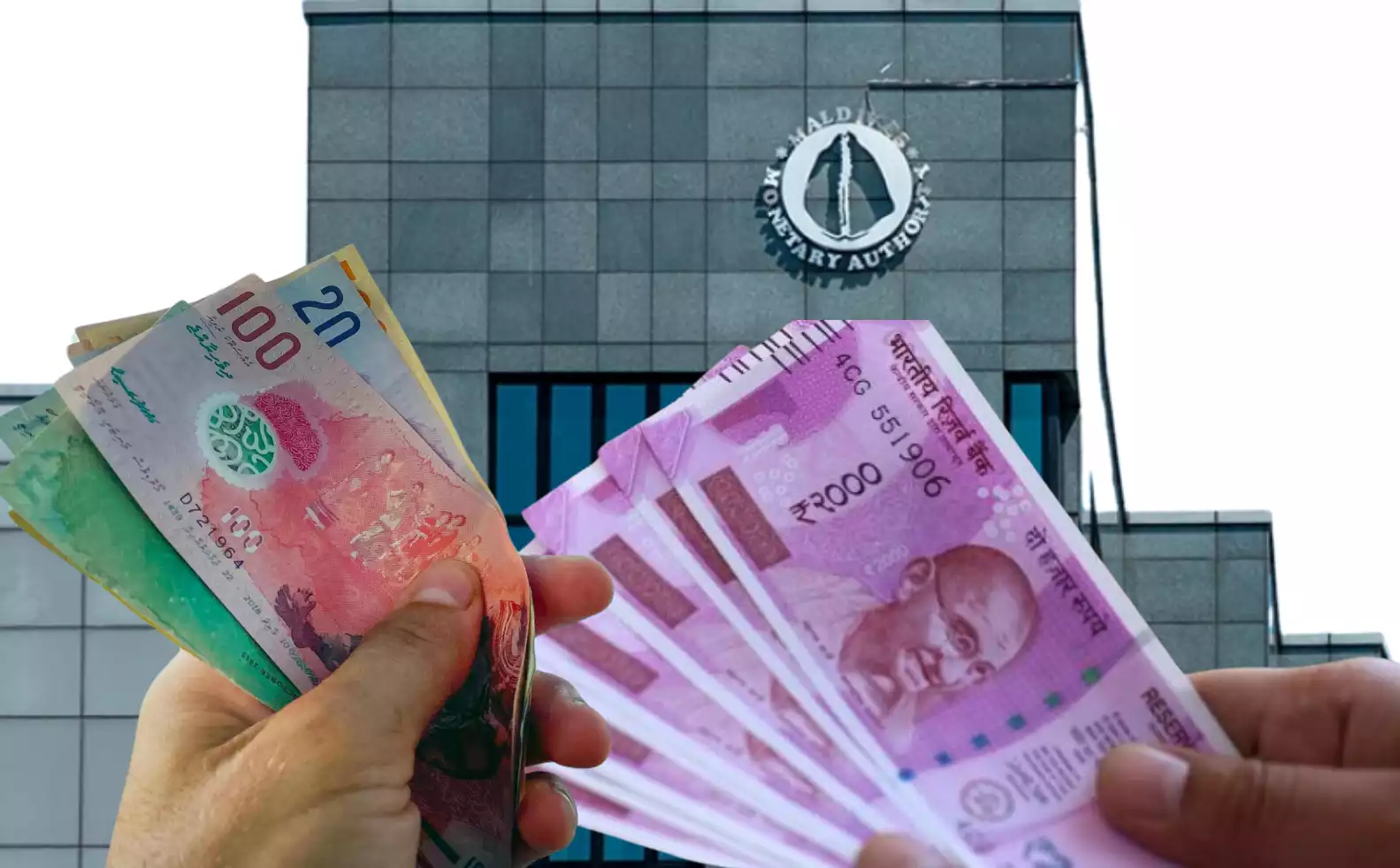
Former Minister of Finance of the MDP administration, Ibrahim Ameer, has warned that compelling the Pension Office to cover government recurrent expenditures, facilitated through money printing by the Maldives Monetary Authority (MMA), is an extremely dangerous measure, particularly as the deadline for Sukuk repayment approaches.
Ameer highlighted that the government’s lack of transparency has further eroded investor confidence. He argued that the current fiscal and economic crisis was entirely avoidable, emphasizing that any government’s debt management strategy must be based on proactive and strategic planning. He cautioned that delaying debt settlements until the eleventh hour, while the state’s fiscal position deteriorates, recurrent spending escalates and economic growth stagnates, is a recipe for disaster.
He cited his own administration’s approach as an example, noting that the 'Sunny Side' bond issue was resolved proactively in 2021. Despite the economic challenges posed by the global Covid-19 pandemic, the government managed to settle approximately USD 200 million of a USD 250 million bond due in June 2022 nearly a year ahead of its maturity, leaving only USD 50 million outstanding by the due date. He also emphasized that the previous government implemented credible economic policies for medium-term stability, alongside legal and institutional reforms designed to strengthen the financial system and debt management.
However, Ameer criticized the current administration for abandoning these principles and sidelining international investors, development partners and financial institutions, the very entities most capable of assisting the nation during a crisis. He noted that the state’s fiscal and debt management systems have weakened, the powers of the Ministry of Finance and Planning have been undermined, and the dismissal of experienced technical staff for political reasons has resulted in a loss of institutional capacity at a time when technical expertise is most needed. Sudden decisions driven by political motives, without sufficient research or consultation, have further worsened the situation.
With less than two months remaining before the Sukuk repayment, Ameer stressed that the government should not have waited until the last moment to secure funding. He warned that this delay has left the state at the mercy of creditors and reiterated that the crisis was entirely preventable.
The former minister further cautioned that unless the government immediately changes course, implements credible reforms, re-engages with the markets and reinstates professional debt management, reliance on hope or questionable “scam-like” funding proposals will only accelerate the country’s downfall.
Ameer concluded that the most concerning issue is that, while the nation suffers the consequences, the administration still fails to grasp the gravity of the situation.