Third Pension Board resignation sparks alarm as gov’t pushes ahead with currency printing plan
1 ފެބުރުއަރީ 2026 | އާދީއްތަ 11:26Ahmed Inaz resigned as Chairperson of the Maldives Pension Administration Office, citing concerns that the government's plan to print MVR 2.4 billion through bond issuance could cause serious economic damage. He is the third board member to resign over this issue, following Ashraf Rasheed and Ahmed Saruvash Adam. The government seeks to print the currency by having the Pension Office invest in government bonds.


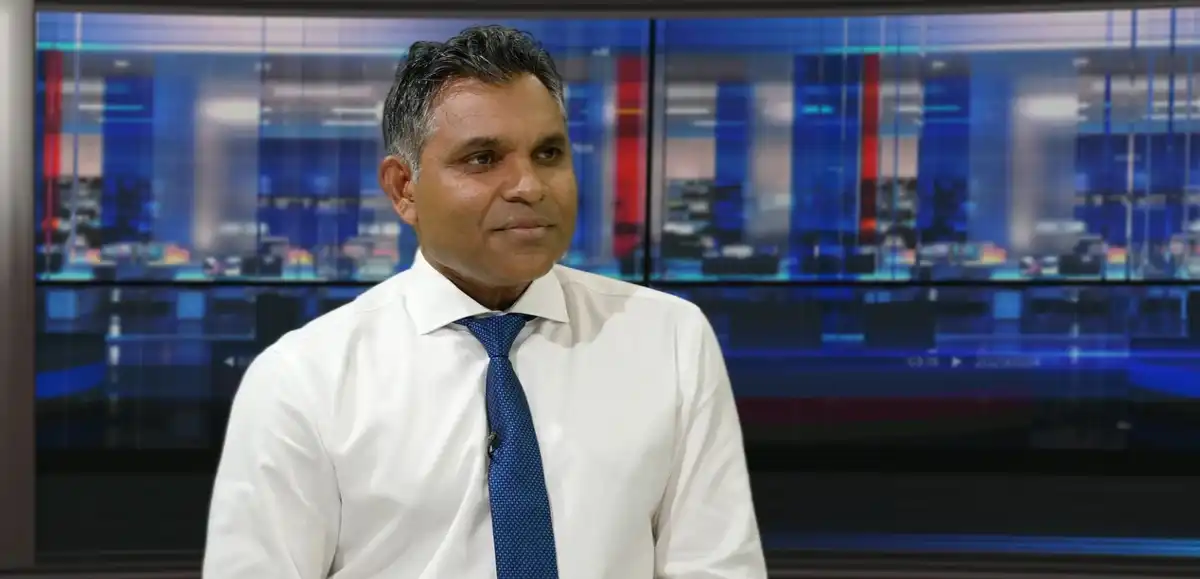
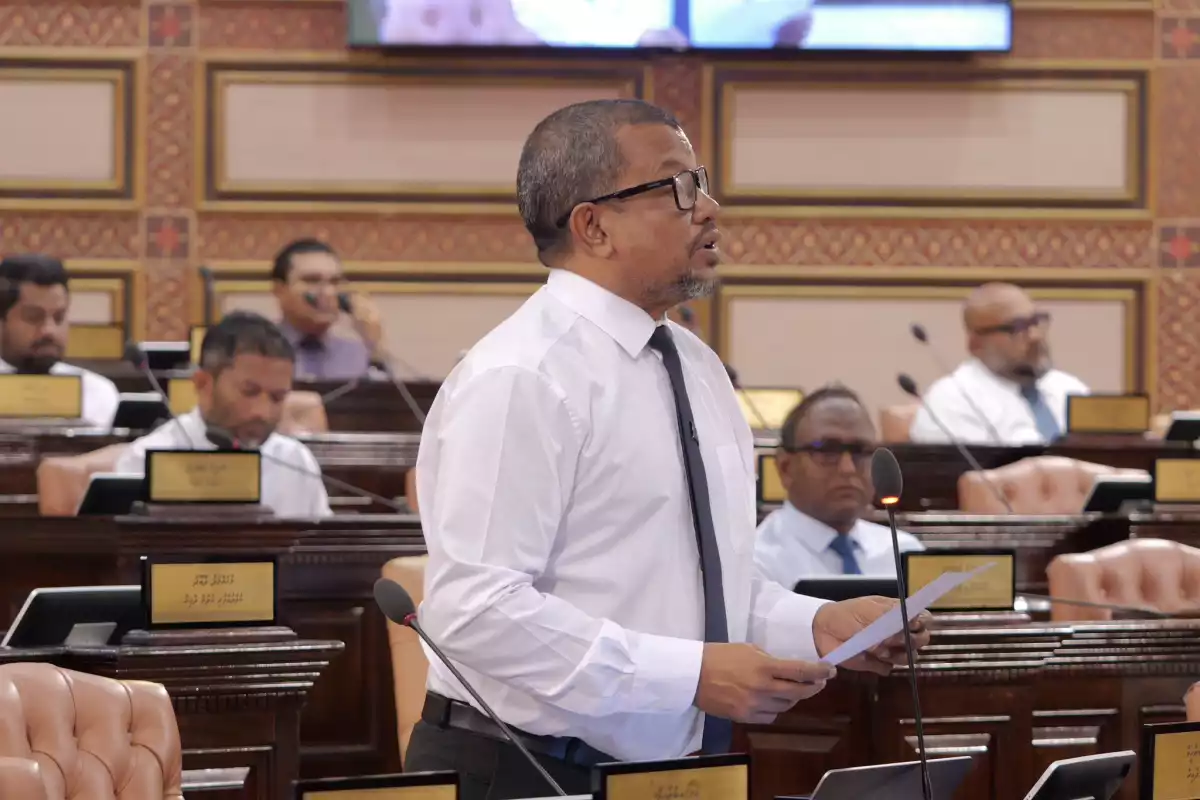
Ahmed Inaz, who recently resigned as Chairperson of the Maldives Pension Administration Office | RaajjeMV | Raajje MV
Ahmed Inaz has resigned as Chairperson of the Maldives Pension Administration Office (MPAO), citing serious concerns over the government’s handling of the nation’s finances. His departure comes as the government seeks to raise MVR 2.4 billion through a domestic bond, a move he warned could inflict severe economic damage.
“Money printing” warning
In his resignation statement, Inaz emphasized that he had repeatedly raised concerns about the proposal, which would require the Pension Office to invest heavily in government bonds. He described the arrangement, which involves facilitation by the Maldives Monetary Authority (MMA), as effectively a form of “money printing,” warning that it risks inflation, devaluation of the Maldivian Rufiyaa, and unsustainable fiscal strain.
Board tensions exposed
The resignations of Inaz, along with two earlier board members, Ashraf Rasheed and Ahmed Saruvash Adam, highlight growing tension between financial experts and political leadership over the government’s short-term measures to address liquidity challenges. Analysts note that the urgency is driven in part by the impending maturity of a USD 500 million international Sukuk, with foreign reserves critically low and market confidence waning.
Calls for sustainable fiscal policy
Inaz stressed that no sustainable solution had been reached despite extensive discussions. He called for forward-looking fiscal management and policies aimed at reducing the country’s reliance on debt, rather than temporary fixes that risk burdening future generations. He also expressed concern over “sovereign concentration risk,” noting that tying large portions of the nation’s retirement savings to government debt exposes retirees to significant financial vulnerability.
Temporary fixes under review
The government is reportedly exploring alternative financing, including a potential USD 350 million bridge loan, though terms remain uncertain. Observers warn that such measures may only provide a temporary reprieve rather than addressing deeper structural fiscal problems.
Fragile finances in the spotlight!
As the Sukuk payment deadline approaches, the resignations underscore the fragile state of Maldives’ public finances and raise pressing questions about the government’s ability to secure a sustainable path to economic stability.