Maldives faces UN backlash over Muizzu administration’s push to criminalize children as young as 12
28 ޖެނުއަރީ 2026 | ބުދަ 15:01The government defended its proposal to lower the criminal responsibility age to 12 during a UN review, citing exploitation of children by criminal gangs. UN experts and the Human Rights Commission expressed serious concerns, warning the measure could criminalize children and expose weaknesses in child protection systems. The government claims over 150 children aged 12-15 were involved in crimes last year.

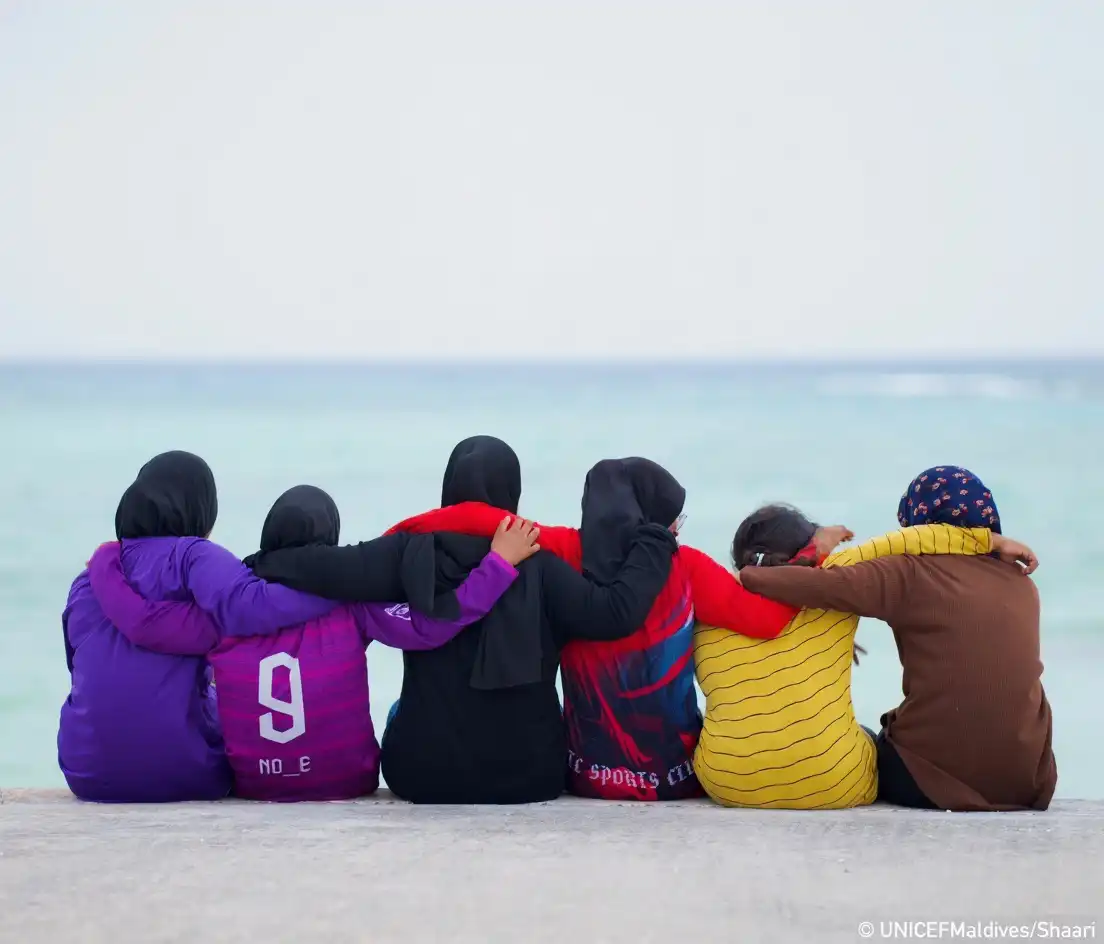
A group of Maldivian children sitting along the quay wall of an island. | UNICEF
It has been submitted to the United Nations that the administration of President Dr. Mohamed Muizzu is planning to lower the minimum age of criminal responsibility in the Maldives to 12 years.
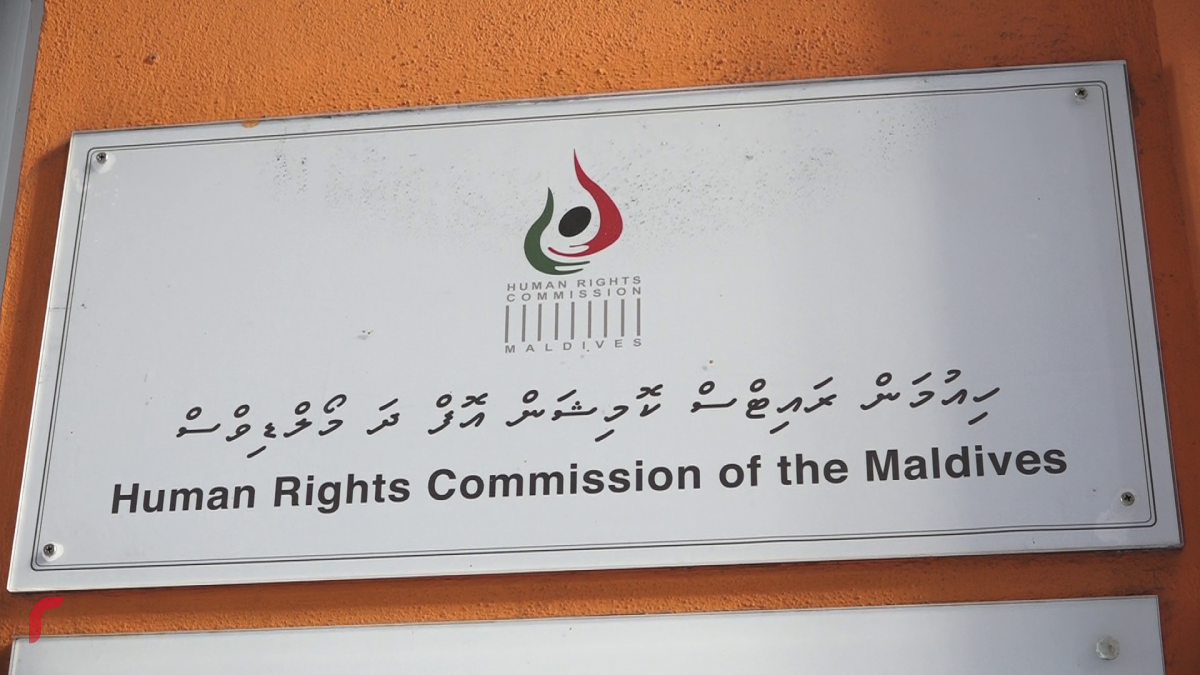
During the UN’s periodic review process, the Maldivian government defended its proposal to reduce the criminal age to 12, arguing that the measure is necessary to prevent criminal gangs from recruiting children into their activities. However, UN experts and the Human Rights Commission of the Maldives (HRCM) expressed serious concern over the initiative, warning that it heightens the risk of criminalizing children and exposes persistent weaknesses in the country’s child protection system.
The proposal prompted intense deliberations during the most recent review by the UN Committee on the Rights of the Child (CRC). In the course of the session, committee members asked the government to justify the need for such a reform and raised concerns about the potential negative consequences for children’s rights.
The review was conducted under the committee’s regular mandate to monitor implementation of the Convention on the Rights of the Child by its member states. Discussions related to the Maldives focused largely on the juvenile justice system, protection of children from exploitation, public safety, and the principle of equality in access to basic rights.
Minister of Homeland Security and Technology Ali Ihusan told the committee that more than 150 children between the ages of 12 and 15 had been involved in various criminal activities over the past year. The government emphasized that under the existing legal framework, the age of criminal responsibility is 15. It argued that the extensive protections granted to children below this threshold significantly limit the state’s ability to intervene for deterrence and rehabilitation purposes. According to the government, criminal groups are taking advantage of this legal protection by using children to commit crimes.
HRCM opposed the proposal, stating that lowering the age of criminal responsibility would expose children to new forms of abuse and increase the likelihood of their criminalization. Experts from the CRC also questioned whether the measure would be effective, asking whether the government had considered alternative responses such as social, educational, and family-based support mechanisms.
In defense of the proposal, Minister Ihusan stated that the intention is not to punish children indiscriminately, but to take targeted action against those aged 12 to 14 who are already involved in serious and violent crimes. In support of this position, the government referenced the new Gang Crimes Act, scheduled to come into force in 2025, which stipulates harsh penalties for individuals who exploit children for criminal purposes, including prison terms of up to 25 years and fines of up to 10 million Maldivian Rufiyaa.
During the deliberations, CRC officials also drew attention to broader concerns within the Maldivian child protection system, including issues related to the death penalty. Given that the Maldivian legal system is based on Islamic Shari’ah, under which the death penalty is a right held by the heirs of a victim, experts raised questions about how this principle applies in cases involving minors.
Concerns were also raised regarding corporal punishment. Although many forms of physical punishment are prohibited under Maldivian law, it was noted that certain practices that fall short of international standards continue to exist. The committee further highlighted the difficulties children face when navigating the justice system, citing the complexity of courtroom language and limited access to legal aid.
The separation of children from their families was another issue addressed during the review. While Maldivian law prioritizes family-based care, it was observed that many children remain in state-run facilities for prolonged periods. In addition to this, HRCM underscored major challenges in delivering essential services to children with disabilities, particularly in the outer atolls.
Alongside the proposed reform to the age of criminal responsibility, the government presented a specific policy involving the transfer of at-risk children to a dedicated rehabilitation center on a specialized island known as ‘Hope Island’.
Following the review, the committee’s 18 independent experts are expected to issue formal recommendations in the coming weeks, based on information submitted by the Maldivian government and reports from civil society organizations.
The head of the Maldivian delegation, Attorney General Ahmed Usham, stated that the dignity and safety of children remain a national priority and that the government is committed to protecting children’s rights.