Maafushi residents take to sea in protest against destructive sand dredging for Ras Malé project
27 ޑިސެމްބަރު 2025 | ހޮނިހިރު 03:28Observations indicate that neither the environment ministry nor the Environmental Protection Agency (EPA) are giving sufficient attention to these critical issues.


Protesters take to the sea, raising their concerns regarding the extraction of sand for the Ras Malé land reclamation project
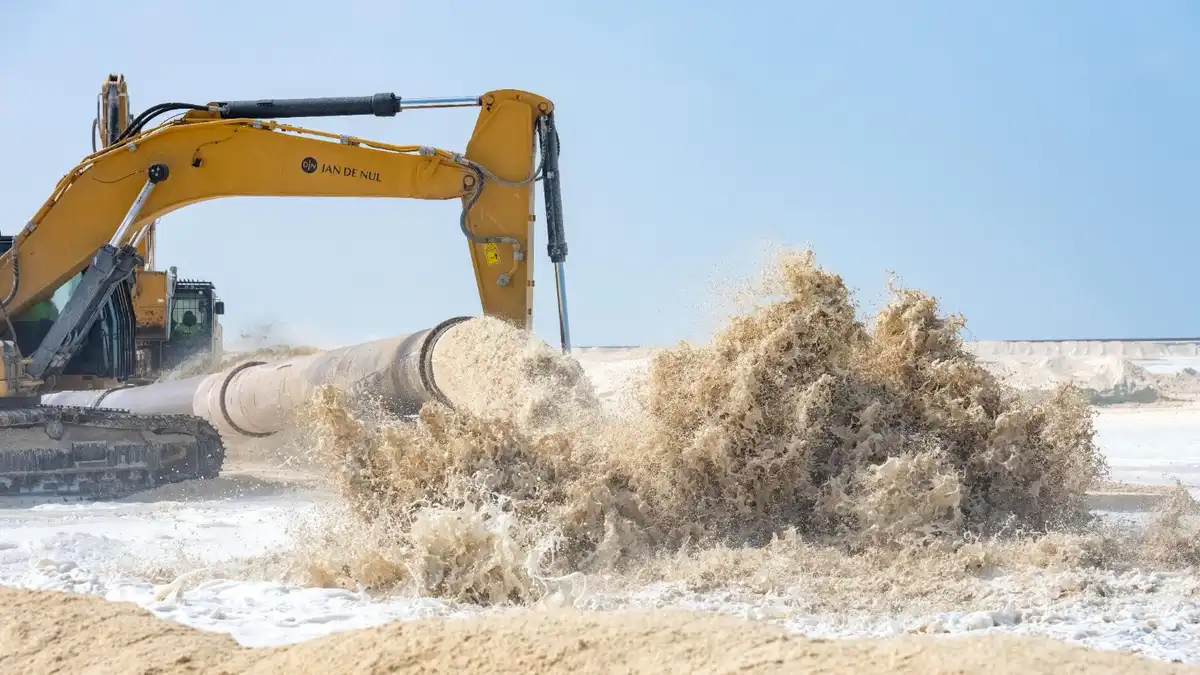
A protest has been held near Maafushi opposing the extraction of sand from nearby waters for the Ras Malé land reclamation project.
The demonstration took place on Friday evening, beginning at 4pm in the waters adjacent to Maafushi.
Mohamed Nabeel, a prominent participant in the protest, told RaajjeMV that members of the public joined the demonstration by taking to their launches to express their opposition. He stressed that the destruction of reefs caused by sand excavation near Maafushi for the Ras Malé reclamation project is a major concern for residents of the island. He further noted that the reefs are now no longer visible even from a distance of approximately one meter.
Nabeel stated that the protest was intended to convey to the government the depth of public dissatisfaction with the extraction of sand from the vicinity of Maafushi for the Ras Malé project.
He also said that a shipwreck near Maafushi, which is a popular diving site, has been inaccessible for diving for a prolonged period. Nabeel emphasized that this situation is having a negative impact on tourism and called for an immediate halt to sand dredging near Maafushi. He added that despite repeated communication with the government, the authorities have failed to respond adequately to public concerns.
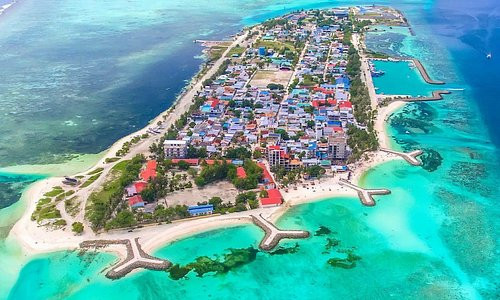
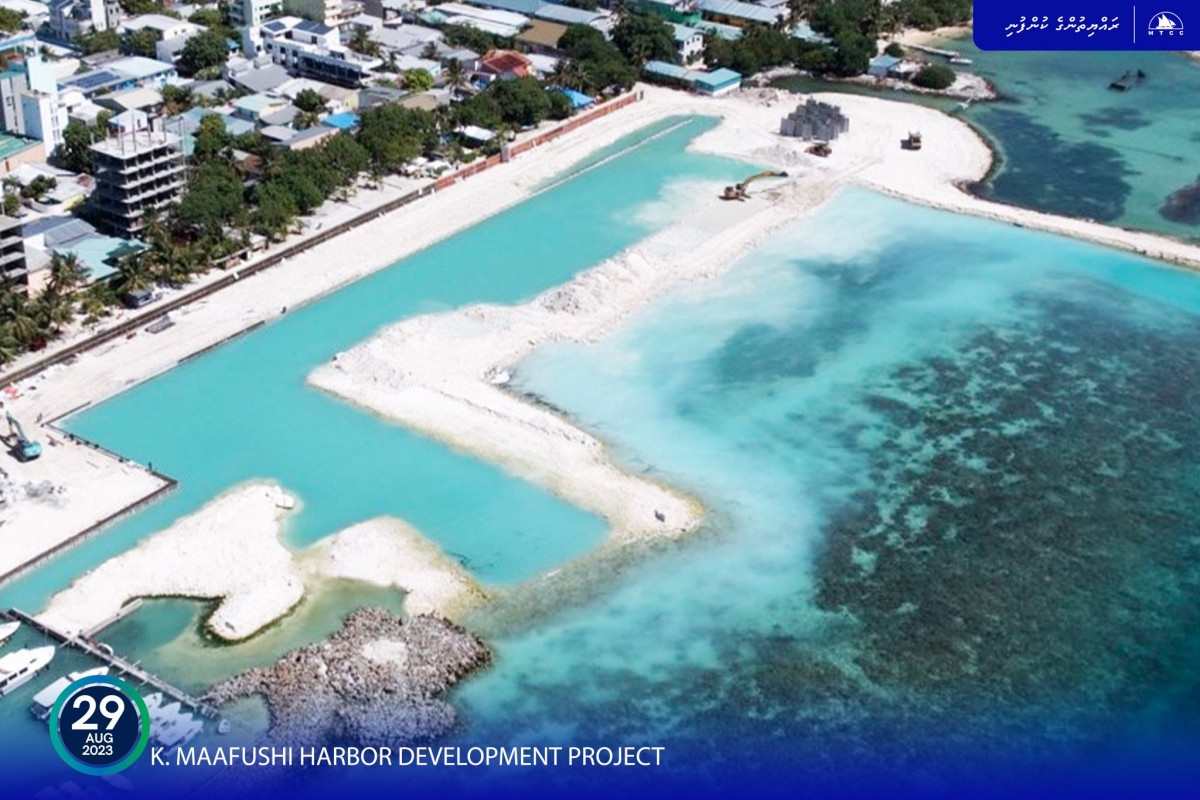
Maafushi, located south of Ras Malé, is one of the islands in Kaafu atoll where local tourism is most extensively developed, making it a highly popular destination for tourists.
In addition to this, many individuals have raised concerns on social media about the severe environmental damage caused by government sand dredging and land reclamation projects, which continue without effective measures to control siltation.
Observations indicate that neither the environment ministry nor the Environmental Protection Agency (EPA) are giving sufficient attention to these critical issues.