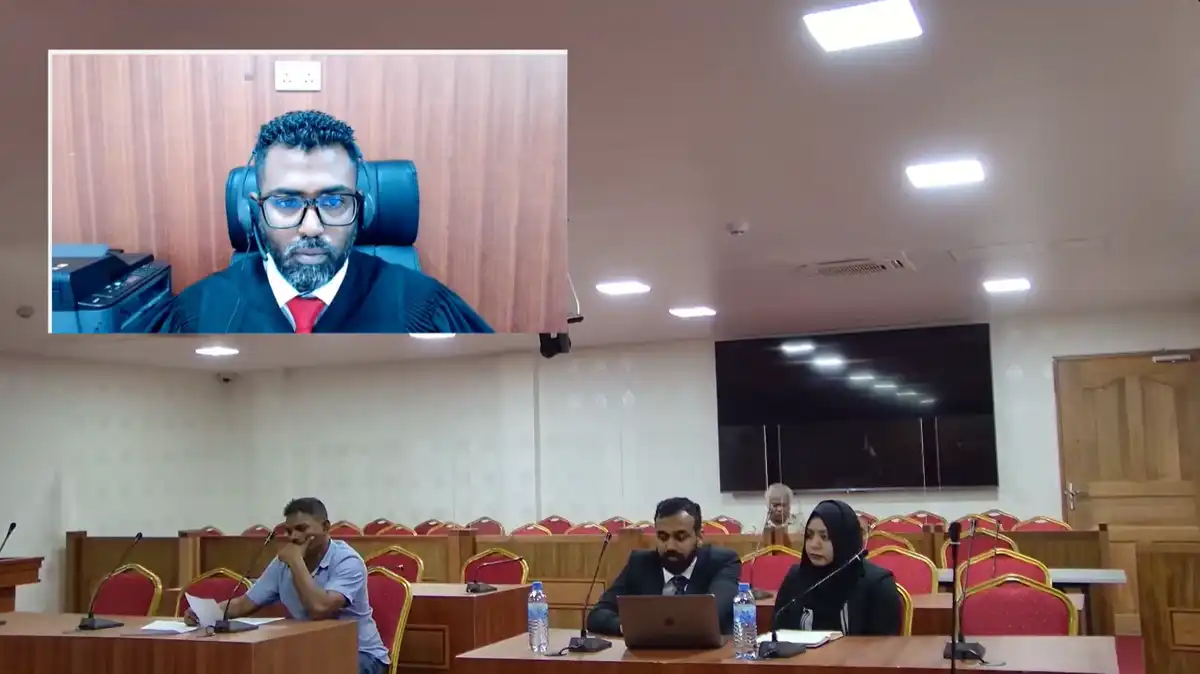
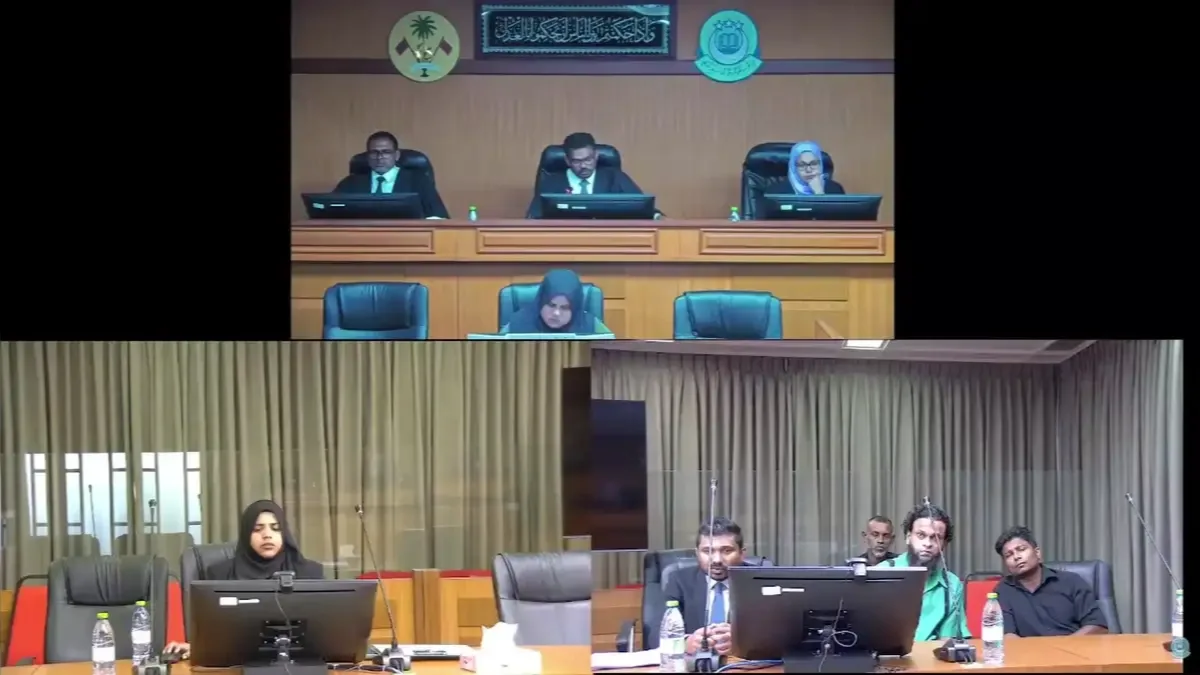
Thinadhoo Population Dispute: Court rules lawsuit against Mayor Saud can proceed under civil standards
10 ނޮވެމްބަރު 2026 | އަންގާރަ 11:43The Criminal Court has determined that the case against Thinadhoo City Mayor Saud Ali can proceed under civil standards after he pleaded not guilty to the charges. During the hearing, the presiding judge issued an order to protect evidence presented by the state and granted the defense the opportunity to submit their own evidence.

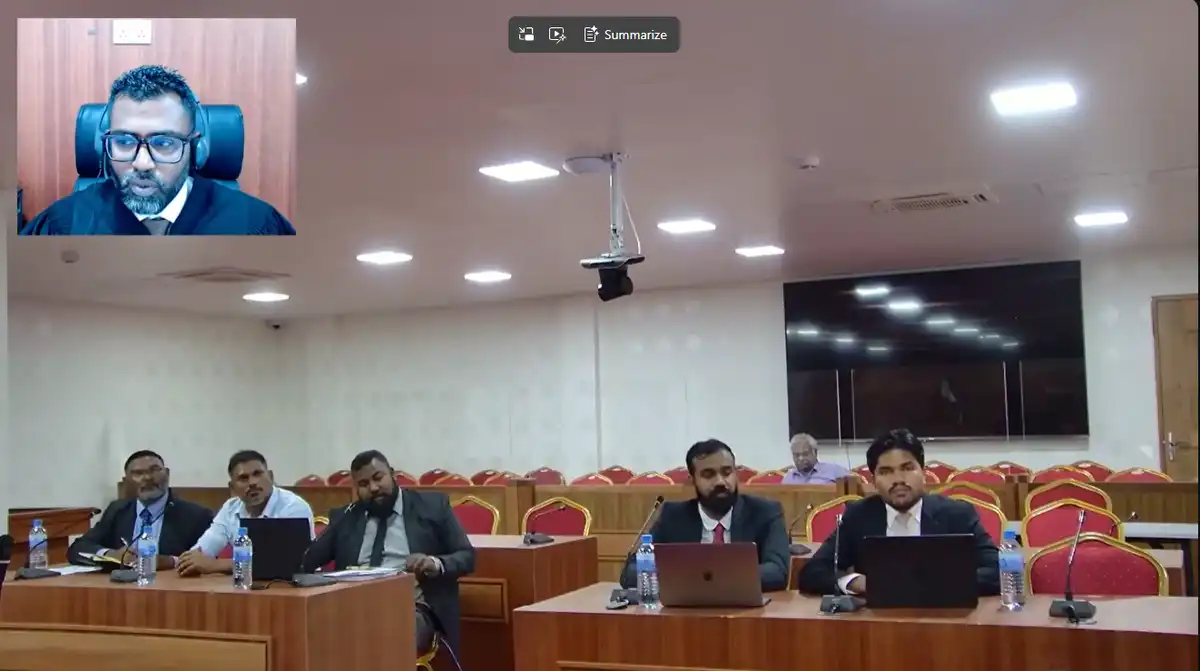
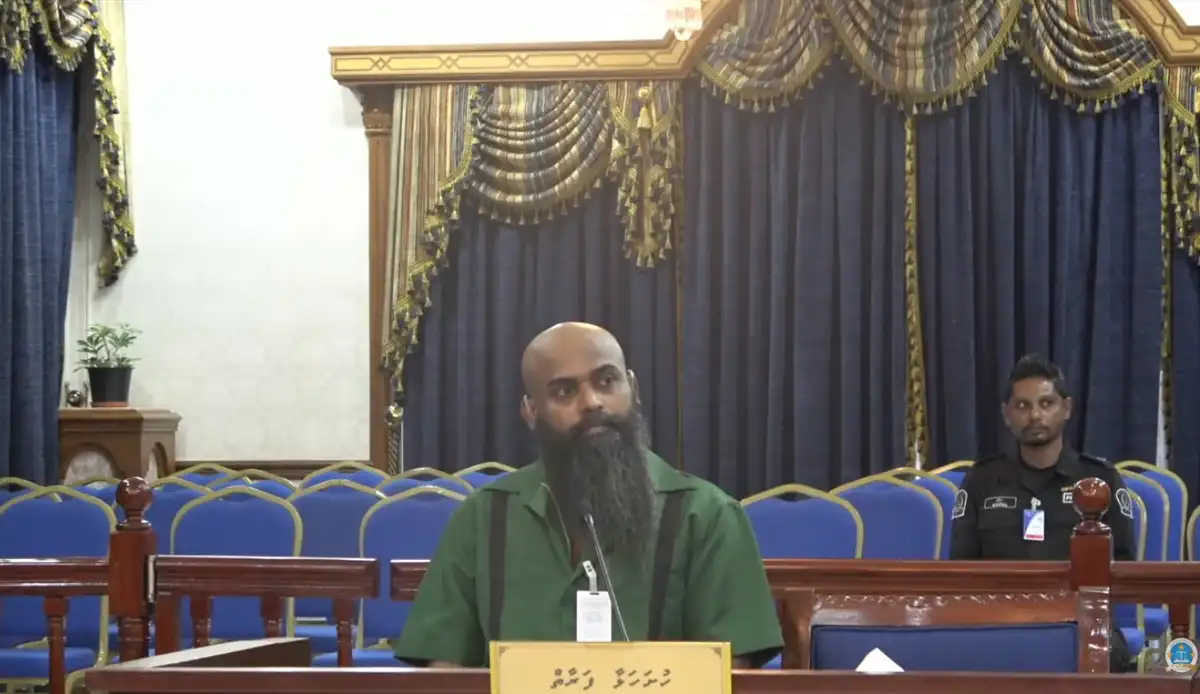
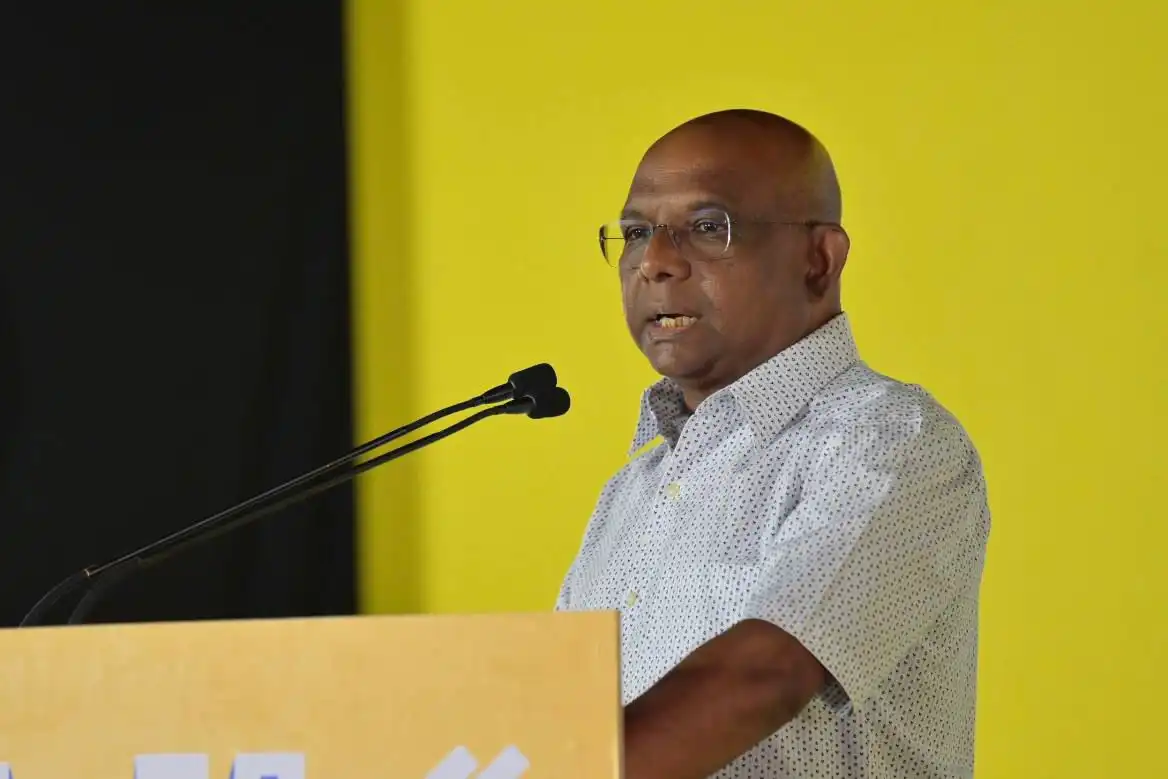
A court hearing has been held in the case against the Mayor of GDh. Thinadhoo, Saud Ali, who is accused of submitting fraudulent population data to state authorities in a bid to secure city status for the island. | Raajje MV
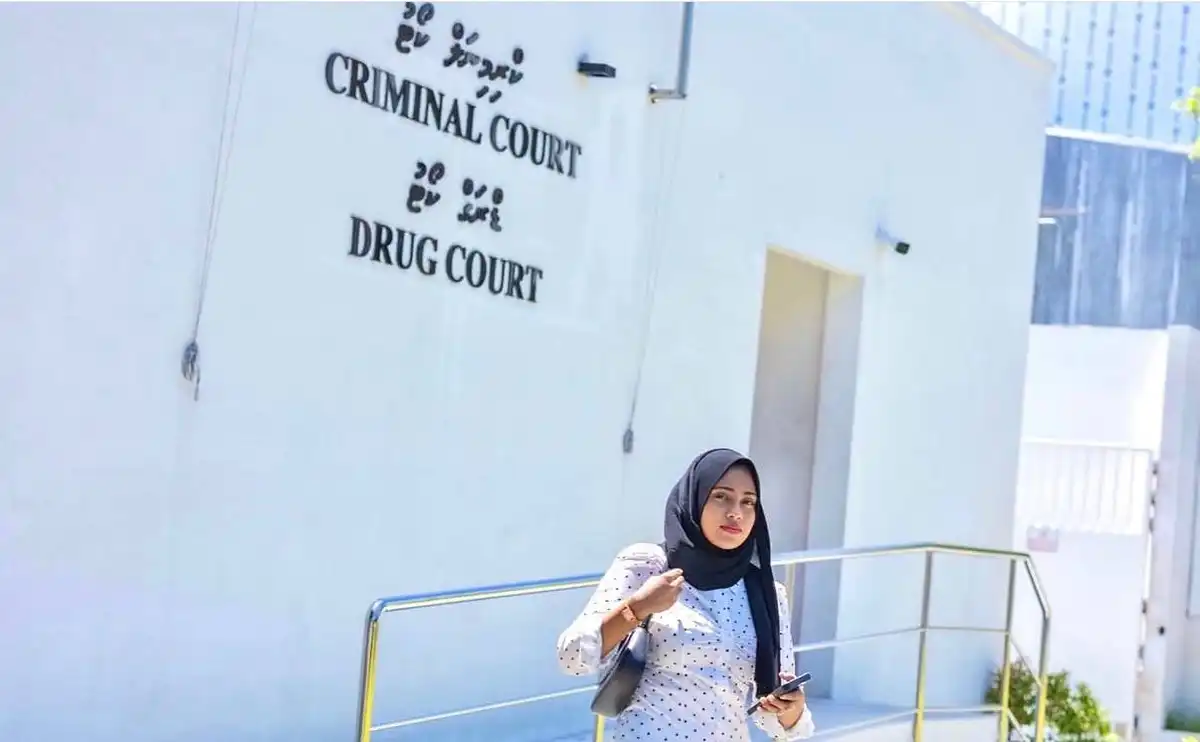
The Criminal Court on Tuesday held a hearing in the case against Thinadhoo Mayor Saud Ali, who stands accused of submitting fraudulent population data to state authorities in a bid to secure city status for the island.
During the most recent hearing of this case, presiding Judge Ahmed Shafiu granted Saud the opportunity to appoint legal counsel. Consequently, Mayor Saud attended Tuesday's hearing accompanied by his legal team.
During the hearing, the presiding judge proceeded with the section concerning the prosecution's request for a protective order regarding the evidence submitted.
In its request for a protective order, the prosecution has sought to secure the final report on the determination of electoral constituencies shared by the Elections Commission, along with the accompanying registry. Additionally, the state requested an order regarding a list of duplicate national identity card numbers uncovered during the investigation. This list was compiled on August 14, 2023.
Furthermore, the state has included a CD containing the population registry of Thinadhoo among the evidence for which it is seeking protection.
The prosecution stated that the request to protect these items of evidence is based on the inclusion of sensitive personal information and the risk of public exposure should the documents be released without restriction.
Consequently, the prosecution has requested a protective order for the evidence. Rather than providing copies to the defense, the state has proposed that the materials be made available for review and research within a controlled environment and to an extent determined by the court.
The defense noted that they do not object to the request made by the state.
Consequently, the judge issued a protective order for the three pieces of evidence, as requested by the prosecution, to a specified extent.
Following this, the state presented the formal charges against Saud in this case. The prosecution also detailed the specific penalties that would be imposed should he be found guilty.
In this case, Saud has been charged with knowingly providing a fraudulent document and providing false information to an official government agency.
Following the presentation of charges by the state, the defense counsel requested an opportunity to consult with the defendant before entering a formal plea. The lawyer noted that they had only been appointed to the case on Tuesday. Furthermore, the counsel emphasized that having adequate time to prepare before responding to the charges is a fundamental right.
The presiding judge stated that there are no legal impediments preventing the defendant from responding to the charges to the extent required under Article 107 of the Criminal Procedure Act. This specifically pertains to entering a plea of guilty or not guilty. The judge further provided a detailed explanation of the reasoning behind this decision.
Subsequently, the judge instructed the defendant to enter a plea against the charges.
Consequently, the defense has denied the charges filed in this case.
Following the defense's denial of the charges, the prosecution has disclosed its evidence. The witness list includes participants of the council meetings, as well as staff members from the President's Office and the Local Government Authority (LGA). Furthermore, the investigators involved in the case have also been presented as witnesses.
In addition, the state has submitted several pieces of documentary evidence. This includes lists shared by the Thinadhoo Council with the Local Government Authority (LGA), council resolutions, and minutes from a meeting held at the President's Office, among other supporting documents.
Based on the evidence and documentation submitted by the State, the presiding judge ruled that the charges filed in this case meet the civil threshold required to proceed.
Subsequently, the presiding judge granted the defense time to submit their evidence. The defense has been given until 1:00 PM on November 29, 2026, to present their evidence, while the deadline for filing pretrial motions has been set for November 25, 2026.
The next hearing for this case is scheduled for December 13.