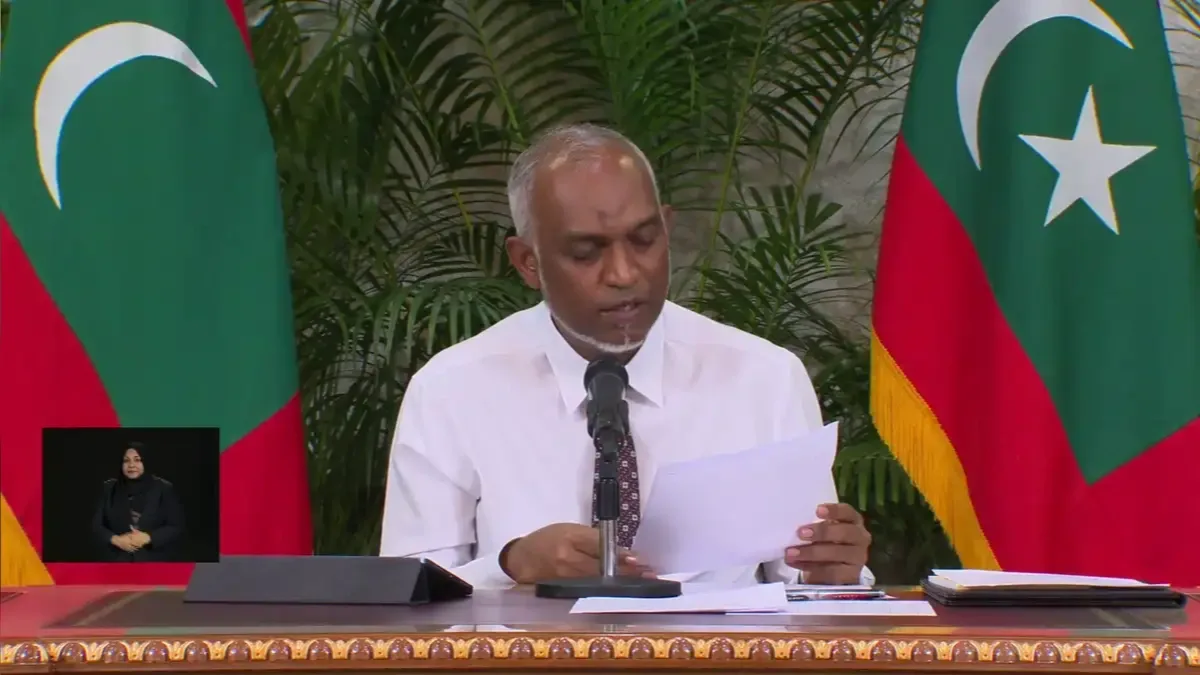
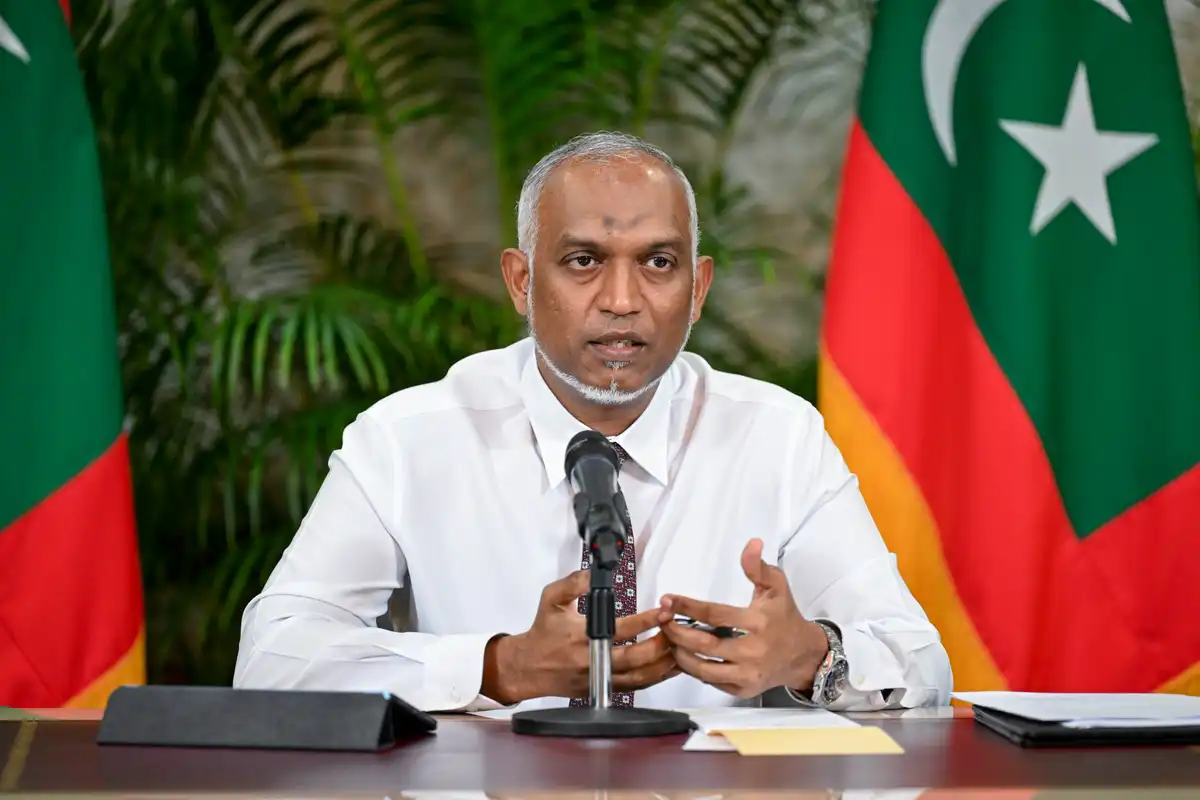
Court rules President Muizzu cannot be accepted as a witness in defamation case against "Adhadhu" editor while deciding that Eesha will be admitted as a witness
10 ނޮވެމްބަރު 2026 | އަންގާރަ 11:38The High Court has upheld the Criminal Court's decision to reject President Dr. Mohamed Muizzu as a defense witness in the defamation case against the editors of Adhadhu Online. However, the High Court ruled by a majority to allow the testimony of Aishath Eesha Ashraf, who appeared in the video report at the center of the case. This ruling grants the defense the opportunity to present Eesha’s testimony during the lower court proceedings.
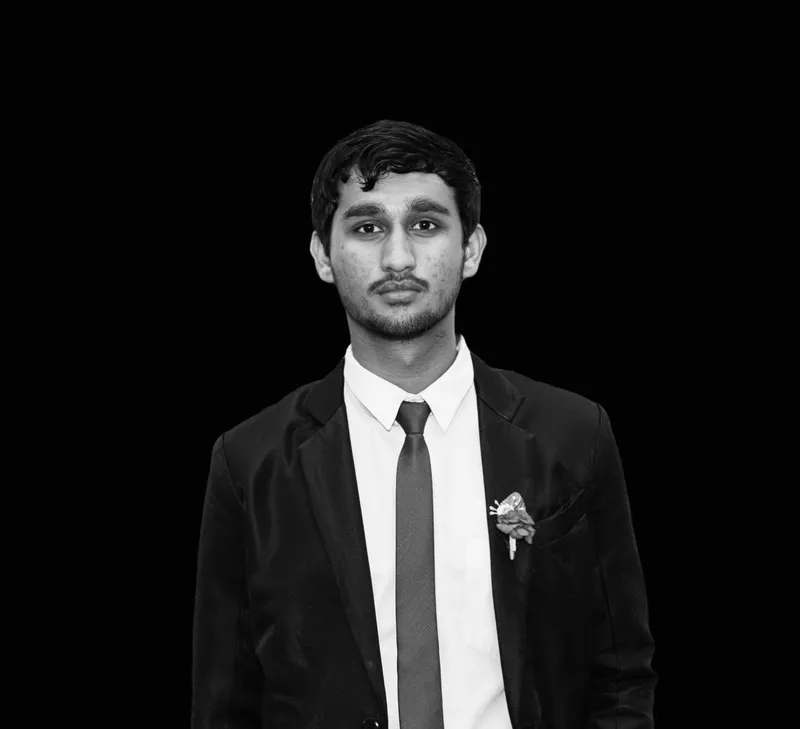
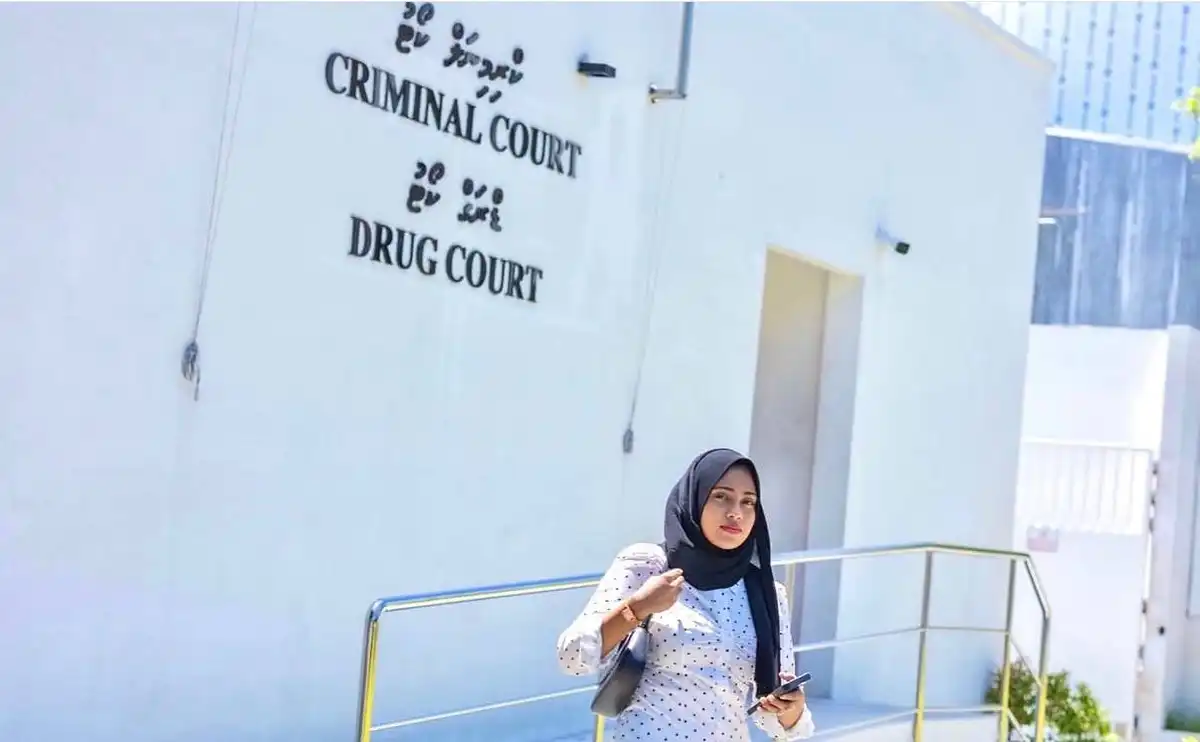
The court has ruled that President Muizzu cannot be accepted as a witness in the defamation case against the editor of "Adhadhu" online, while deciding that Eesha can be admitted as a witness. | Social Media
The High Court has ruled that President Dr. Mohamed Muizzu cannot be accepted as a witness in the defamation case against Adhadhu Online CEO Hussain Fiyaz Moosa and Editor Hassan Mohamed, though it affirmed that Aishath Eesha Ashraf may be admitted as a witness.
The High Court on Tuesday overturned a Criminal Court ruling that had rejected the testimony of a woman featured in a video report concerning President Dr. Mohamed Muizzu as a defense witness.
This case pertains to a High Court ruling on several pretrial motions appealed from a lower court, concerning criminal defamation charges filed by the state against the editor of the online news outlet "Adhadhu."
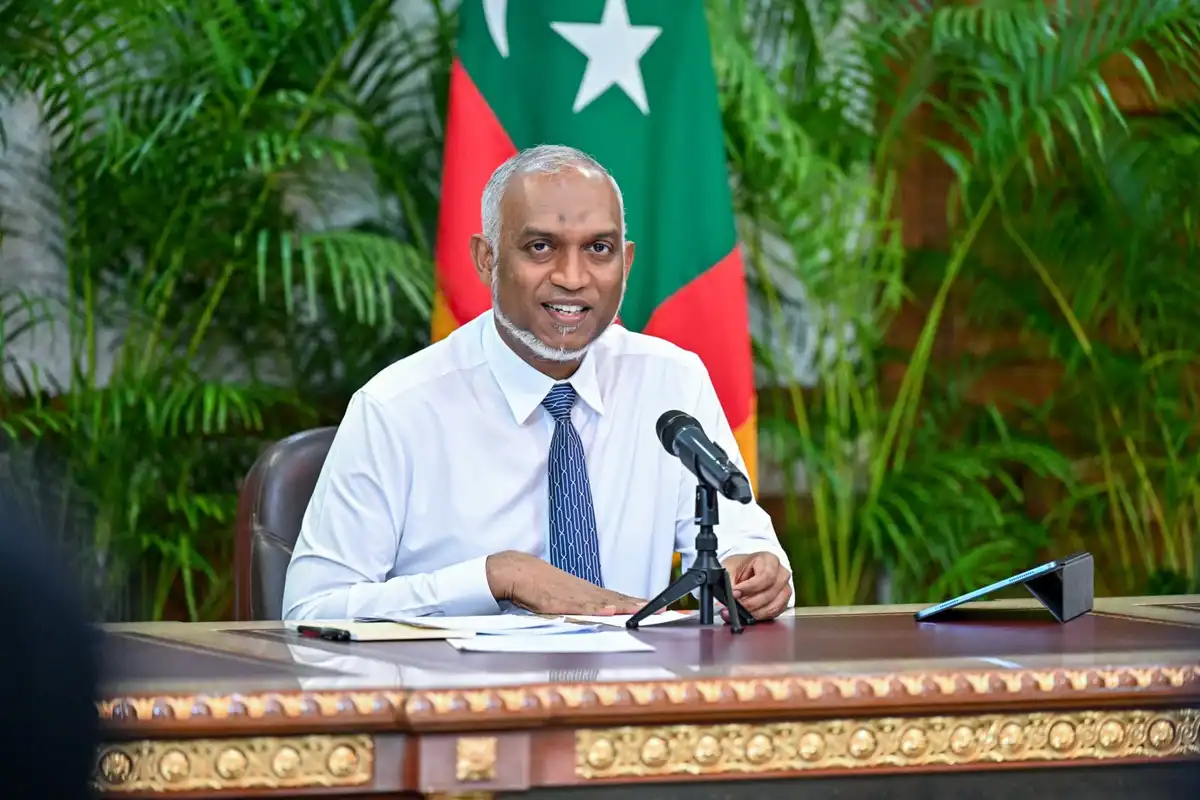
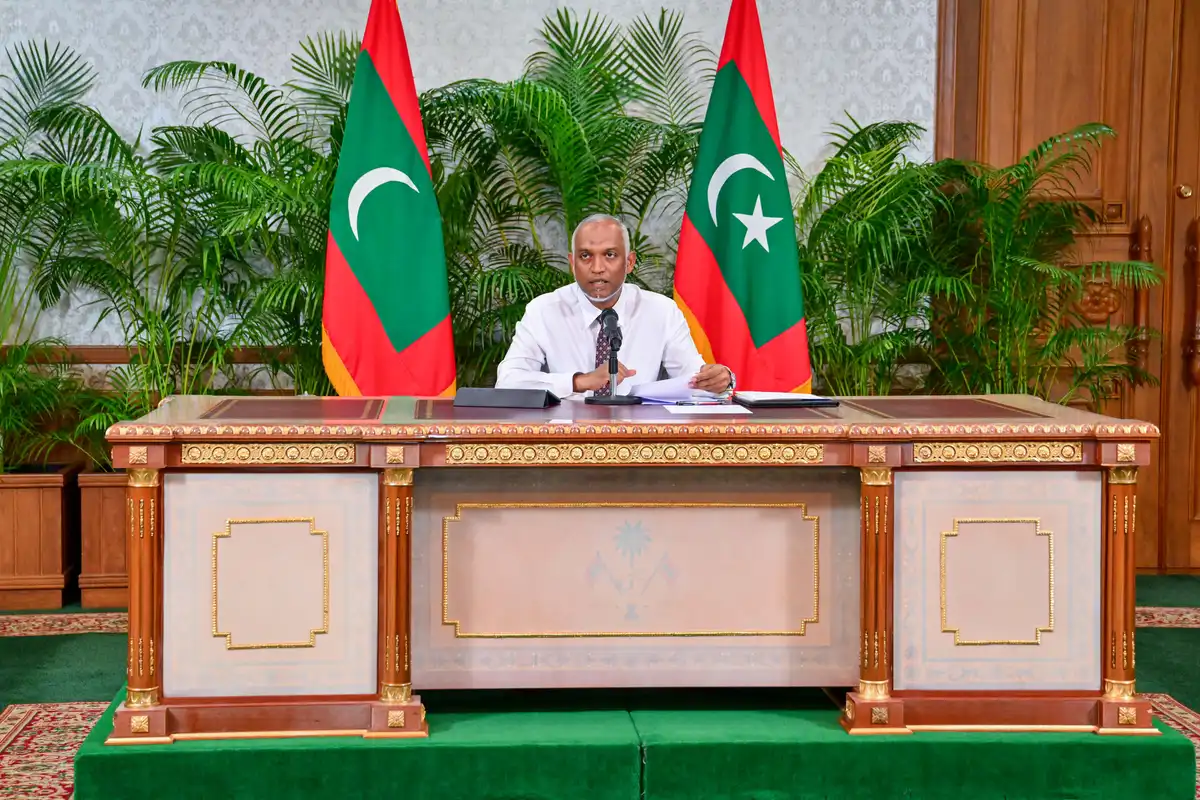
In this case, the appellate court reviewed the lower court's decision to reject two witnesses presented by the defense. The first of these witnesses was President Muizzu. The defense had moved to produce the President as a witness to verify the authenticity of a letter sent by him to the police and to demonstrate that the claims made within that letter were unfounded. However, a three-judge bench of the High Court ruled unanimously to uphold the Criminal Court's decision, concluding that the rejection of President Muizzu as a witness was legally sound.
The High Court's ruling stated that the reasons provided for summoning President Muizzu as a witness do not appear to be directly relevant to the charges in the case. The judges further noted that since the state does not dispute the authenticity of the letter in question, the defense failed to establish a legal basis for requiring President Muizzu's presence in court to verify the document.
However, the High Court has overturned the lower court's decision to reject the second witness produced by the defense, Eesha.
In its majority opinion regarding the matter, the High Court stated that since Eesha is directly linked to the original facts of the case, excluding her testimony could hinder the ability to build a proper defense. The High Court further ruled that a witness cannot be disqualified during the admissibility stage based on the potential weight of their testimony; rather, evaluating the credibility and weight of evidence is a matter to be determined by the presiding judge during the trial phase.
The High Court case was presided over by a bench consisting of Judge Huzaifa Mohamed, Judge Mohamed Shaneez Abdulla, and Judge Abdul Maaniu Hussain. Among them, Judge Shaneez issued a dissenting opinion, stating there were no grounds to overturn the lower court's ruling. However, the majority of the bench decided to uphold the Criminal Court's decision to accept Eesha's testimony and to reject President Muizzu as a witness.
This case stems from a defamation charge filed in the Criminal Court in May 2026. Following this High Court ruling, the defense will now have the opportunity to present Isha's testimony in the ongoing trial at the lower court.