Delayed verdict and never-ending excuses mock the very idea of real justice
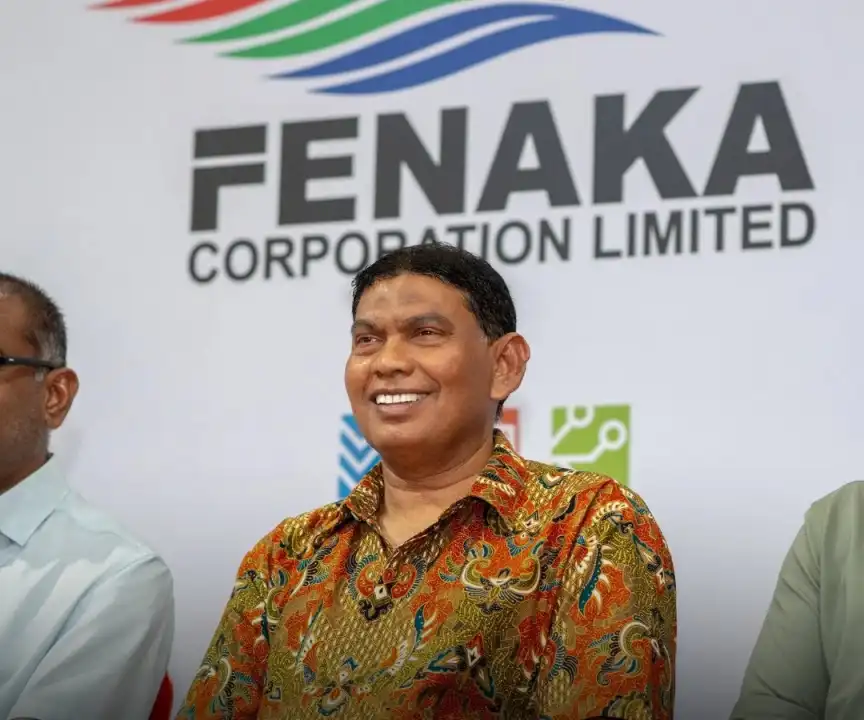
23 އޮކްޓޯބަރު 2026 | ހުކުރު 19:45While former Fenaka MD Ahmed Saeed is serving his sentence following a conviction, concerns regarding judicial equality have surfaced as sentencing for Dheena, who was also found guilty in the same case, continues to be delayed under the pretext of medical issues. Despite Saeed receiving a severe penalty for a decision made in the company's best interest and in accordance with legal counsel, there are widespread allegations that Dheena is being shielded due to her connections with influential government figures


While the heavy penalty imposed on Saeed was framed as a decision made in the company's best interest and in accordance with legal counsel, many allege that Dheena remains protected due to her connections with influential figures within the government | raajjemv
The whole premise of a functioning legal system rests on the notion that the law treats every citizen equally, but the ongoing spectacle surrounding the Fenaka Corporation corruption trial thoroughly shreds any lingering faith in judicial neutrality.
The public is right to scoff at a process where two people indicted under the very same docket, originally lined up for simultaneous sentencing, experience two radically different realities.
One suspect was sent to a prison cell twelve months ago, while the other spent an entire year watching their conviction drag through procedural delays.
Even when a guilty finding was finally squeezed out of the courtroom, their penalty was promptly shelved under a carousel of convenient excuses.
Case background and the delay in sentencing
The controversy centers on unlawful disbursements Fenaka allegedly handed to Blazon Inc. under a deal intended to polish the previous administration's public relations image back in 2018, before the vendor had even wrapped up the contracted tasks.
Roughly a year back, Fenaka's past Managing Director, Ahmed Saeed Mohamed, was convicted on these grounds and slapped with four years behind bars.
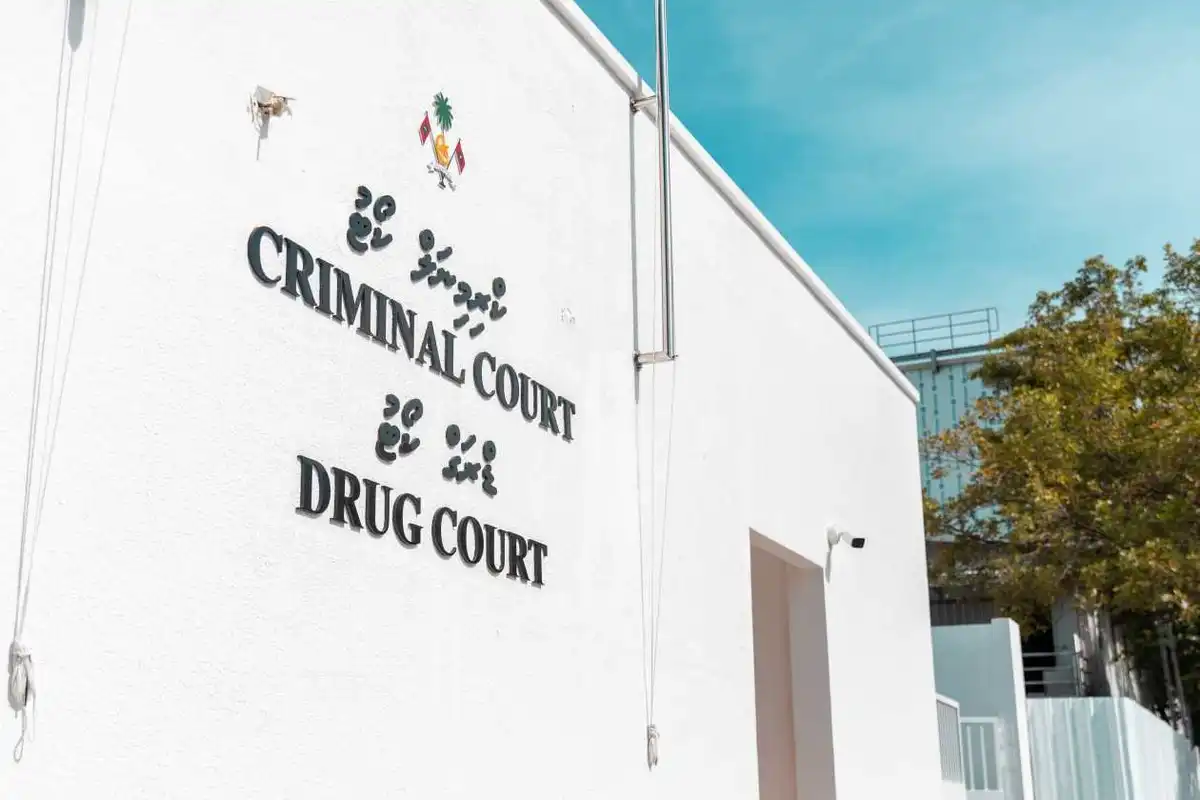
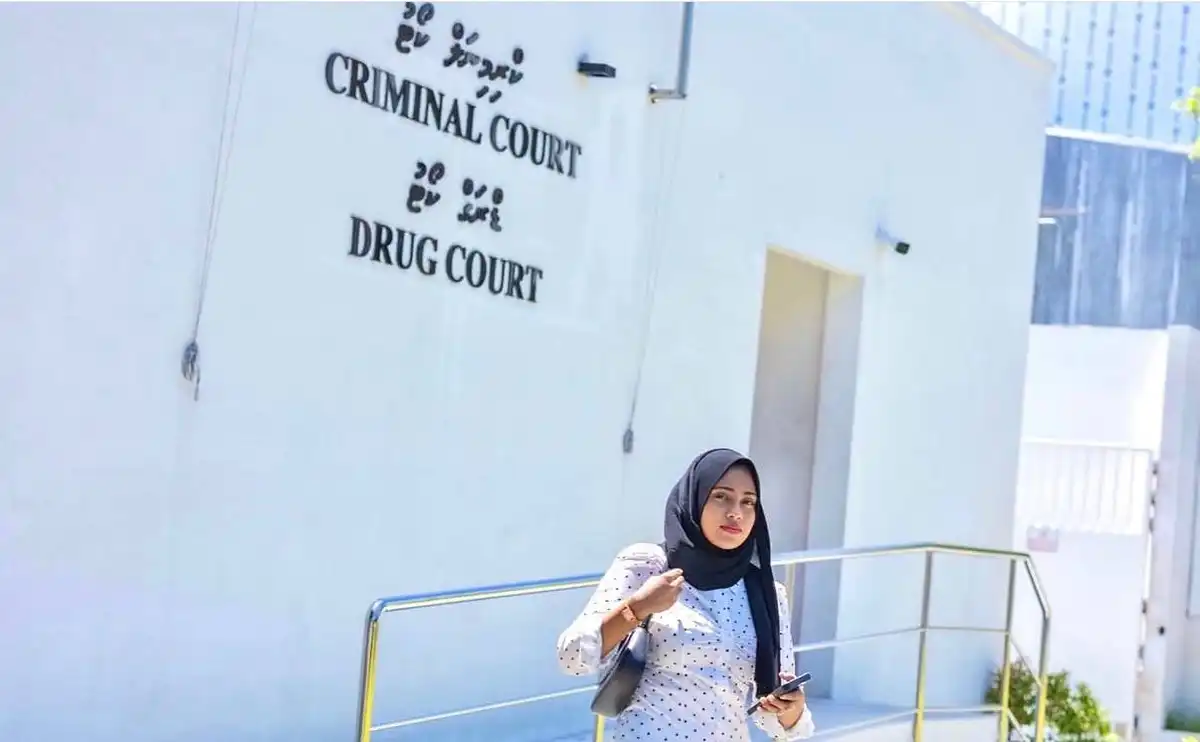
But on that same afternoon, the judiciary somehow managed not to settle a verdict for his co-accused, Dheena. Following a painfully dragged-out cycle, the Criminal Court eventually concluded that the allegations against Dheena stood proven. Still, the bench declined to pronounce any sentence during that session.
Court officials then penned in Dheena’s sentencing for 20 October 2026, at 10am. In a predictable fashion, that session vanished from the calendar as well. Correctional authorities justified the halt by notifying the bench that Dhena had checked into a hospital bed and was physically unavailable for transport to the dock.
Taking the cue, the judges announced that her sentencing would simply remain on ice until hospital staff sign off on her release.
This string of maneuvers has predictably ignited public outrage. Citizens openly charge that Saeed caught a fast track to prison a year back while Dheena enjoys endless reprieves courtesy of her familial ties to a heavy-hitting cabinet minister allied with President Muizzu.
Speculation that Dheena personally bragged about being beyond the reach of the law has only cemented the public's conviction that political strings are being yanked behind the curtain.
The reality of Saeed’s case: a rushed and unjust decision?
Scrutinizing the timeline exposes the sheer absurdity of Saeed’s treatment. The controversial arrangement with Blazon was drafted before Saeed ever stepped into the executive suite at Fenaka, having already ground to a halt under an uncooperative former leadership.
Multiple payments tied to the deal had already traded hands prior to his arrival, leaving him with the institutional mess to clean up as incoming chief.
Fenaka’s own in-house lawyers explicitly counseled that settling was the enterprise’s best avenue to mitigate exposure and protect corporate rights. Legal advisers cautioned that refusing an agreement would push Blazon to sue for heavy damages, swelling the utility firm's financial exposure.
Written documentation proves beyond dispute that Saeed sanctioned the settlement strictly pursuant to that formal legal guidance, aiming to safeguard the firm's bottom line in exact alignment with standard operating procedure across state agencies and state-owned entities.
Despite sworn testimony verifying this advisory trail, and despite zero proof indicating personal enrichment, illicit motives, or criminal intent, the bench cast every shred of exculpatory evidence aside.
Prosecutors sought a modest term of one year and seven months, but the judge weaponized judicial discretion to throw a brutal four-year sentence at Saeed in a display that bore all the hallmarks of a rushed hit job.
Influence and corruption within the judicial system?
The landscape this leaves behind is bleak. It proves that the entrenched habit of rationing justice for the favored few while weaponizing it against everyone else remains thriving and well.
One defendant, cornered by raw personal vendettas, saw his conviction fast-tracked straight into a prison cell, while his co-defendant basks in blatant institutional shelter.
No observer looking at this circus can seriously wonder whether an apparatus so saturated with disparity and double standards can ever produce an ounce of genuine fairness.