Stranded families forced to wait for daily limits while chasing life-saving care abroad
20 އޮކްޓޯބަރު 2026 | އަންގާރަ 00:12Families seeking medical treatment abroad are expressing deep concern over significant difficulties in making payments via BML cards, forcing many to seek financial assistance from external sources. As the shortage of US dollars hinders access to essential healthcare, the public is calling for more convenient arrangements within the banking system to facilitate such critical medical needs.

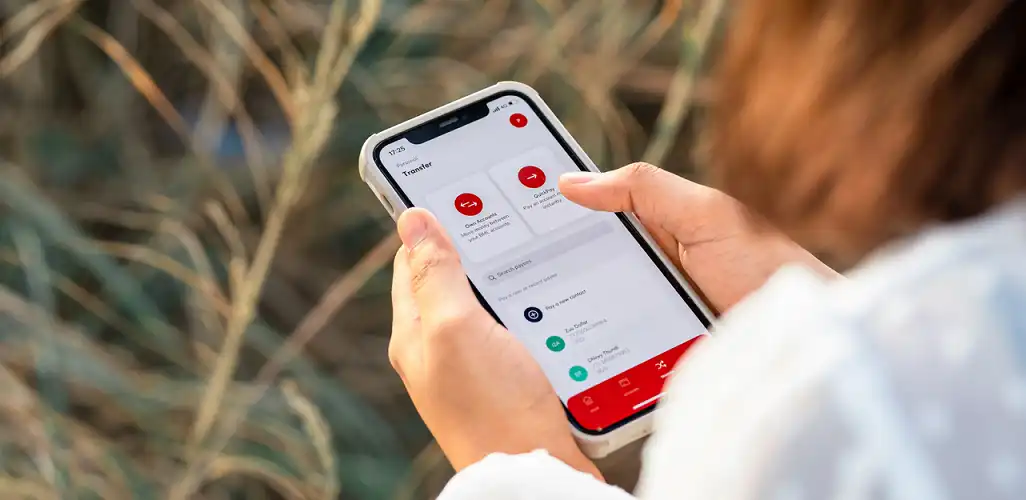
A woman uses BML's online banking service. | BML
A mounting wave of bitter grievances is sweeping through Maldivian households stranded at foreign medical centers, where the simple act of swiping a Bank of Maldives (BML) card has degraded into a bureaucratic trial that strips citizens of their most fundamental entitlements.
Anxiety is rapidly turning into fury across the public sphere, especially for guardians of sick children and patients tethered to chronic treatment regimens. Digital payment after digital payment gets kicked back into the void, leaving vulnerable patients with no alternative but to grovel before strangers on foreign soil just to foot their clinical bills.
Consider the sheer indignity endured by a household whose fragile infant relies on an Indian specialist visit every fortnight. Every desperate attempt to clear the physician's charges through their national bank card triggers an immediate rejection. Their humiliating workaround has been to solicit charity and plead for relief from local inhabitants and everyday laborers in India. This solitary ordeal lays bare the agonizing, exposed reality that everyday citizens are forced to navigate when seeking basic care abroad.
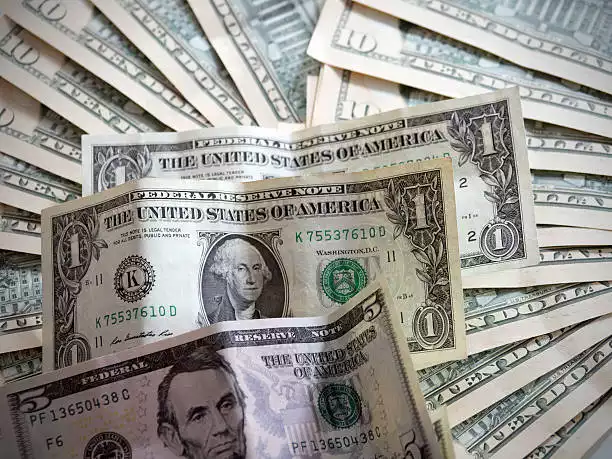
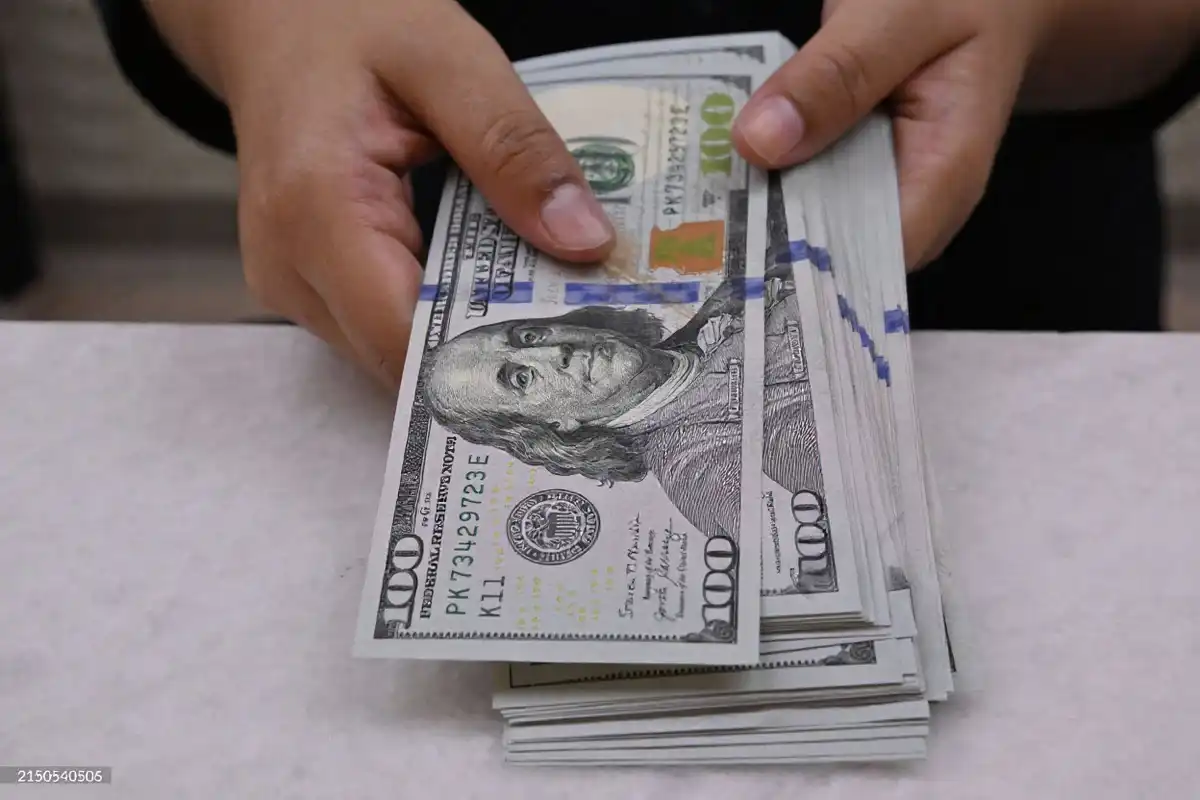
The institution’s grand solution to life-or-death crises borders on dark comedy: patients are nonchalantly instructed to sit tight until seven in the morning for their card caps to refresh, or magically route their funds through an elusive U.S. Dollar account.
Stranded relatives correctly point out that pressing a pause button on critical pediatric emergencies until morning is an unhinged demand, particularly when scoring greenbacks at home is already an uphill struggle for the common citizen. Because these transactions directly tether to the primal right to exist and heal, people are rightly demanding a functional, friction-free mechanism rather than an algorithmic roadblock.
Those left out in the cold reiterate that these funds are not covering lavish shopping sprees or corporate ventures; they are fighting for basic human survival.
Naturally, this farce forces the public to cast a skeptical eye directly toward the state and its toothless regulatory bodies. The widespread consensus is that officialdom has completely bungled its duty to engineer real, pragmatic remedies while its people bleed dignity in hospital lobbies abroad.
The groundswell of outrage demands an uninterrupted overseas settlement network recognized as an undeniable, baseline entitlement.
At present, the public’s loudest insistence is for the monetary apparatus to smooth out pathways to vital healthcare and eliminate this pathetic reliance on foreign hand-outs.
The populace insists on resilient economic frameworks that place living, breathing human welfare above red tape.
Yet one hollow question lingers in the air: are the comfortable figures in executive power even bothering to pay attention, or will these raw cries for help simply evaporate into the corridors of authority?