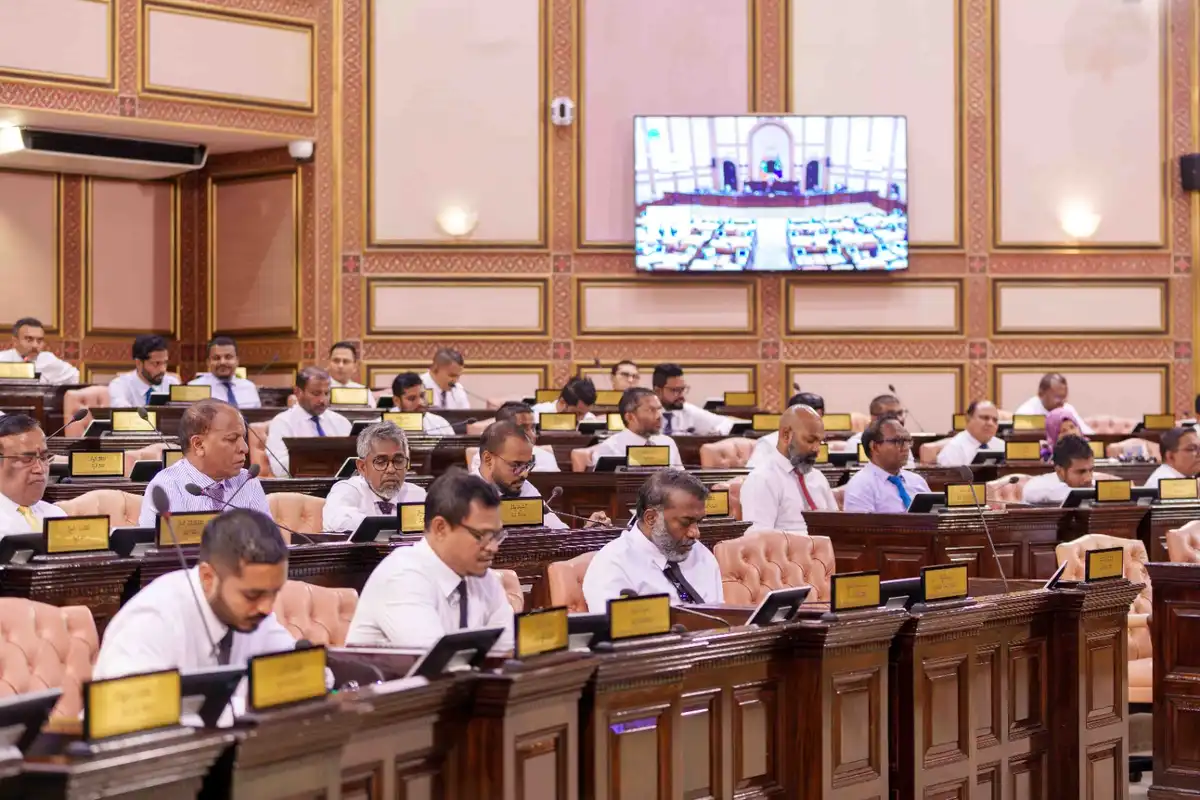
Government implements major changes to foreign exchange regulations as usable reserves decline
16 ސެޕްޓެމްބަރު 2026 | ބުދަ 08:10In response to declining usable reserves, the government has enforced new regulations requiring businesses to exchange foreign currency through local banks to boost forex inflows and curb the black market, with heavy penalties established for non-compliance.

Maldives Monetary Authority (MMA). | Raajje MV
In response to the decline in the Maldives' usable official reserves, the government has introduced significant amendments to foreign exchange regulations aimed at increasing dollar inflows and stabilizing the market.
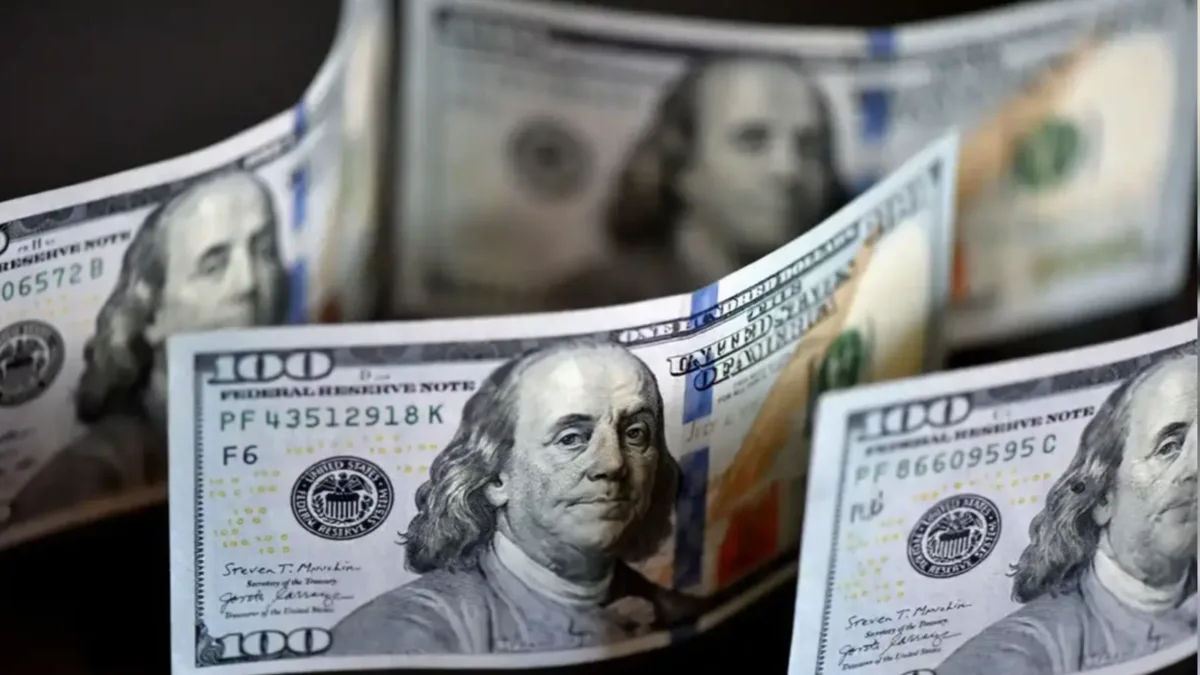
According to the latest statistics released by the Maldives Monetary Authority (MMA), the country's total official reserves rose by 0.9 percent in August, increasing from USD 638 million to USD 643.8 million. However, the "usable reserves"—funds readily available for essential imports such as food, fuel, and medicine—declined by 9.6 percent. This figure dropped from USD 221.9 million to USD 200.6 million.
The primary reason for the decline in usable reserves is a 13.4 percent increase in foreign currency sales by the Maldives Monetary Authority (MMA) to commercial banks in August compared to July. This intervention, aimed at alleviating the prevailing dollar shortage in the market, occurred during a period when foreign currency revenue collected by the state through the Maldives Inland Revenue Authority (MIRA) saw a 14.3 percent decrease.
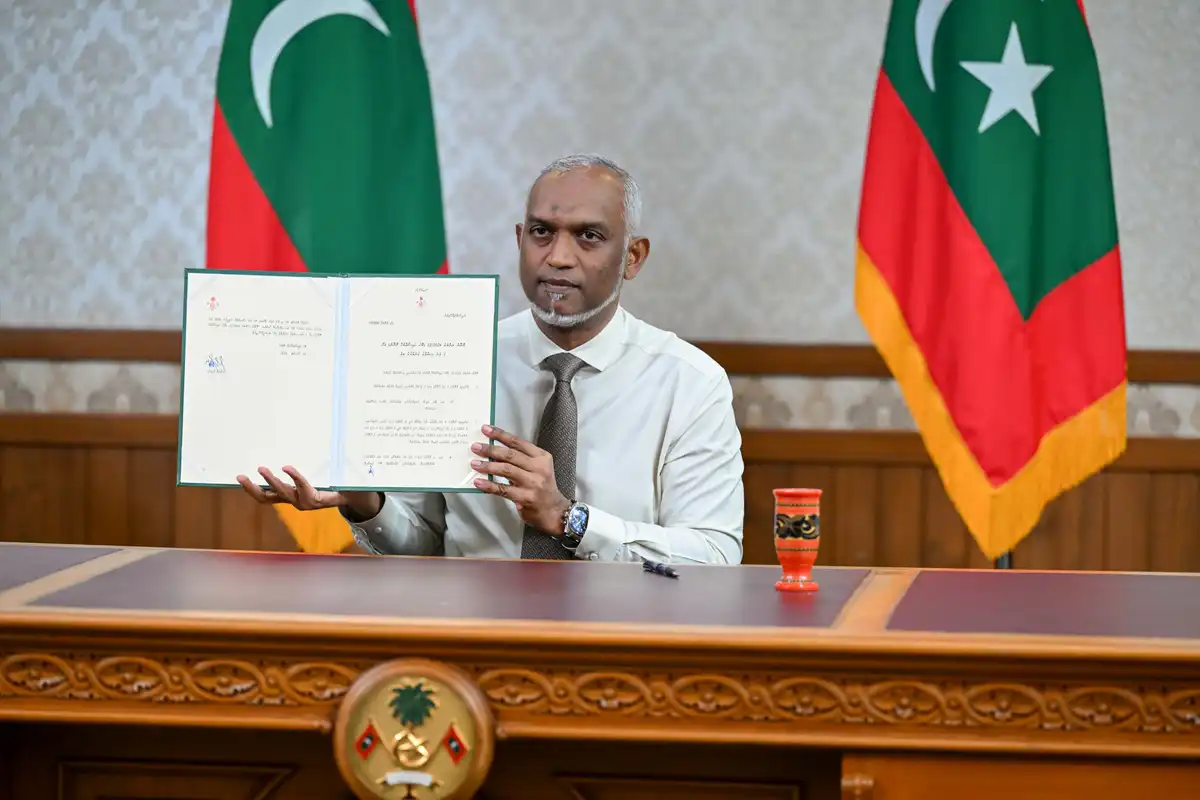
To overcome the current situation and ensure the nation's financial security, President Dr. Mohamed Muizzu's administration has introduced significant amendments to the foreign exchange regulations, effective from October 1.
Under the new regulations, resorts, integrated resorts, and private islands categorized under 'Category A' are now required to convert 40 percent of their monthly foreign currency earnings through banks, a significant increase from the previous 20 percent requirement. Additionally, the threshold for high-revenue businesses in non-tourism sectors has been raised from $15 million to $25 million per year. While these foreign-owned entities are also mandated to convert 40 percent of their earnings, the government has provided concessions for wholly Maldivian-owned companies, requiring them to convert only 7 percent of their total revenue.
Furthermore, guesthouses, hotels, and safari vessels categorized under 'Category B' are now required to exchange either $25 per tourist or 20 percent of their total monthly revenue through the Maldivian banking system.
Under these new measures introduced to curb the black market, it is strictly prohibited for any party to advertise foreign currency exchange at rates higher than the official exchange rate or to publicly publish black market rates. Furthermore, stringent penalties have been established for violations of these regulations. Individuals found in breach may face fines of up to MVR 500,000 (five hundred thousand), while business entities could be fined up to MVR 5,000,000 (five million).
Financial experts anticipate that the changes implemented by the government will bolster the state's reserves and increase the volume of US dollars flowing into the Maldives' banking system.