Developing other sectors without overburdening tourism industry is more crucial: Suood
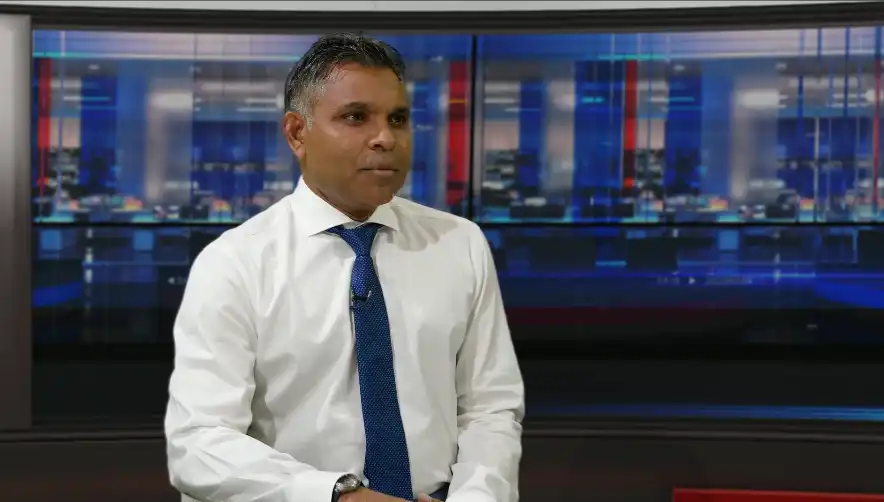
4 ސެޕްޓެމްބަރު 2026 | ހުކުރު 15:01Abdulla Suood, the Secretary General of MATATO, has urged the government to diversify the economy and reduce its heavy reliance on tourism for state revenue. Expressing concern over the new foreign exchange regulations, he emphasized that economic challenges should be addressed by curbing wasteful government spending and engaging in meaningful consultations with relevant stakeholders.

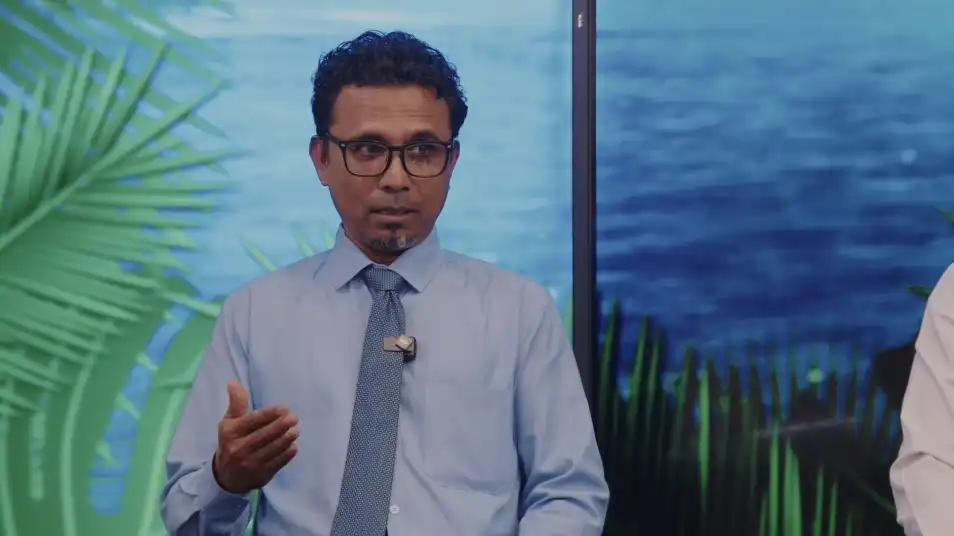
Abdulla Suood, Secretary General of MATATO. | RaajjeMV
Abdulla Suood, the Secretary General of the Maldives Association of Travel Agents and Tour Operators (MATATO), has stated that it is more crucial to develop other sectors rather than increasing the burden on the tourism industry.
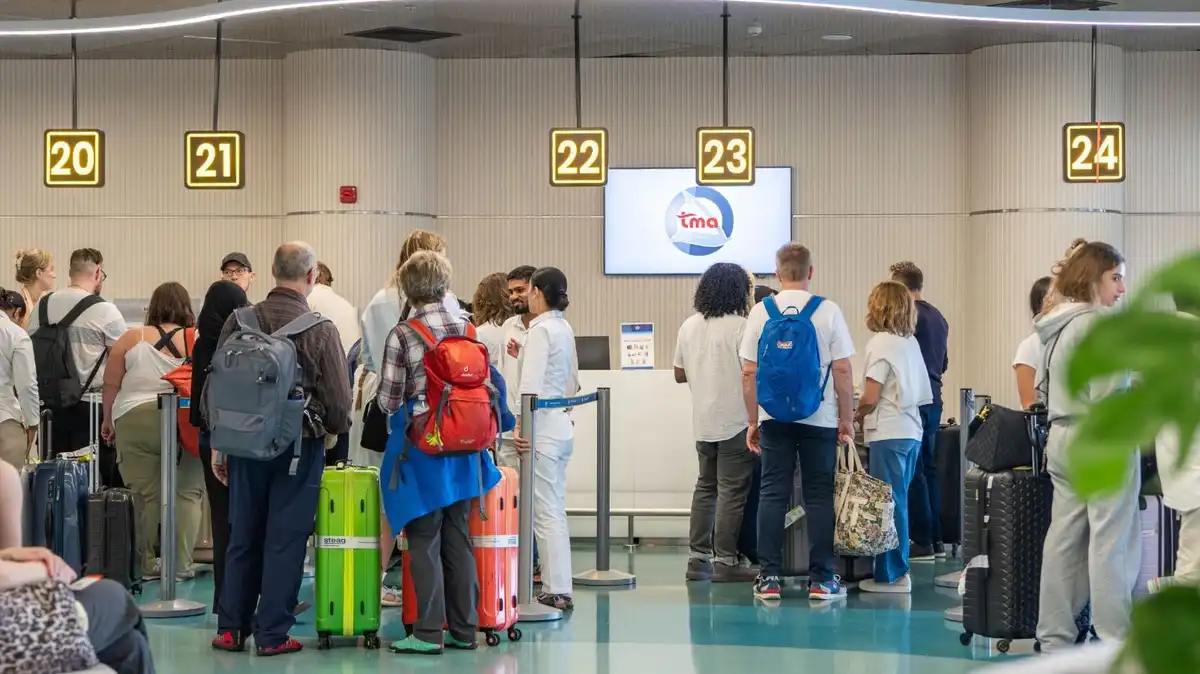
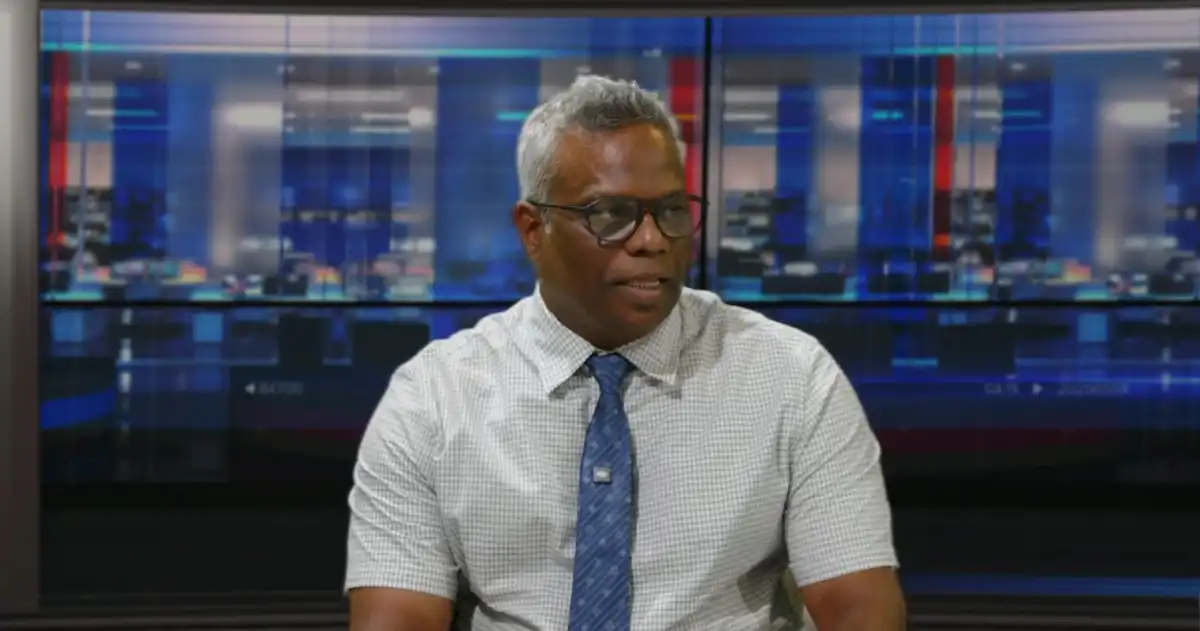
Speaking during RaajjeTV’s 'Dollar Debate,' Suood highlighted the government's heavy reliance on the tourism sector, noting that 75 percent of state revenue is derived from this industry. He criticized the government for failing to explore alternative avenues for generating state income. Furthermore, he pointed out that no revenue-generating mechanisms have been established within the newly introduced terminal at the airport.
Tourism accounts for 75 percent of our GDP, and when considering indirect contributions, this figure rises to 80 or 85 percent. The government has become entirely dependent on the tourism industry, failing to explore alternative revenue streams. For instance, the new airport terminals lack established facilities for revenue generation. Furthermore, a significant portion of the VIP services remains exclusively reserved for Members of Parliament.Abdulla Suood
Suood stated that exporting canned fish to foreign markets through Maldivian ports would generate additional foreign currency for the country. However, Suood noted that the government has not undertaken any efforts to develop such facilities.
President Dr. Mohamed Muizzu has ratified a law mandating resorts to exchange 40 percent of their foreign currency earnings into local currency. Highlighting this development, Suood stated that it is crucial to consult with relevant stakeholders when implementing such significant changes. He noted that the previous administration held extensive discussions with industry players before increasing the Tourism Goods and Services Tax (TGST).
In their published 2025 annual reports, the IMF and the World Bank stated that the Maldivian state would not face a foreign exchange shortage. However, Suood noted that the current economic decline and worsening foreign currency constraints are a direct result of the government's excessive and wasteful spending.
Wasteful spending must be stopped. For instance, foreign currency is being poured into projects such as the reclamation of Giravaru and Gulhifalhu. These are the primary reasons behind the current dollar shortage. The IMF is scheduled to release its report in November, followed by the World Bank around January. Even in their reports from last year, it was noted that the Maldives faced no shortage of foreign exchange.Abdulla Suood
The Maldives' economic situation has been deteriorating significantly under the current administration of President Muizzu. In an effort to address these challenges, the President has ratified a regulation mandating resorts to convert 40 percent of their foreign currency earnings into local currency. However, the ratification of this regulation has sparked widespread concern within the tourism sector, with many industry stakeholders voicing their criticism of the government's decision.