"My beloved little heart! my dear child!": Ashraf’s poignant poem on little Zeeva’s passing moves many to tears
2 ސެޕްޓެމްބަރު 2026 | ބުދަ 08:57The poignant poem penned by Ashraf Ali in memory of nine-year-old Zeeva Sinan Ahmed, who tragically lost her life in a severe accident in Hulhumalé, has deeply touched the hearts of many. The poem profoundly captures the agonizing grief experienced by parents upon the loss of a child and reflects on the bright dreams she once held. Published at a time when the entire nation is mourning Zeeva’s passing, this moving tribute has evoked a widespread emotional response across the community

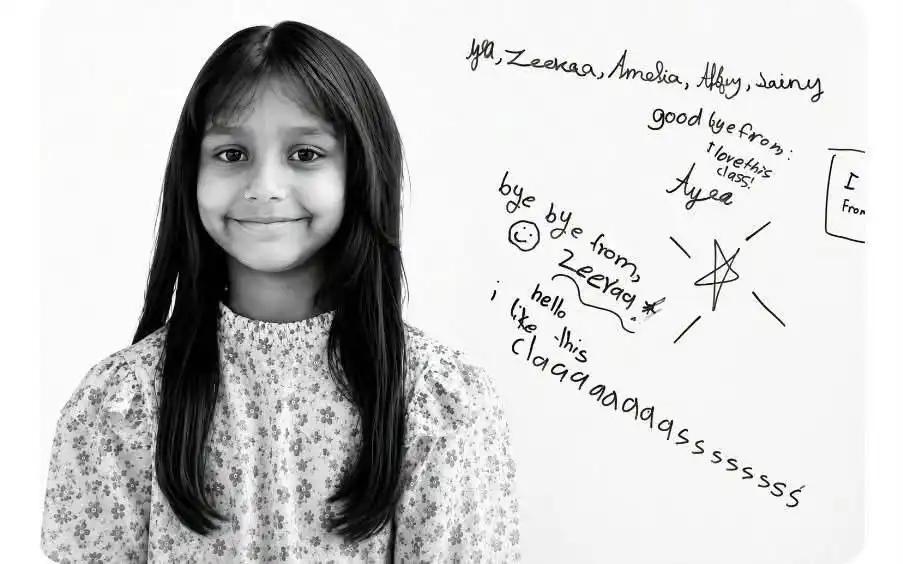
Little Zeeva: Ashraf publishes poignant poem following her passing | Social Media
The recent barrage of grim headlines has become almost unbearable for any human conscience to swallow.
Our collective psyche was first assaulted by the sickening revelations of a young girl subjected to sexual abuse at the hands of her biological father, revolting details so heavy that merely skimming the article felt like an intolerable weight.
Right behind that horror arrived the devastating confirmation that nine-year-old Zeeva Sinan Ahmed had lost her fight for survival; she succumbed to catastrophic trauma sustained in a violent collision in Hulhumalé Phase II on a recent Thursday night, despite being kept on life support via a ventilator.
Then came the next horrific incident where a two-year-old toddler fell to her death from a STELCO residential flat, also in Hulhumalé Phase II.
This grim parade of misery feels suffocatingly endless.
Out of this swamp of heartbreaking news emerged a piece of verse penned by Ashraf Ali. Released as a raw outpouring of the personal devastation he carried while remembering little Zeeva, the composition is a tour de force, profoundly gut-wrenching.
Bearing the bleak title "The Sudden Farewell of a Beloved Child," every single line bleeds with the distress and torment experienced by anybody exposed to it.
Within this work, Ashraf addresses the lost girl with staggering tenderness, describing her as his "beloved little child," a pure "innocent soul," and a "guiltless, beloved light."
His verses reflect upon what constituted a father’s long-term vision and the living pulse beating inside a mother’s chest, crying out: "My beloved little heart! My dear child!"
Chronicling how this sudden exit has completely wrecked the spirits of both parents, the writing illustrates how their consciousness is plunged into dark despair each time the sequence of that catastrophe flashes across their thoughts.
The piece lays bare, through cutting vocabulary, the unchecked weeping that erupts whenever those grim mental pictures re-emerge. It is precisely this lack of artificial pretense that cuts straight to the core of the reader.
Throughout the verses, Ashraf endlessly summons the departed infant, desperately speaking to that tiny spirit:
"My dear child! My beloved little heart!"
The composition details how every waking second of the parents' reality remains completely trapped within the child’s shadow.
The lines capture the indelible imprint of her spirited antics, her affectionate grins, and the subtle gestures of her little hands, all of which continue to dominate their barren lives.
Every single recollection, spanning from ordinary daily routines to the most gut-wrenching encounters, is sketched so vividly that reality materializes before our eyes.
Ashraf notes that each perimeter wall of their residence and every corner of her personal quarters remains suffocated by her lingering essence, bitterly observing that the melodies echoing yesterday have turned into hollow silence today.
The household stands abandoned in spirit, reduced to an empty, quiet wasteland. The overwhelming avalanche crashing down on the spirit is laid out with chilling accuracy:
"My beloved little heart! My dear child!"
A singular realization echoes relentlessly throughout the poem: this abrupt departure has utterly shattered the hearts of both mother and father. He cries out once more:
"O sweet, tiny soul! My dear child!"
With boundless tenderness, the composition articulates how the father, and subsequently the mother, will still be the ones stepping up to tuck her into bed and bestow a parting kiss goodnight upon her pillows.
But it confronts the bitter truth: what scrap of meaningful existence remains in this cruel world without her? Documenting the parents' current hell, the poet notes that they now find rest exclusively upon a mattress woven of their own tears.
Once again, the verses plead directly to the girl, interrogating the harsh reality of whether she has vanished forever. The poem dredges up the lost dreams and affectionate promises she once made, specifically pointing to her lofty childhood goal of qualifying as a physician.
It remembers her vow that, once she became a doctor, she would be the one nursing and caring for her father. The lines also touchingly recount her fantasy of taking to the skies as a licensed pilot, flying her mother and father up into the clouds.
Remarking on her fierce hunger for study, the stanzas recall her earnest pledge to triumph over everyone else and earn the title of "Best All-Round Student" within her school walls. But alas, cruel reality intervened.
Ashraf’s devastating verses declare that any resurfacing reminder of the little girl unleashes an extraordinary tempest across the chest.
He frames this parental devastation as an eternal desert that will stubbornly endure right up until the Day of Resurrection, laying out a caliber of suffering deep enough to wring tears from stone.
The poem conjures the mental image of her innocent gaze and precious features motioning a final farewell.
A final desperate plea rings out directly to the absent child: "My child, take your father with you. Take your mother with you too."
While the final line has been read, the literary work has ripped open public emotion and drawn tears from countless onlookers.
These stanzas are destined to remain permanently burned into public consciousness.
Ashraf framed this text as a pure release of the unbearable torment that crushed him when contemplating young Zeeva.
Through this singular arrangement of lines, he has channeled the visceral hell that countless mothers and fathers are forced to shoulder in this grim present.
It has, beyond question, broken hearts wide open and reduced society to tears.