Legal Barriers Removed for Resort Waste Transport and Permitted Hazardous Waste Sales
24 އޯގަސްޓު 2026 | ހޯމަ 10:56Following recent amendments to the Waste Management Act, legal barriers preventing the transfer of waste from resorts and industrial islands to waste management centers on inhabited islands have been removed. Furthermore, while the general ban on importing waste into the Maldives remains in effect, the new revisions introduce provisions to sell and utilize hazardous waste under specialized permits.
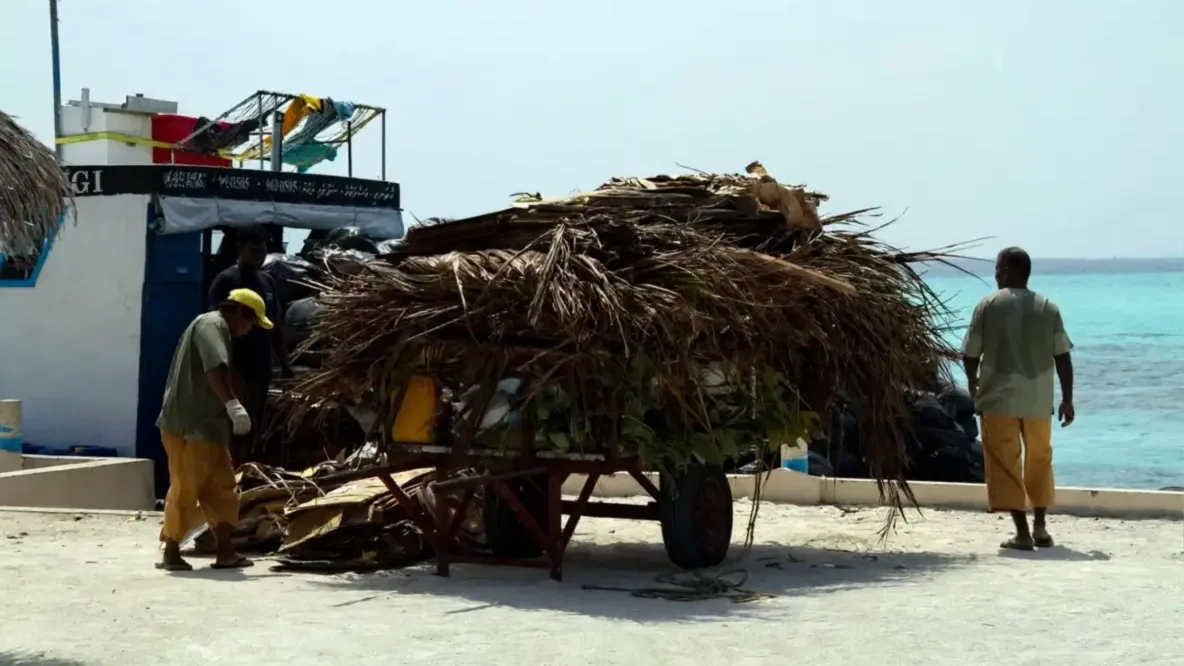
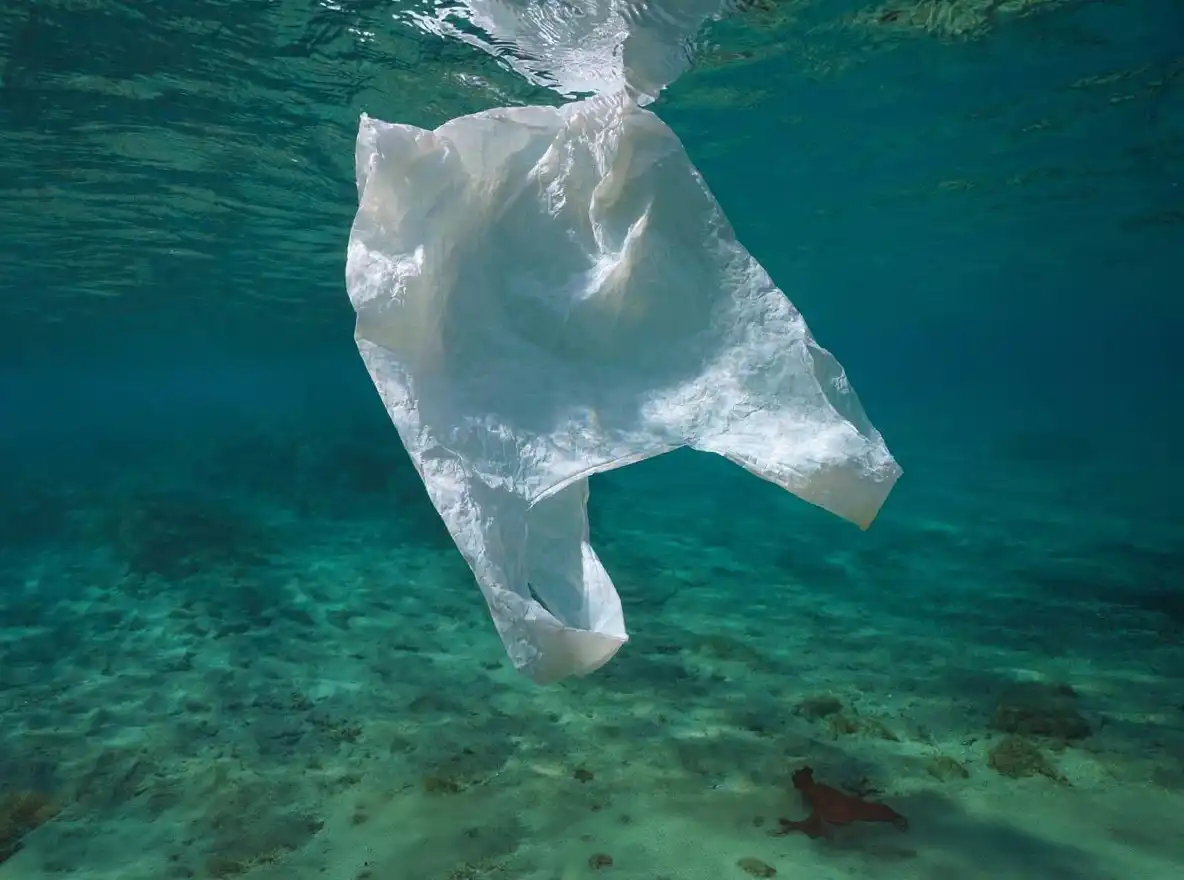
Waste being loaded onto a boat at a Maldivian resort. | Alamy
The administration of President Dr. Mohamed Muizzu has eliminated the legal barriers prohibiting the transport of waste from resorts and industrial islands to inhabited islands through a newly enacted legislative amendment.
It is legally prohibited to transport waste from resorts and industrial islands to inhabited islands, which are already grappling with significant waste management challenges.
However, with the first amendment brought by President Muizzu’s administration to Law No. 24/2022 (Waste Management Act), the existing legal barriers to this matter have now been removed.
The 20th People's Majlis, which is under the full control of President Muizzu, passed this amendment during the 25th sitting of its second session in 2026.
Under this amendment, provisions have been made to allow waste generated in industrial or economic zones and islands located outside the jurisdiction of inhabited islands to be transported to waste management centers within inhabited islands of the Maldives.
When the 19th People’s Majlis drafted the Waste Management Act, the prohibition on transporting waste from resorts and industrial sites to inhabited islands was established following extensive debate. This measure was intended to enforce the principle of managing waste at its source and to protect inhabited communities from the environmental and public health risks posed by an influx of difficult-to-manage waste. The provision aimed to prevent resorts and commercial entities from exploiting low disposal fees to offload their waste onto inhabited islands, which often lack the necessary resources and infrastructure to handle such burdens.
Prior to the enactment of the Waste Management Act, it was observed that Maldivian resorts were transporting waste to inhabited islands for a nominal fee. This practice led to the creation of massive landfills on these islands, resulting in numerous environmental and social challenges.
According to the Tourism Act and its associated regulations, all resorts are required to have the necessary facilities established on-site to manage the waste generated on the island.
Furthermore, once this law comes into effect, the importation of any type of waste into the Maldives by any party will be classified as a criminal offense. This has raised concerns regarding whether waste from airlines landing in the Maldives and vessels arriving by sea can continue to be offloaded. Currently, waste disposal is a standard service provided to both aircraft and sea vessels arriving in the country. However, the amendment to the law stipulates that hazardous waste and items containing such waste may be sold, used, or distributed within the Maldives, provided a permit has been issued by the Environmental Protection Agency. Engaging in such activities without the required authorization will be considered a legal offense.