Government’s Township Project, which cedes control of Maldivian territories to foreign entities, requires a national security inquiry into its impact on sovereignty: Rasheed
6 އޯގަސްޓު 2026 | ބުރާސްފަތި 21:16Former Member of Parliament Ibrahim Rasheed has expressed grave concerns that the government's township projects could jeopardize the nation's independence and sovereignty. Echoing these sentiments, the opposition Maldivian Democratic Party (MDP) has submitted the issue to Parliament, alleging that these developments could become jurisdictions where Maldivian law does not apply, potentially facilitating money laundering activities.


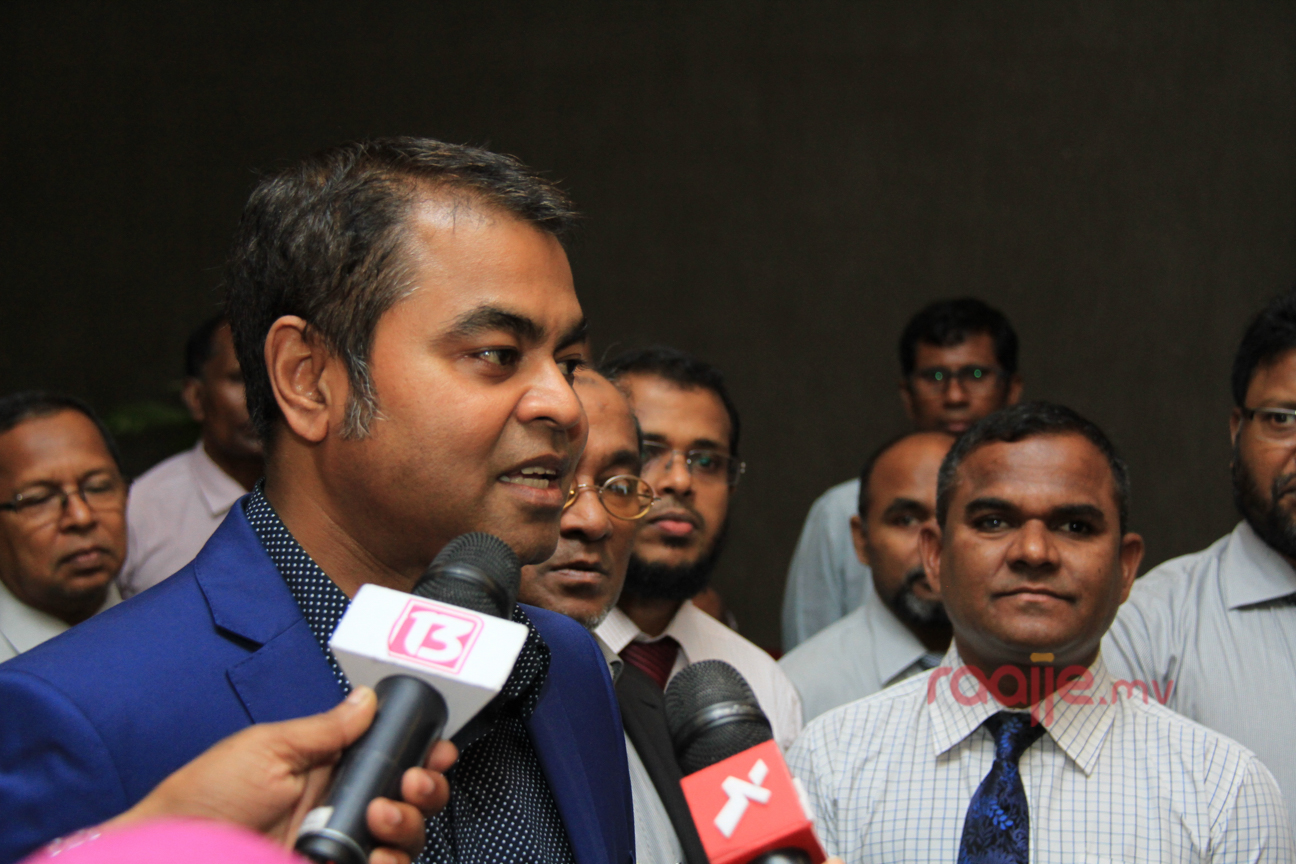
Former Member of Parliament for the Central Maafannu constituency, Ibrahim Rasheed (Bonda), speaking during an appearance on RaajjeTV’s "Fala Surukhee" program. | Raajje MV
Former Member of Parliament for the Central Maafannu constituency, Ibrahim Rasheed (Bonda), has expressed concern that the current administration's policies risk leading the country into a situation where Maldivians lose control over their own nation. He asserted that the Parliamentary Committee on National Security Services (241 Committee) must investigate the potential impact on national sovereignty resulting from the government's township project, which he claims effectively hands over Maldivian territories to foreign entities.
Speaking on RaajjeTV’s "Fala Surukhee" program, Ibrahim Rasheed criticized the current administration as "irresponsible," stating that despite making grand promises to every island, there is no evidence of those commitments being fulfilled. He specifically pointed to the Addu City Link Road project, noting that even after a year in office, the government has managed nothing more than clearing the site. He highlighted this as a clear reflection of the sluggish pace at which the government's development projects are moving.
Accusing President Dr. Mohamed Muizzu of actions that jeopardize national sovereignty, Ibrahim Rasheed alleged that the administration is developing "ghost cities" within the Maldives' 12-nautical-mile territorial waters under the guise of "township projects." He further characterized these developments as extraterritorial enclaves where Maldivian law would not apply, claiming that even the police and military would be barred from entering these areas.
Furthermore, he stated that tax collection in these areas has been left largely unregulated, adding that it is unacceptable for the owners of such establishments to enjoy numerous rights and privileges that are denied to Maldivian citizens. Ibrahim Rasheed further emphasized that these issues transcend mere commercial concerns and represent a significant threat to the nation's sovereignty.
The government’s "Township Project" is currently establishing "ghost cities" across the Maldives' atolls, within our 12-nautical-mile territorial waters. These are lawless enclaves characterized by extreme disparities, where even the police and military are denied entry. These are areas where the rule of law does not apply. The Parliament’s 241 Committee must investigate whether these developments pose a threat to our national sovereignty and independence.Ibrahim Rasheed.
The foundation stone for the Maldives' inaugural township project under the Special Economic Zone (SEZ) Act was laid on January 29 of this year. According to the government, this SEZ initiative is being implemented as part of a broader strategic vision to transform the Maldives into an economically self-sufficient nation.
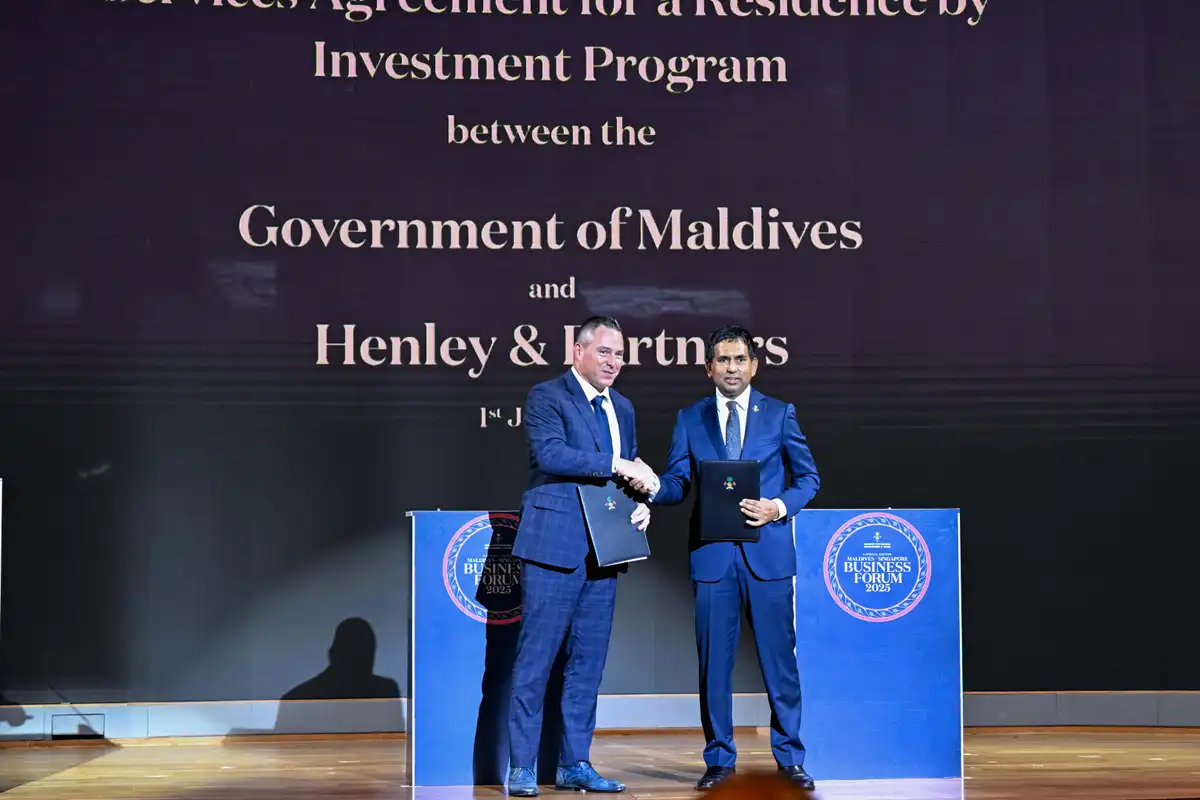
The MDP parliamentary group has submitted a formal case alleging that certain areas of the Maldives are being handed over to foreign entities through the introduction of "townships," effectively diminishing state authority and granting these parties extensive concessions. The complaint states that Economic Minister Mohamed Saeed has been spearheading a residence-by-investment program titled "Maldives Pearl Residence," which would allow foreign nationals to reside in these townships on a long-term basis. The MDP further highlighted that this initiative poses a significant threat to the Maldives' national sovereignty. They also warned that such a framework could facilitate money laundering and tax evasion.