Even after imprisoning people for political reasons, they continue to claim that there are no political prisoners!
23 މެއި 2026 | ހޮނިހިރު 12:12Despite President Muizzu's assertions that there are no political prisoners in the Maldives, the government is facing heavy criticism following the arrest of "Adhadhu" journalists and protesters at opposition rallies. Members of the public contend that obstructing press freedom and prosecuting political activists and former officials are clear indications of a retaliatory agenda.
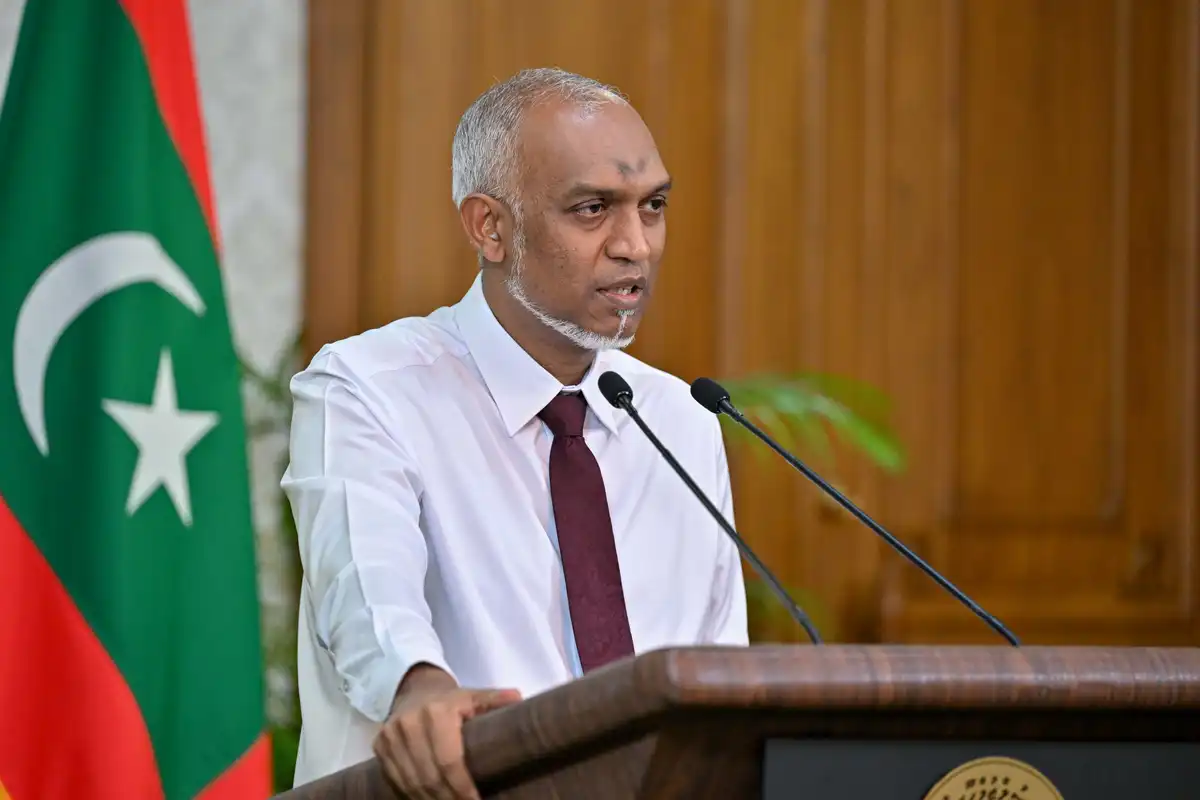
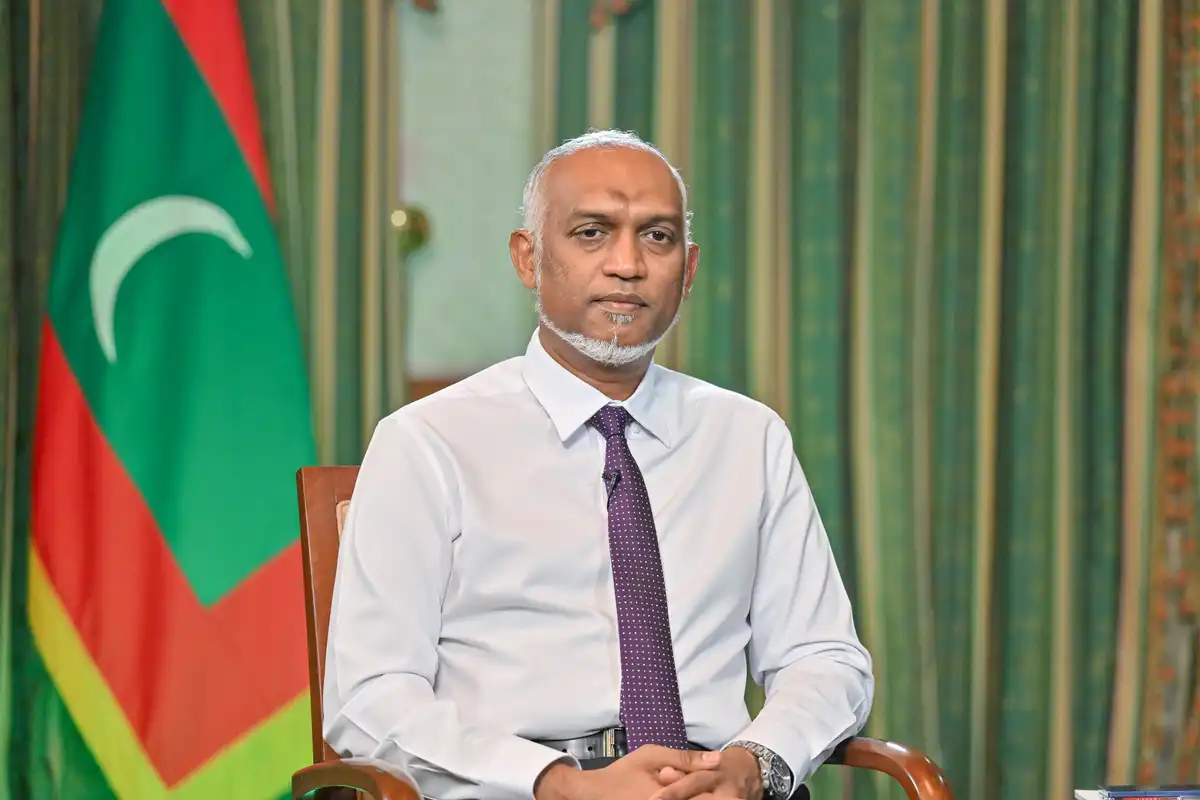
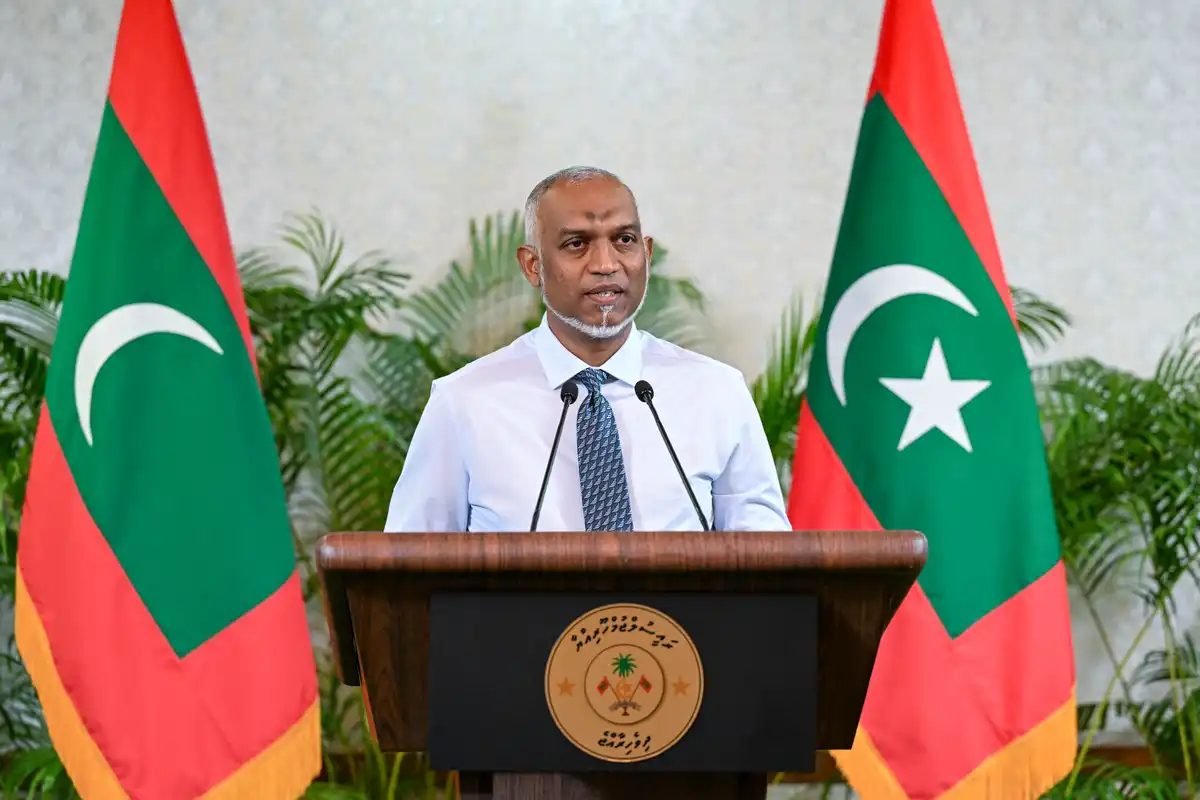
President Dr. Mohamed Muizzu speaks during a press conference. | Presidents Office
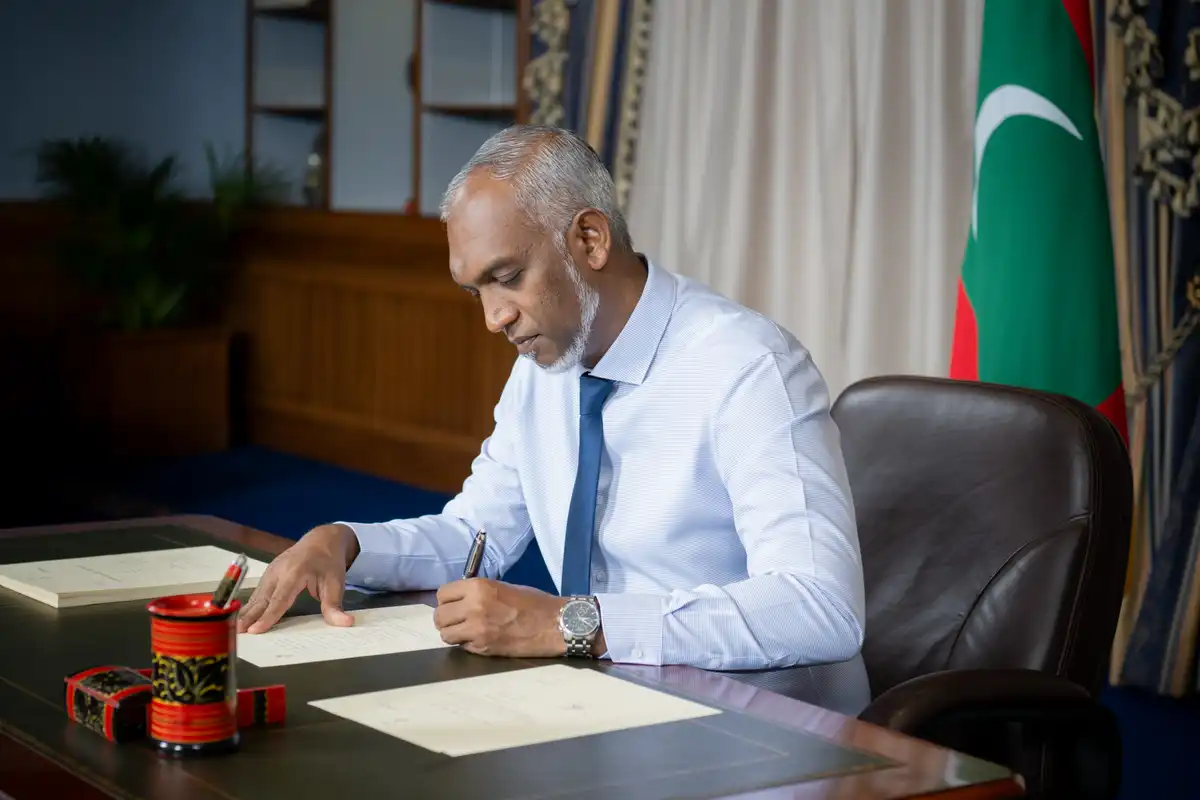

One of the most prominent discussions currently dominating the Maldivian political landscape centers on President Dr. Mohamed Muizzu’s recent remarks regarding political prisoners. Speaking on the state media program "Nation Chat," President Muizzu asserted that there are no longer any political prisoners in the Maldives, emphasizing that eliminating the spirit of political retribution remains a key pledge of his administration.
President Muizzu has repeatedly asserted that previous administrations were characterized by a culture of political vendetta. He believes that this trend has now been reversed under his leadership. Furthermore, in his critique of the opposition, the President stated that their focus remains centered on inciting unrest and prioritizing self-interest. He emphasized that a responsible opposition is essential for the maturation of democracy.
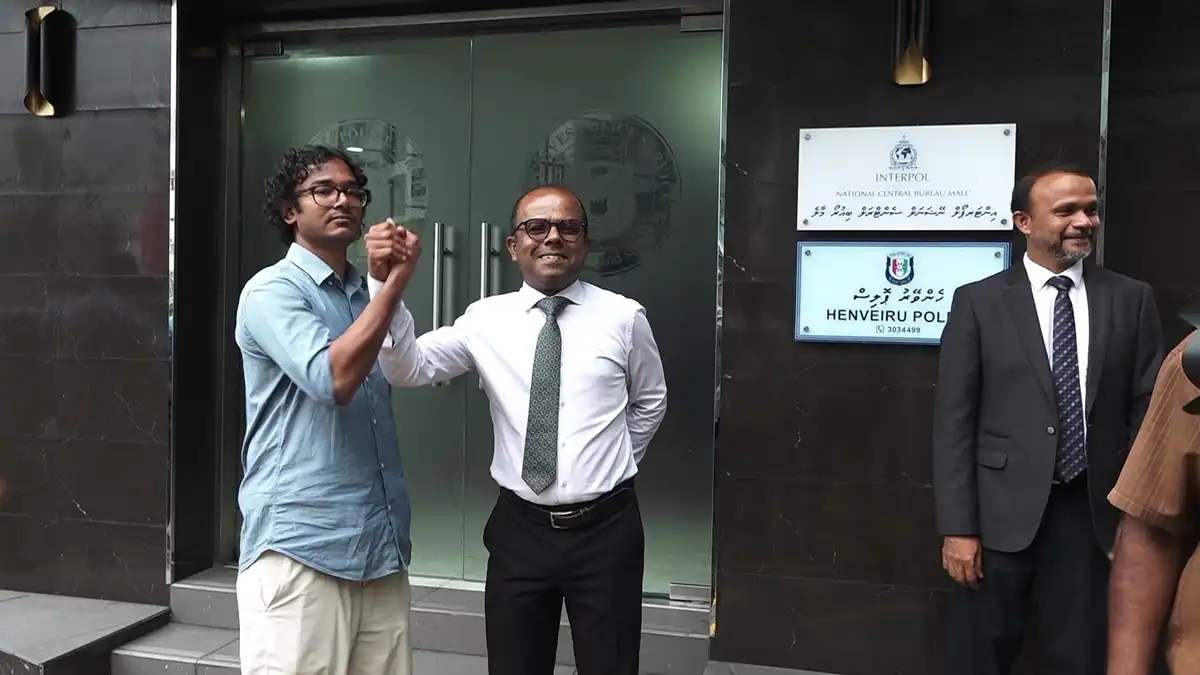
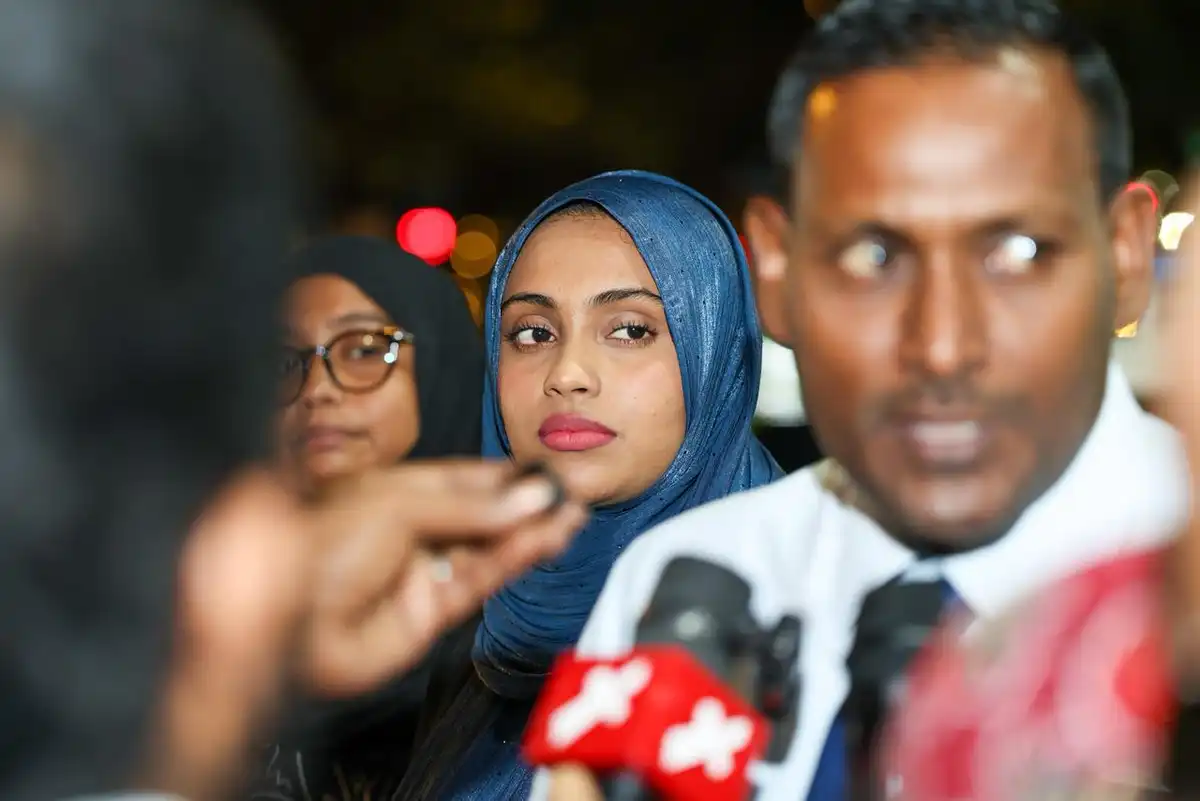
Despite President Muizzu’s assertions, the reality on the ground tells a different story. A trend of detaining political figures and journalists emerged following the release of the "Aisha" documentary, which leveled numerous allegations against him. Tensions escalated after the Criminal Court issued a nationwide gag order on May 10, 2026, prohibiting any direct or indirect discussion of the documentary. Subsequently, two journalists from Adhadhu, Leevan Ali Nasir and Mohamed Shahzan, were imprisoned for allegedly violating this order, sparking a wave of protests and rallies calling for press freedom. Furthermore, the criminal charges filed against the outlet’s CEO, Hussain Fiyaz Moosa, and Editor, Hassan Mohamed, have been widely condemned. Critics and members of the public describe these legal actions as a significant blow to media freedom and a politically motivated crackdown.
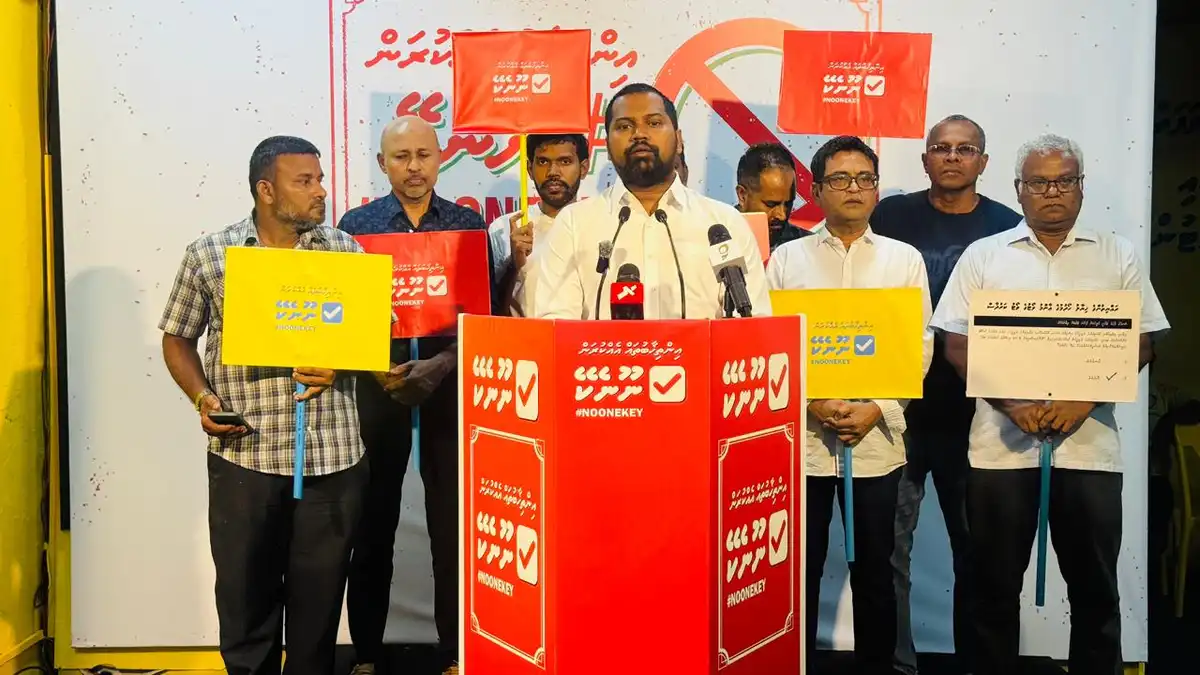
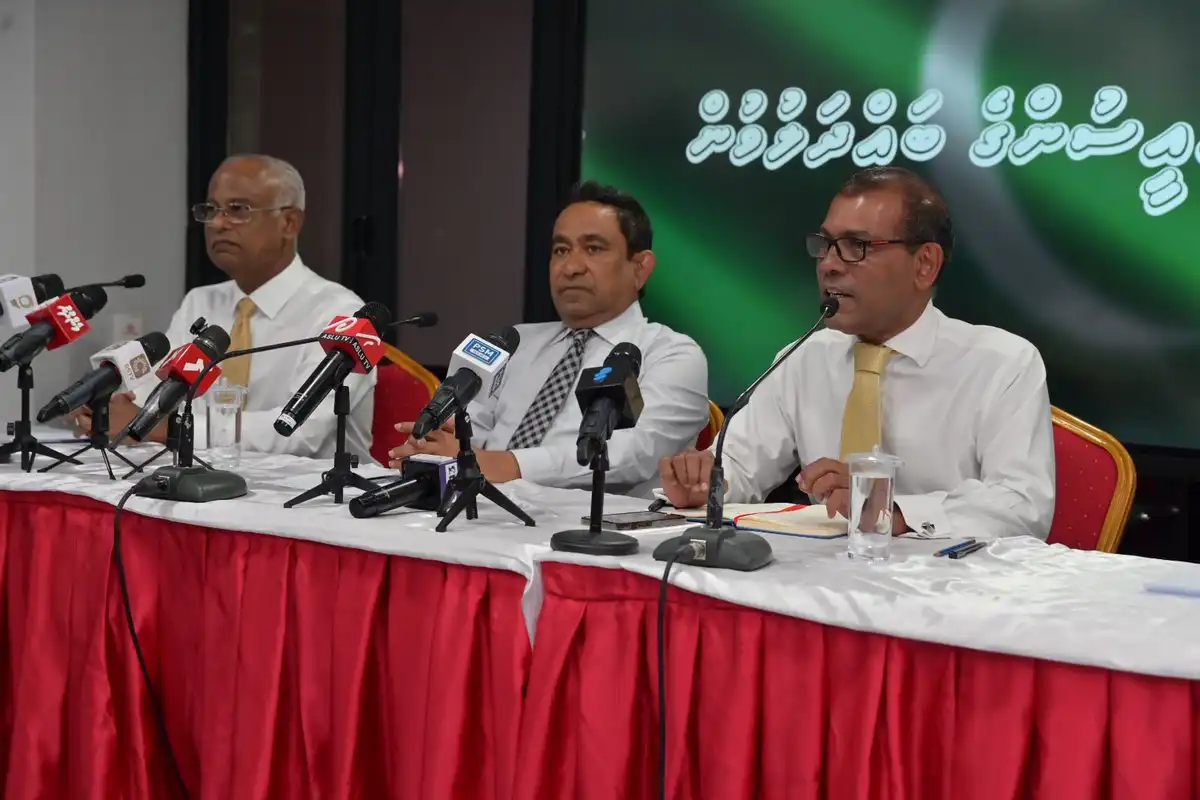
Despite President Muizzu’s repeated assertions that there are no political prisoners in the Maldives, the nightly reality remains the same: numerous individuals continue to be arrested during ongoing protests held by the PNF and MDP.
Hassan Hussain, a member of the MDP National Council and a key figure in leading the protests, has been arrested on multiple occasions during the demonstrations. Additionally, social media activist Shamoon Jaleel was previously arrested and placed in remand during an earlier protest.
Furthermore, family members and many members of the general public are asserting that the charges filed against former Immigration Controller Mohamed Shammaan Waheed are politically motivated.
Many allege that the government is resorting to such cruelty and the suppression of citizens primarily to conceal its own incompetence. Indeed, the systematic obstruction of the rights to assembly, expression, and free speech serves no purpose other than to shroud the truth. As the public witnesses a wave of politically motivated arrests and the repeated extension of remand periods for numerous individuals, President Muizzu’s persistent claims that there are no political prisoners have drawn widespread ridicule. Today, it would be no exaggeration to say that citizens are mocking the President, characterizing him as a leader who maintains a deceptive persona.