Control Commission unmasked as press freedom dies in silence
28 އެޕްރީލު 2026 | އަންގާރަ 13:43The Maldives Media and Broadcasting Commission is facing intense criticism for its silence during a police raid on a news outlet and the subsequent introduction of restrictive regulations. These new rules allow the body to impose heavy fines and forcibly remove content, leading journalists to rebrand it as a Control Commission. Critics argue the institution has abandoned its role as a protector of press freedom to become a tool for state intimidation and censorship.


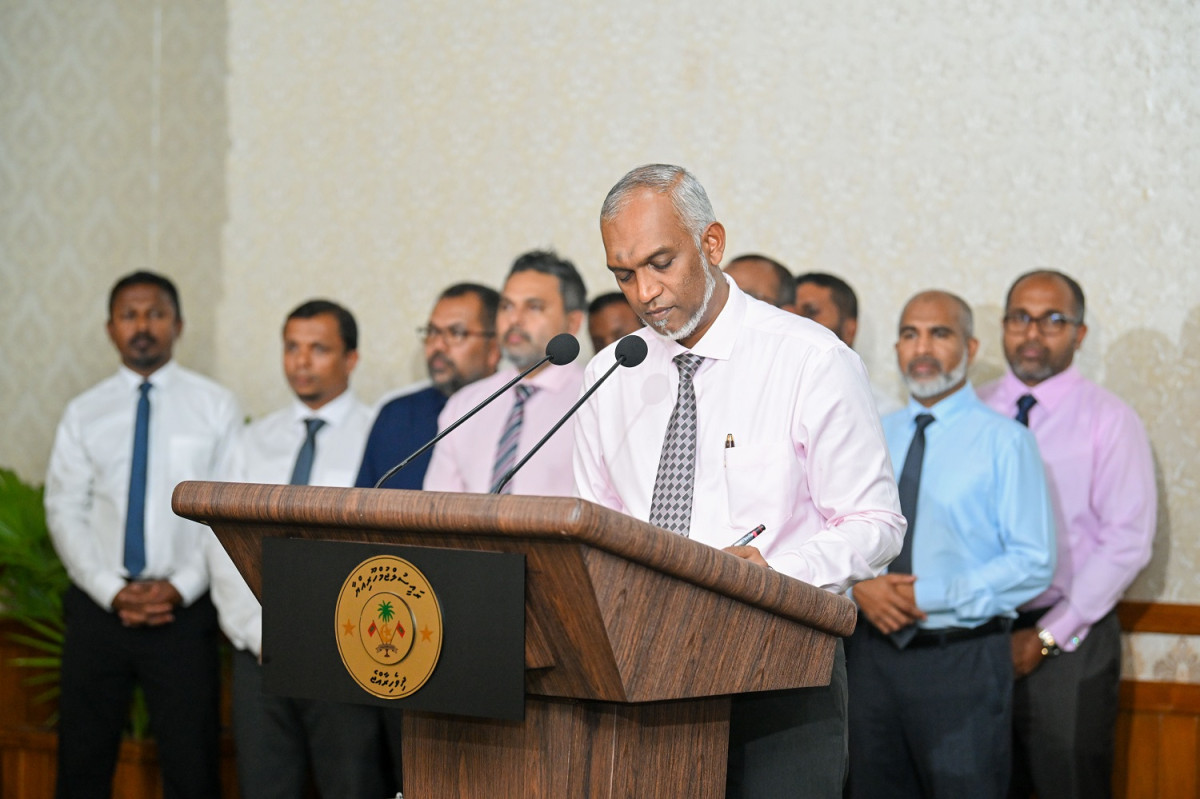
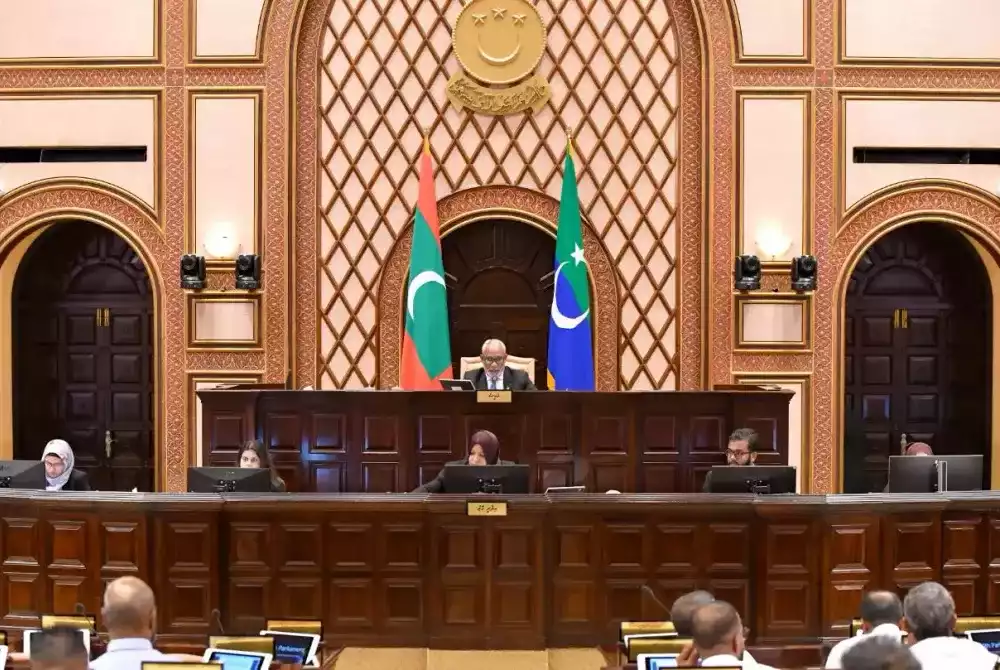
Members of the Media Council, established by the government to regulate newspapers, magazines, and broadcasters. | Maldives Media and Broadcasting Commission
The Maldives Media and Broadcasting Commission entered the scene draped in the flowery language of independence, swearing to be the ultimate shield for press freedom and the watchful guardian of journalistic ethics. It was marketed as the premier body for overseeing the media landscape, but from the very first day, those working in the field and the general public smelled a rat. The skepticism that these grand vows were nothing more than empty, superficial rhetoric is now being proven entirely accurate by the grim reality of recent events.
A disappearing act during a newsroom invasion
The true colors of the commission began to show when the police stormed the offices of an online news outlet, armed with a court order linked to a specific documentary. The authorities didn't just walk in; they turned the newsroom into a crime scene by photographing the workspace, digging through computer systems and hauling away various electronic devices. As this blatant intimidation unfolded, the entire media community waited for their supposed protector to speak up. Instead of a backbone, the fraternity found only an empty chair where a regulatory body should have been.
The loudest silence in Maldivian history
As news organizations scrambled to get a reaction or a stance from the commission, they were met with a wall of indifference. There was no emergency press release to champion the rights of the media, no formal denunciation of the police occupation of a newsroom and not even a whisper of comfort for the journalists working under the shadow of state pressure. The institution did not just fail to act; it opted for a silence so heavy it spoke volumes about its true loyalties. Now, the dark motives behind that refusal to speak are coming into sharp focus.
Timing the execution of new restrictions
In a move that reeks of calculated malice, the commission waited until the tension from the Adhadhu newsroom raid was at its peak to drop a new legal hammer. They chose that exact moment of vulnerability to unveil a fresh framework for processing complaints against media workers. This new set of rules grants the commission the terrifying power to slap news outlets with massive fines reaching MVR 100,000 and provides them the legal teeth to forcibly take down or pause any content they find objectionable.
A weaponized warning to the fourth estate
Only fools would believe the timing of these new regulations was an accident. This was a choreographed threat designed to strike fear into the hearts of reporters and a transparent signal that every move a journalist makes is being tracked by a watchful eye. It serves as a dark prophecy that any form of dissent or criticism will result in painful repercussions, proving that the authority to regulate has been twisted into a blunt instrument for state control.
Earning the title of the control commission
Because of this betrayal, the local press has stopped using the institution’s official name, instead rebranding it as the Control Commission. This nickname isn't just a witty jab; it is a title that the body has earned through its own oppressive behavior. A legitimate, independent commission would understand the basic fact that you cannot protect media ethics while staying quiet as journalists are bullied and silenced. The core mission of such a body should be to nurture a free and open press, not to act as the primary source of terror for those whose job it is to tell the truth.