The Middle East crisis becomes a convenient shield for administrative paralysis!
27 އެޕްރީލު 2026 | ހޯމަ 14:14Minister Abdulla Muththalib has attributed stalled national development projects to Middle East conflicts and rising fuel costs. However, critics argue these excuses are fabricated to mask internal incompetence and political maneuvering following the parliamentary elections. The presence of unused materials on-site further undermines official claims, leading to a significant collapse in public confidence regarding the government's ability to deliver on its promises.


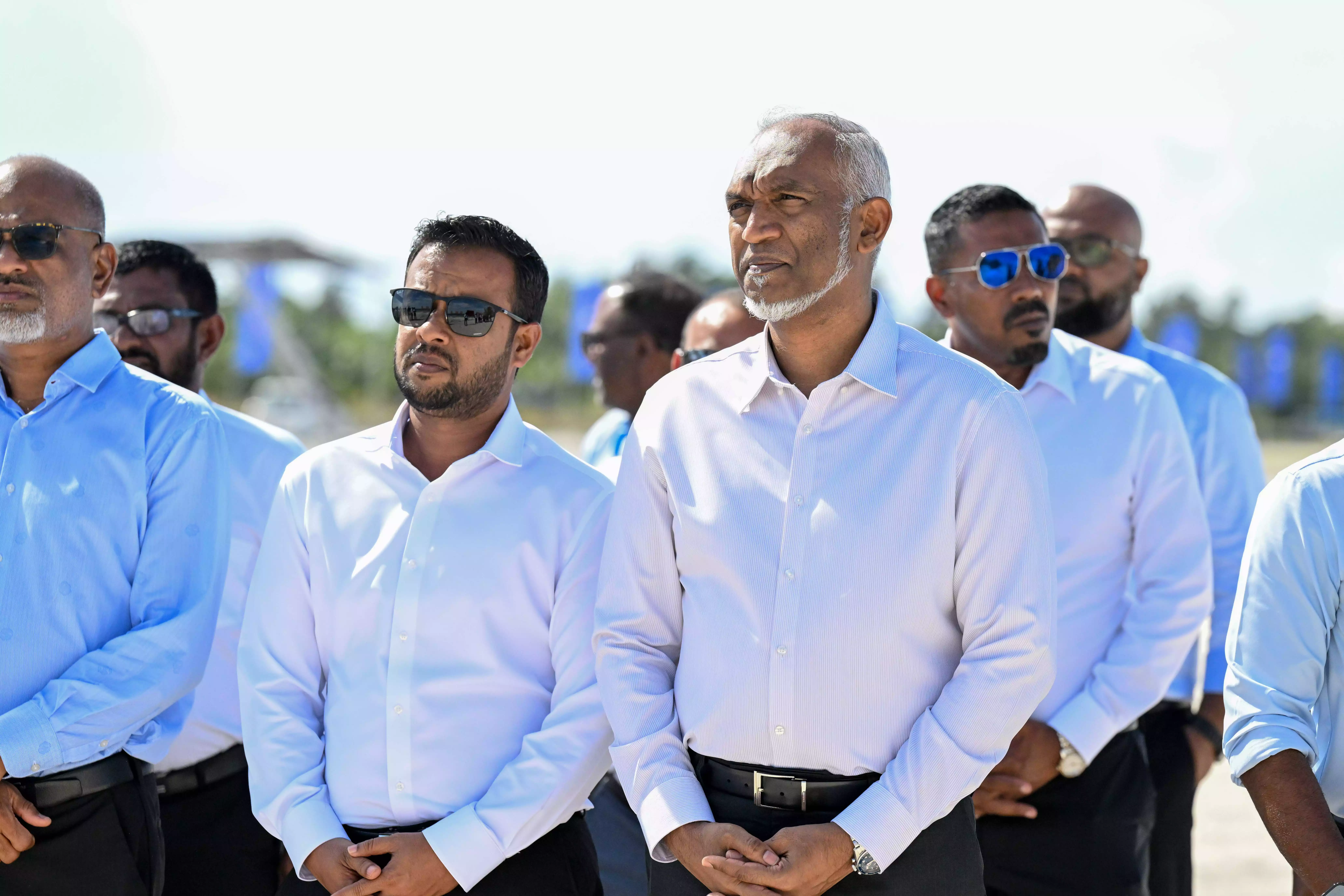
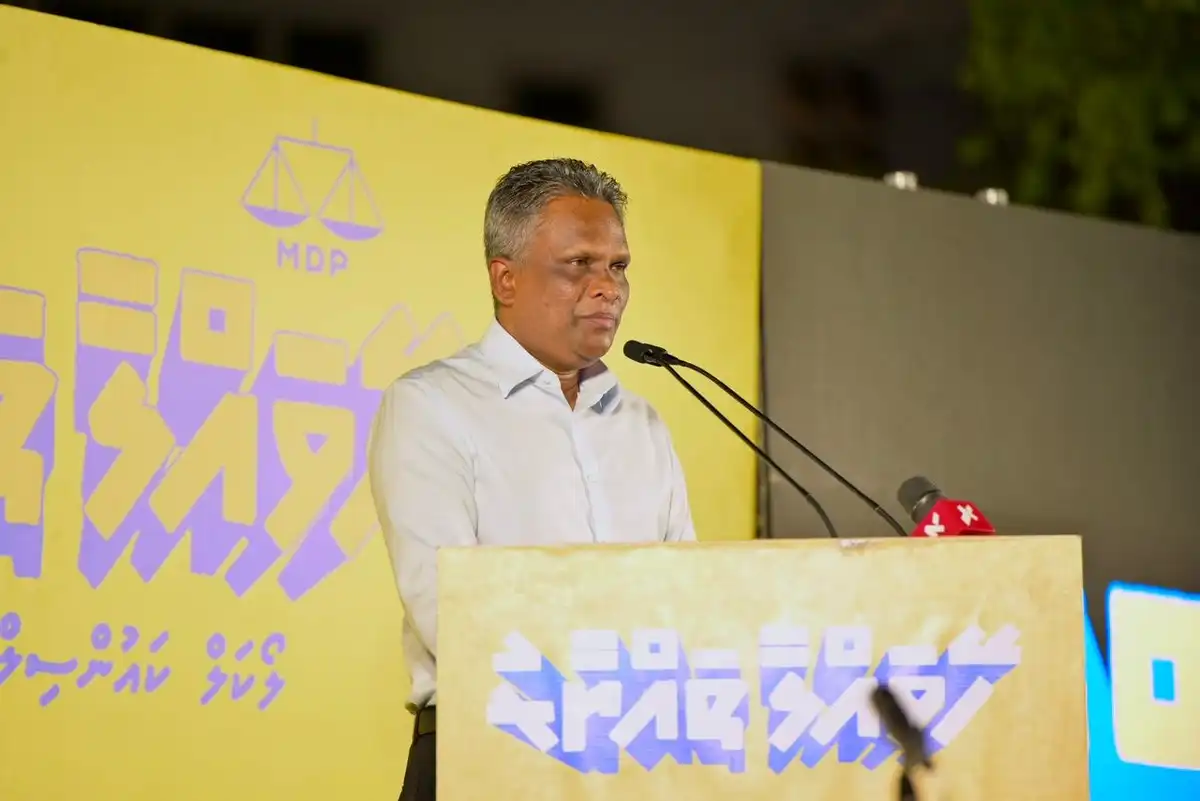
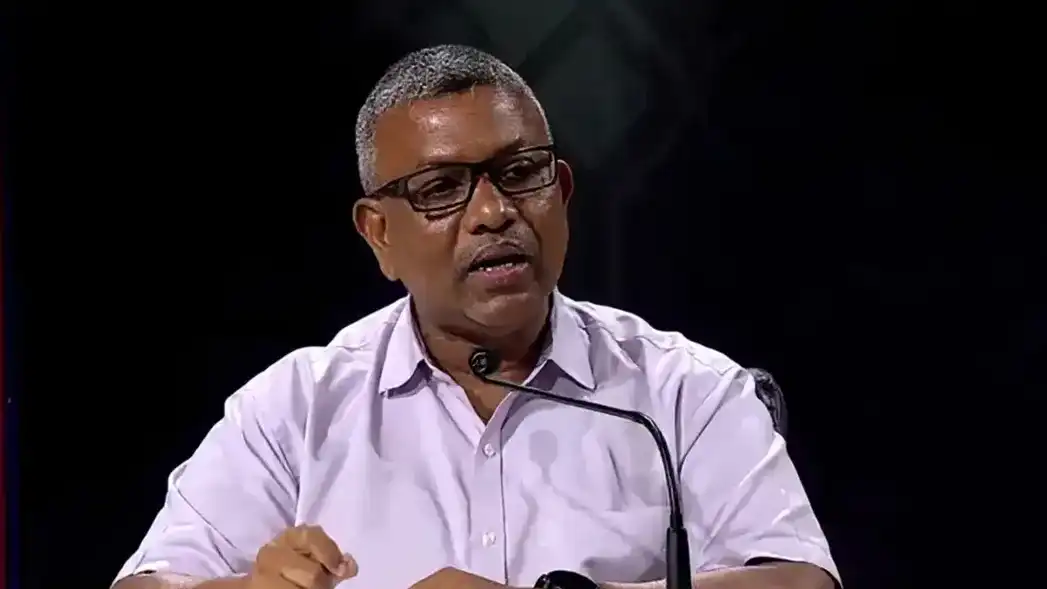
Minister of Infrastructure, Housing and Urban Development Dr. Abdullah Muththalib | Ministry of Housing
The landscape of national development has been a graveyard of stationary machinery since the very moment this administration took the reins. It is not just that fresh initiatives are missing in action; even the projects inherited from the past have ground to a frustrating halt. At this point, the list of actually active construction sites is so embarrassingly short it could be tallied on a single hand.
A tale of two realities
Despite the obvious stillness at project sites, Minister of Infrastructure, Housing and Urban Development Dr. Abdulla Muththalib recently attempted to spin a completely different story during a press briefing. He pointed the finger at the ongoing hostilities in the Middle East, claiming that the regional conflict has built a wall against the procurement of vital building materials. Even so, he tried to reassure everyone that the government is somehow struggling to keep current works alive rather than letting them die off completely.
Convenient timing or fabricated delays
This explanation forces the public to confront some uncomfortable questions. Were these projects actually paused to make way for election maneuvering? Is there any truth to the claim that war-driven supply chain issues are the sole culprit? While the minister insists that timelines must be rewritten because of global instability, one has to wonder if this administration has managed to stick to a single deadline even before the conflict became a handy excuse.
The fuel price fallacy
The minister’s go-to defense for the current lethargy is the doubling of fuel costs, which he argues makes energy-heavy tasks impossible to sustain. According to his logic, this justifies the stalling of harbor builds and land reclamation efforts. He framed the entire situation as an urgent call for cost-cutting, essentially telling the public to lower their expectations while the government tightens its belt.
If these excuses were actually rooted in fact, one has to ask why land reclamation projects that were guaranteed to be finished long before any war broke out are still incomplete. The Ras Malé project remains a glaring example of failed momentum. Even more suspicious is the fate of the projects that suddenly sprang to life just for the parliamentary elections, only to be abandoned the second the votes were counted and victory was secured. It is difficult to see how a conflict that escalated much later can be blamed for failures that were already well-established.
The minister also cited a sudden struggle to find rock boulders because of the Middle East crisis, yet this ignores a very visible reality. There are piles of existing materials already sitting on Maldivian soil, left to erode and deteriorate because no one is using them. Attempting to pin the blame for months of stagnation on a recent international conflict is a desperate effort to hide internal incompetence. If the government had a history of actually delivering results before the war started, the public might have listened, but today’s citizens are judging the administration by the idle cranes and empty sites they see every day.
The total collapse of credibility
When the timeline of these abandoned projects is laid out, the minister’s narrative falls apart under the slightest scrutiny. Facts simply do not support the official story. Relying on such flimsy explanations for problems that are clearly visible to every citizen does nothing but destroy public confidence and strip the government of whatever integrity it had left.