Holding two major elections on the same day would undermine the electoral rights of citizens: Suood
29 މާރިޗު 2026 | އާދީއްތަ 18:47Husnu Al Suood warned that holding presidential and parliamentary elections simultaneously would restrict the public's ability to hold the government accountable and diminish opportunities for small political parties and independent candidates. He highlighted that such a move would present significant administrative challenges, potentially compromising electoral integrity and undermining the fundamental structure of the governance system. Furthermore, Suood noted that this change could lead to voter confusion and pressure citizens to prioritize presidential candidates over the specific interests of their local constituencies.
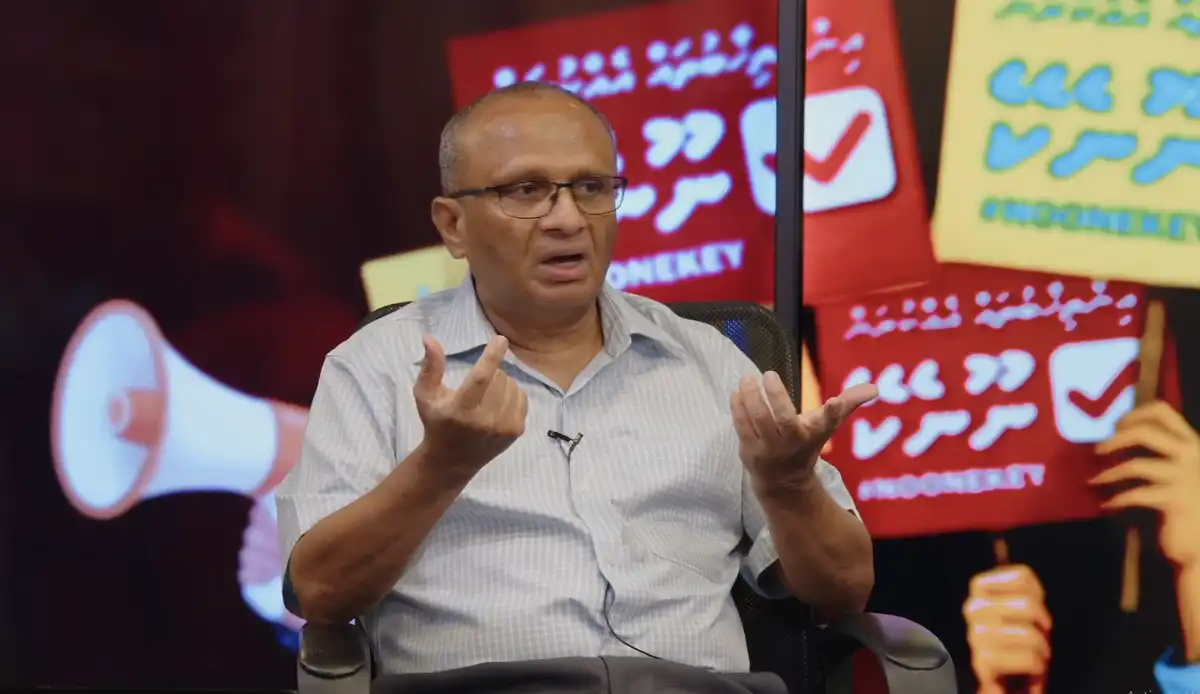
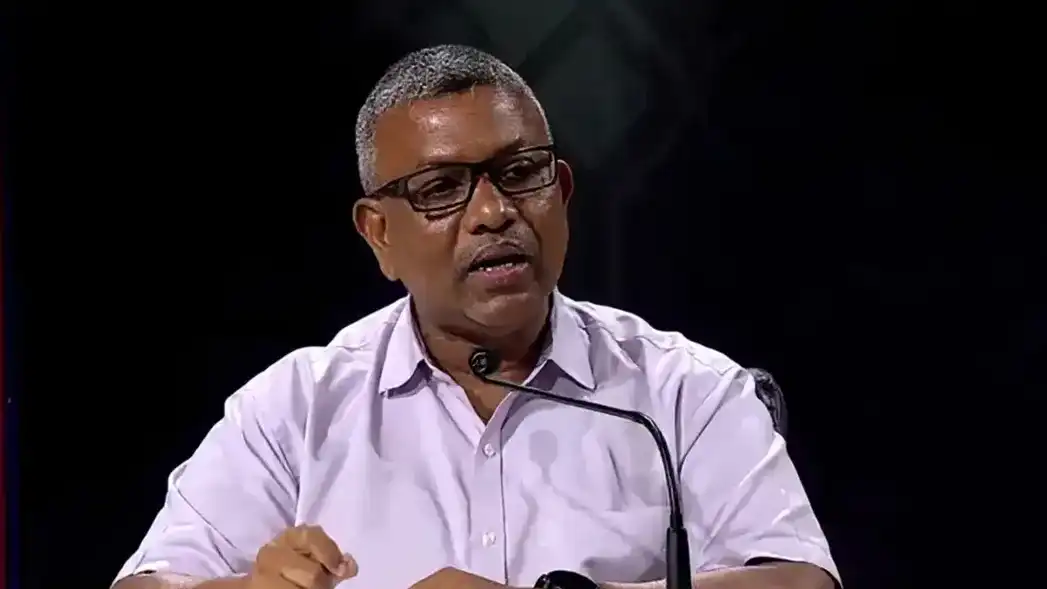
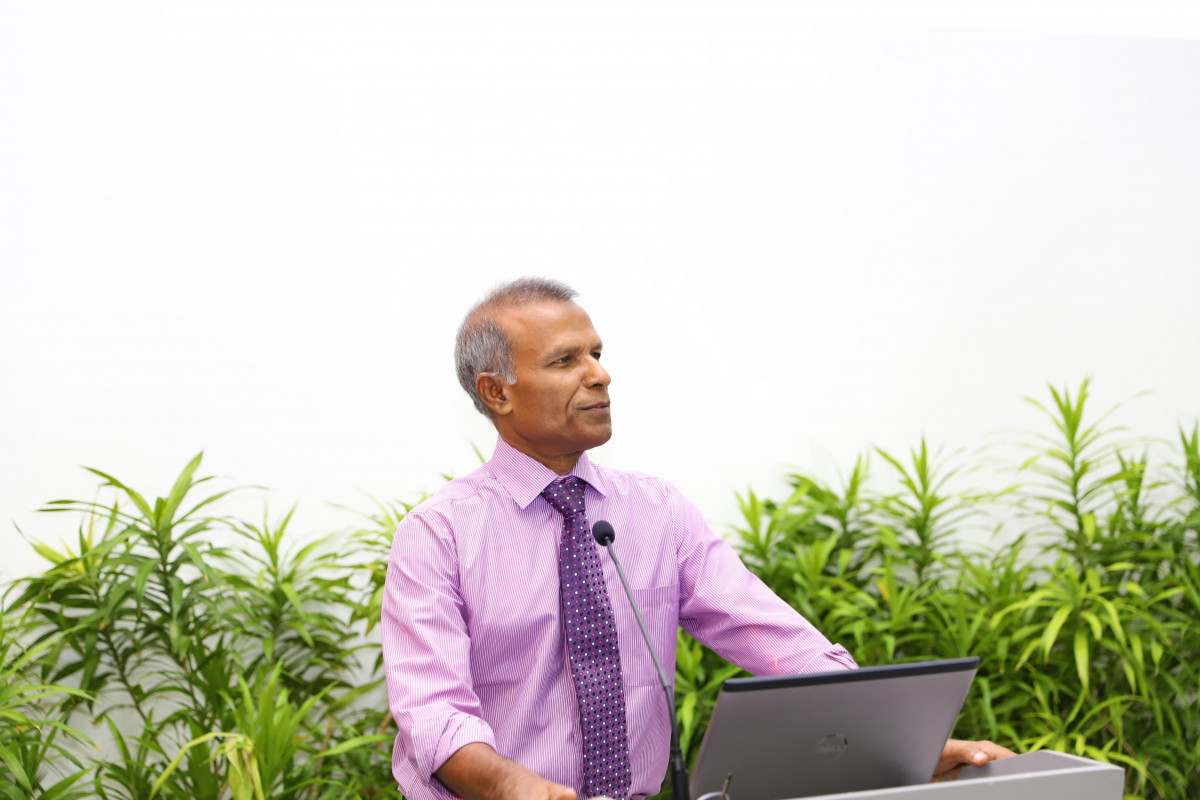
Former Supreme Court Justice Husnu Al Suood. | RaajjeMV | Raajje MV
Former Supreme Court Justice Husnu Al Suood has stated that holding two major elections on the same day would undermine the electoral rights of citizens.
Highlighting the potential drawbacks of the government's plan to hold a referendum on consolidating presidential and parliamentary elections, Suood stated on X that holding two major elections on the same day would undermine the electoral rights of citizens. He argued that holding parliamentary elections on a separate date, particularly mid-term, provides citizens with a crucial opportunity to review and pass judgment on the government's performance. However, merging the elections would narrow this window and limit the avenues available to hold the government accountable. Furthermore, Suood noted that with resources and public attention centered on the presidential race, the visibility and opportunities for smaller parties and independent candidates contesting parliamentary seats would be significantly diminished.
Suood stated that the Constitution and existing laws clearly outline the detailed procedures for conducting presidential and parliamentary elections. These include the compilation of voter registries, the determination of constituencies, and measures to ensure electoral integrity. He further noted that merging two such major elections would significantly increase administrative challenges, potentially leading to procedural errors and causing confusion among both the public and election officials. Suood warned that such a move could undermine public confidence in the election results and risks compromising constitutional principles and transparency.
Suood stated that holding two elections simultaneously would double the requirements for ballot papers, training, polling station operations, and the counting process. This significantly increases the likelihood of administrative errors, delays in announcing results, and a rise in formal complaints. Furthermore, it would place an additional burden on the judicial system to resolve election-related disputes.
Suood stated that presidential and parliamentary elections serve two distinct purposes. While the presidential election determines the Head of State, parliamentary elections are designed to represent the interests of specific constituencies and ensure government accountability. He argued that combining these two elections compels citizens to vote based on their preference for a presidential candidate rather than considering the specific interests of their local constituency. This, he noted, weakens the essential link between members of parliament and their constituents, ultimately undermining the independence of the legislature. He further explained that from a constitutional and political philosophy perspective, such a move could be interpreted as shifting the governance framework toward a parliamentary system. He concluded that this approach would conflict with the fundamental principles of the current Constitution.
Suood stated that holding multiple elections simultaneously would lead to voter confusion and diminish the quality of decision-making. He noted that combining elections results in longer ballot papers and voter fatigue, which often leads people to vote based solely on party lines or presidential candidates rather than evaluating the individual merits of each candidate. This, he argued, hinders the public's ability to express their true will.
Suood stated that when the fate of multiple powers is decided on a single day, the dissemination of information and the influence over institutions tend to intensify. In such circumstances, media freedom and the role of civil society are restricted, potentially creating obstacles to the fair monitoring of elections.