Nearly 50 percent of annual subsidy budget utilized so far this year
25 އެޕްރީލު 2026 | ހޮނިހިރު 10:55A significant portion of this year's subsidy budget has already been utilized, marking a 36.2 percent increase compared to the same period last year. Despite recommendations from international financial institutions to streamline the Aasandha healthcare scheme and subsidy systems to reduce expenditure, the government has decided to maintain current public assistance levels. Consequently, the implementation of several proposed structural reforms to the subsidy system has been temporarily deferred to ensure that support for citizens remains uninterrupted.
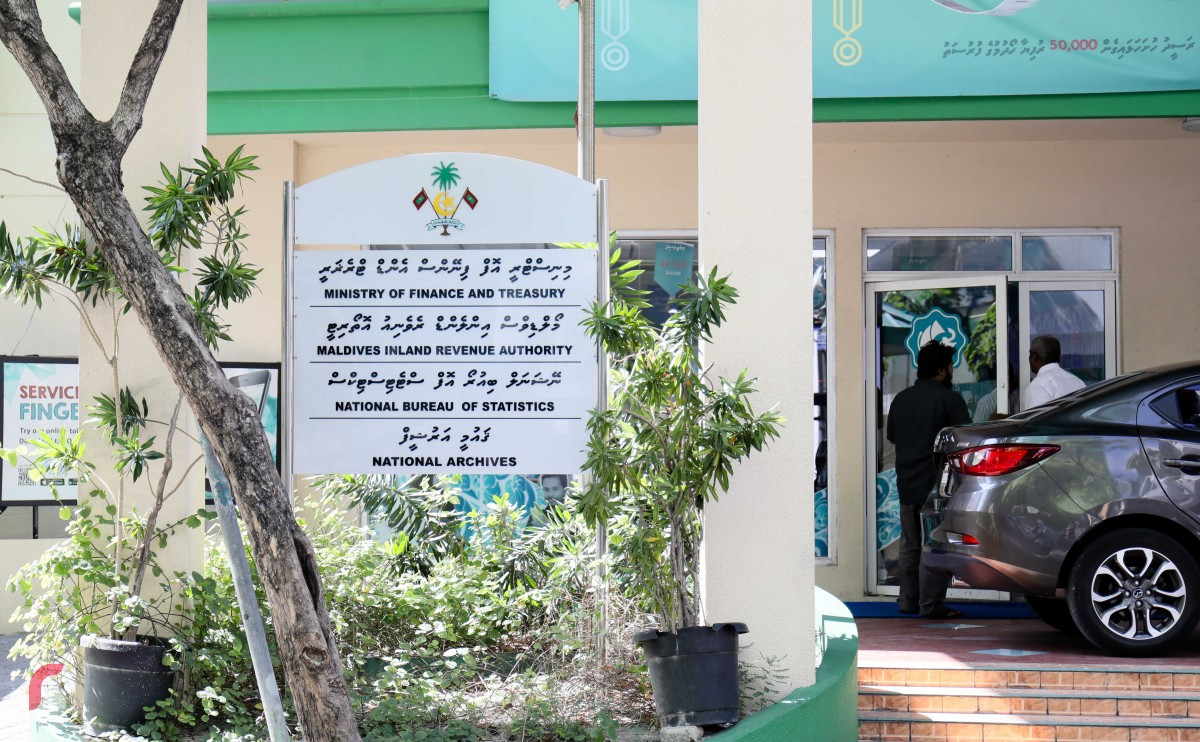
Ministry of Finance | RaajjeMV
Statistics from the Ministry of Finance reveal that 47.7 percent of the funds allocated for subsidies in this year's state budget were spent by the 16th of this month. This marks a significant increase compared to the same period last year.
According to the latest fiscal report released by the Ministry of Finance, 2.89 billion MVR was allocated for subsidies in this year's budget. Of this amount, 1.38 billion MVR had already been utilized as of the 16th of this month. Ministry data indicates that this represents a 36.2 percent increase in subsidy expenditure compared to the same period last year.
The state has spent a total of MVR 3.63 billion on subsidies and grants to date, accounting for 34.4 percent of the MVR 10.6 billion allocated in the budget for this purpose. This budgetary allocation includes Aasandha and various other healthcare assistance schemes. Specifically, MVR 478 million has been utilized from the MVR 2.02 billion earmarked for Aasandha, while MVR 65.4 million has been spent from the MVR 409 million allocated for other medical welfare services.
As expenditures on the national health insurance scheme, Aasandha, and various state subsidies continue to rise annually, audit reports and international financial institutions have repeatedly warned that these systems are no longer sustainable. For years, global agencies have urged the Maldives to curb state spending, particularly in light of the country’s escalating national debt. The primary recommendation from these institutions is to reform the Aasandha and subsidy frameworks. They emphasize the need to establish a more efficient system that ensures such financial assistance is targeted specifically toward those most in need.
Plans to reform the subsidy system were included in last year's budget, with a focus on restructuring subsidies for essential food commodities and utility services such as electricity. However, President Dr. Mohamed Muizzu has delayed the implementation of these reforms and revised certain policies, stating that he does not wish to withdraw the support currently provided to the public.