Pres. whispers peace while his minions declare war
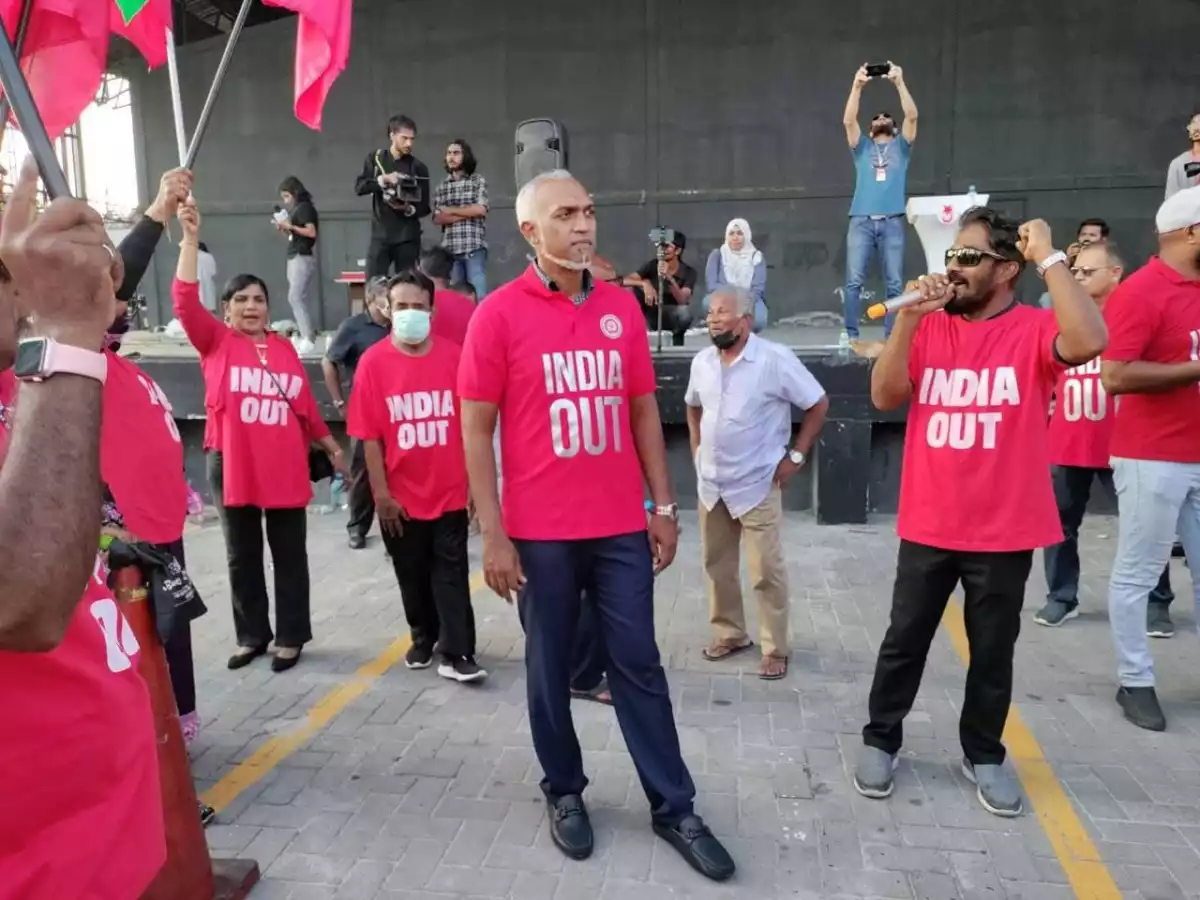
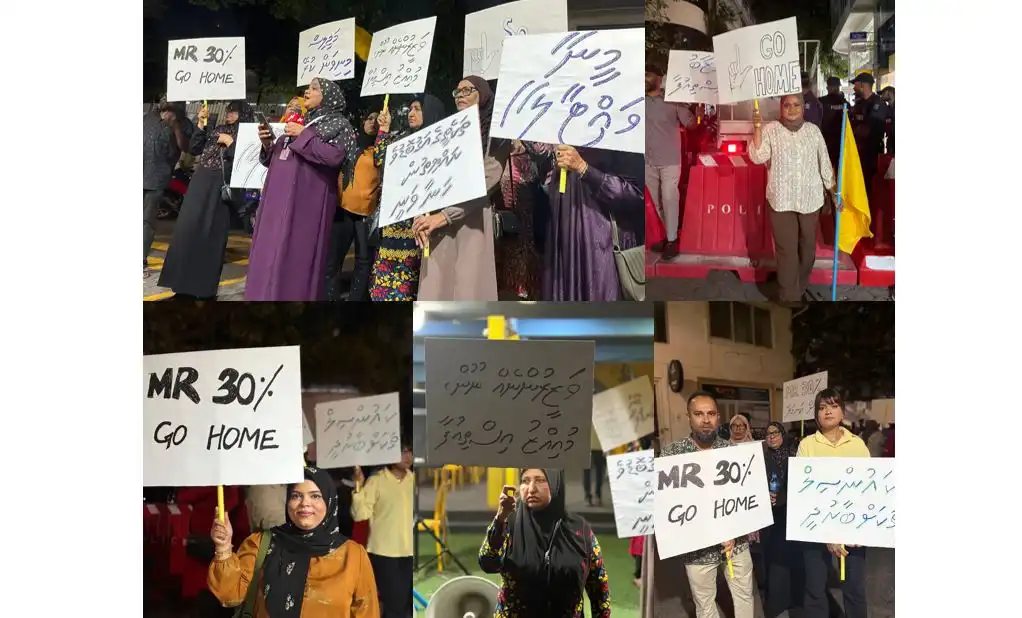
23 އެޕްރީލު 2026 | ބުރާސްފަތި 10:14President Muizzu is accused of using HRCM as a political tool to suppress opposition protests despite his public claims of restraint. Although the president advocated for constitutional decorum, the commission quickly echoed his rhetoric by calling for a state crackdown on free speech. Critics argue that these supposedly independent bodies are neglecting urgent humanitarian issues to serve as instruments of government retribution.

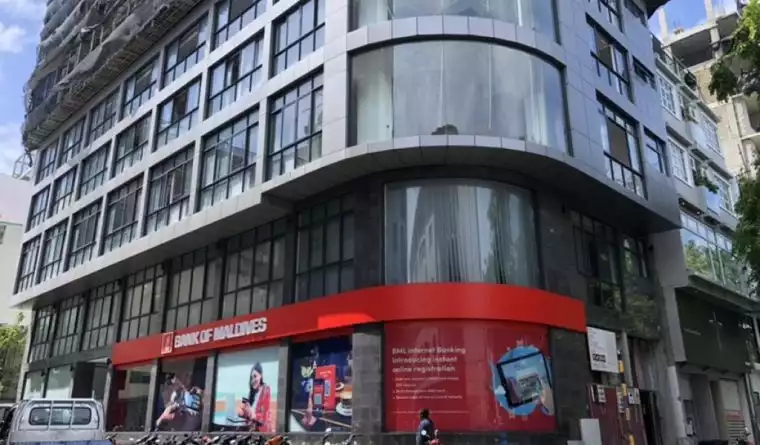
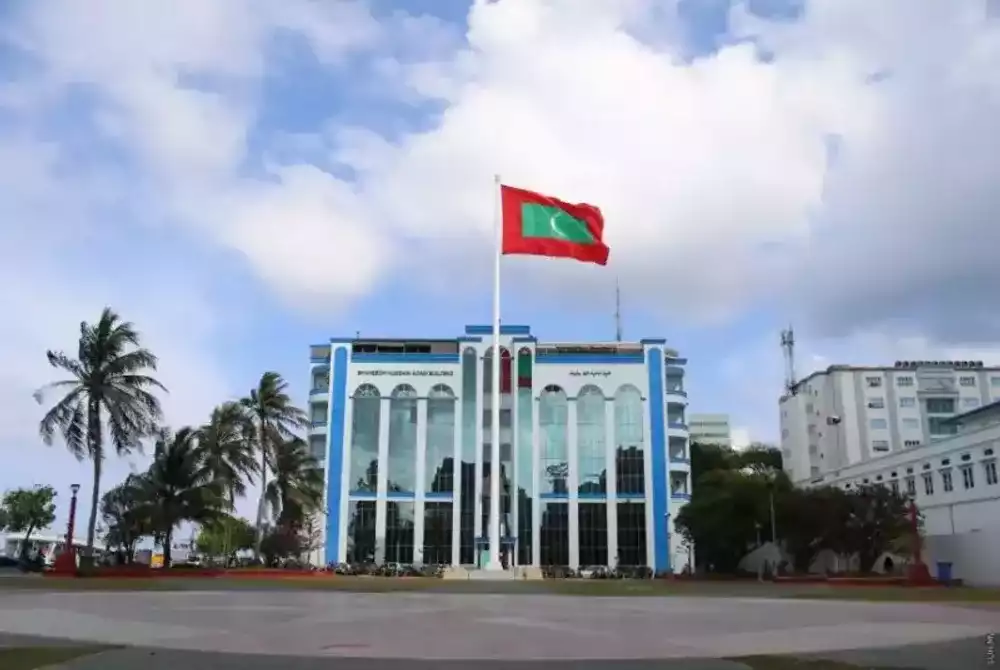
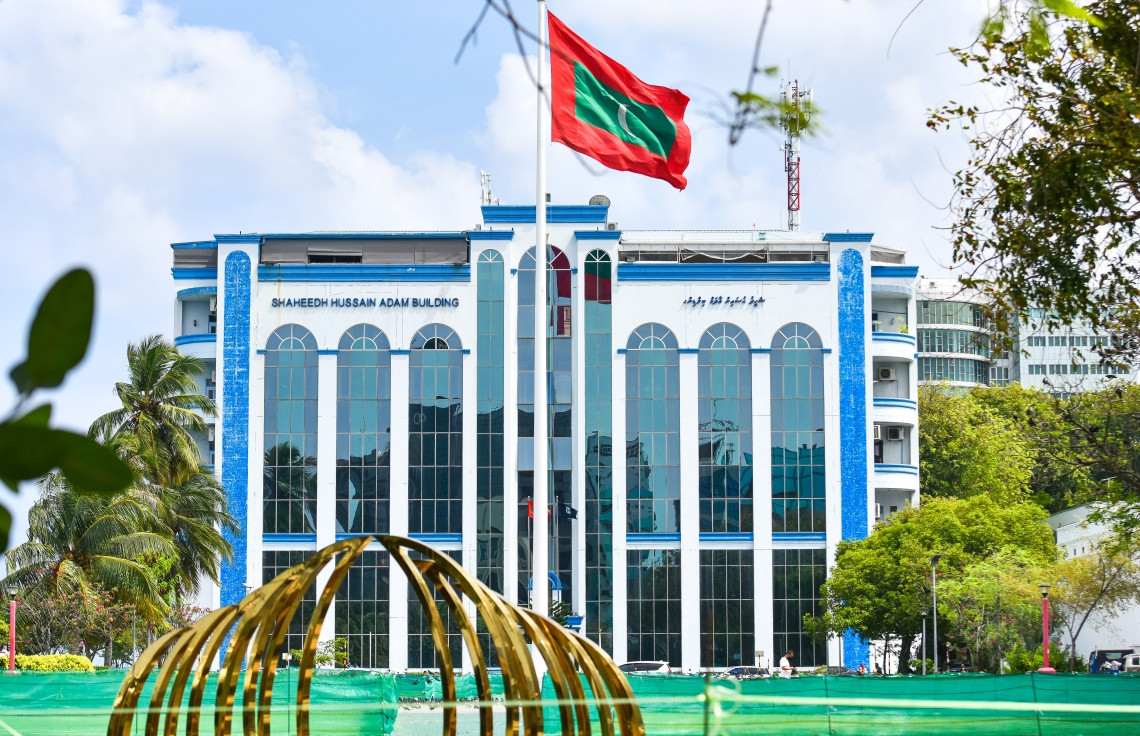
The building housing HRCM. | Social Media
Whenever the incumbent promises restraint, one can be certain they are already sharpening their knives. When they vow to move past a grievance, they actually obsess over it with renewed vigor. The mere sight of two citizens gathering in a public space seems to send this government into a spiral of frantic insecurity. At the helm is President Dr. Mohamed Muizzu, a man who appears to cower at the slightest disturbance while maintaining a meticulously crafted image of grace. He cloaks his rhetoric in the language of impeccable character and spiritual devotion, framing his every move within religious boundaries with a sophistication that his peers can only dream of mimicking.
The 12-hour flip-flop
However, the reality is far uglier than the polished exterior. During a recent press conference, Muizzu delivered a smooth, silver-tongued address regarding the opposition’s demonstrations. Even as the words left his mouth, it was obvious that this was not a conclusion, but a prelude to something more calculated. The moment he suggested he had no desire to pursue retaliatory measures, the countdown began to see how quickly that promise would crumble. It took less than half a day for the mask to slip. A formal declaration was released, orchestrated not by an independent body, but by a collection of high-priced subordinates serving the president under the guise of the Human Rights Commission of Maldives (HRCM).
Expression as a weapon
To understand the depth of this cynicism, one must revisit the president's original performance at the briefing. He insisted that regardless of the location or the situation, all behavior and speech must remain tethered to the Constitution, the law and Islamic tenets, emphasizing a need for mutual decorum. His choice of words to signal his supposed hands-off approach was undeniably poetic. Yet, for any seasoned observer, these were not words of peace; they were a green light for the retribution that was already in motion. Sure enough, in under twelve hours, HRCM as an entity that supposedly exists to protect the people, betrayed its mandate. Instead of defending the rights of the demonstrators, the commission did the unthinkable: it demanded that the state crack down on citizens for simply using their constitutional right to speak their minds.
Shadow puppets and power grabs
The outcome was as predictable as it was disappointing. While the president stood before the cameras claiming he would stay his hand, it was clear that the machinery of the state was already being geared for a different result. Even if the specific phrase regarding inaction didn't originate from his own thoughts, a leader who has gathered every scrap of authority into his own palms will always find a secondary path to get what he wants, regardless of his public theater.
Those watching the press conference could easily hear the unspoken threats woven into his speech. He pointed to examples like the physical harassment of law enforcement or the breaching of police lines as intolerable acts that damage the very foundation of the institution. He suggested that if the police fail to act when their own regulations are ignored, they lose all credibility. He framed these as matters that must be strictly policed. Then, in a hollow gesture of openness, he claimed all parties are welcome to share their views at approved locations, provided their behavior is universally acceptable.
Death of independence
This rhetoric reveals the true strategy: the president claims personal innocence while the institutions he controls do the dirty work. HRCM functioned like a loyal servant, stepping up to perform the task the president pretended to forgo. Instead of standing with citizens who took to the streets to voice their pain, HRCM turned its back on them and called for their punishment.
The commission’s statement argued that any rhetoric whether at political rallies, in public, or on digital platforms, that fuels animosity, disrupts social peace or incites aggression is a violation of the constitutional spirit of free speech. They expressed profound alarm over these expressions and commanded political leaders to cease such activities while begging state authorities to implement harsh legal measures.
A legacy of neglect
Remarkably, HRCM did not bother to observe or monitor a single moment of these nightly protests. An agency that is legally obligated to be neutral and protect human rights has instead mirrored the president’s talking points, targeting the very people seeking justice. This is the pathetic reality of our supposedly independent bodies today; they have become echoes for the powerful rather than voices for the voiceless.
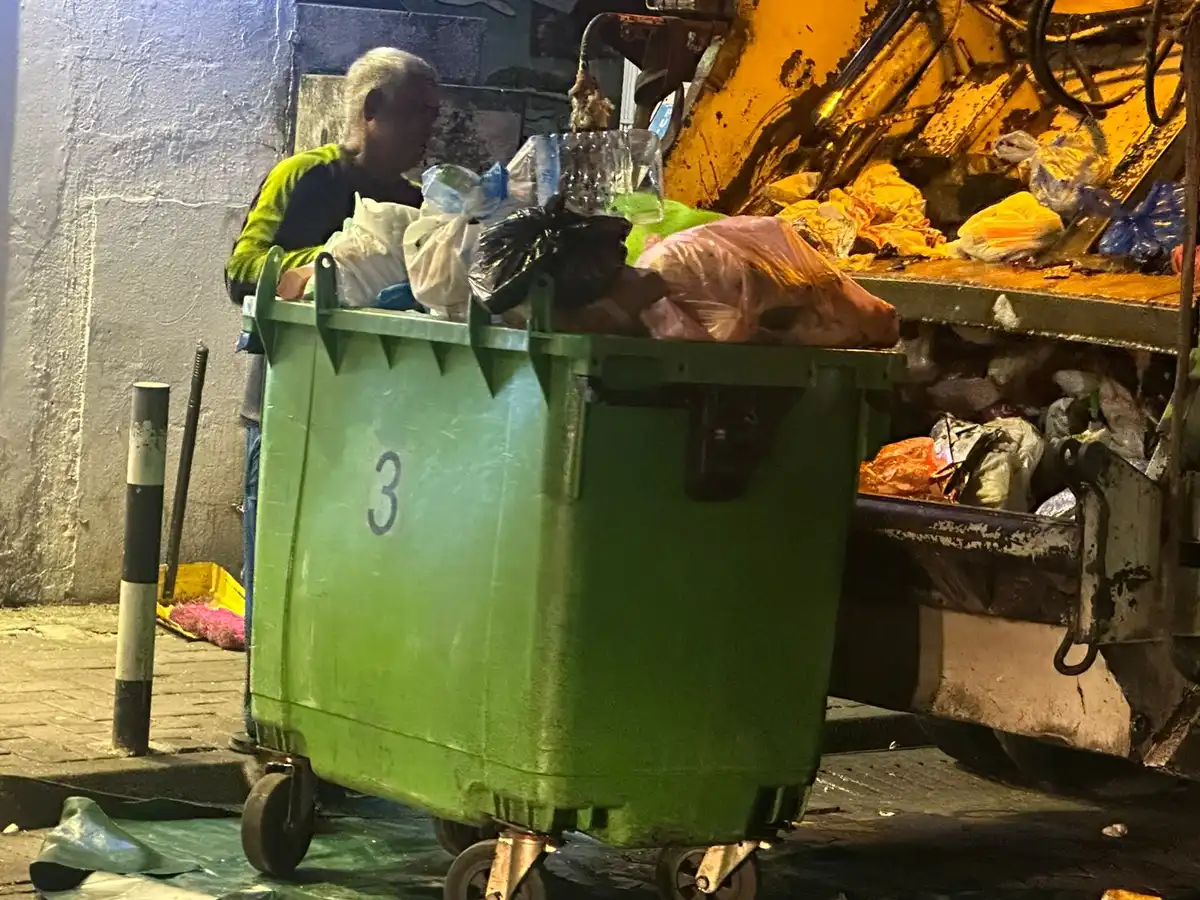
HRCM members have an endless list of actual tragedies they could be investigating if they weren't so busy being political tools. They should be looking into the heartbreaking death of young Azaan, who passed away because the state couldn't manage to provide a simple feeding tube. They should be checking if the victims of the Dhigurah fire were treated with any shred of dignity. They should be focused on the systematic denial of basic rights, the abandonment of those in state care, or the fact that WAMCO workers are being cheated out of their pay. They should be asking why so many citizens are currently reduced to begging for the life-saving medicine they can no longer afford.
No matter how much money these officials are paid to serve as instruments of the regime, they will never buy the respect of the public.