A common medication prescribed for patients with high blood pressure runs out of stock at STO pharmacies
18 އެޕްރީލު 2026 | ހޮނިހިރު 11:01Public concern is mounting as patients face significant hardships due to a shortage of blood pressure medication at STO and private pharmacies. Despite government assurances that there are no supply issues, a motion of urgent public importance submitted to Parliament to address the crisis was rejected by the government-aligned majority.

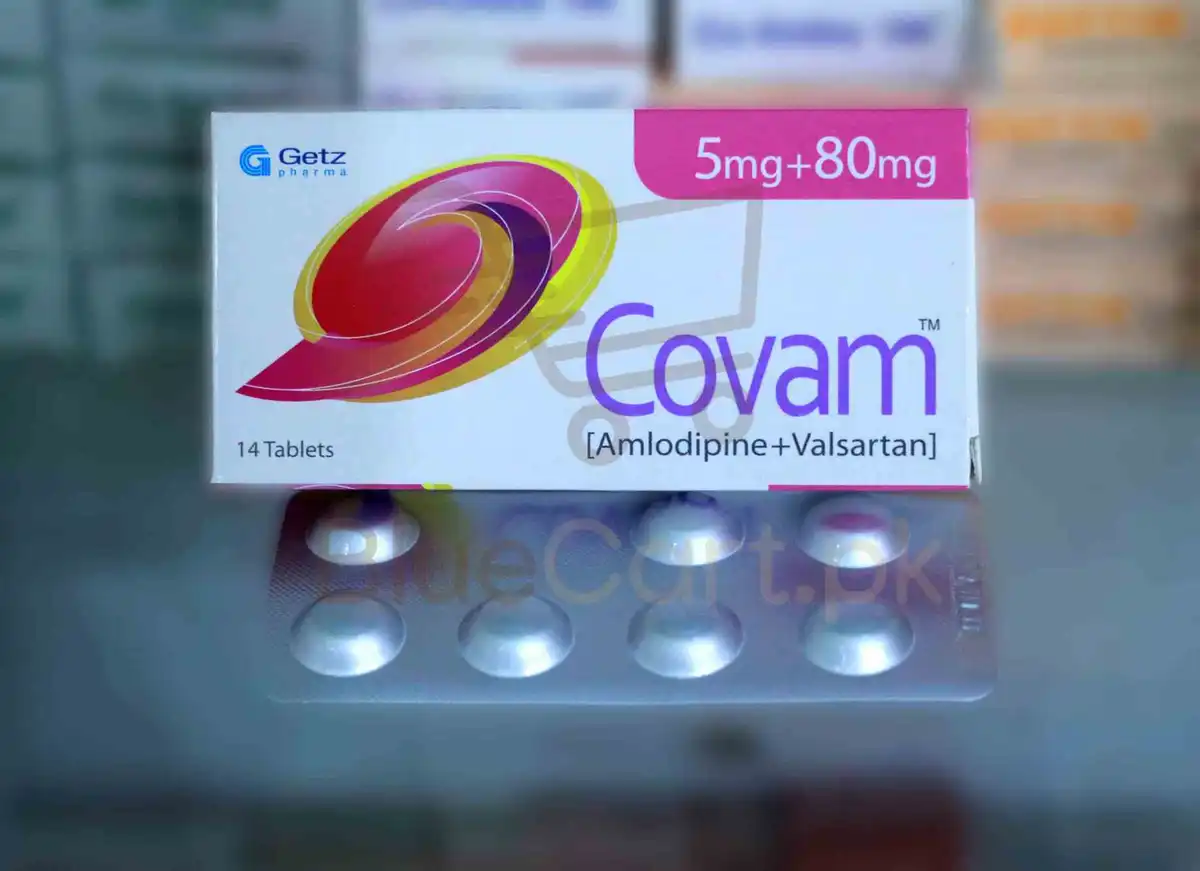
"Covam 5/80," a medication commonly prescribed to patients suffering from hypertension (high blood pressure). | Google | Google
Patients who rely on "Covam 5/80," a medication commonly prescribed for hypertension, are facing significant difficulties in obtaining it following a stockout at State Trading Organization (STO) pharmacies.
Customers seeking this medication have reported that it is unavailable at State Trading Organization (STO) pharmacies. Staff at these outlets have further stated that they are unable to provide a specific timeline for when the medicine will be back in stock.
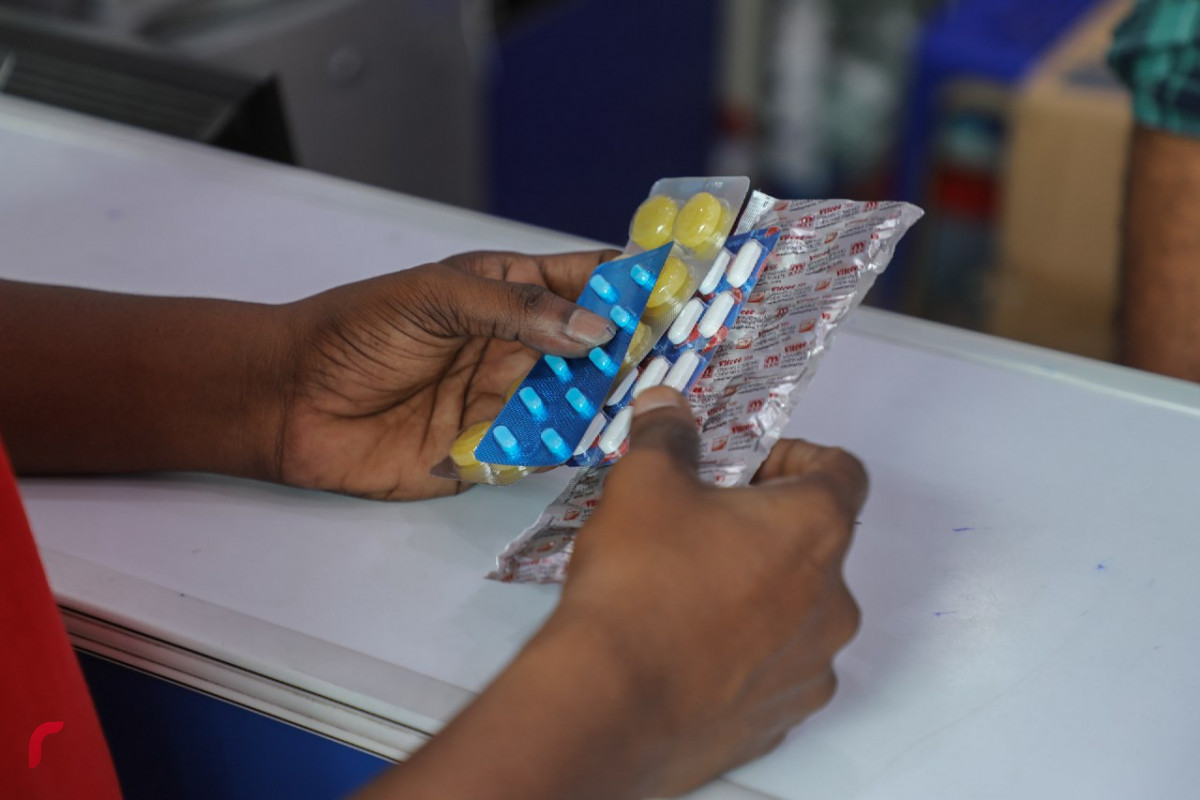
According to pharmacies in Male', demand for this medication remains unchanged despite significant supply shortages over the past few weeks. Due to the unavailability of the medicine, patients are now being forced to seek alternative brands, consult doctors for substitute prescriptions, or purchase the medication at higher prices from private providers.
Patients have noted that this medication is unavailable in most private pharmacies, with some reporting it is completely out of stock. This shortage has sparked growing concern among those who rely on the medicine daily to manage their blood pressure.
Despite the government's repeated assurances that arrangements are in place to ensure an uninterrupted supply of essential medicines and that no shortages will occur, various stakeholders continue to express concern over the unavailability of many commonly used medications.
Relevant authorities have previously stated that systems have been established to ensure the uninterrupted supply of essential medicines across all regions of the Maldives.
However, the hardships faced by patients in obtaining essential medications for chronic illnesses have raised serious questions regarding the drug importation and management system, as well as the assurances previously provided by the government.
Relevant health authorities have yet to issue an official statement regarding the cause of the medication shortage or provide an expected date for its availability. Furthermore, efforts to obtain a comment from the State Trading Organization (STO) regarding this matter have been unsuccessful.
Despite the gravity of the situation, pro-government lawmakers have voted to dismiss an emergency motion filed in Parliament. The motion sought to bring the government's attention to the critical shortage of essential medicines, which has reportedly placed numerous lives at risk, and to facilitate a formal debate on the crisis.
The emergency motion, submitted by Mohamed Ibrahim (Kudoo), the MDP Member of Parliament for the North Galolhu constituency, highlighted an alarming surge in public complaints regarding the unavailability of prescribed medications and the failure to provide essential life-saving medical supplies. The motion further emphasized that this crisis is visibly placing the lives of numerous citizens at significant risk.
The emergency motion alleged that these issues stem from government-led changes to ENSPA and STO regulations, aimed at facilitating corruption and illicit gains. It further noted reports suggesting that these policy shifts were orchestrated to ensure that medicines and medical supplies are procured exclusively from specific pre-selected parties.
The Parliament has rejected the emergency motion. In dismissing the matter, Deputy Speaker Ahmed Nazim, presiding over the session, stated that the member had failed to substantiate the claims made in the motion. Specifically, the Deputy Speaker noted that the member could not provide evidence to support allegations that the government had amended the policies of the National Social Protection Agency (NSPA) and the State Trading Organization (STO) to facilitate corruption and illicit gains by mandating the procurement of medicine and medical supplies from specific parties.
Consequently, the chair has decided not to accept the matter.