Why should we say no to holding two elections on the same day?
3 އެޕްރީލު 2026 | ހުކުރު 11:04Amending the constitution to hold presidential and parliamentary elections simultaneously threatens to undermine the separation of powers and pave the way for executive overreach. While proponents justify this change as a cost-cutting measure, it risks overshadowing local constituency issues and raises significant concerns regarding the potential rise of authoritarianism. Consequently, citizens must carefully weigh these risks before casting their ballots in the upcoming referendum.

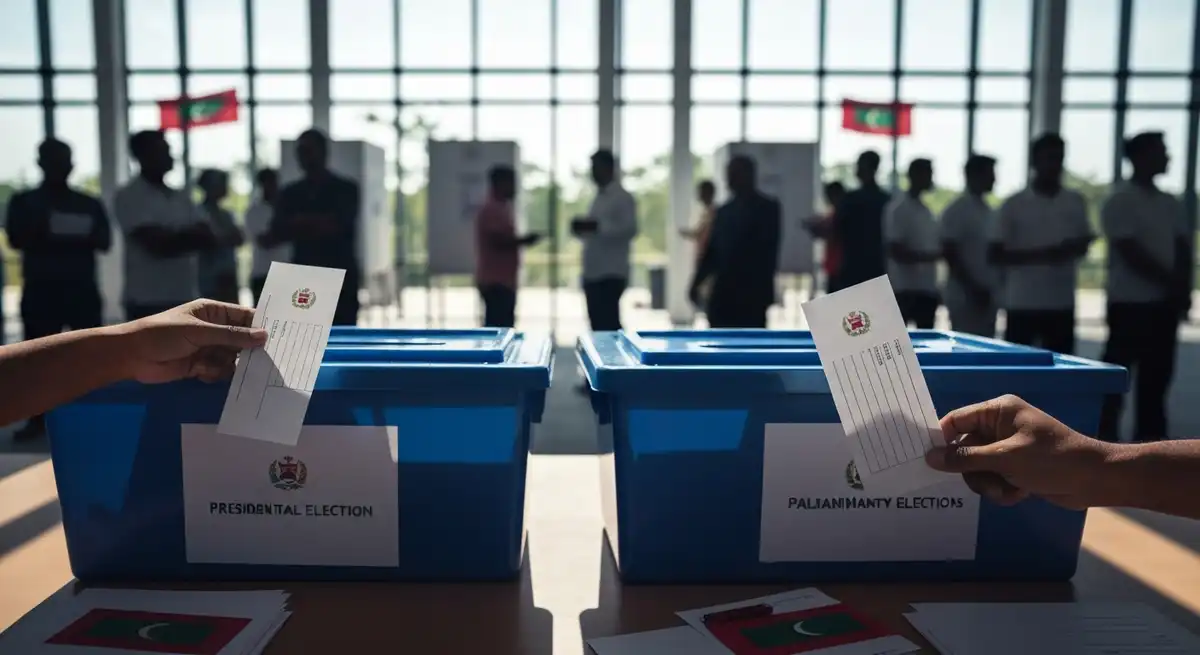
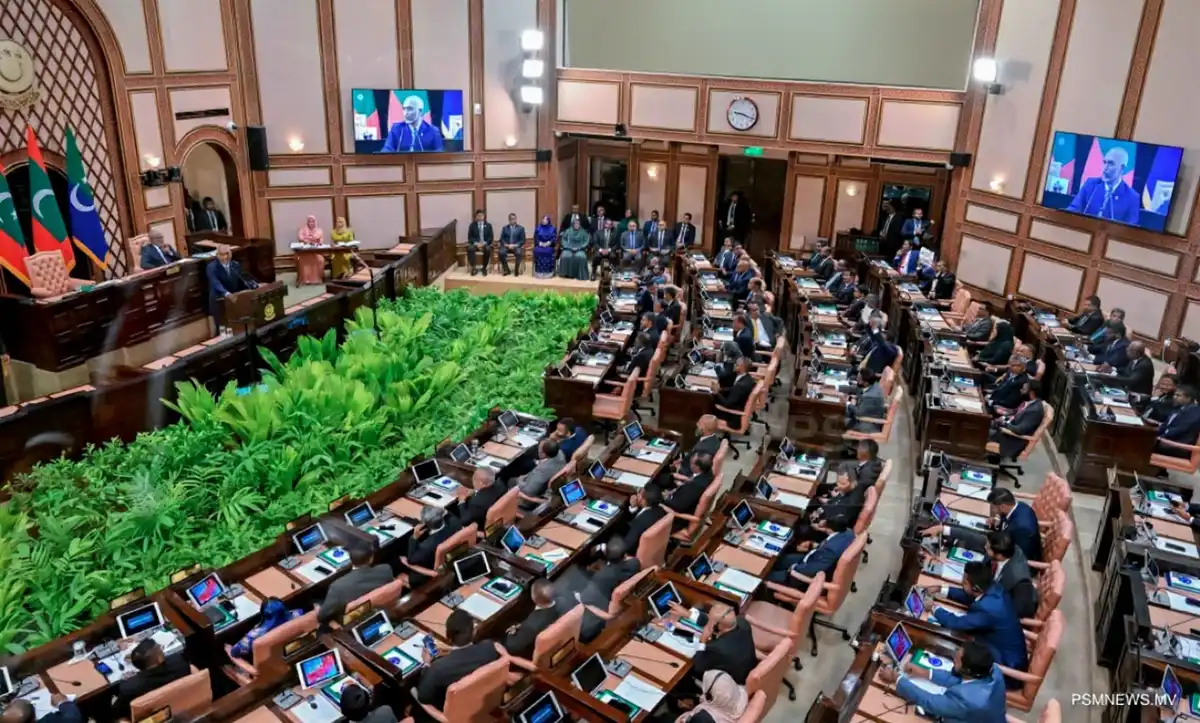
Many suspect that there is a hidden agenda behind the proposal to hold the presidential and parliamentary elections concurrently. | RaajjeMV
Elections are one of the most vital pillars of a functional democracy. In a democratic system, elections empower citizens to have a direct voice, select representatives from among themselves, ensure the peaceful transition of power, and provide the public with the authority to hold their leaders accountable.
Article 4 of the Constitution mandates that all powers of the State derive from and remain with the people; this principle is most authentically realized through elections. Elections represent the absolute constitutional authority granted to the citizens to hold their leaders accountable. Any measure to restrict this power must only be undertaken following extensive debate and through a process that ensures the broadest possible public participation.
This coming Saturday marks a significant milestone in Maldivian democracy. Alongside the local council elections and the Women's Development Committee elections, the government is also conducting a referendum on Saturday—a move critics describe as a calculated attempt to mislead the public by holding two major elections and a nationwide vote on the same day.
The government's primary justification for holding two elections on the same day is the potential cost savings for the state budget. This is a point no one disputes; while the savings may not be substantial, it would undoubtedly reduce public expenditure to some extent. The contention, however, lies in the government's decision to push through constitutional amendments within a 24-hour period under questionable circumstances. This move is being pursued despite numerous other avenues available to the government to reduce state spending—many of which would yield far greater savings than those achieved by synchronizing the two elections.
What the government has failed to address are the potential negative repercussions of holding the country’s two major elections on the same day within a presidential system like that of the Maldives. I shall share some of these concerns with you.
Although we claim that the Maldives follows a presidential system, this is not entirely accurate. In reality, the country operates under a governance framework that blends characteristics of both presidential and parliamentary systems.
Holding both elections on the same day would further weaken the constitutional separation of powers, diminishing the system of checks and balances between the branches of government. Such a move would significantly increase the likelihood of voters electing parliamentary candidates who support the successful presidential candidate. This would create an even easier path to securing a parliamentary supermajority than currently exists. The ultimate consequence would be the loss of parliamentary independence. The legislature would risk becoming even more of a rubber-stamp body, subservient to the whims of the incumbent administration.
Another potential consequence of holding two elections on the same day is the risk of diminished public attention toward the parliamentary race. This could lead to a less rigorous evaluation of candidates, potentially resulting in the election of unqualified individuals over more capable representatives, further exacerbating the issue of incompetence within the legislature.
Holding the presidential and parliamentary elections on separate dates makes it significantly easier to address local issues within island communities. In parliamentary elections, candidates tend to advocate for the specific needs of their constituencies rather than focusing solely on national issues. However, if both elections were to be held simultaneously, the attention given to these localized concerns would likely diminish.
Combining the two elections will significantly pave the way for an authoritarian regime.
It is a valid point that many countries hold multiple elections on the same day. Nations such as Brazil, the Philippines, Mexico, and Argentina follow this practice. However, holding concurrent elections in these countries has often paved the way for authoritarian figures, such as Duterte in the Philippines, to consolidate power more easily. Another factor to consider is the length of presidential terms in countries like the Philippines, where the President and Vice President are elected for a six-year term. If the system is changed to hold two elections on the same day, one must wonder: could the government also be harboring intentions to extend the presidential term, as whispered in recent rumors?
As you head to the polls for Saturday’s referendum, I urge every citizen to reflect deeply on these matters. The final decision rests in your hands.