Serious concerns raised over referendum; constitutional integrity must be upheld, say civil society organizations
2 އެޕްރީލު 2026 | ބުރާސްފަތި 20:45Civil society organizations have previously shared numerous concerns with the People's Majlis; however, they noted that these recommendations were not implemented and expressed that the legitimacy of the entire referendum has now been compromised.

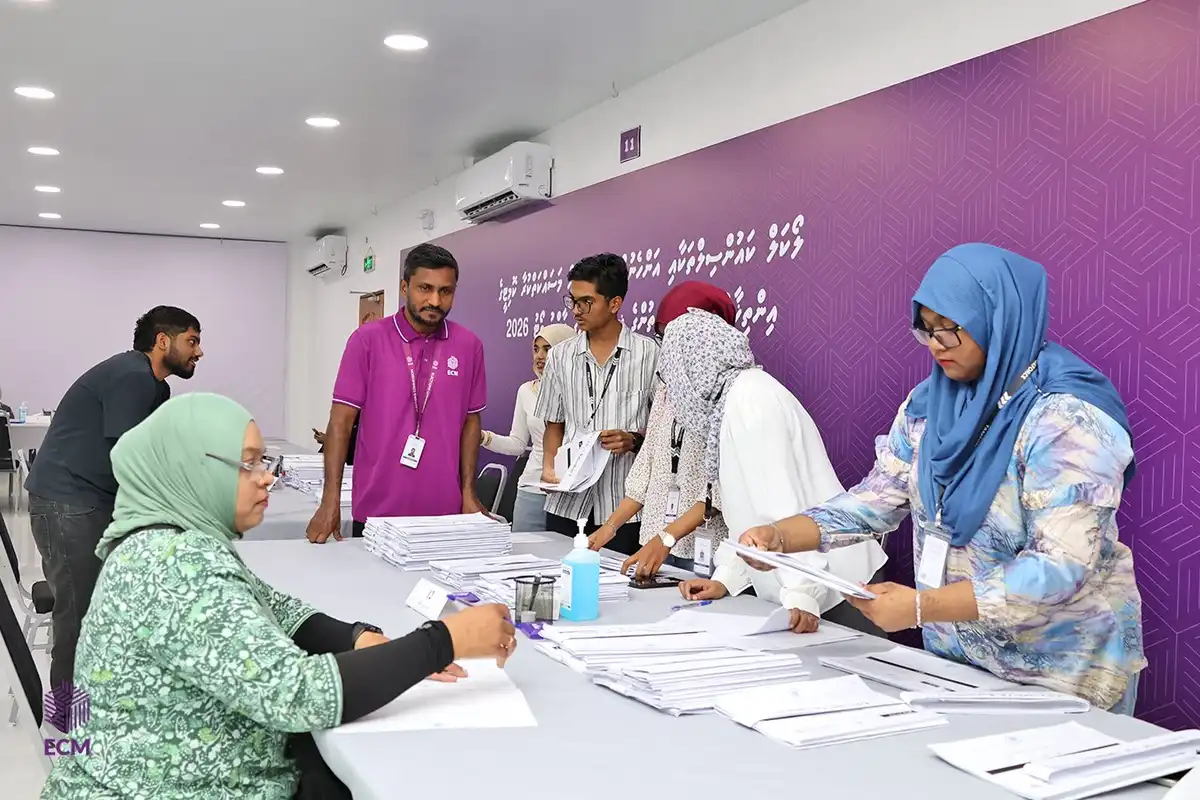
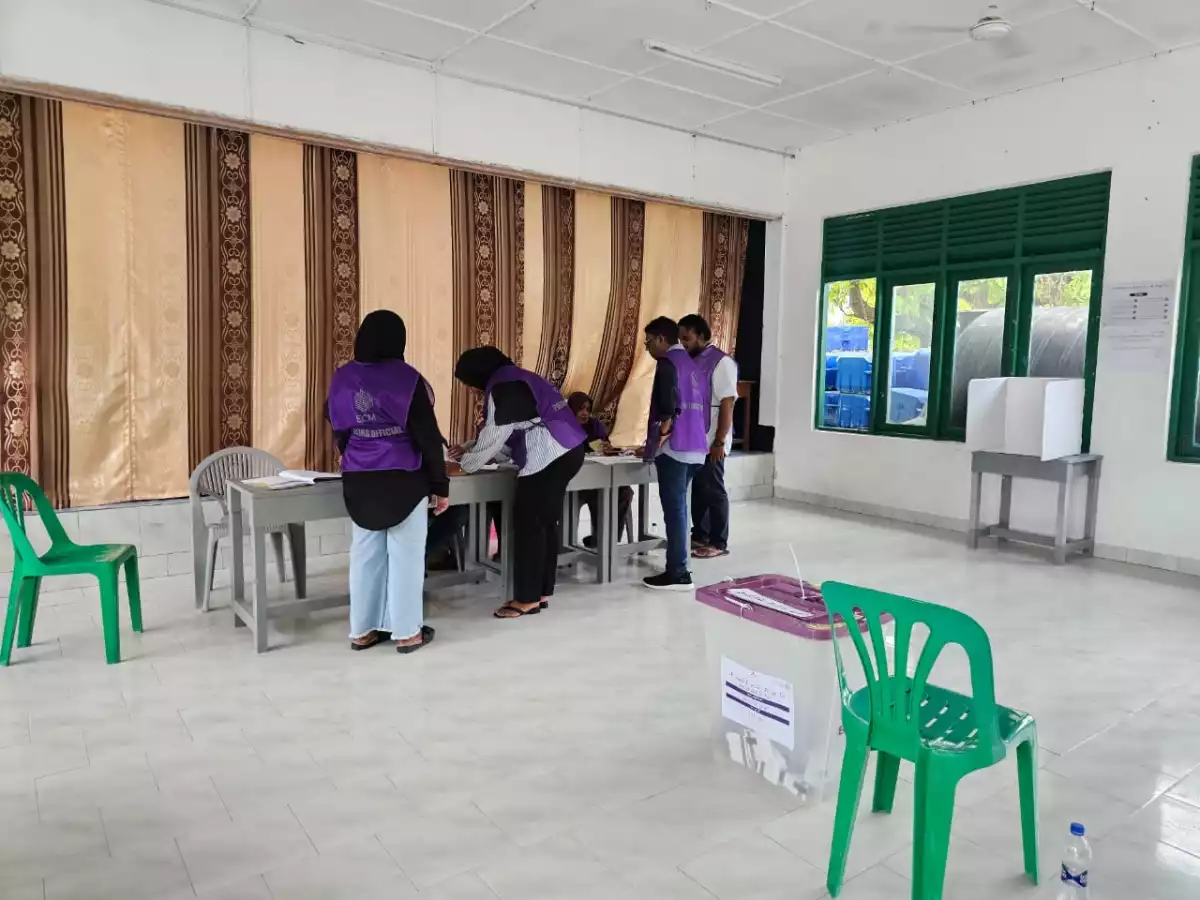
Candidates or their designated representatives signing the final voters' registry for the 2026 Local Council Elections, Women's Development Committee Elections, and National Referendums. | Elections Commission
The "Raajje Coalition for Good Governance" (RCG), a collective of several local civil society organizations, has stated that the proposed referendum raises serious concerns regarding the principles of good governance, public participation, and the preservation of constitutional integrity.
The RCG made these remarks in a joint statement issued alongside several Maldivian human rights and advocacy organizations, including the Association for Democracy in the Maldives (ADM), Save Maldives, Transparency Maldives, the Mental Health Support Group, and Zero Waste Maldives.
In a joint statement, the organizations noted that the referendum scheduled for April 4 will be the first national vote of its kind held in the Maldives since 2007. They further highlighted that this marks the first referendum to be conducted under the "General Referendum Act" (Act No. 15/2025).
However, the "Raajje Coalition for Good Governance" (RCG) has expressed profound concern, noting that the Elections Commission's ongoing efforts face direct questions of legitimacy due to a disregard for established state procedures and a lack of meaningful public participation.
Furthermore, the statement highlighted that the referendum has raised serious concerns regarding the principles of good governance, public participation, and the preservation of constitutional integrity.
Concerns regarding this matter are being raised by legal professionals, including a former Supreme Court justice, as well as civil society organizations and political parties. While several cases challenging the legal validity of the vote have been filed in the Civil Court, High Court, and Supreme Court, a ruling remains pending in one of these cases.Statement from the RGC
In this referendum, citizens are being asked whether they support or oppose the eighth amendment to the Constitution. The proposed amendment encompasses two distinct changes: synchronizing presidential and parliamentary elections to be held simultaneously, and modifying the term of the People’s Majlis.
As a result of this change, the terms of the currently elected Members of Parliament will be shortened, expiring on November 30, 2028. The RGC noted that all eight amendments made to the Constitution over the past 15 years since its inception were enacted without following the comprehensive procedures prescribed within the Constitution itself. In this regard, it was stated that Parliament has failed to make adequate efforts to seek meaningful public consultation during the various stages of proposing amendments and passing bills.
Specifically, it was noted that the 8th Amendment to the Constitution was introduced during an emergency session convened while the Parliament was in recess. The notice for this session was issued less than 24 hours in advance. Furthermore, the entire debate on the bill reportedly lasted less than three hours.
Furthermore, the RGC statement highlighted significant structural and systemic issues surrounding the referendum, noting that these flaws would negatively impact the credibility of the vote.
Article 19 of the Public Referendum Act mandates that a period of 45 to 90 days must elapse between the formal announcement of a referendum and the actual date of voting. However, the statement noted that this timeframe is insufficient to adequately raise public awareness and facilitate meaningful consultation and debate on matters of significant national importance.
Furthermore, the statement highlighted concerns that the existing legal framework fails to guarantee that citizens are fully informed about the potential outcomes, risks, and benefits associated with this vote.
The RGC further contends that when a referendum is called by presidential decree under Article 10 of the Act, the information pamphlets provided to the public must not exclusively feature arguments in favor of the proposed amendment. Providing one-sided information while omitting opposing views is seen as an impediment to informed decision-making by the citizenry and a violation of international standards.
The civil society organizations within this coalition have previously shared these concerns with the People’s Majlis. However, noting that their recommendations were not implemented, the organizations stated that the overall integrity and legitimacy of the referendum have now been compromised.