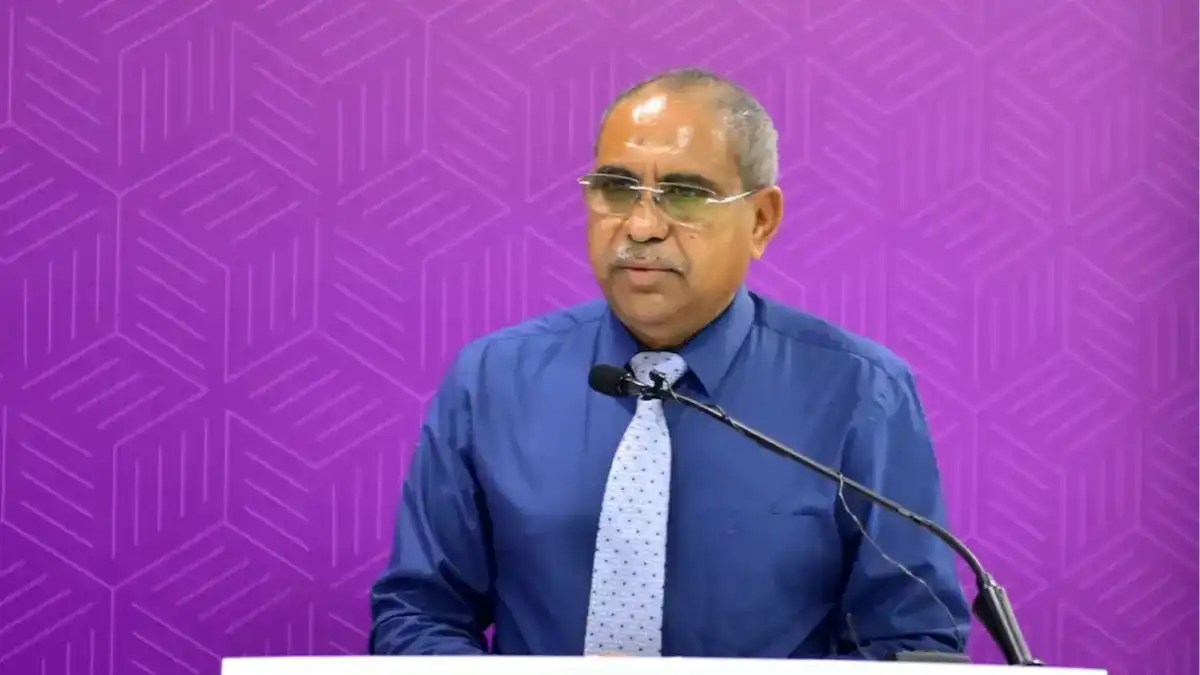
Umar Naseer rejects proposal to hold presidential and parliamentary elections simultaneously
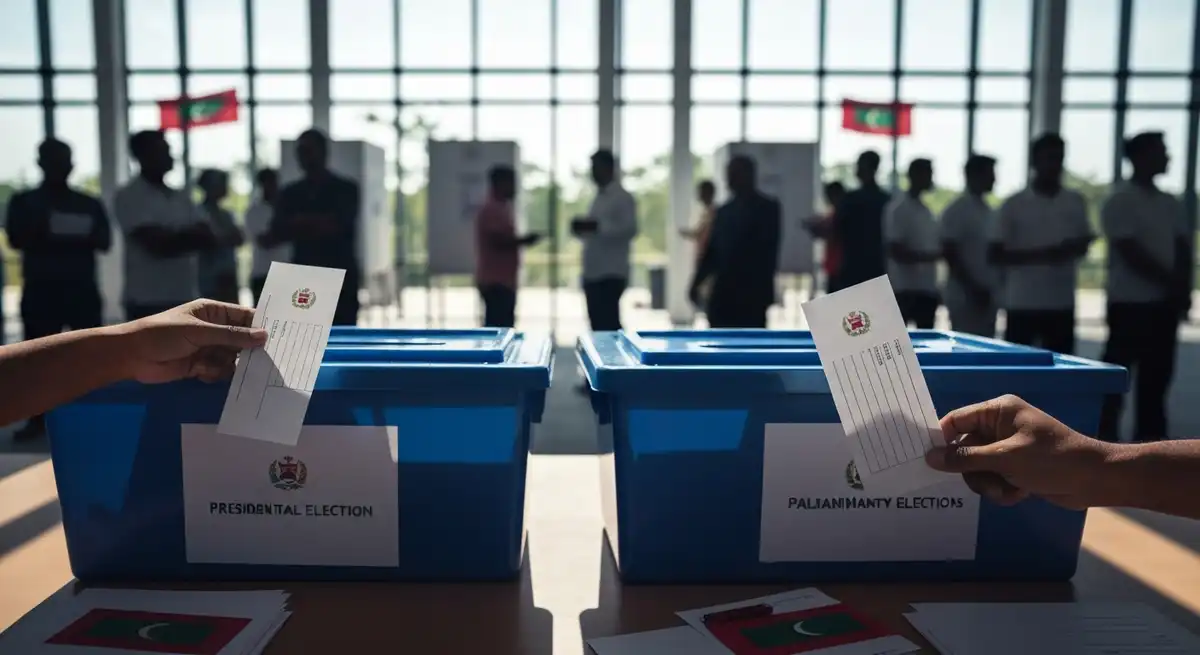
29 މާރިޗު 2026 | އާދީއްތަ 18:46Former Home Minister Umar Naseer has voiced his opposition to holding presidential and parliamentary elections simultaneously, arguing that the parliamentary election should instead be combined with local council elections. While acknowledging the need for cost-cutting, Naseer emphasized that the presidential election is the most significant decision regarding the nation's future and must remain a standalone process to ensure its integrity and focus.

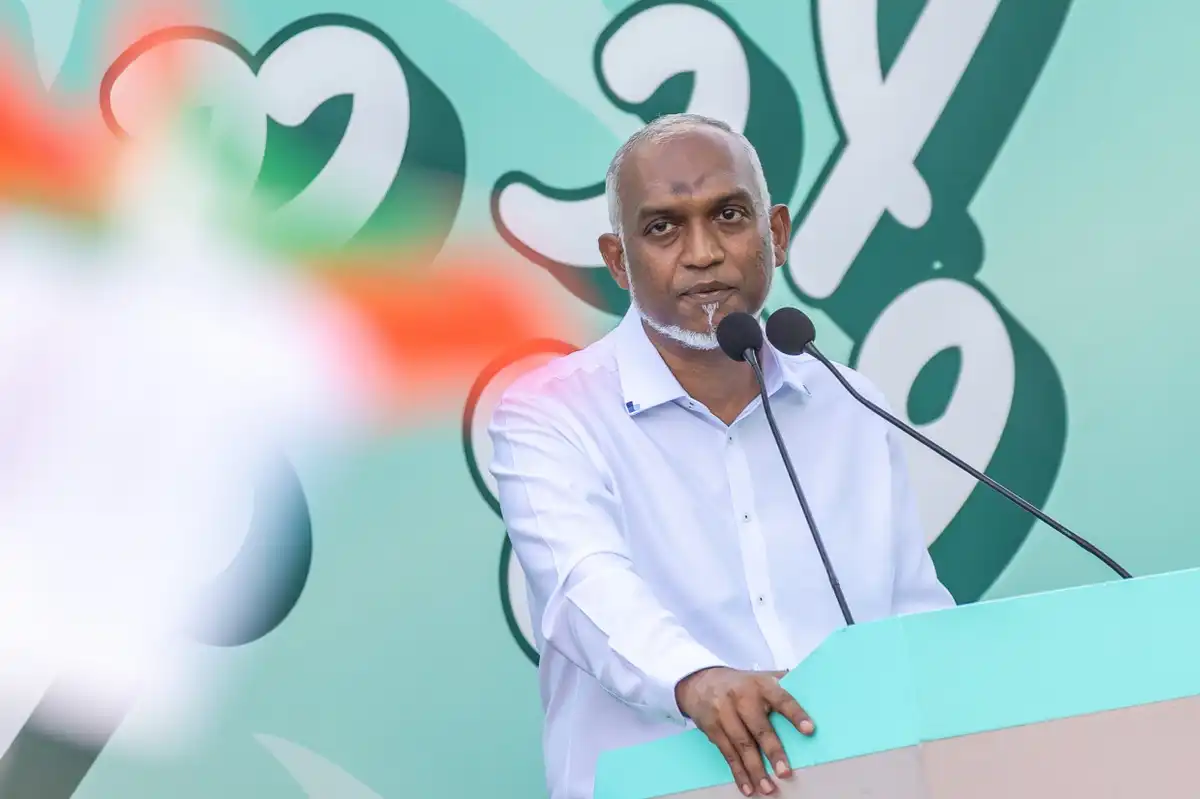
Umar Naseer. | X | Twitter
Former Home Minister Umar Naseer has expressed his opposition to holding the presidential and parliamentary elections concurrently.
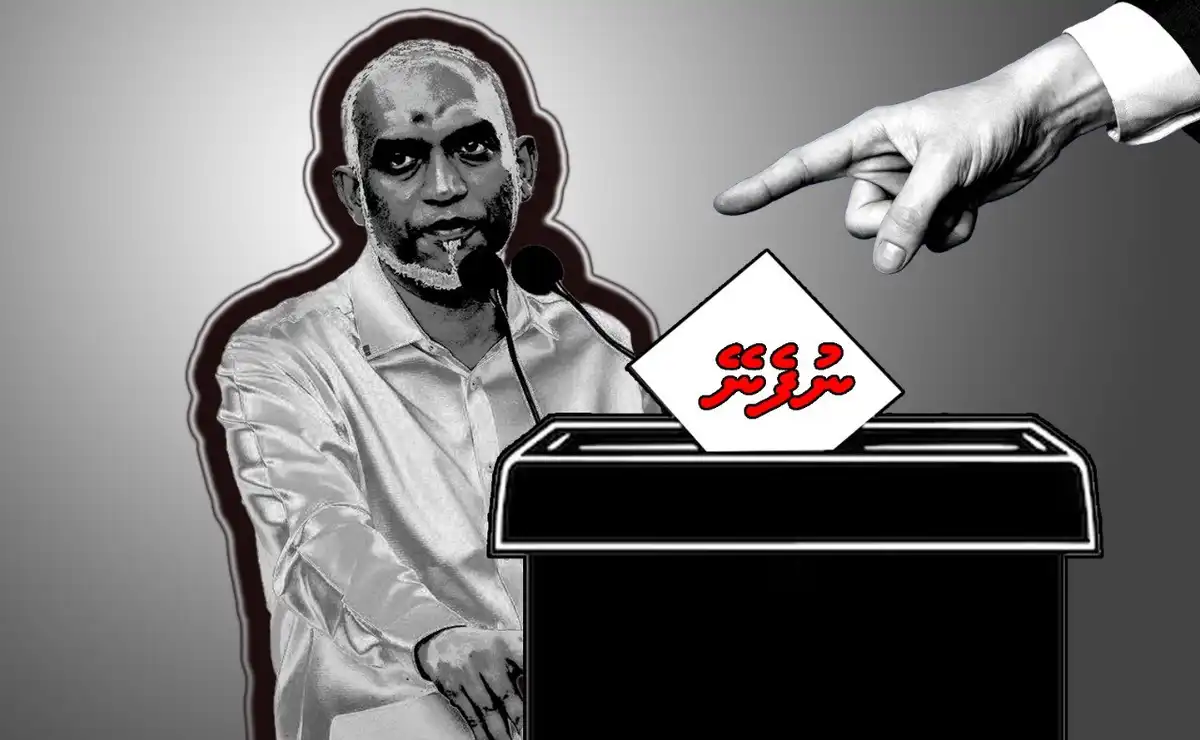
Naseer, a prominent advocate for national interests and public rights, has urged citizens to reject the proposal to merge the two major elections in a post on X. While Naseer expressed support for reducing the total number of national elections from three to two, he emphasized that the two most significant elections should not be combined.
Naseer stated that, at the very least, two elections should be consolidated.
Naseer stated that, in his view, the parliamentary elections should be held concurrently with the local council elections.
Naseer stated that the presidential election is the most significant vote, as it determines the future of the entire nation. In contrast, he noted that the other two elections are focused on individual constituencies.
Naseer stated that it is inconsistent to hold the smallest election separately at a high cost after merging the two largest elections under the pretext of cost-cutting. He further urged the public to reject the proposal to combine the two major elections.
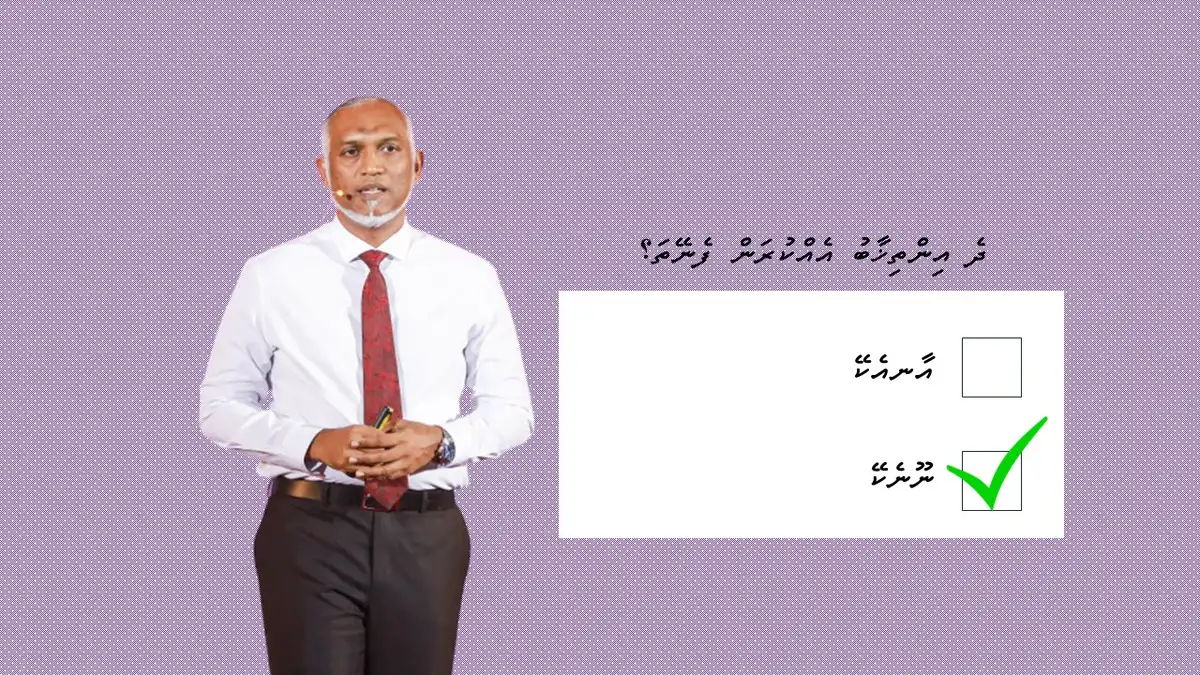
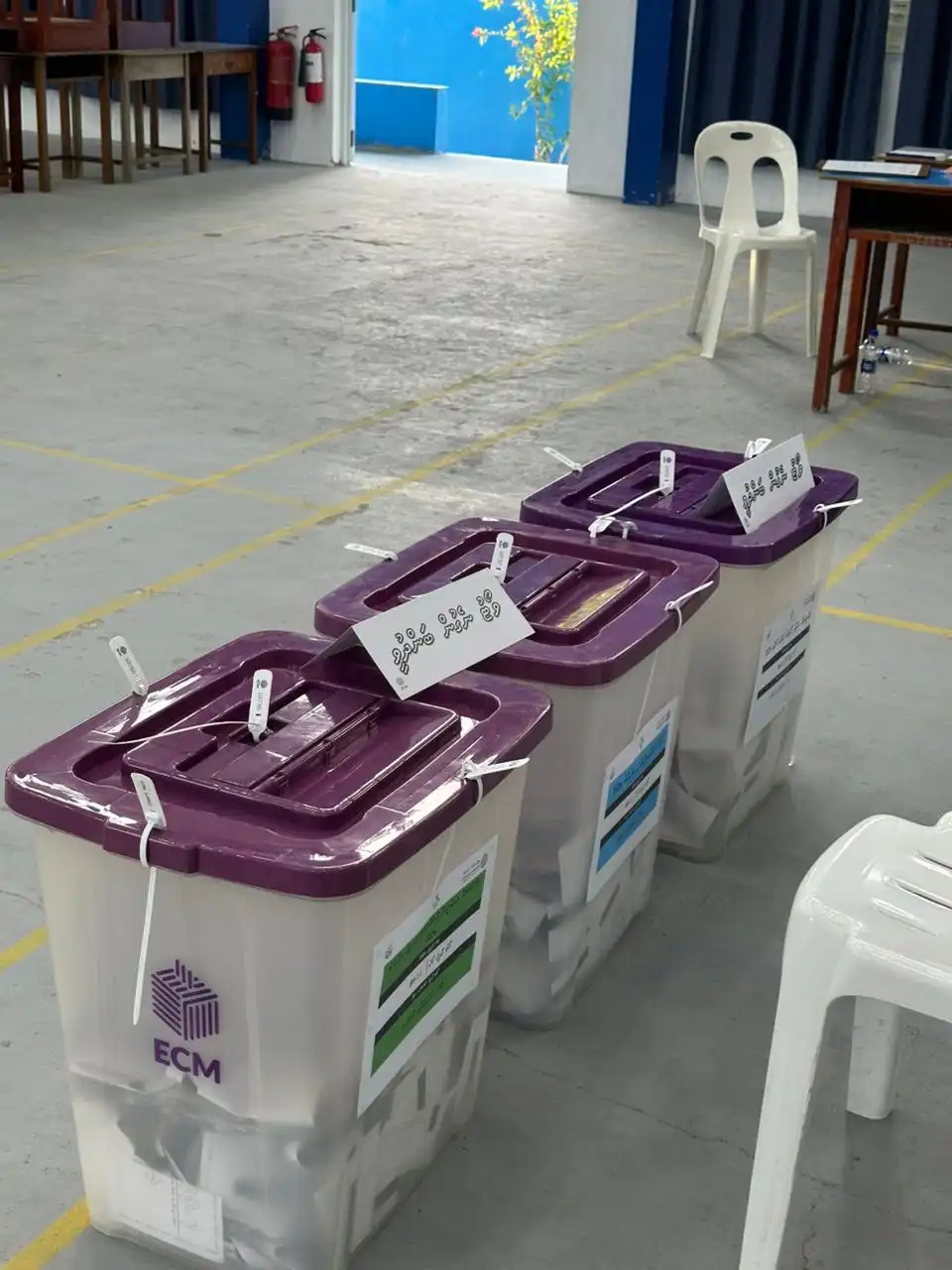
Naseer's remarks regarding the synchronization of elections come at a time when the government has decided to hold a public referendum to gauge citizens' views on the matter. The referendum is scheduled to take place on April 4th next year.
The referendum will seek public opinion on whether to hold presidential and parliamentary elections concurrently. The government maintains that the primary objective of synchronizing the elections is to reduce the substantial state expenditure incurred by holding them separately. However, critics argue that this move is an attempt to undermine the electoral system, destabilize the governance structure, and exert undue control over the citizenry.