Constitutional amendments were not made responsibly; they are legally questionable and flawed: Muizzu
29 މާރިޗު 2026 | އާދީއްތަ 10:46He highlighted that several critical questions remain unanswered, including the necessary consequential amendments to the Constitution and the practical implementation of proposed cost-cutting measures.

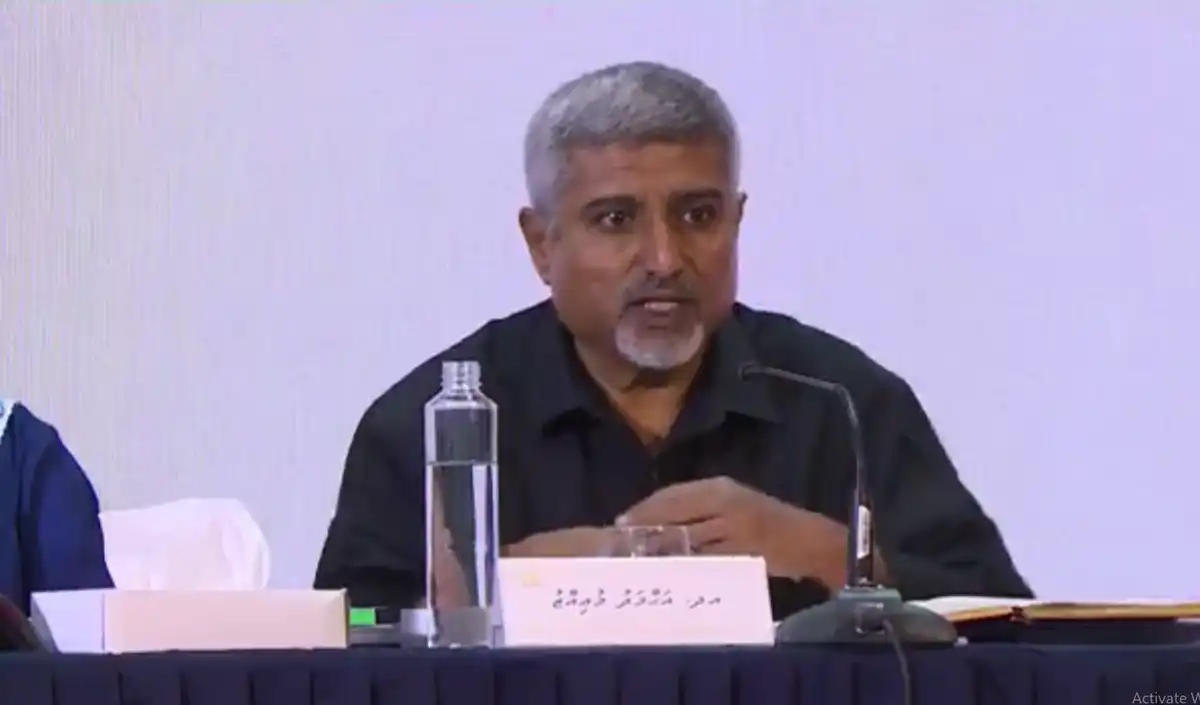
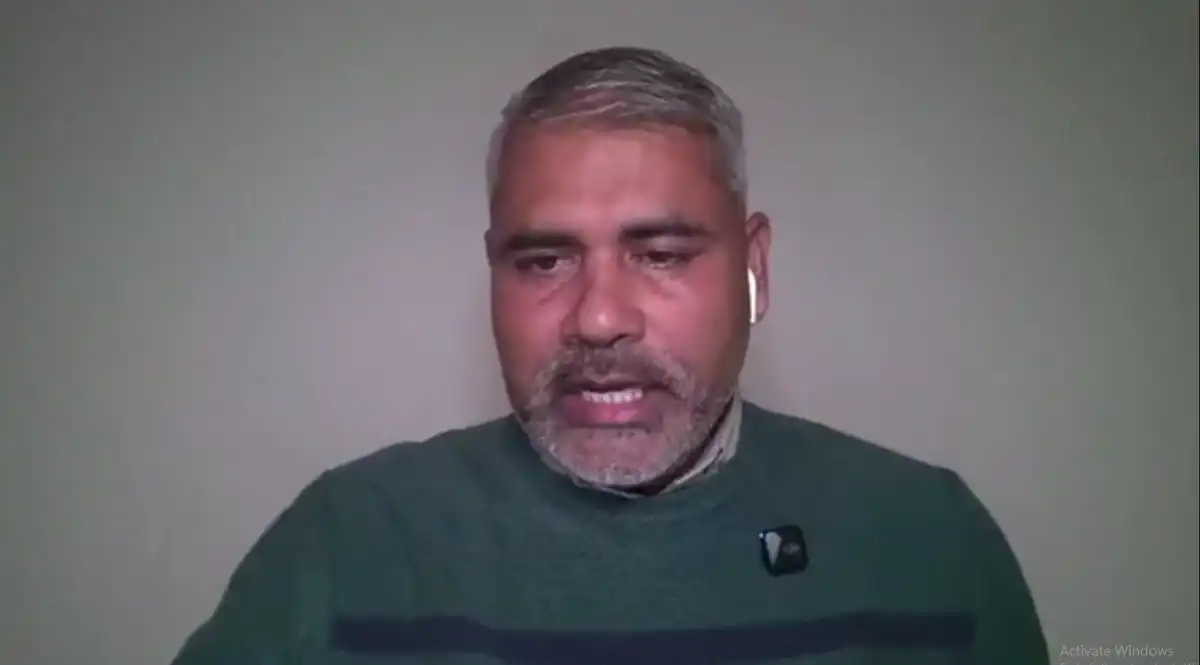
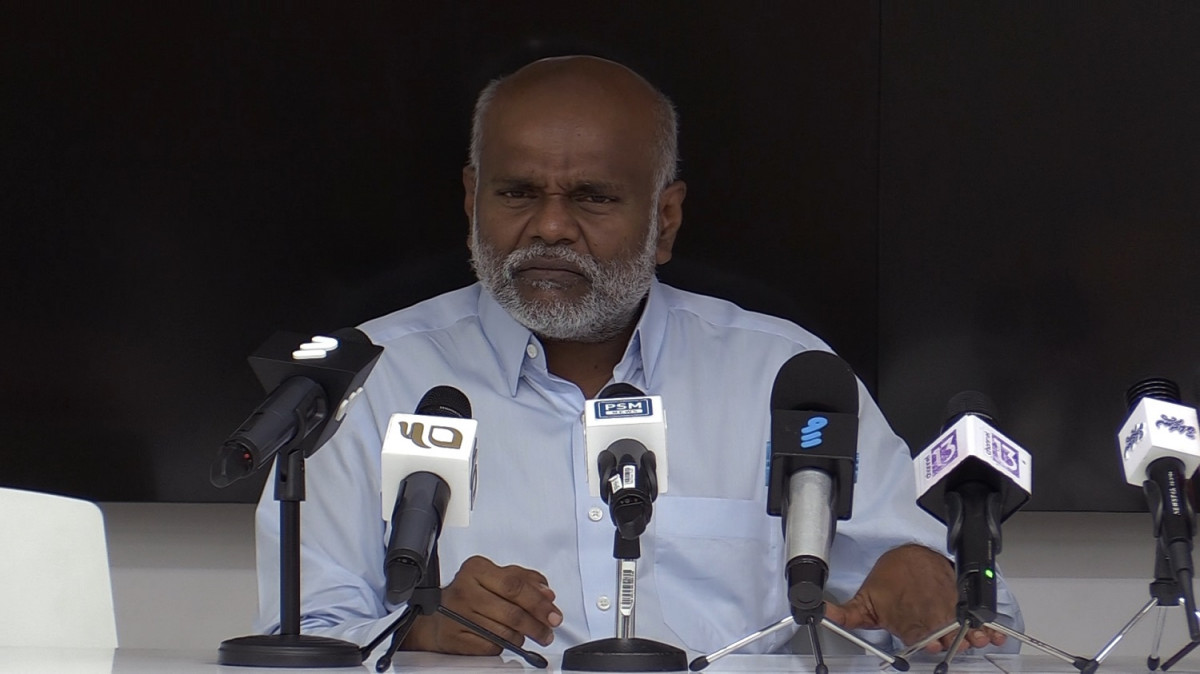
Ahmed Muizzu, the first Prosecutor General of the Maldives. | RaajjeMV | Raajje MV
The Maldives' first Prosecutor General, Ahmed Muizzu, has stated that the eighth amendment to the Constitution cannot be considered a responsibly enacted legal change. He further characterized it as a flawed amendment that raises numerous legal questions.
Muizzu, who also served as a member of the Special People's Majlis, made these remarks while speaking remotely at a forum organized by the Bar Council on Saturday.
Muizzu stated that President Dr. Mohamed Muizzu had been discussing potential constitutional amendments as far back as two years ago, which raises questions as to why the process was rushed through at such short notice. He further noted that had the process been conducted in a manner that allowed for adequate public participation, it could have been viewed as a responsible undertaking.
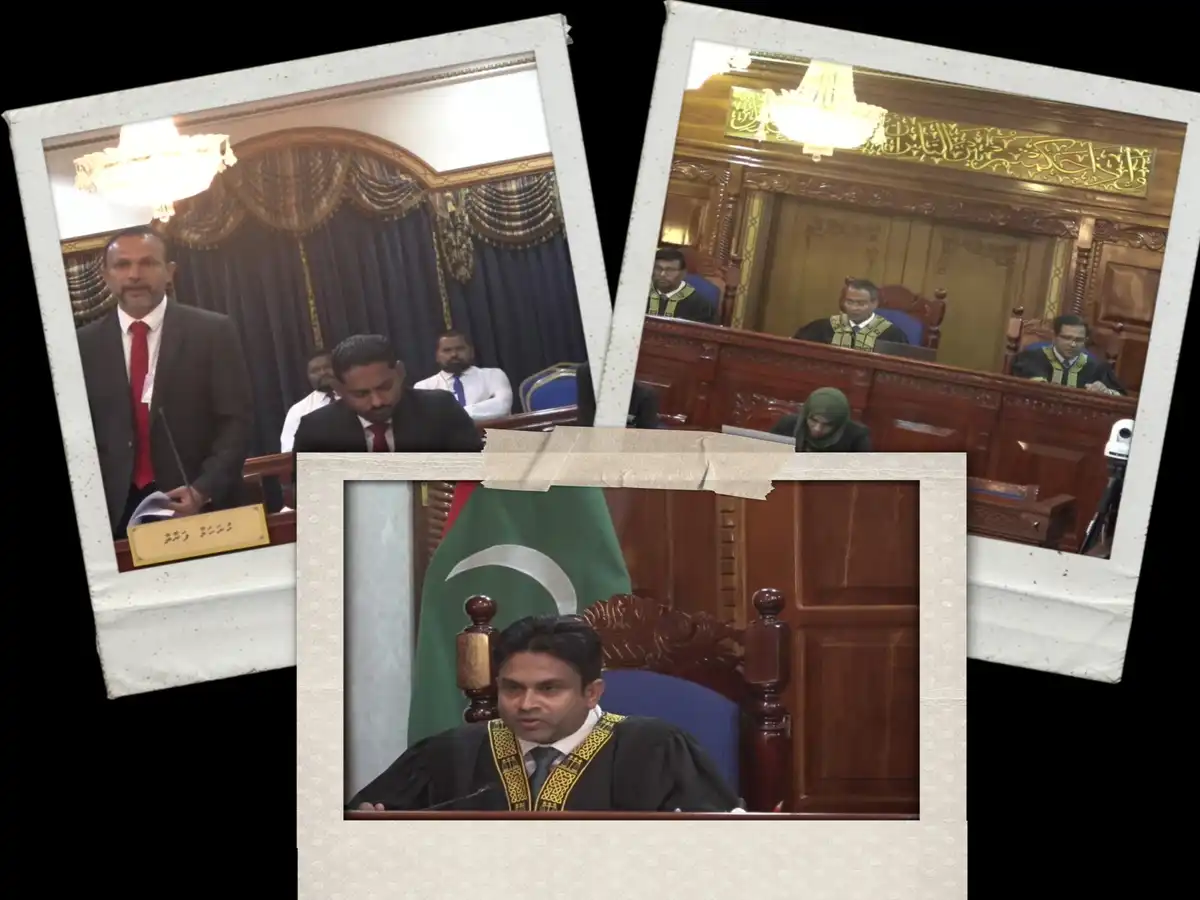
Furthermore, he noted that the work on this bill was carried out during an extraordinary session convened while the Parliament was in recess.
The President initially addressed these reforms in some form in November 2024 and continued to discuss them into 2025. Therefore, the question arises as to why the implementation was suddenly postponed until January. Had these measures been facilitated in a manner that allowed for greater public participation, the citizens would have viewed the process as being conducted with much higher levels of accountability.Ahmed Muizzu, the first Prosecutor General of the Maldives.
Muizzu, who served in the assemblies that drafted both the "Blue" and "Green" Constitutions, further noted that members of Parliament failed to raise several critical questions while the process of amending the Constitution was underway. He highlighted that numerous inquiries remain regarding the consequential amendments required to align with this change, as well as the practicalities of cost reduction. He emphasized that when introducing significant changes that impact the public, it is essential that such questions are thoroughly addressed.
With these matters still pending, how can we justify a situation where a bill drafted on January 3 was introduced on the 4th, with debate commencing on the 5th—less than 24 hours later? Our representatives have already raised concerns regarding the fact that they barely received the required 24-hour notice. These are critical issues that demand clear answers.Ahmed Muizzu, the Maldives' first Prosecutor General.
Furthermore, Muizzu questioned whether the provisions outlined in Article 4 of this amendment would be formally integrated into the Constitution upon ratification. Specifically, that article stipulates that the term of the current Parliament shall expire on December 1, 2028. It further mandates that the first election following the enactment of this law must be conducted in accordance with its provisions, and all necessary arrangements for the appointment of members must be finalized to ensure the inaugural session of the new term is held on December 1, 2028.
President Muizzu highlighted an advisory opinion issued by the Supreme Court on May 29, 2020, during the COVID-19 pandemic, which emphasized the need to avoid legal ambiguity and conflicting interpretations regarding the weight and consequences of provisions not explicitly included in the Constitution. He further noted that, as it currently stands, it remains unclear where exactly the fourth article is situated within the constitutional framework.
"Therefore, this is a flawed amendment; it has not been executed correctly. I view this as a defective amendment that could be subject to legal challenges. The Supreme Court had previously brought similar issues to the attention of the petitioners in 2020. It is deeply regrettable that this amendment was submitted once again without addressing those concerns, especially in a matter of such significance. This is an issue that could have been easily rectified during the drafting stage, yet it remains unaddressed due to a lack of proper oversight."Ahmed Muizzu, the Maldives' first Prosecutor General.
Given these circumstances, he stated that the amendment to the law cannot be considered one that was made with a sense of responsibility.