Constitutional amendment alters the fundamental structure of the Constitution: Shamsul Falah
29 މާރިޗު 2026 | އާދީއްތަ 10:42Despite the differing opinions expressed by former Attorneys General regarding this amendment, Falah emphasized that the changes to the parliamentary term are critical matters directly linked to the very existence of the state.

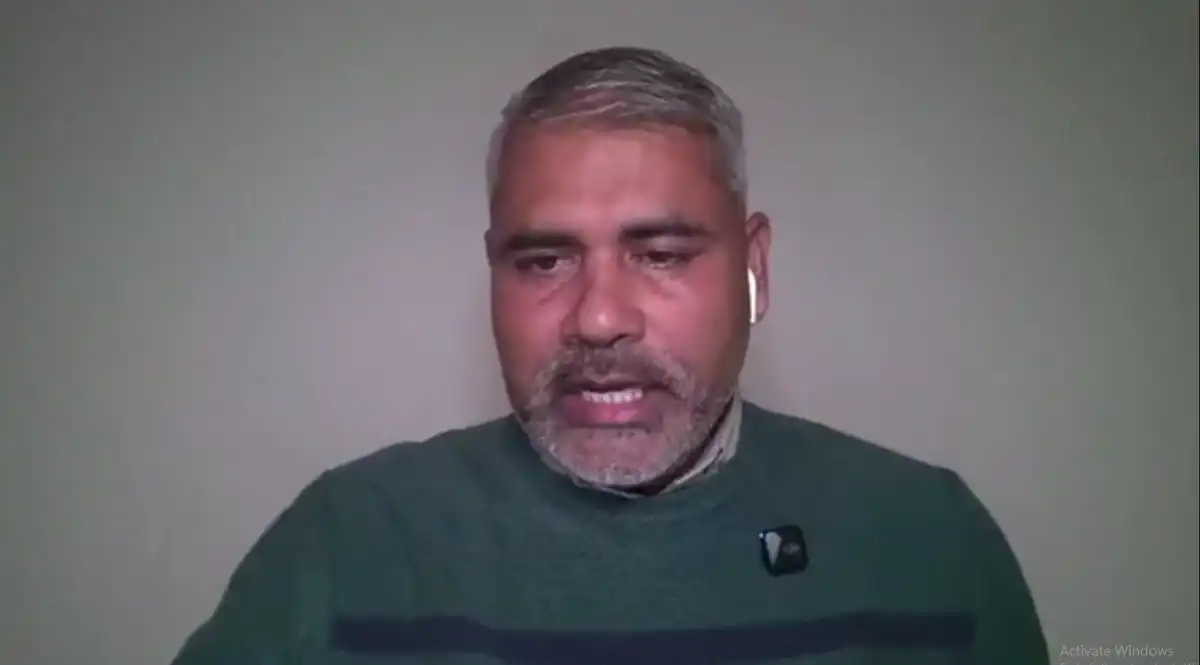
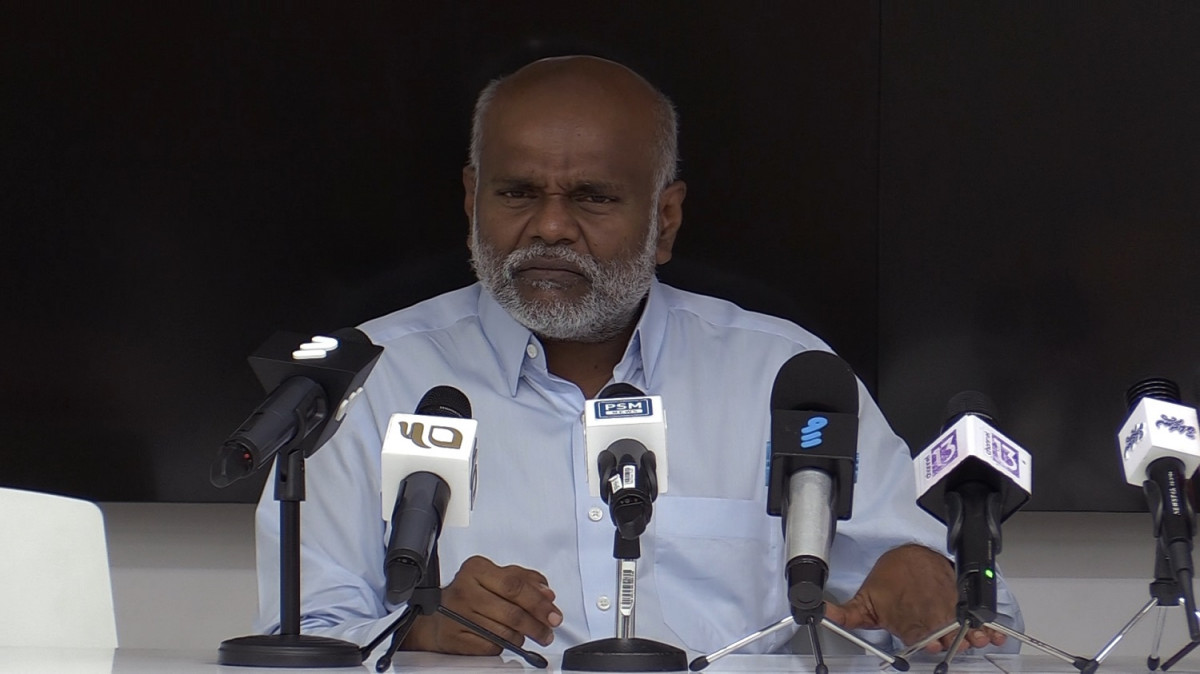
Shamsul Falah, a writer specializing in legal and constitutional research. | RaajjeMV | Raajje MV
Dr. Shamsul Falah, a legal and constitutional researcher, has stated that the eighth amendment to the Constitution is a change that fundamentally alters the basic structure of the entire Constitution.
Falah, an expert who has authored academic research on the basic structure of the Constitution, made these remarks while participating virtually in a forum hosted by the Bar Council on Saturday.
During the forum, former Attorneys General Dhiyana Saeed and Azima Shakoor both stated their view that the eighth amendment to the Constitution does not alter its fundamental structure.
However, Falah holds a different perspective on the matter. He noted that Article 2 of the Constitution outlines several fundamental characteristics of the Maldivian state, defining the Republic of the Maldives as an independent, democratic, and sovereign state based on Islamic principles.
Article 2 outlines what can be described as the fundamental characteristics upon which the Republic of Maldives is built, particularly in the absence of a formal preamble. Therefore, in determining whether these constitutional amendments align with those core principles, the role of the People’s Majlis remains paramount within the nation’s legal and constitutional framework.Shamsul Falah
Falah stated that the parliamentary term is a significant component within the country's constitutional framework. He further noted that any amendment to the term length would constitute a major change in its own right, potentially altering the fundamental structure of the constitution.
Falah further stated that amending the Constitution is not an issue in itself, provided that such changes are carried out within the established legal framework.
Furthermore, he stated that he could not comprehend the arguments claiming that the Maldives does not recognize a specific doctrine regarding the basic structure of the Constitution. He noted that the Supreme Court has defined these fundamental characteristics in several rulings, including one which explicitly stipulates that any constitutional amendment must be made in a manner that "does not dismantle the basic framework of the Constitution."
It was noted earlier that the "Basic Structure Doctrine" has not been accepted as a scholarly doctrine in the Maldives and that such matters must be resolved through the courts. I am uncertain as to why that claim was made. If we look back to 2012, in the case of *Mohamed Fahmy Hassan v. People’s Majlis*, the Supreme Court of the Maldives explicitly stated that these fundamental characteristics are among the highest principles upon which the Maldivian state is built. The Court further noted that if any of these core principles are undermined, it would threaten the very existence of the state.Shamsul Falah
Consequently, in light of these factors, he stated his belief that the 8th Amendment to the Constitution is a modification that alters the very basic structure of the Constitution.