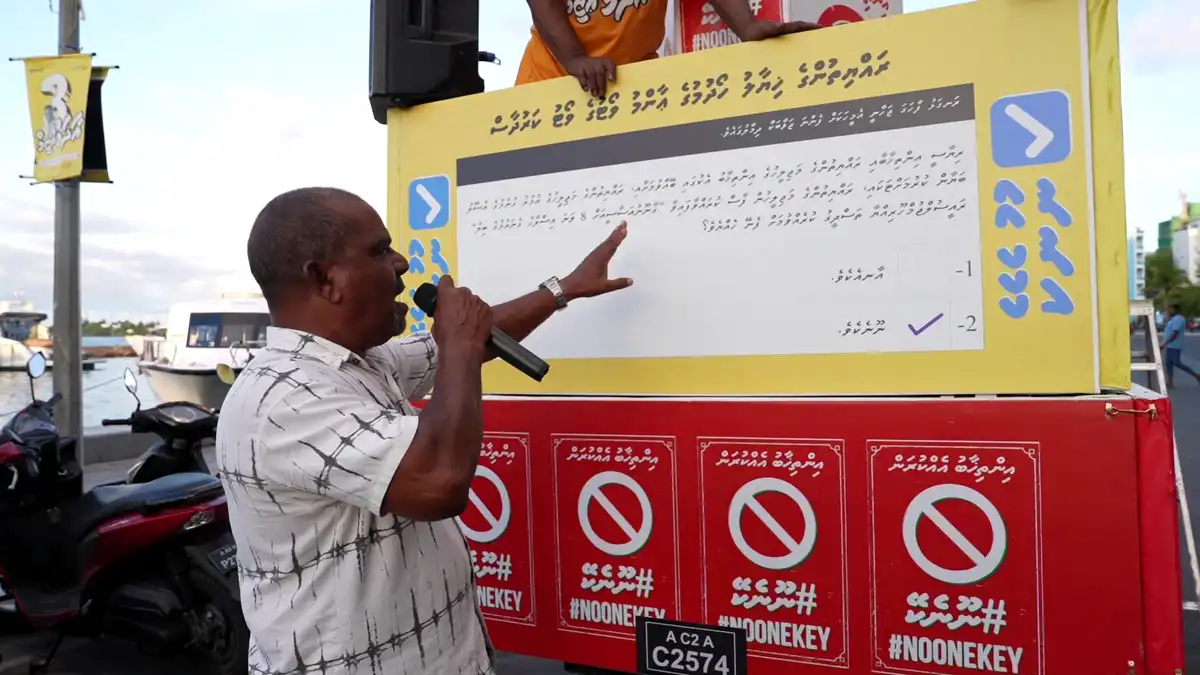
Chief Justice questions EC’s claim of not being a party to the case: Is it appropriate to proceed with an election-related matter without involving the Commission?
26 މާރިޗު 2026 | ބުރާސްފަތި 10:51The Elections Commission (EC) has raised a procedural objection in a legal challenge alleging that the question framed for the public referendum is unconstitutional. The Commission argued before the court that it should not be named as a party in the case, as it was merely acting in accordance with the presidential decree.

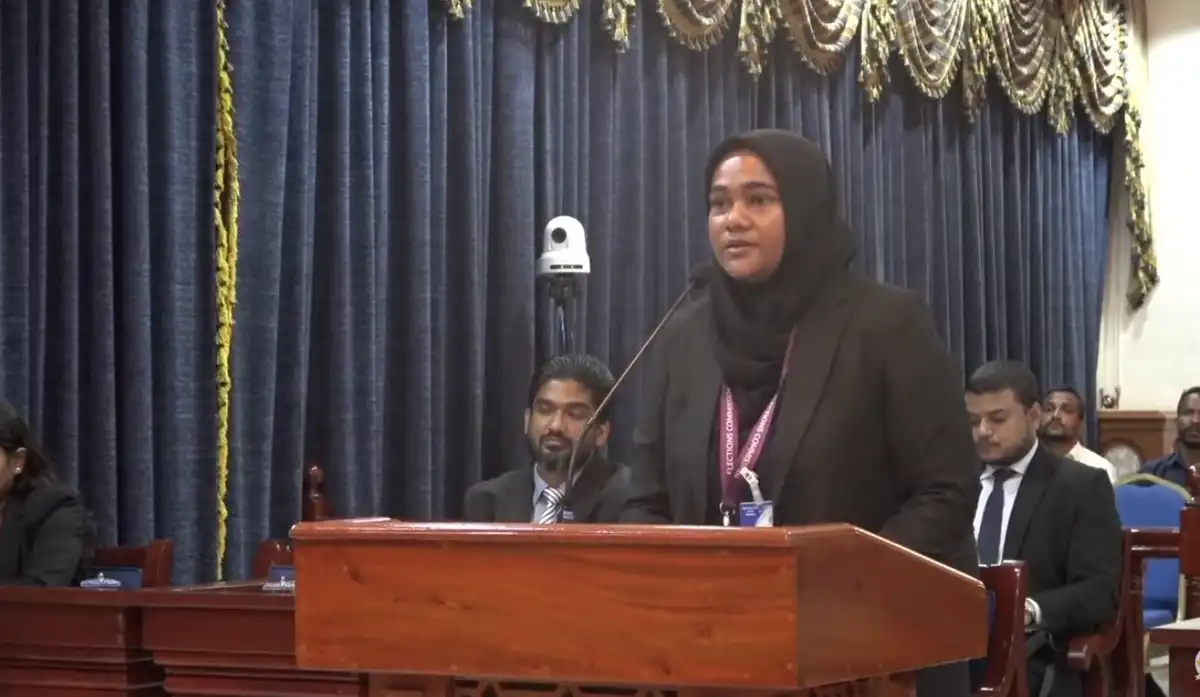
Legal challenge filed to block referendum vote. | RaajjeMV | Raajje MV
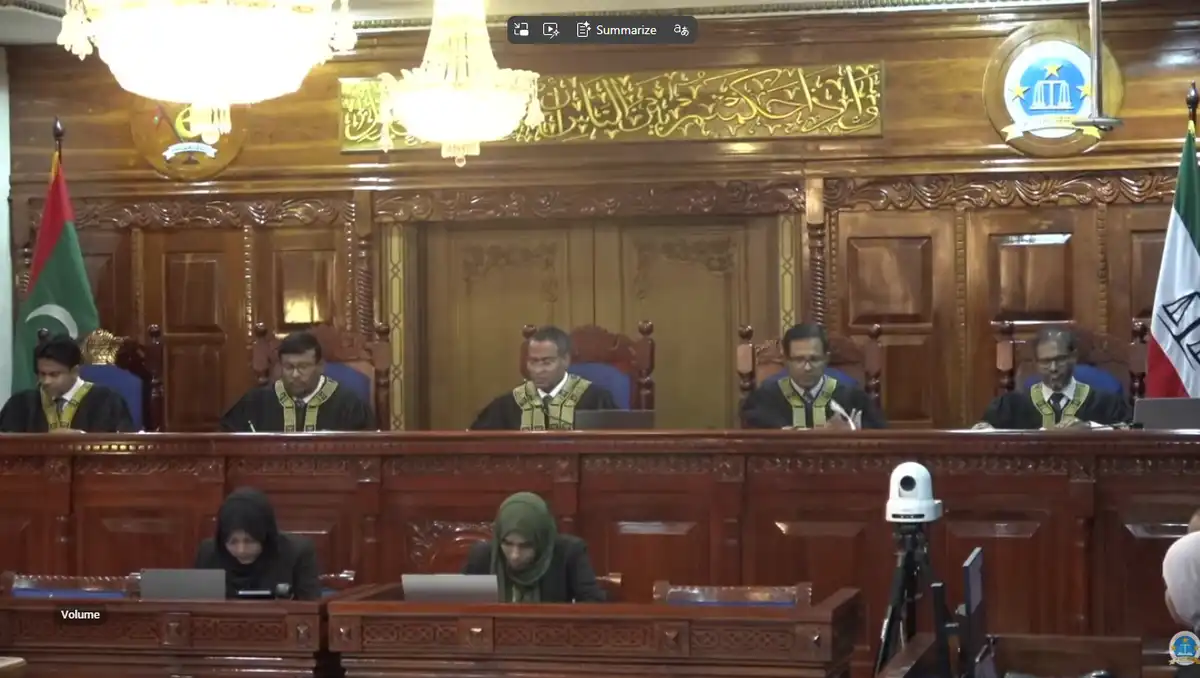
The Supreme Court has conducted the first hearing in a case seeking to declare the phrasing of the question for the public referendum as unconstitutional.
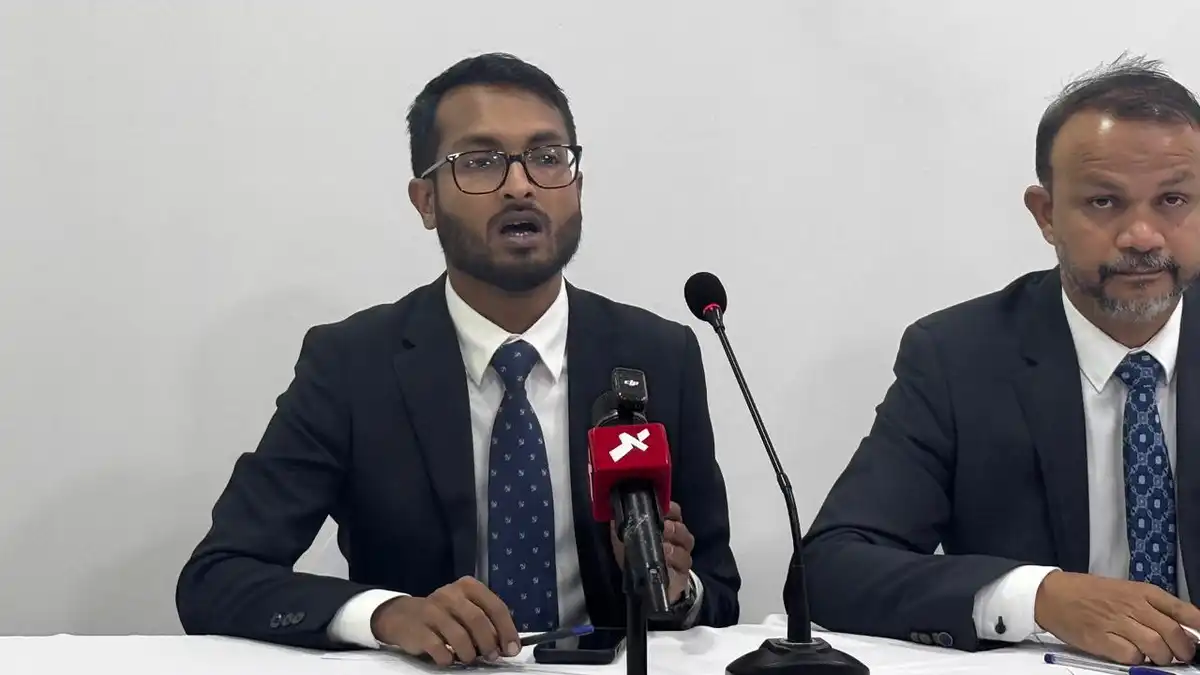
The case was filed in the Supreme Court by legal counsels Ibrahim Shiyam and Aik Ahmed Easa. The petition names the President's Office, the Attorney General's Office, and the Elections Commission as respondents.
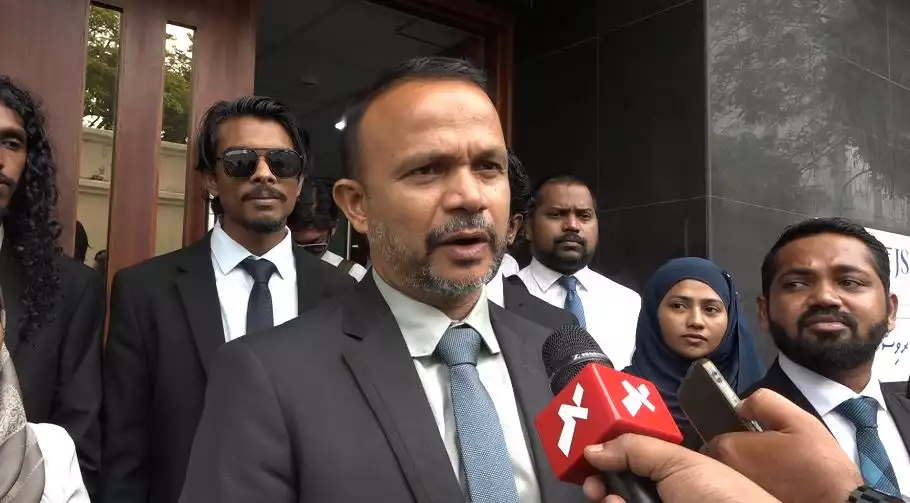
During the opportunity to speak regarding the matter, the legal counsel representing the Elections Commission stated that the Commission wished to raise a procedural point.
The lawyer stated that, based on the nature and details of the case, the matter centers on the phrasing of the question formulated by the President for the public referendum. Regarding the role of the Elections Commission (EC) in this process, the lawyer further noted that under Section 15(a) of the Public Referendum Act, the Commission is mandated to publish the question exactly as it is worded in the presidential decree.
The Elections Commission does not have the discretion to alter or interpret the referendum question. Since the Commission has acted in accordance with the law, we do not believe it is appropriate to include them as a respondent in this case.Legal Counsel for the Elections Commission
At that point, the Chief Justice questioned whether it would be appropriate to proceed with a case concerning the Elections Commission without including them as a party. In response, the legal counsel stated that while they did not believe the Commission should be included as a respondent, they remained prepared to submit a formal response.
Petition filed with Supreme Court seeking to block referendum
The Chief Justice stated that a ruling on the procedural point would be issued when the case is concluded, and subsequently granted the opportunity to raise any further points regarding the merits of the case.
Regarding the merits of the case, the Elections Commission’s (EC) legal counsel stated that the commission had announced the referendum question exactly as framed in the presidential decree. The counsel requested the court to rule that the EC had acted in full compliance with the law.
The counsel also highlighted several initiatives being undertaken by the Commission in preparation for the elections scheduled for April 4.