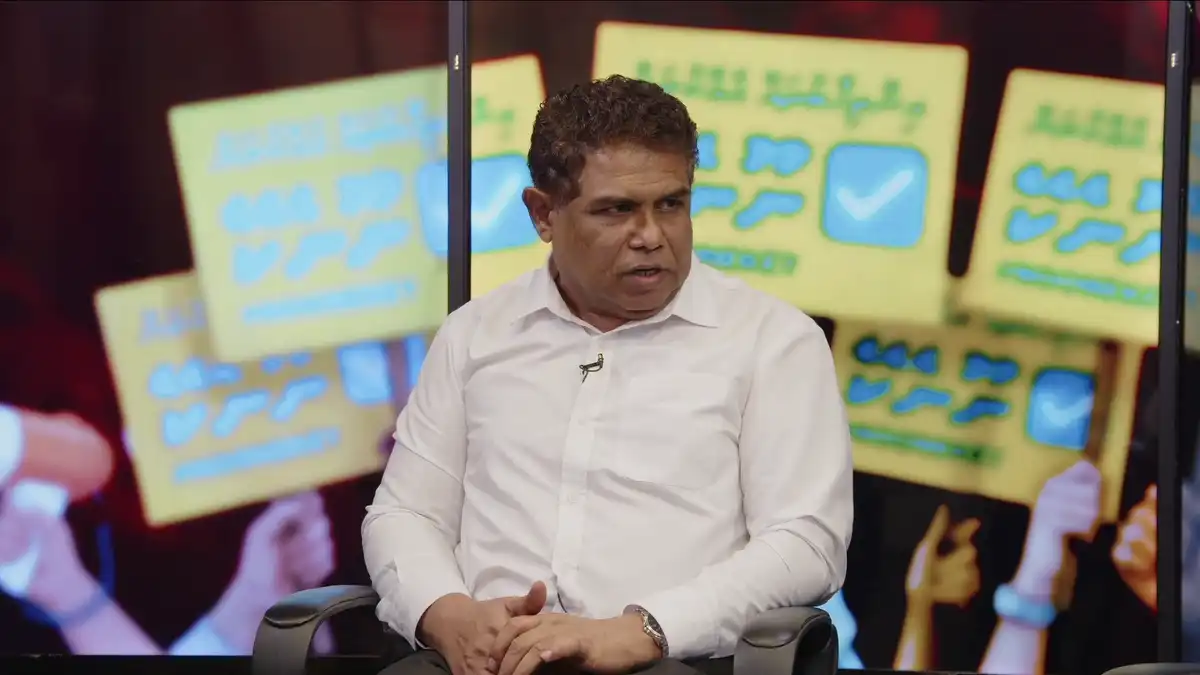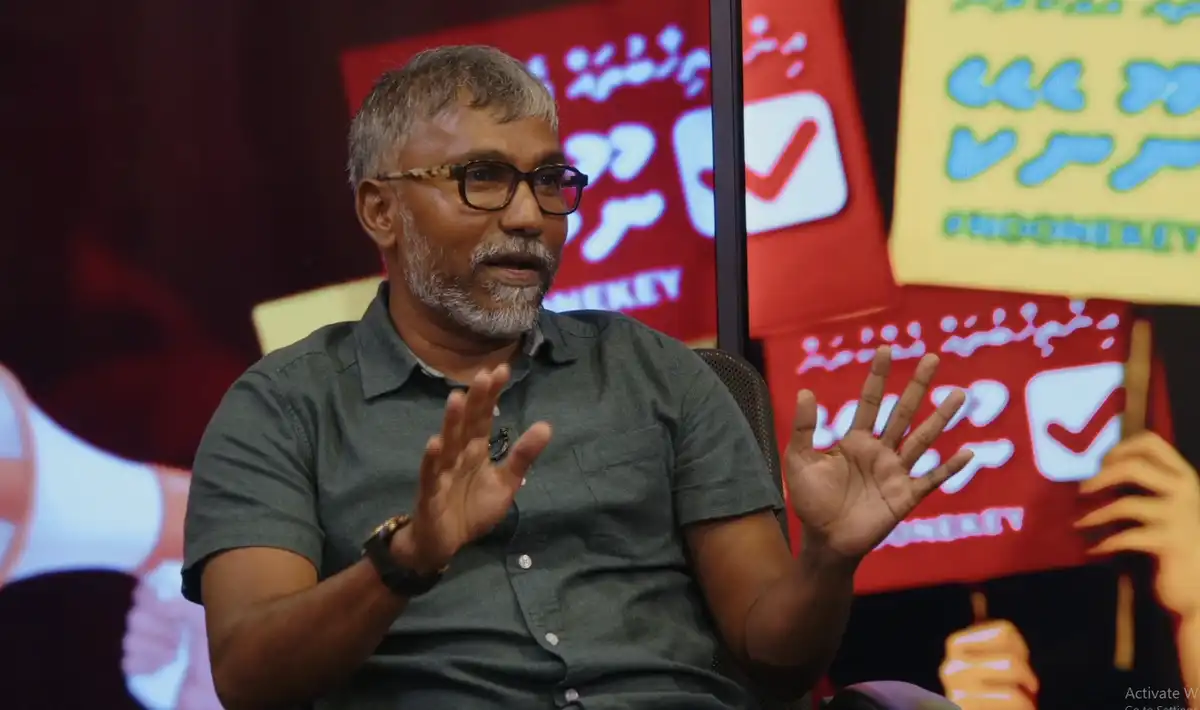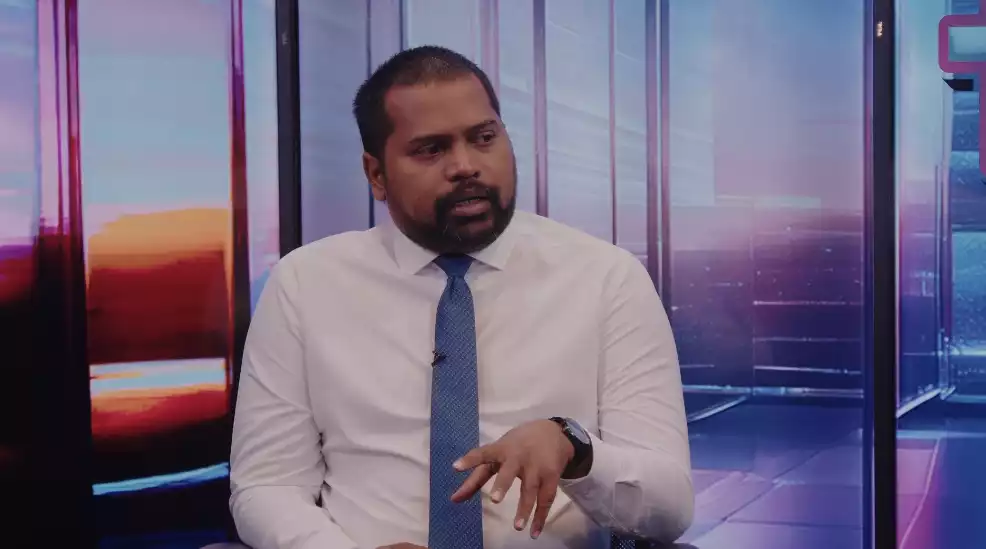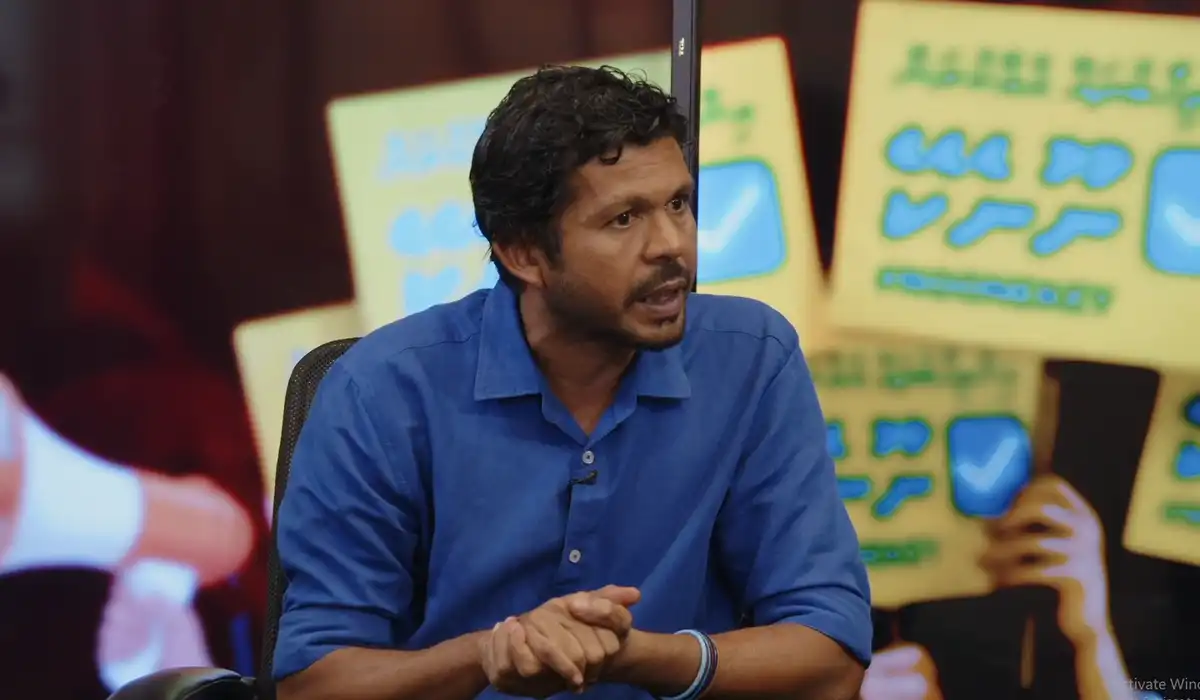
Supreme Court is set to begin hearings tomorrow on a legal challenge seeking to block upcoming referendum, arguing that the current wording of the ballot question renders the vote invalid
25 މާރިޗު 2026 | ބުދަ 10:41The lawsuit seeks a court ruling to block the public referendum scheduled for April 4, 2026, based on the question presented.

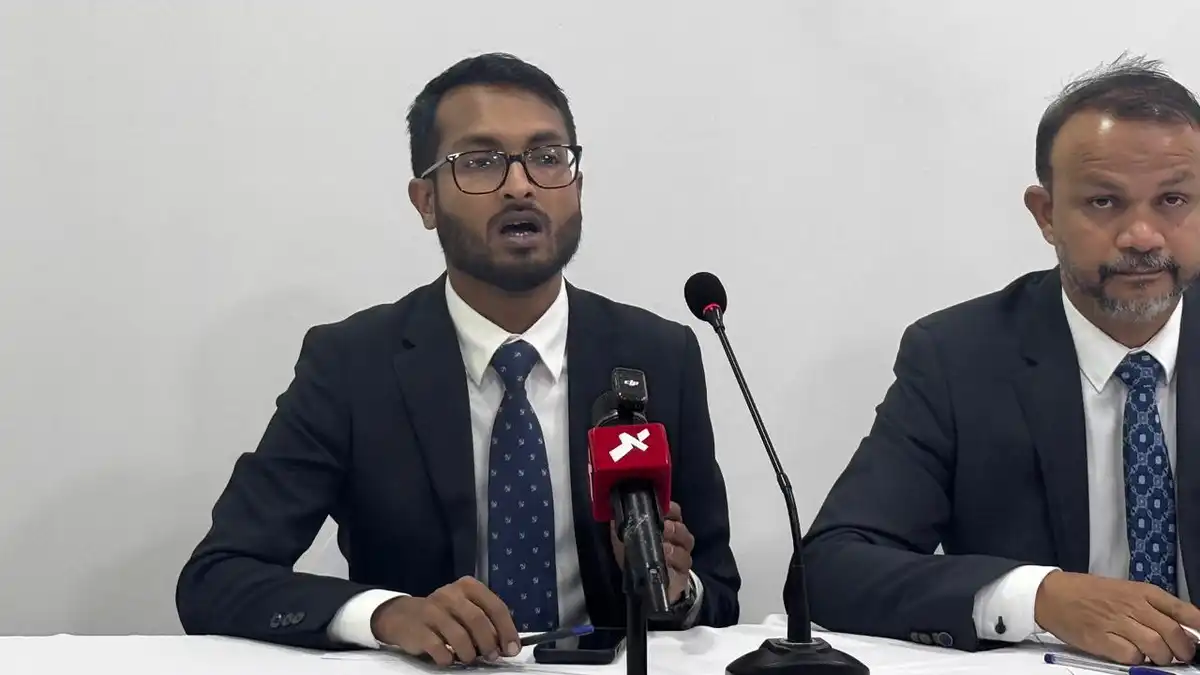
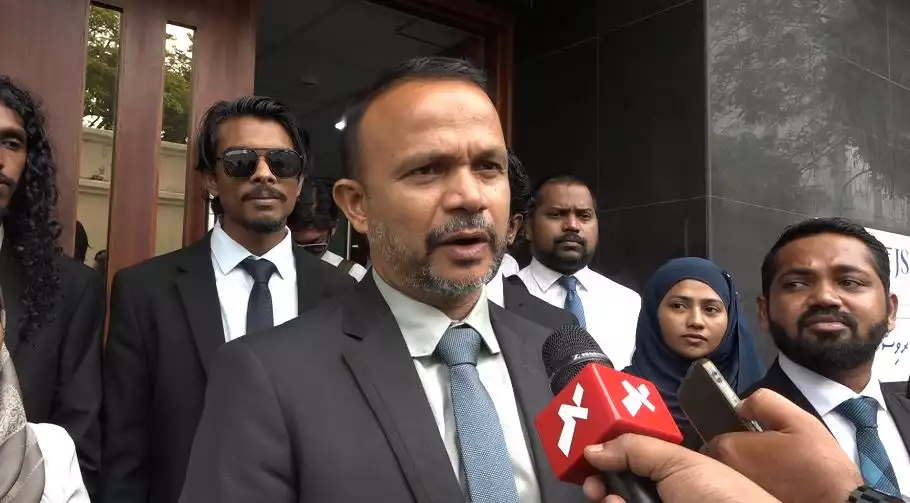
Attorneys-at-law Aik Ahmed Easa and Ali Hussain. | RaajjeMV | Raajje MV
The Supreme Court has scheduled a hearing for a case seeking to declare the phrasing of the referendum question unconstitutional.
The case was filed in the Supreme Court by legal counsels Ibrahim Shiyam and Aik Ahmed Easa. The petition names the President’s Office, the Attorney General’s Office, and the Elections Commission as respondents.
The Supreme Court has accepted and officially registered the case. A hearing has been scheduled for Thursday morning at 10:15 AM, and summons have already been issued.
This comes at a time the Supreme Court has rejected the case filed by former Kendhoo MP Ali Hussain regarding the timeframe for the ratification of the bill. While two separate cases concerning the referendum have been submitted to the Supreme Court, both matters were filed simultaneously.
Regarding the proposed referendum question, Aik stated that the current phrasing asks whether the 8th Amendment to the Constitution should be ratified. He noted that this amendment includes numerous details unrelated to the specific issues that legally require a public referendum. He further argued that the question should instead focus directly on whether the public agrees to shorten the current term of the Parliament.
He stated that the question, in its current form, fails to clarify what the public is voting for or what the potential outcome would be. He further warned that this ambiguity could lead to significant negative consequences for the nation.
Therefore, the petition seeks a ruling to prevent the public referendum scheduled for April 4, 2026. The request is based on the argument that the proposed referendum question is not framed in accordance with the mandatory principles stipulated under Article 262 (b) of the Constitution.