Current administration has left the Maldives adrift like a piece of cork, at the mercy of the winds and currents; this is evident from the very nature of the referendum question: Nishan
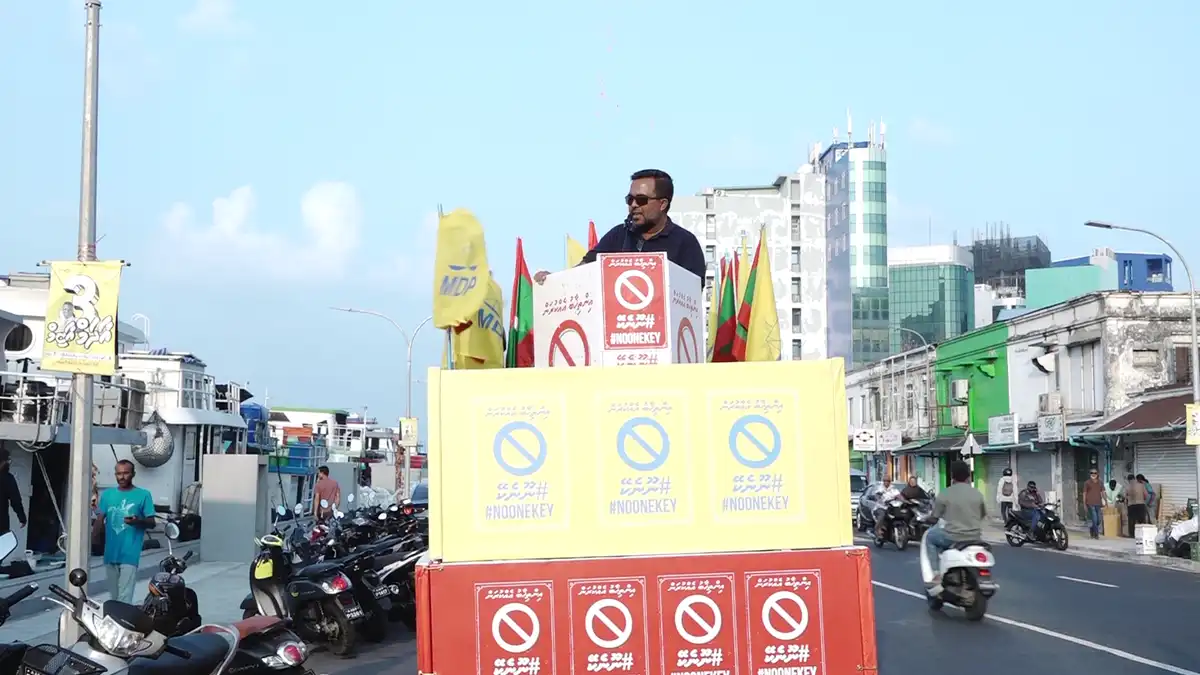
12 މާރިޗު 2026 | ބުރާސްފަތި 08:50Nishan stated that the questions framed for the public referendum on constitutional amendments are intentionally misleading. He emphasized that instead of asking whether the President should ratify the bill, the referendum should directly address whether citizens support the proposed changes to the Constitution's fundamental principles. Accusing the government of deliberate deception, he urged the public to vote "no" in the upcoming referendum.

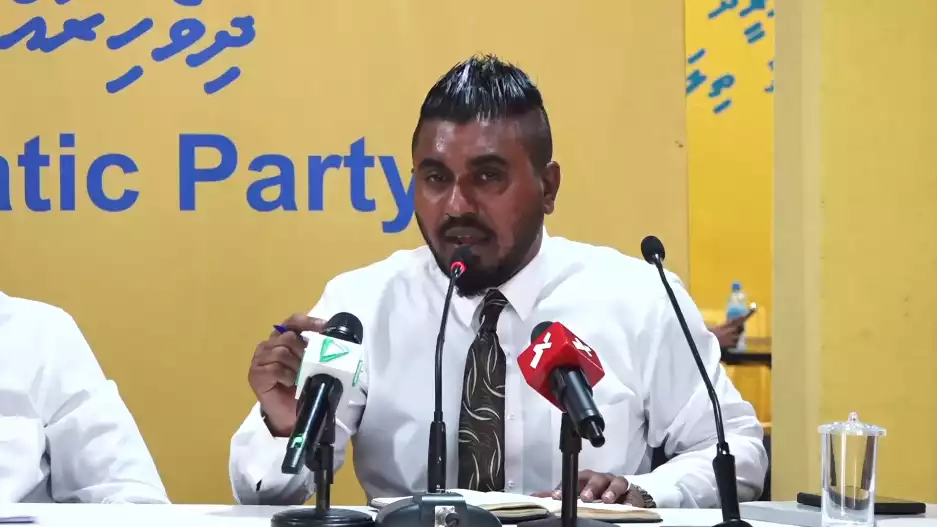
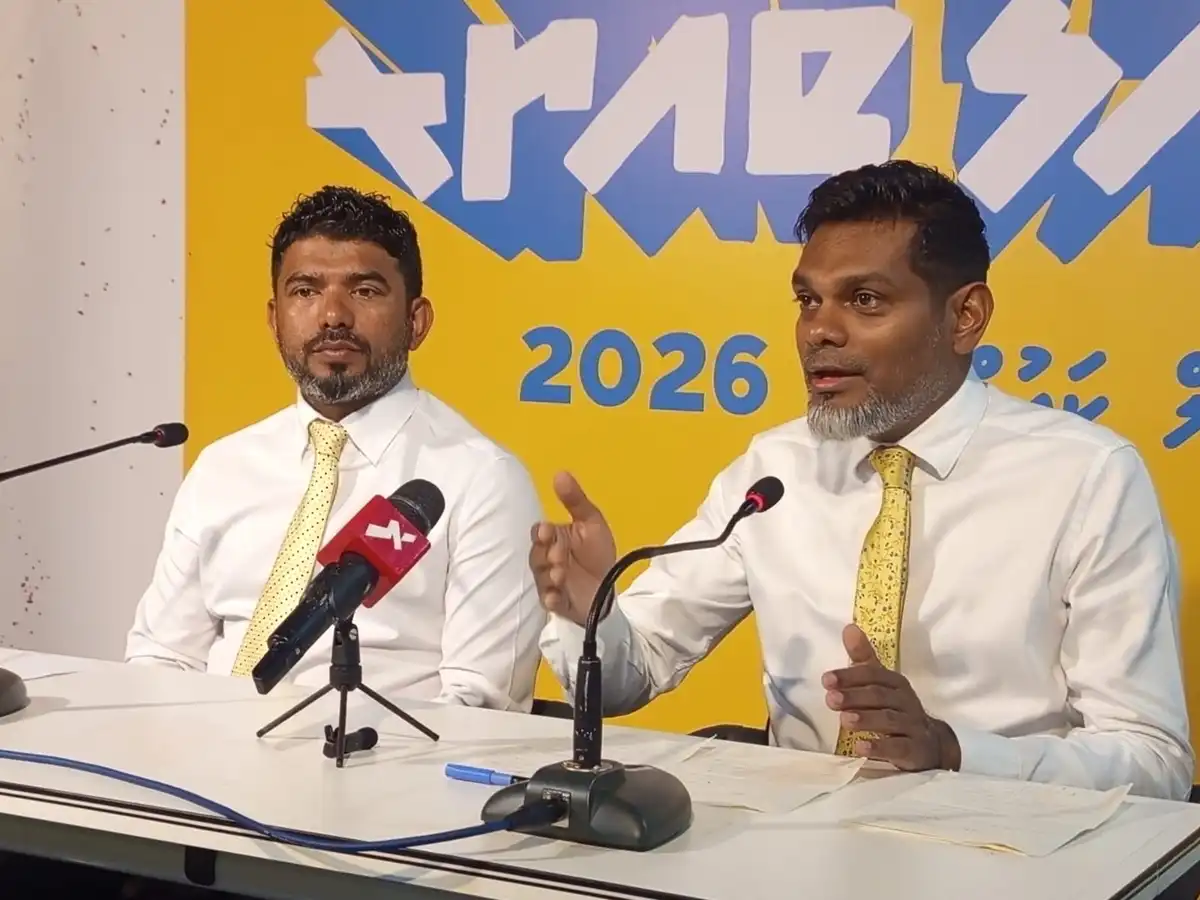
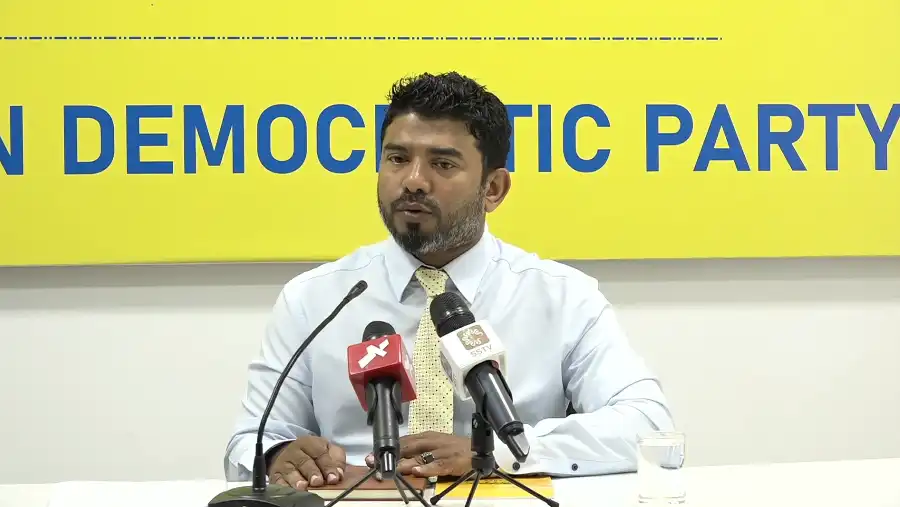
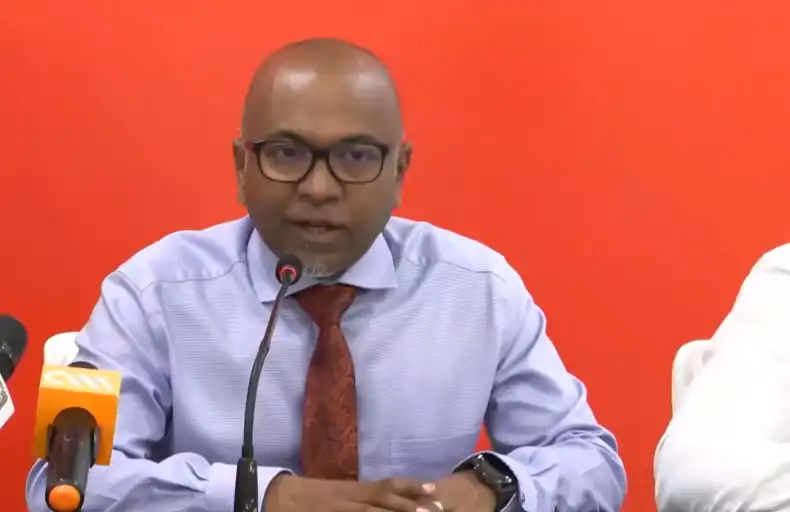
Prominent lawyer Mohamed Nishan Ibrahim speaks at a press conference hosted by the MDP. | RaajjeMV | RaajjeMV
Legal expert Mohamed Nishan Ibrahim has criticized the current administration, stating that the government has left the Maldives to drift aimlessly like a piece of cork at sea. He noted that this lack of direction is evident in the leading nature of the referendum question, which he claims is designed to keep the public in the dark.
Speaking on RaajjeTV’s "Fala Surukhee" program, Nishan stated that the President's responsibility regarding legislation passed by Parliament is to ratify it if it is deemed acceptable. If not, the President must conduct the necessary reviews and, following the Attorney General's advice, return the bill to Parliament. He further noted that if Parliament re-passes the bill with a total majority and sends it back, the changes will automatically take effect within a specific timeframe, even if the President does not make a formal decision.
Referring to the question of whether the President should ratify the bill for the 8th Amendment to the Constitution—passed by Parliament to hold presidential and parliamentary elections concurrently and to define the term of the People’s Majlis—Nishan stated that such a question should not have to be asked and that this was not the appropriate way to frame the issue.
Nishan stated that questioning the public in a manner that lacks transparency is an attempt to establish a "shadow state" within the country. He further remarked that this line of questioning alone demonstrates that the nation has been left adrift, like a piece of cork tossed about by the winds and currents.
Therefore, once the process reaches this stage or the President fulfills his legal obligations within the statutory framework, the Constitution mandates that the public must be consulted on whether they approve of the proposed changes. The question to be posed to the citizens is not whether the President should ratify the bill, but rather whether they support the specific amendments. As I have mentioned, the Constitution requires a public referendum for changes to fundamental principles, such as those concerning Articles 16 through 69, the restriction of fundamental rights, the shortening of the parliamentary term, the reduction of the presidential term, or changes to the method of electing the President. These are the matters the Constitution explicitly states must be put to the people. Consequently, the referendum is to determine if the public consents to these specific constitutional shifts. It is not a vote on whether the President should sign a bill, whether the President should travel to a particular location, or whether the public approves of the President campaigning for the PNC. That is not the purpose.Attorney Mohamed Nishan Ibrahim
Noting that President Muizzu is willing to compromise the nation's interests to achieve his personal objectives, Nishan stated that this administration has fostered a culture of deception since its inception. He further emphasized that the power to change this trajectory lies with the people, urging them to reject the proposed referendum.