State capture and media crackdowns are undermining anti-corruption efforts: TM
10 ފެބުރުއަރީ 2026 | އަންގާރަ 20:47The Maldives scored 39 points on the 2025 Corruption Perceptions Index, with Transparency Maldives warning that recent constitutional amendments have centralized state power and heightened the risk of political interference in independent institutions. The organization further noted that new media regulations and changes to the decentralization system are restricting press freedom and public participation, thereby weakening the country's overall accountability mechanisms.

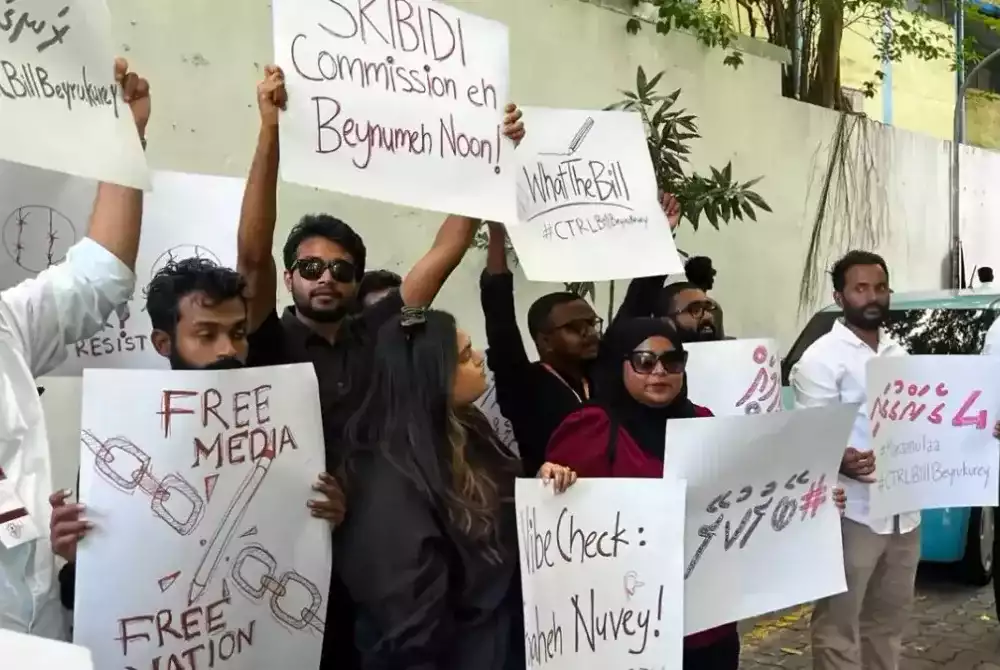
Journalists protest against the bill aimed at muzzling the independent media. | RaajjeMV | RaajjeMV
Transparency Maldives has stated that the primary obstacles to curbing corruption include the consolidation of power, the threat of "state capture," the shrinking of civic space, and increasing risks to press freedom.
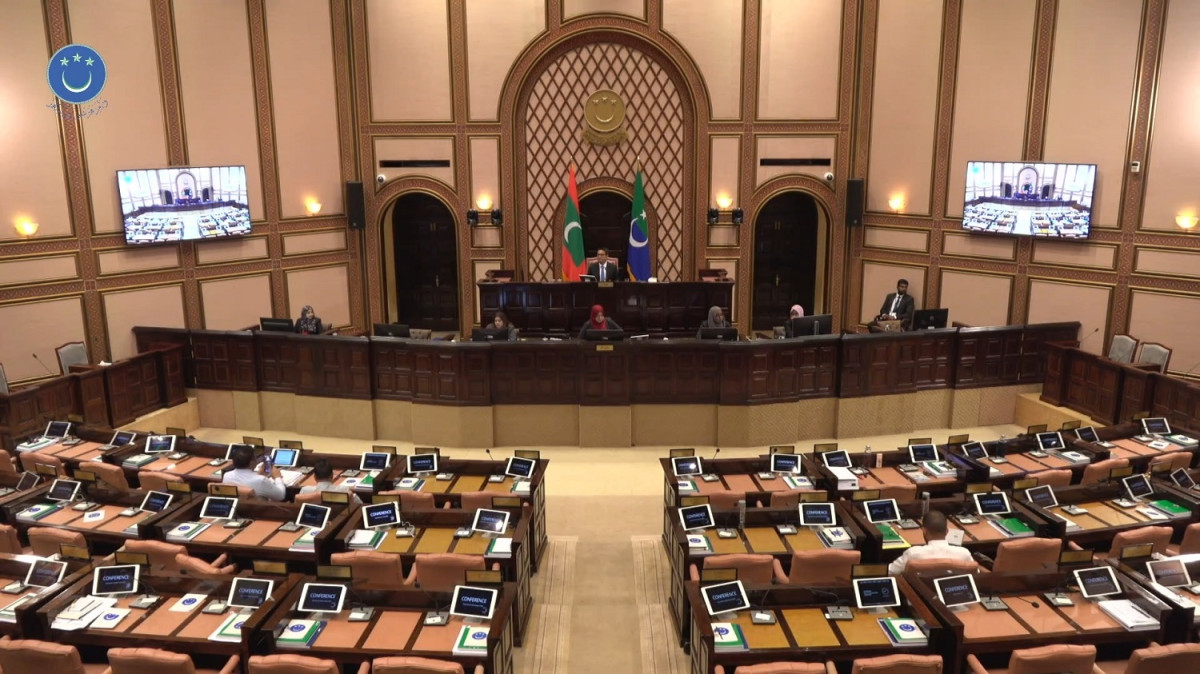
The Maldives has scored 39 points in the 2025 Corruption Perceptions Index (CPI) published by Transparency International. In a statement regarding the findings, Transparency Maldives noted that this outcome is a result of recent constitutional and legislative amendments that have significantly centralized power within the executive branch, heightening the risk of "state capture." The organization highlighted that the rapid constitutional amendments passed in November 2024 have weakened democratic checks and balances and restricted public participation in decision-making processes. Furthermore, it stated that changes to the judiciary—including amendments to the Judicature Act and the suspension of Supreme Court justices—have undermined judicial independence and paved the way for executive influence over legal proceedings.
Furthermore, amendments to laws governing the decentralization system have shifted significant administrative and decision-making powers from local councils back to central authorities. This shift diminishes decision-making autonomy at the island level, reduces community engagement and oversight, and risks weakening the participatory governance framework.
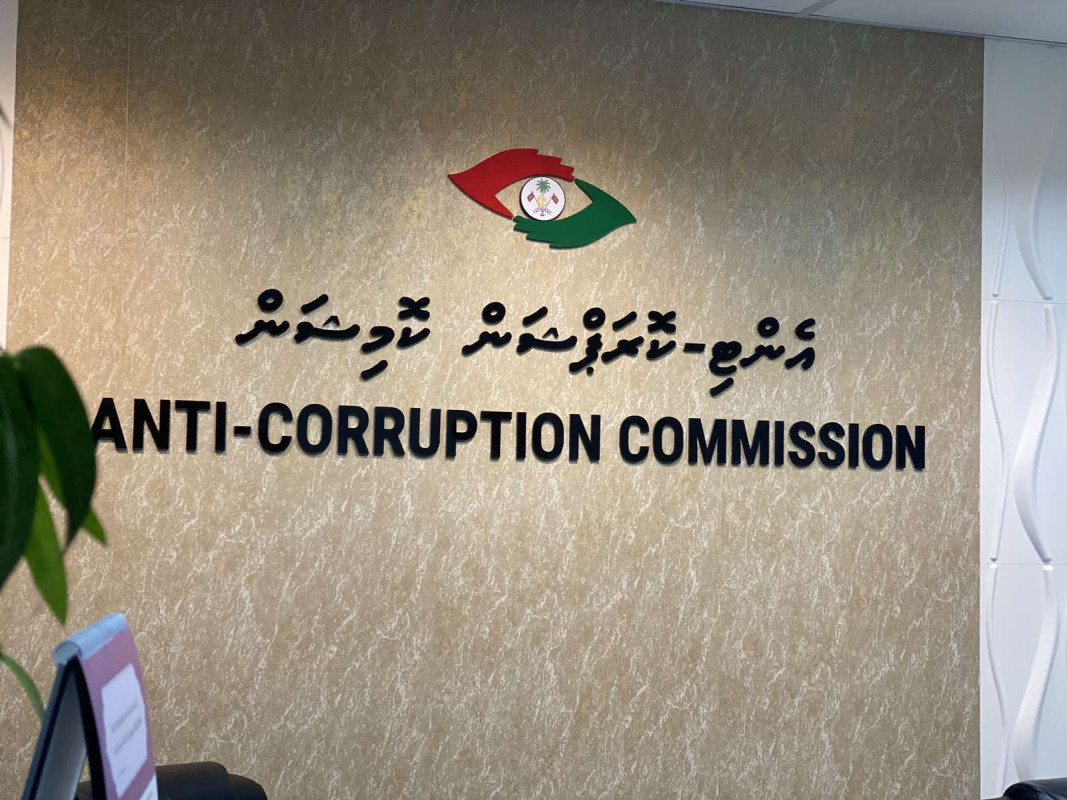
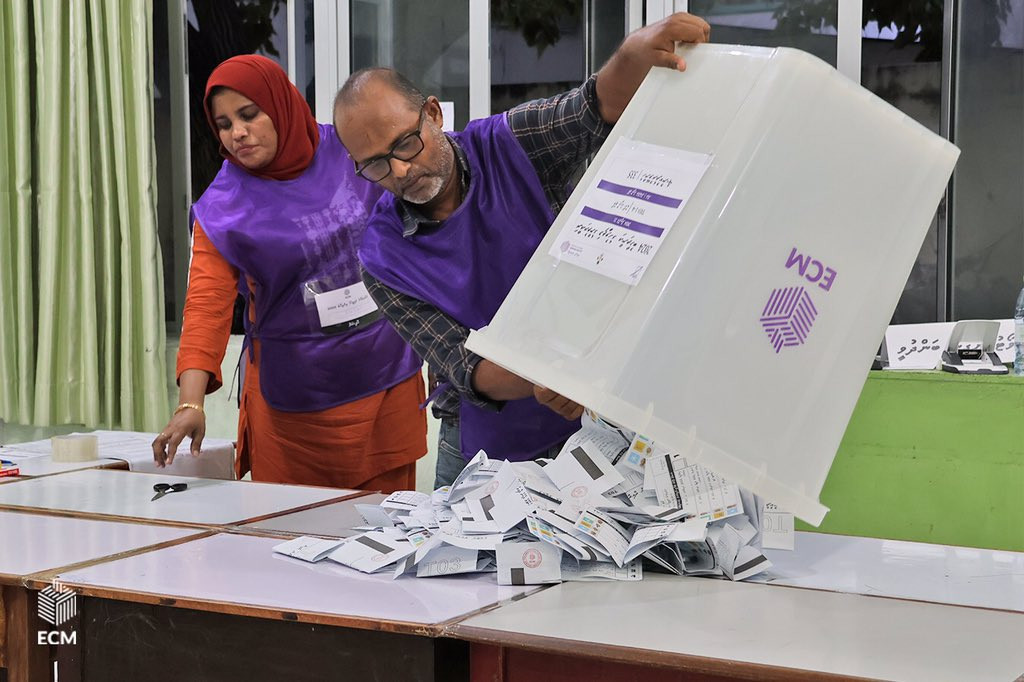
Furthermore, the statement highlighted that recent amendments to the Anti-Corruption Commission Act and the Elections Commission Act grant the President the authority to appoint the President and Vice President of both commissions. The statement noted that this development allows for political influence over independent bodies, thereby compromising their autonomy. It further warned that undermining the independence of such oversight institutions increases the risk of "state capture," diminishes transparency, and erodes public trust in the government and key state institutions.
Furthermore, Transparency Maldives stated that the passage of the "Maldives Media and Broadcasting Regulation Act" in September 2025 has increased obstacles for civil society and the media. The organization described the law as a serious threat to media freedom and freedom of expression. The statement also noted that the Act established a new seven-member "Maldives Media and Broadcasting Commission" to replace the previous Maldives Broadcasting Commission.
The statement noted that three of these members are directly appointed by the President, which undermines the regulatory body's independence and impartiality while paving the way for political influence within the media oversight system. Transparency Maldives further asserted that centralizing power and restricting the autonomy of media institutions weakens democratic governance and diminishes the space for accountability, transparency, and meaningful public participation.
Furthermore, Transparency Maldives stated in its press release that the referendum held to determine the composition of the Addu City Council highlighted how rushed decision-making processes on such critical matters restrict opportunities for meaningful public consultation. The organization further noted that such actions hinder transparency, diminish public participation, and weaken the accountability mechanisms essential for preventing corruption.