24-hour office dedicated to addressing public concerns and grievances is set to be established and operational in five months
6 ފެބުރުއަރީ 2026 | ހުކުރު 11:26President Muizzu has provided assurances that he will not hesitate to take necessary action against any individual involved in corruption, theft, or malpractice, provided that the allegations are brought to his attention with supporting evidence.
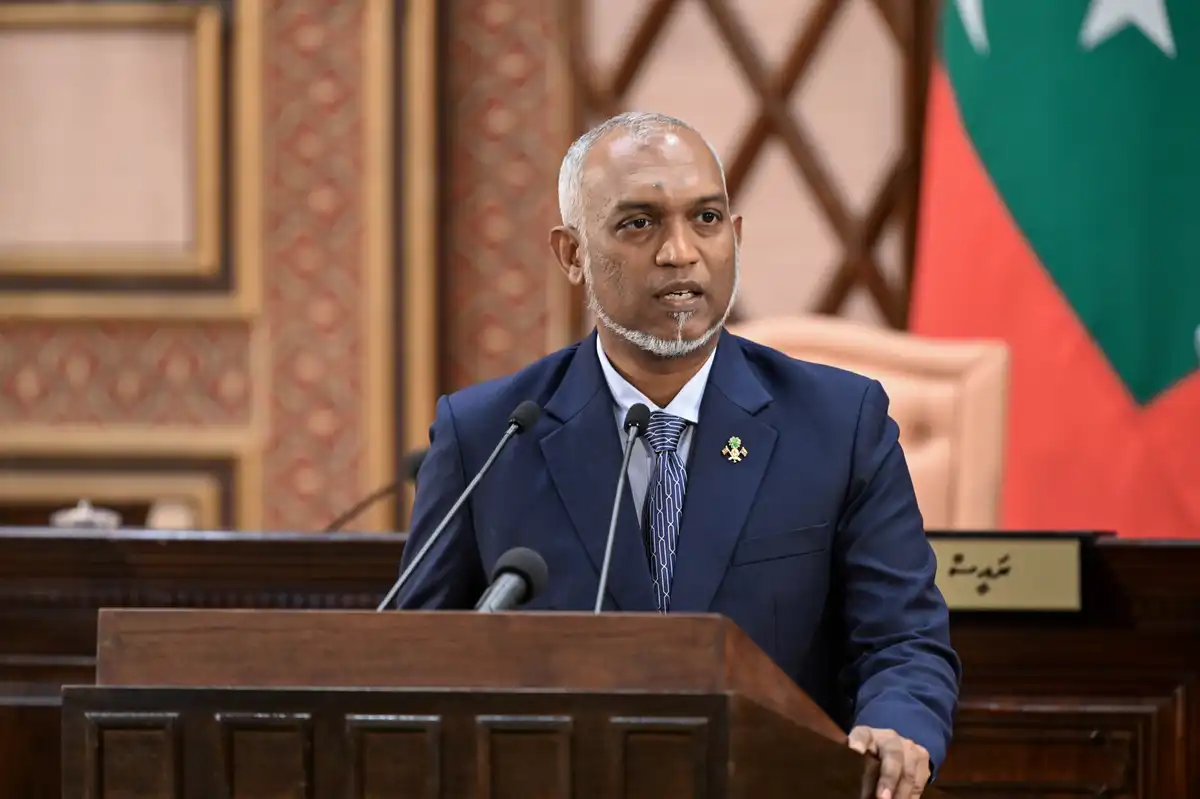
Presidential Address 2026: The President has announced the decision to establish a 24-hour office dedicated to receiving public concerns and grievances, with services set to commence within the next five months | President's Office | Presidents Office
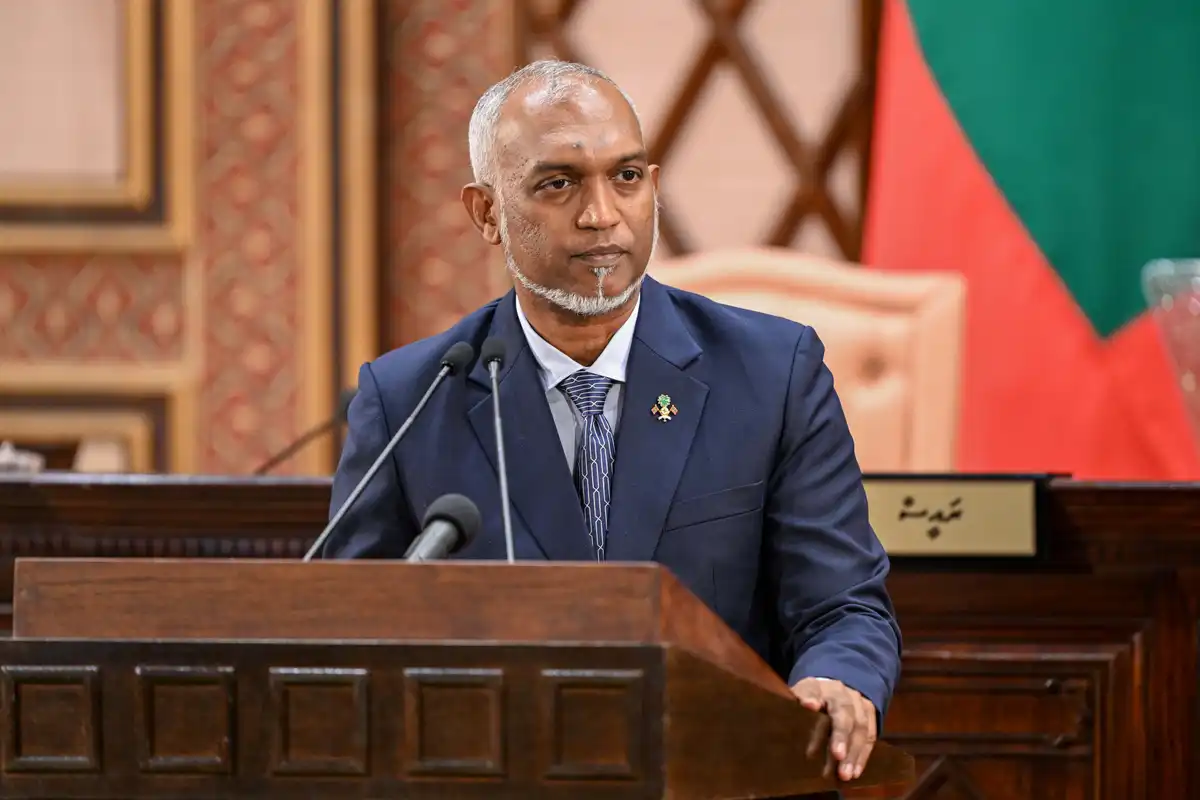
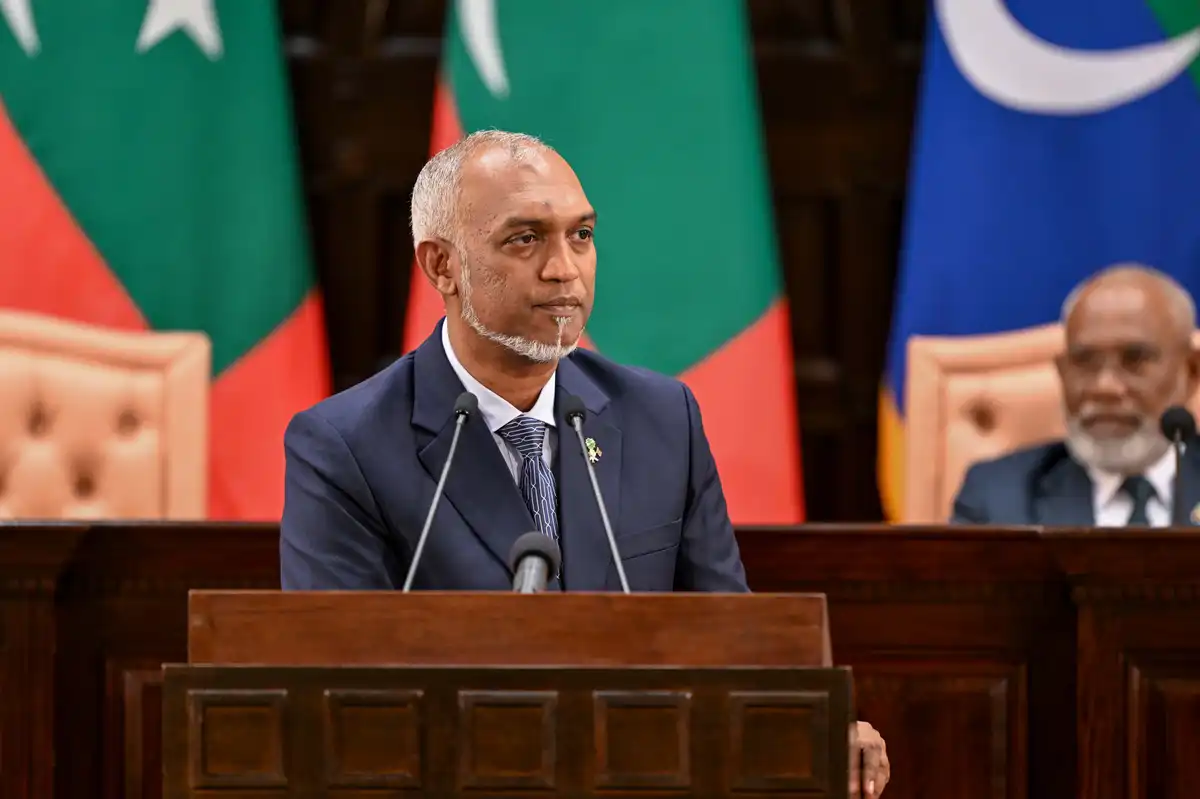
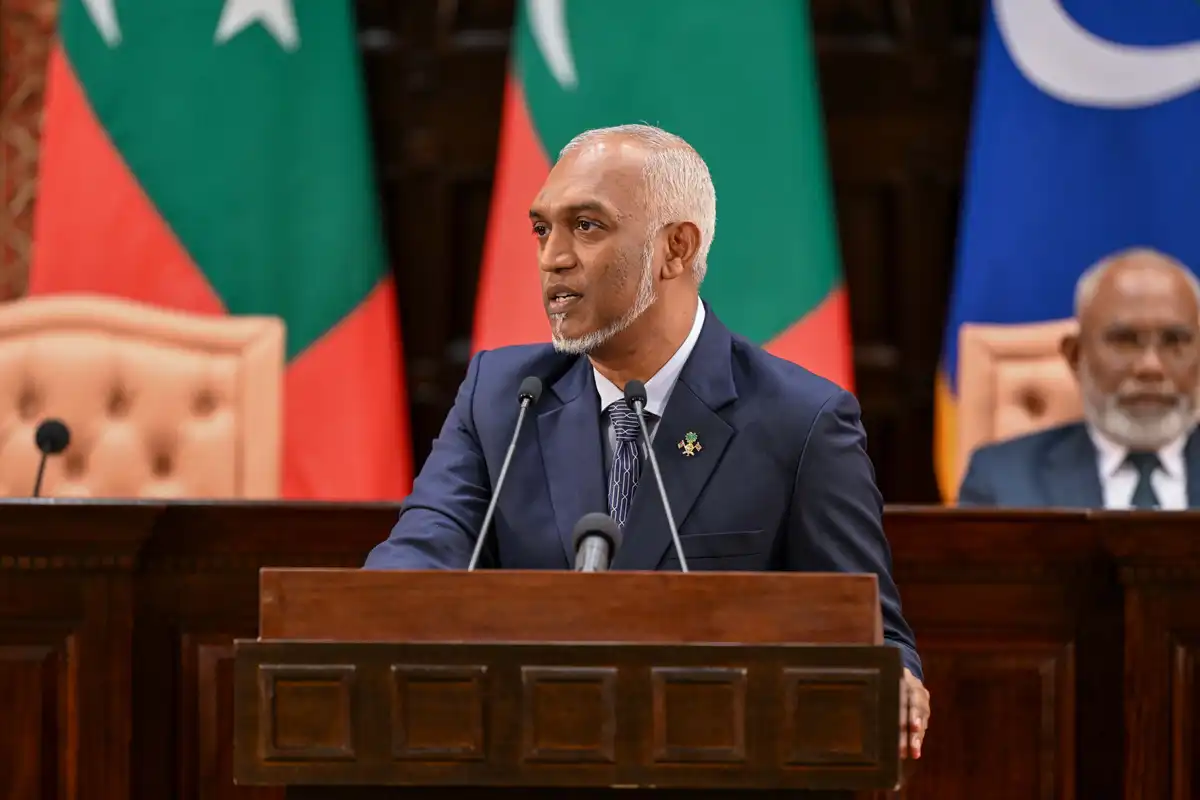
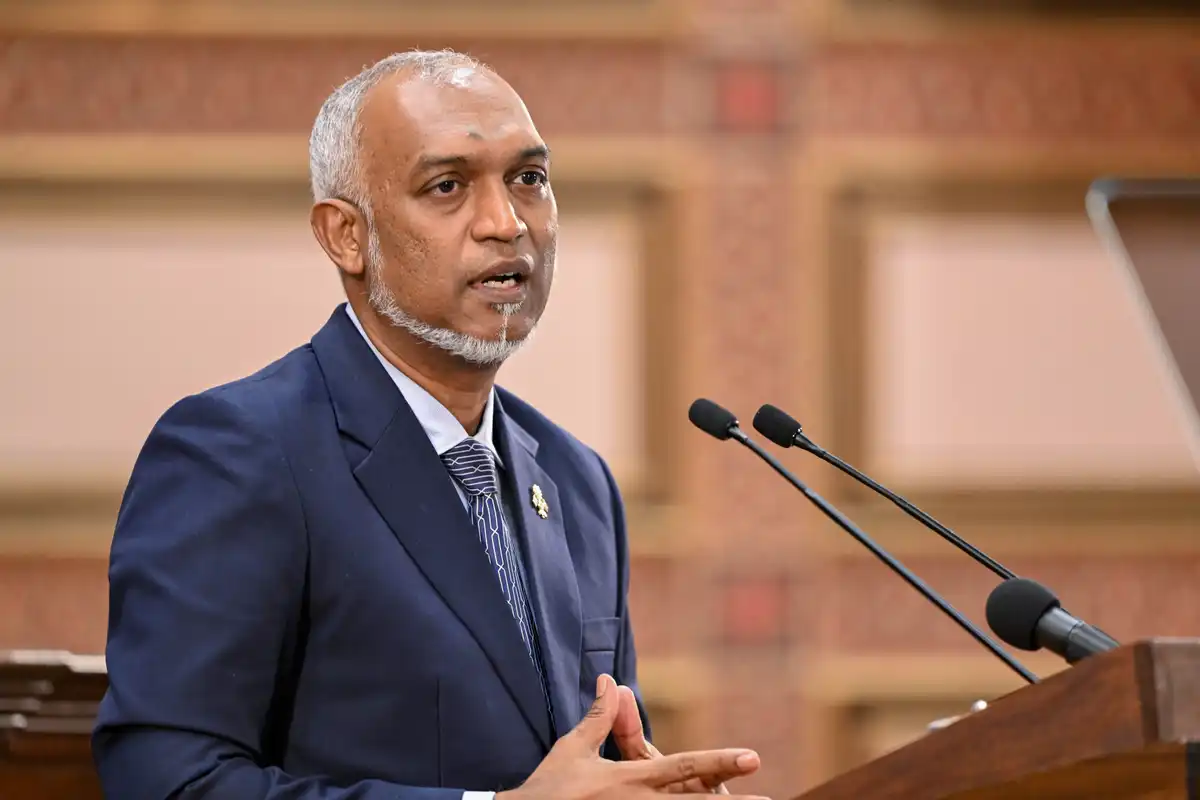
President Dr. Mohamed Muizzu has announced the establishment of a 24-hour Citizens' Complaints Bureau within the President's Office to address public concerns and grievances. The President stated that the bureau is expected to become operational within the next five months.
He made this announcement while delivering the Presidential Address at the opening sitting of the People's Majlis for the current year on Thursday morning.
President Muizzu stated that the primary responsibility of this bureau is to manage public grievances submitted through various platforms—including letters, emails, the "Rayyithunge Adu" portal, the GEMS messaging platform, telephone, and social media—via a centralized digital system. He further noted that the bureau will facilitate the collection of necessary information from relevant government agencies and provide responses to these complaints. Additionally, a state-of-the-art automated digital system, integrated with artificial intelligence, will be established to manage the grievance process.
President Muizzu stated that a top priority for this year is to enhance government efficiency in public service delivery by establishing a modern digitalization system rooted in the principles of good governance. He noted that the achievement of this goal will result in a service delivery framework that is convenient for citizens and streamlined for civil servants—ensuring a fast, transparent, and reliable system that leaves no room for corruption.
President Muizzu stated that under the "Maldives 2.0" initiative launched last May, all state institutions will work together to strengthen cybersecurity and facilitate reliable digital transactions through international-standard digital IDs. He noted that the Maldives Data Exchange will be established to ensure secure, real-time data sharing between government bodies, alongside a Sovereign Cloud to securely manage and archive sensitive state information. The President further pledged that within the next three years, government services will be transformed into a citizen-centric digital ecosystem under a single platform, while building a future-ready generation equipped for the digital age.
Furthermore, President Muizzu noted that a roadmap for the digital transformation project has been formulated and approved by the Cabinet, adding that special priority will be given to its implementation within this year's budget. To establish the legal framework necessary for the swift execution of this national-scale initiative, the President also announced that the Digital Transformation Bill, the Digital Identity Bill, and the Cyber Security Bill will be submitted to Parliament during its first session of the year.
Under the "Maldives 2.0" initiative, the government aims to establish a unified civil registration network by the end of this year, positioning the Maldives as a regional leader in providing comprehensive civil registration services. The President further stated that as part of this transformation, the national identity card will undergo significant upgrades and be replaced with a high-quality smart card.
President Muizzu reiterated in his statement that the digitalization of the state's administrative framework is expected to significantly eliminate the scourge of corruption from the system, emphasizing that the current administration is making extensive efforts to eradicate the issue. To this end, he noted that relevant bills are being prepared for submission during the first session of Parliament this year. These include amendments to the Anti-Corruption Act, an Asset Recovery Bill, and amendments to the Criminal Procedure Act. In addition to these legislative measures, the President expressed confidence in his presidential address that significant progress would be made in addressing corruption once the bill on illicit enrichment—currently at the committee stage—and the amendments to the Evidence Act are passed.
Furthermore, President Muizzu has provided assurances that he will not hesitate to take necessary action against any individual involved in corruption, theft, or malpractice, provided that the allegations are brought to his attention with supporting evidence.