Decades backward: democracy in name, autocracy in action
24 ޖެނުއަރީ 2026 | ހޮނިހިރު 09:04Efforts to control media narratives and limit the disclosure of facts have intensified as well. Despite these developments, the president maintains that he is not personally involved, dismissing these actions as coincidental.
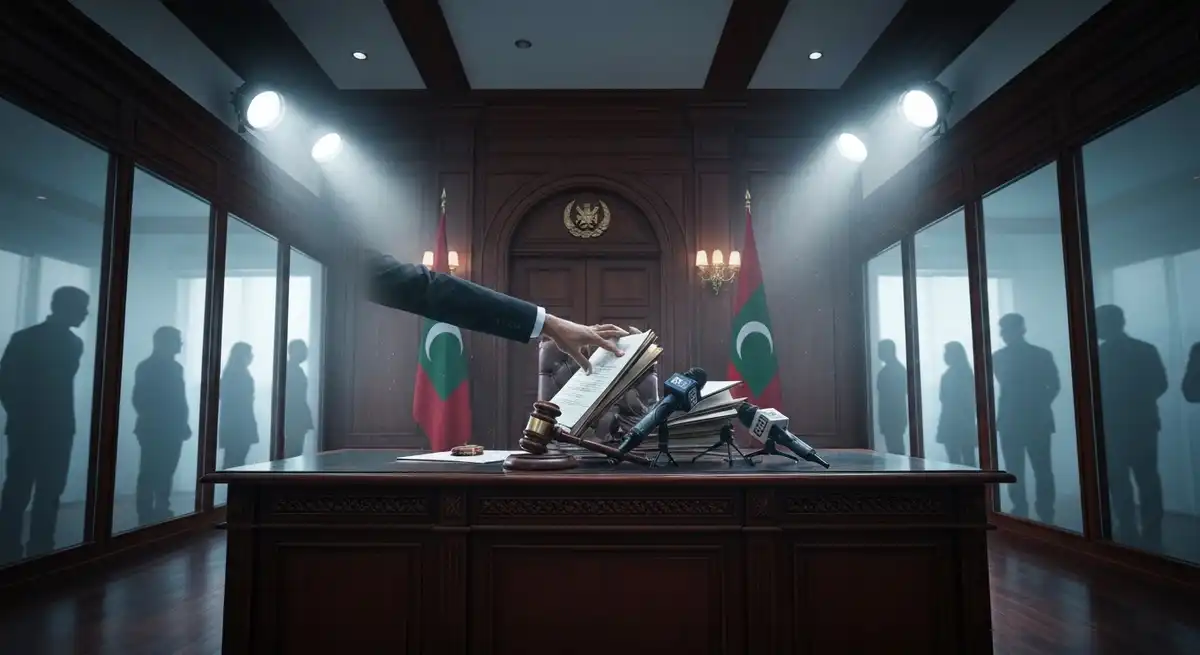
This picture mirrors the concentration of executive, legislative, and judicial powers in the hands of a single leader. | RaajjeMV
Leaders are entrusted to serve the public and are elected by the majority to address the collective needs of the people. Despite the authority and power they hold, their status remains equal to that of the citizens they serve, as they are fulfilling a responsibility granted to them. Their salaries and benefits are funded by taxpayers’ earnings.
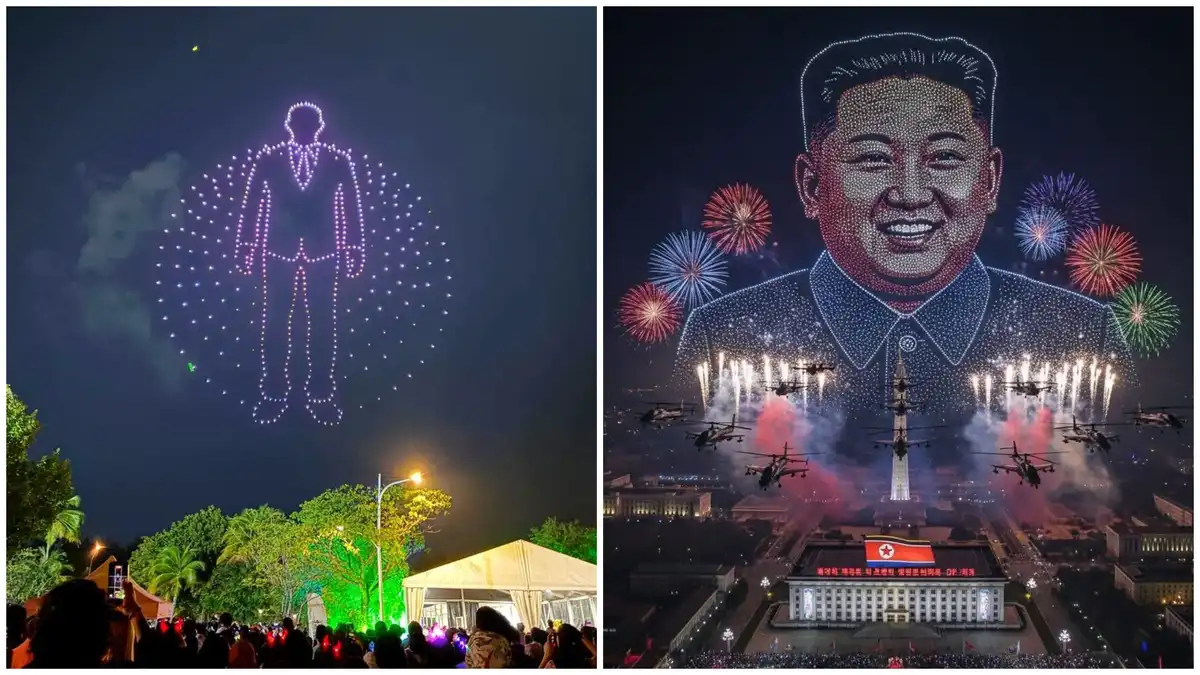
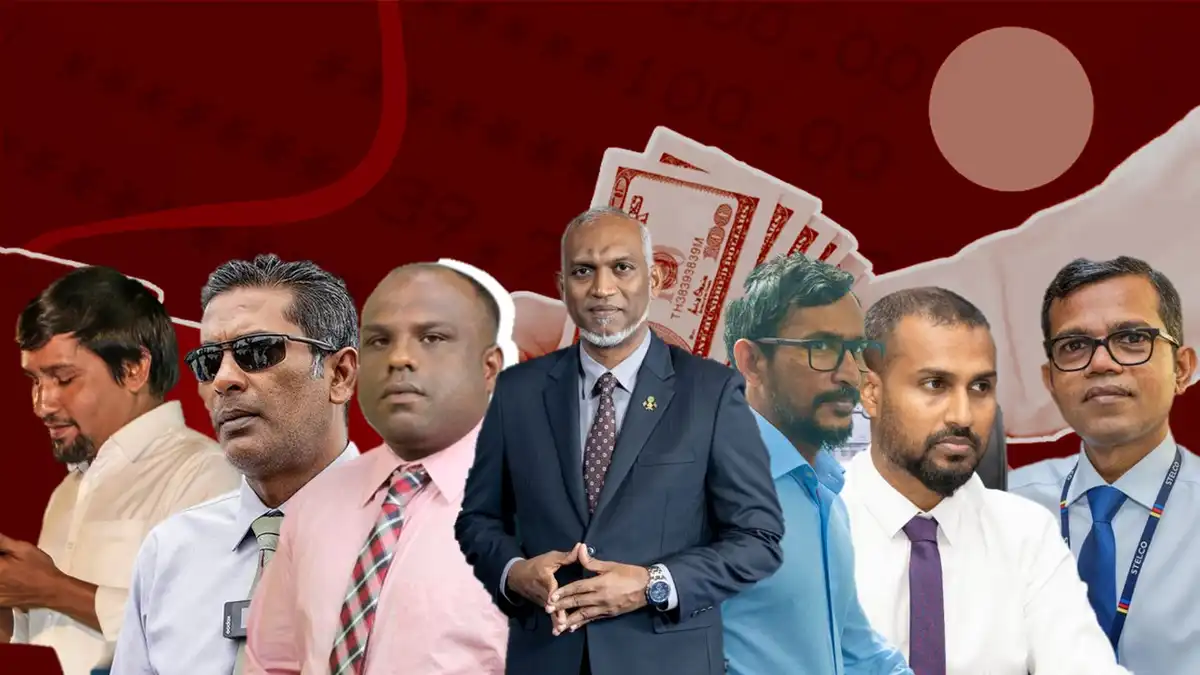
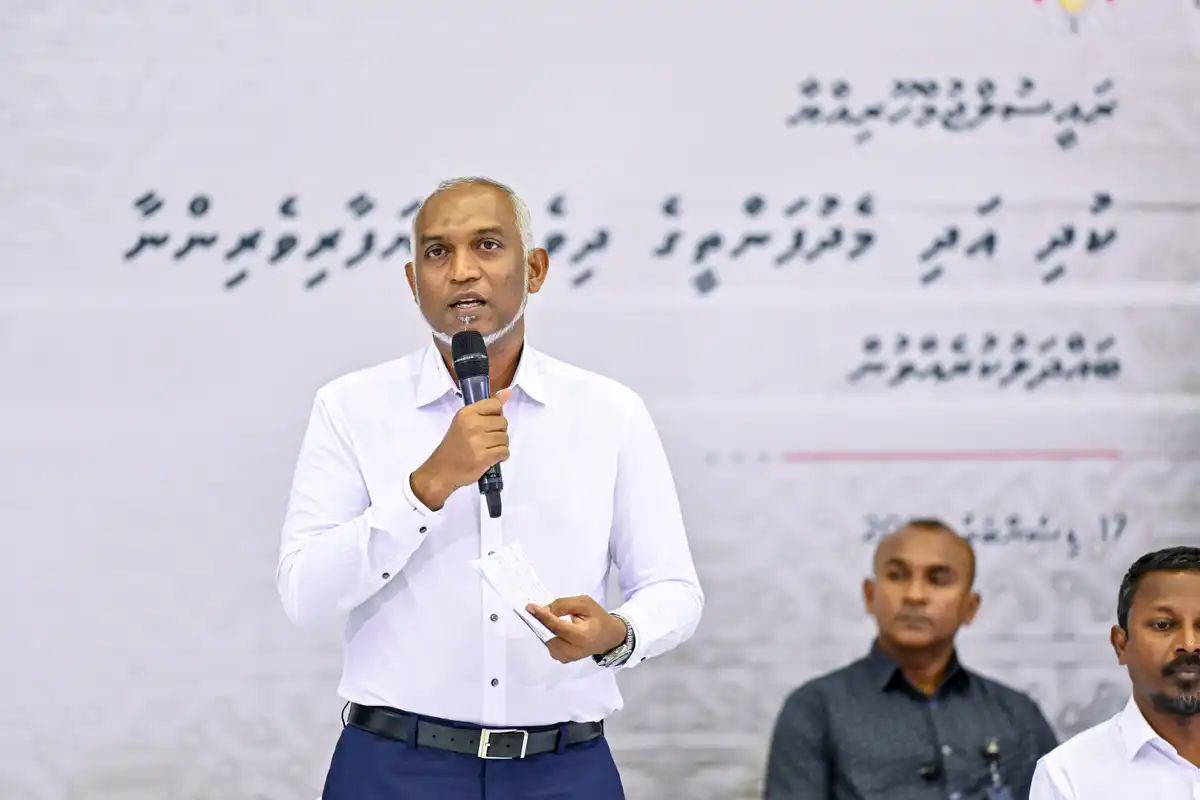
Ascending to power under the guise of democracy while consolidating all state powers within a single hand mirrors the autocratic regimes of history. This appears to be the emerging reality under President Dr. Mohamed Muizzu’s administration, even if it is difficult for his supporters to acknowledge.
The year 2025 marked a period in which Muizzu intensified authoritarian tactics. Decisions are increasingly made solely at the president’s discretion, irrespective of public sentiment.
Article 4 of the Constitution explicitly states that legislative, judicial, and executive powers are distinct and separate, divided among the People’s Majlis, the Courts, and the president. It further stipulates that all power originates from and remains with the people.
The rise of autocratic tendencies in a leader within a society that has embraced democracy is a cause for concern. While such trends were historically associated with global powers or large nations, they are now emerging in smaller populations as well. Authoritarian leaders, whose personal whims define the law, have been a recurring feature in world history and continue to govern certain nations today. Autocracy does not arise overnight; it is preceded by calculated maneuvers.
Despite the Maldives having a structured governance framework, the past two years have seen actions that contradict the fundamental principles of a republic. Executive powers have been increasingly centralized and tightened. President Muizzu garnered public support by promoting two primary narratives.
During his campaign, he presented the Maldives as being under external influence, claiming the judiciary lacked independence and that parliament was controlled by foreign powers. In contrast, he envisioned a nation free from such interference, where the judiciary would operate independently, the government would function without foreign influence, and lawmakers would advocate freely for citizens’ rights.
The question remains whether the current trajectory aligns with the promised vision of an independent Maldives. The role of parliament is to hold the government accountable, a function that requires legislative independence. Under Muizzu, lawmakers have been stripped of this independence, and the legislative branch has been effectively subordinated. After consolidating control over both parliament and the Supreme Court, the administration has shifted its focus toward suppressing independent journalism.
Efforts to control media narratives and limit the disclosure of facts have intensified. Despite these developments, the president maintains that he is not personally involved, dismissing these actions as coincidental. However, 2025 concluded as a year in which all state powers were firmly consolidated under the president’s control.