Thilamalé Bridge delayed again as gov’t admits project will miss earlier deadlines
22 ޖެނުއަރީ 2026 | ބުރާސްފަތި 11:24The minister acknowledged the Greater Malé Connectivity Project is delayed due to slow progress and contractor challenges. The Malé-Villimalé section, originally scheduled for December 2025, is now expected only by end of 2025, marking a one-year delay. The government is working with India to accelerate the project, which has strayed from its original timeline.

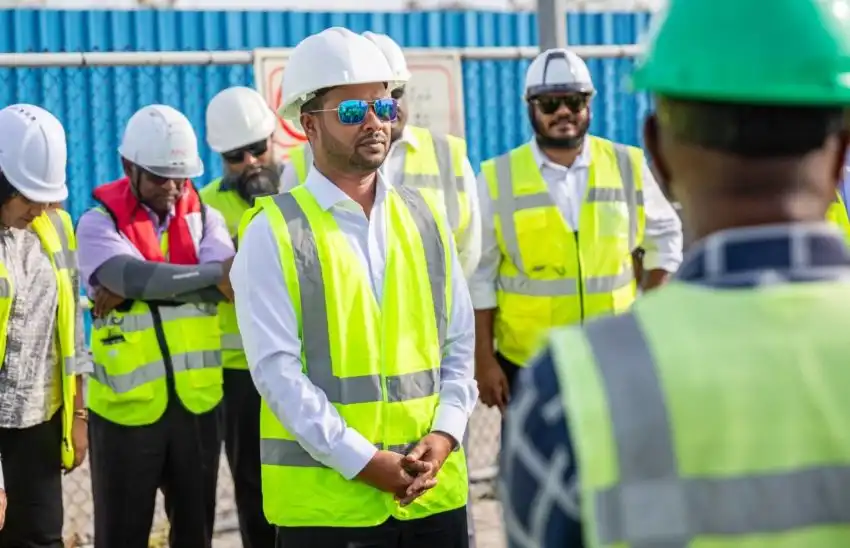
Minister of Construction, Housing, and Infrastructure Dr. Abdulla Muththalib | Social Media | Social Media
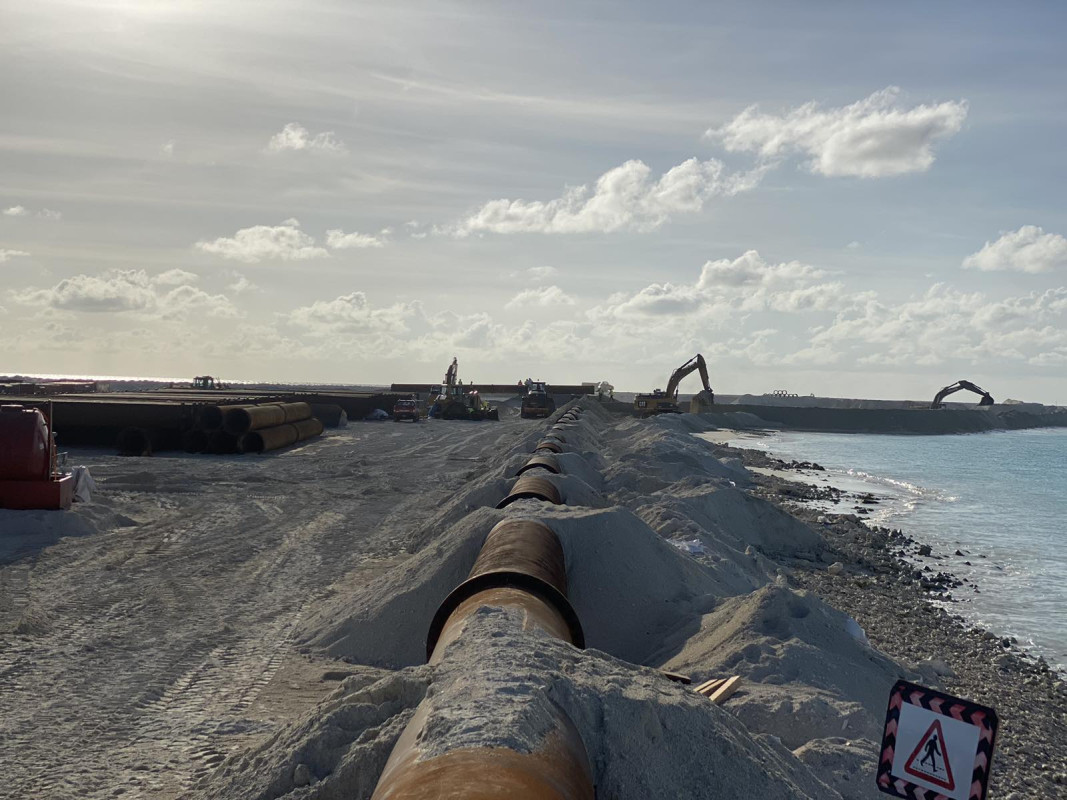
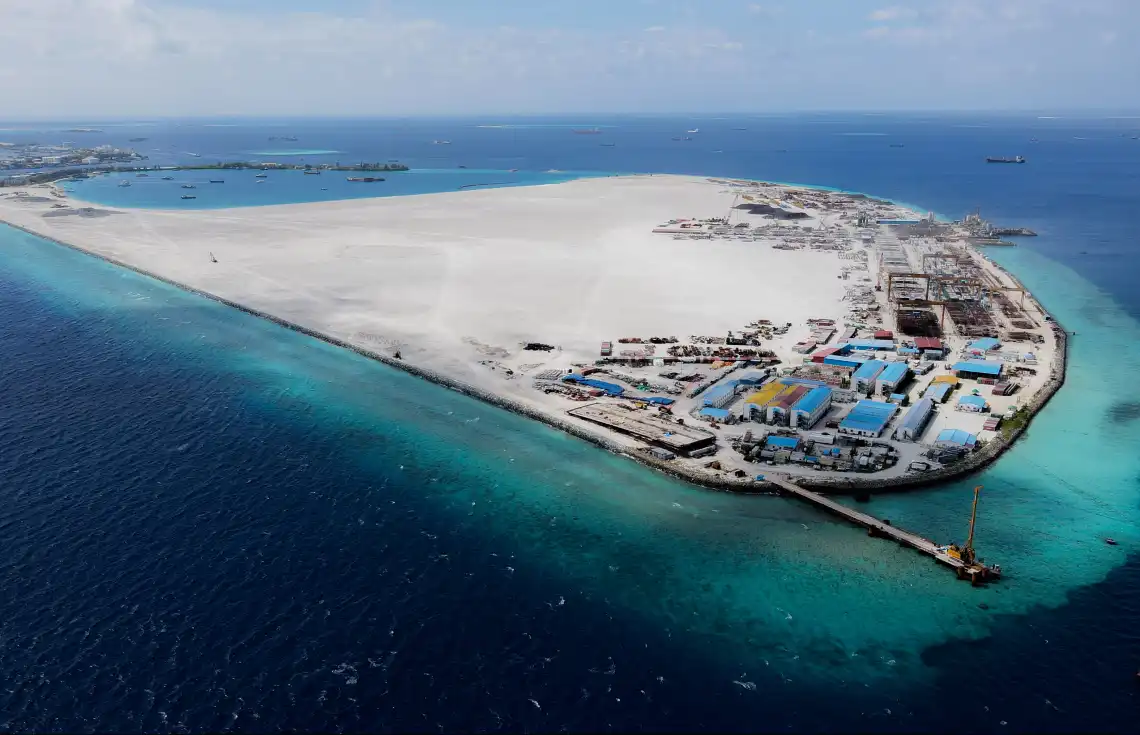
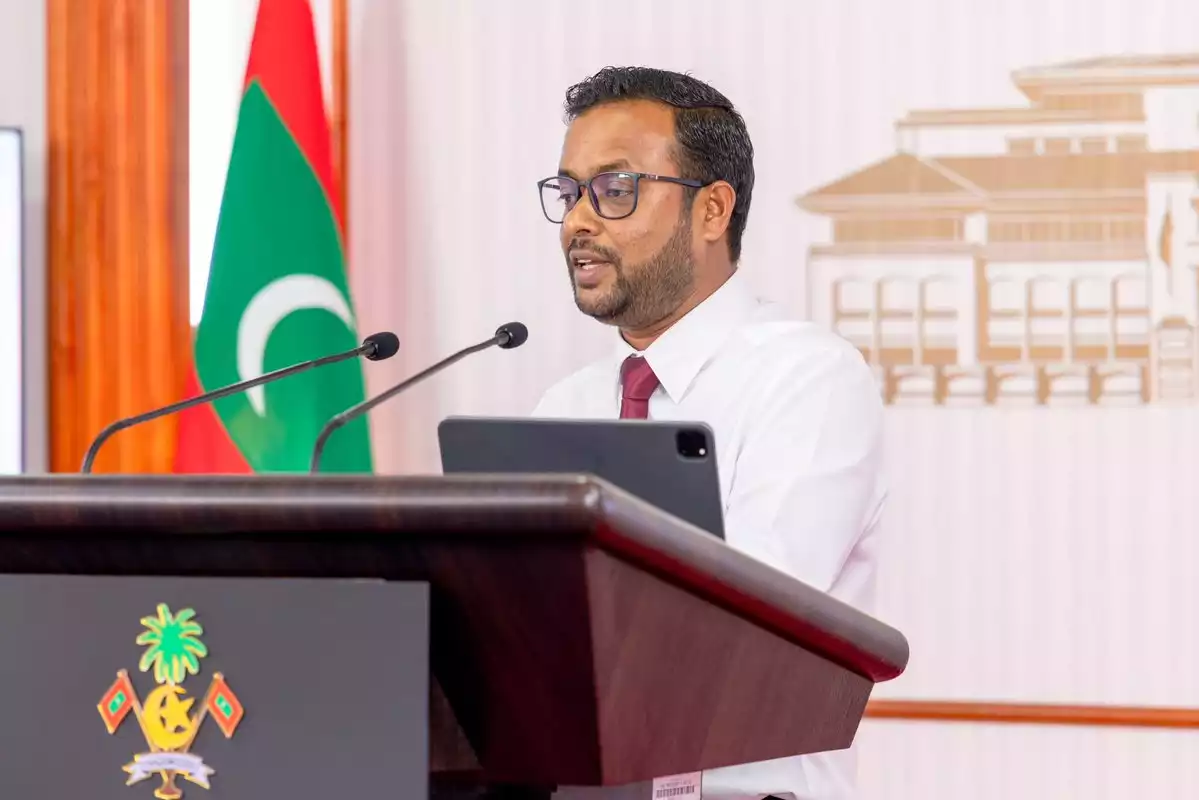
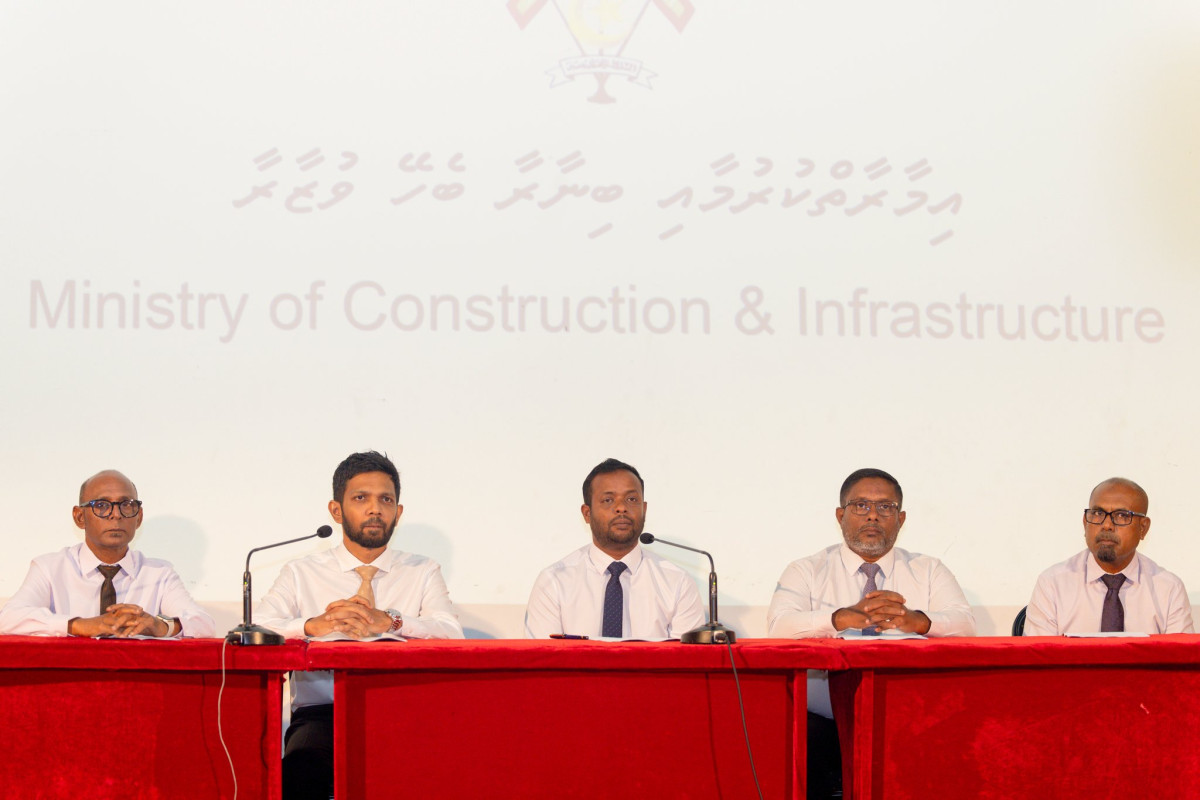
Minister of Construction, Housing, and Infrastructure Dr. Abdulla Muththalib has stated that the Greater Malé Connectivity Project (GMCP), which connects the capital Malé City to Thilafushi, is now expected to be completed next year, despite earlier projections that it would be finished within this year.
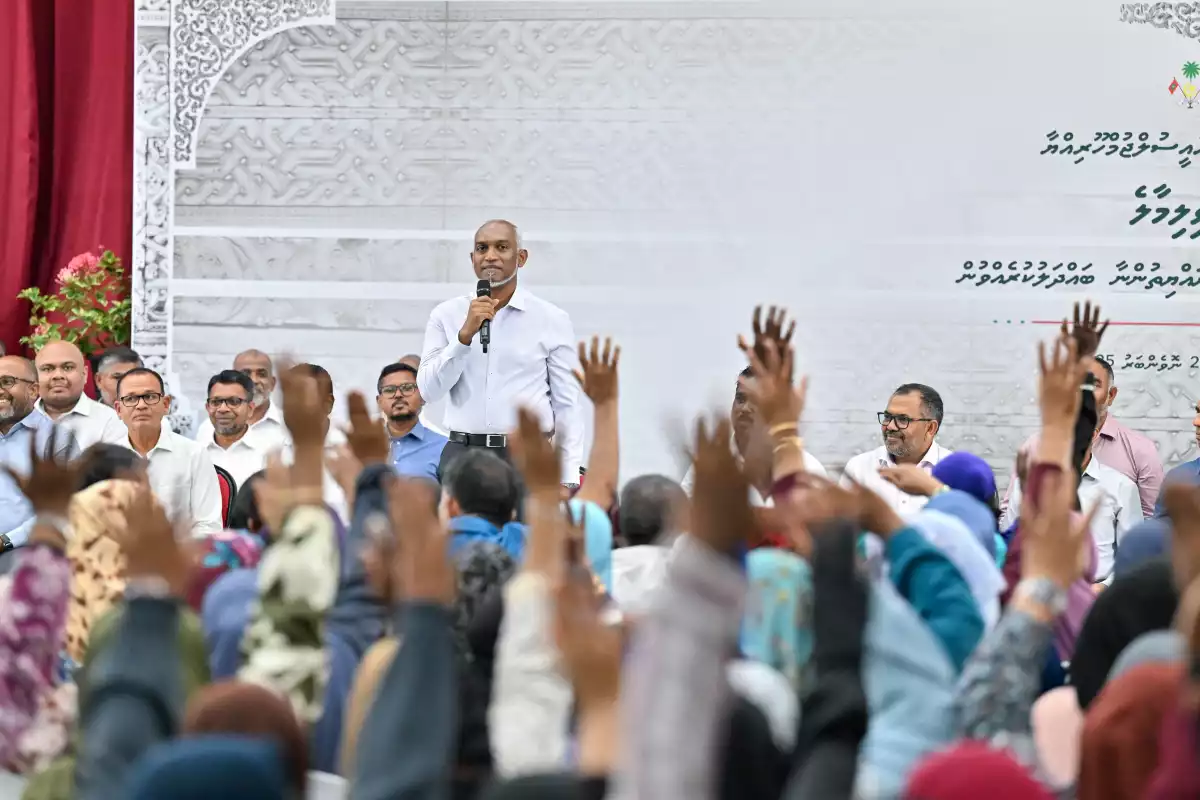
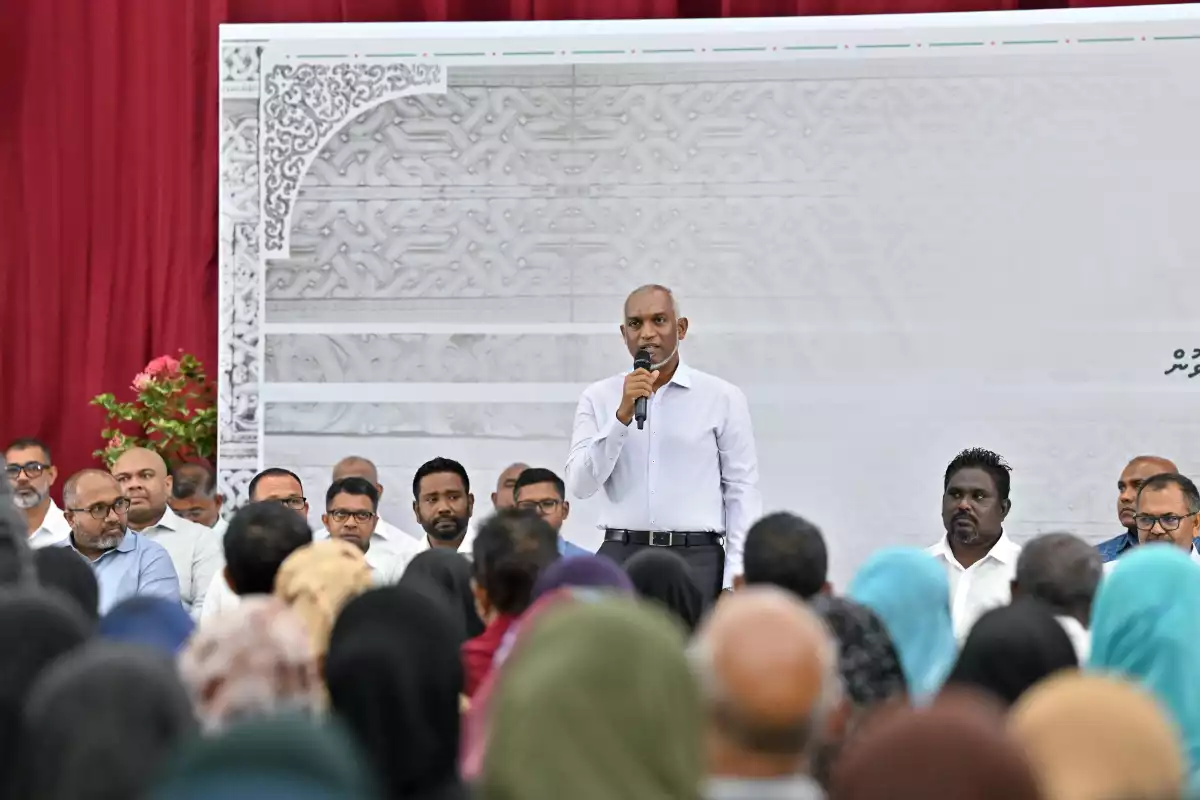
Speaking on PSM’s ‘Raajje Miadhu’ program on Tuesday, Muththalib said the bridge construction is not progressing at the required pace and acknowledged that the contractor is facing multiple challenges in carrying out the project.
During the early days of the current administration, at a press conference held at the President’s Office on 23 November 2023, Minister Muththalib had stated that the section linking Malé to Villimalé would be completed by December 2025. He had also said the connection between Villimalé and Gulhifalhu would be finished by 30 June 2025, with the entire project scheduled for completion by September 2026.
However, in his recent appearance on Raajje Miadhu, the minister clarified that, based on the current pace of work, the connection to Villimalé is now only expected to be completed by the end of this year. This marks a delay of around one year compared to the timeline previously announced by the minister.
Muththalib said that work is ongoing in coordination with the Indian government to speed up the project, adding that continuous efforts are being made to find ways to accelerate construction beyond its current rate.
The large-scale infrastructure project, awarded to India’s Afcons Infrastructure and financed through Indian loans and grants, has strayed considerably from its original schedule, fueling concerns that it may fail to meet even the revised deadlines set by the government.