Alarm raised as study finds 42 in every 1,000 Maldivian infants born with congenital anomalies
13 ޖެނުއަރީ 2026 | އަންގާރަ 11:26The study concluded that congenital anomalies represent a significant public health concern in the Maldives, with respiratory system-related defects identified as the leading cause of mortality among affected infants.

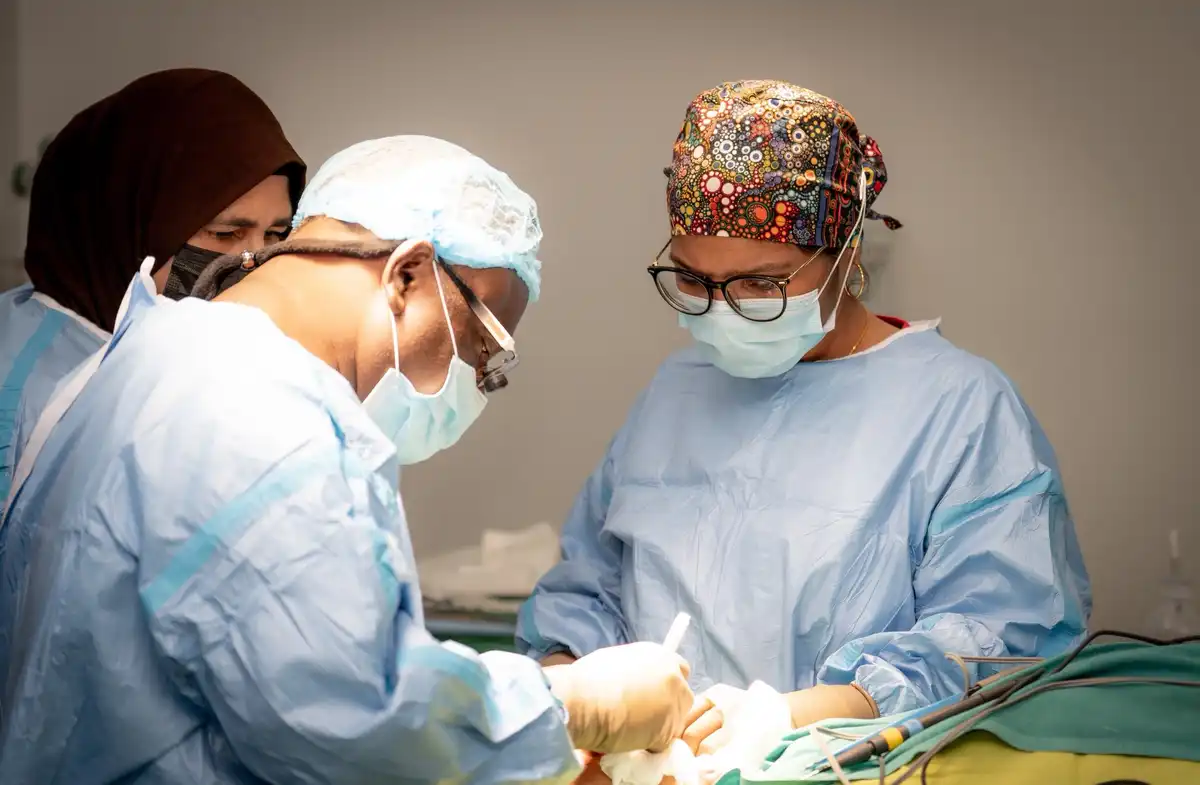
Highlights of Surgical Camp at Ungoofaaru Regional Hospital conducted by IGMH | IGMH
A recent study has found that 42.4 out of every 1,000 live births in the Maldives are affected by various types of congenital anomalies, also known as birth defects.
The findings are based on data collected from live births at the country’s main state-run hospital, Indira Gandhi Memorial Hospital (IGMH), covering the period from 2016 through the end of 2024.
Published in the Maldives National Journal of Research, the study examined records of all infants born at IGMH over the past nine years. The researchers noted that stillbirths and miscarriages were excluded from the analysis.
Over the study period, 17,188 live births were recorded at the hospital. Of these, 729 infants, representing 4.24 percent of all live births, were identified as having congenital anomalies. The study further reported a total of 1,215 different types of defects among these infants.
The analysis showed that among infants with anomalies, 313 were female, accounting for 43 percent of cases, and 16 were born from twin pregnancies. In addition to this, 312 of the identified defects, or 26 percent, were observed in preterm infants.
Among the 710 mothers who delivered infants with congenital anomalies, 107, or 15 percent, were diagnosed with gestational diabetes. The study also reported that the average birth weight of affected infants was 2,862 grams, with an average gestational age of 37.5 weeks.
In terms of health outcomes, 24 infants, or 3.3 percent, experienced hypoglycemia, while 21 infants, or 2.9 percent, suffered from hypothermia. The study also documented that 27 infants, representing 3.7 percent of those with anomalies, died before being discharged from the hospital.
Of the neonatal deaths recorded, pulmonary hypoplasia, or underdeveloped lungs, was identified as the most common cause, accounting for six deaths, or 22 percent of the fatalities. Diaphragmatic hernia and Potter’s syndrome were each responsible for two deaths. Further, 82 infants, or 11.2 percent, required respiratory support through bag-and-mask ventilation.
The research indicated that the identified anomalies ranged from major to minor, with defects of the cardiovascular system emerging as the most common, accounting for 28.7 percent of cases. These cardiovascular defects were found to occur in 20 out of every 1,000 infants.
The study concluded that congenital anomalies represent a significant public health concern in the Maldives, with respiratory system-related defects identified as the leading cause of mortality among affected infants.