From promises to plunder: how a gov’t elected to end corruption entrenched it at the highest levels
2 ޖެނުއަރީ 2026 | ހުކުރު 03:30Under the Muizzu administration, corruption and financial misconduct escalated significantly, with major development projects being awarded to close associates without any competitive bidding process. Further, international reports highlight a concerning pattern where individuals previously dismissed from government positions due to corruption allegations are being reappointed to other official roles.

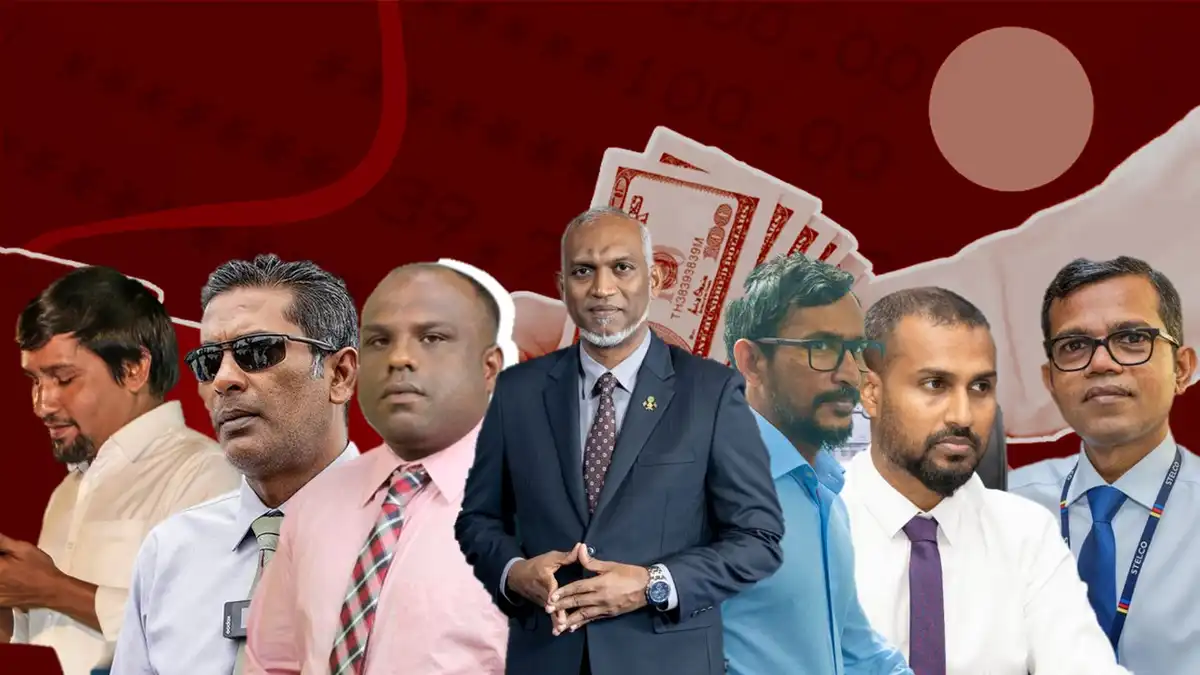
The government that promised to bring an end to theft and corruption broke a record!
The most fundamental characteristic of a republican government is that a leader elected by the people governs in accordance with the will of the people and for their benefit. Articles 4, 5, 6, and 7 of the Constitution clearly stipulate this principle in clear words.
However, assuming power under the banner of democracy only to consolidate all state authority in the hands of a single individual is a stark and unsettling reminder of the autocratic regimes recorded throughout history. A review of the past year shows that this reality has become increasingly apparent.
Maldives is a high-risk country for money laundering, drug trafficking, corruption, organized crime and the acquisition of illicit funds through fraud and malpractice. This was highlighted in a report published in December 2025 by the Asia Pacific Group on Money Laundering (APG).
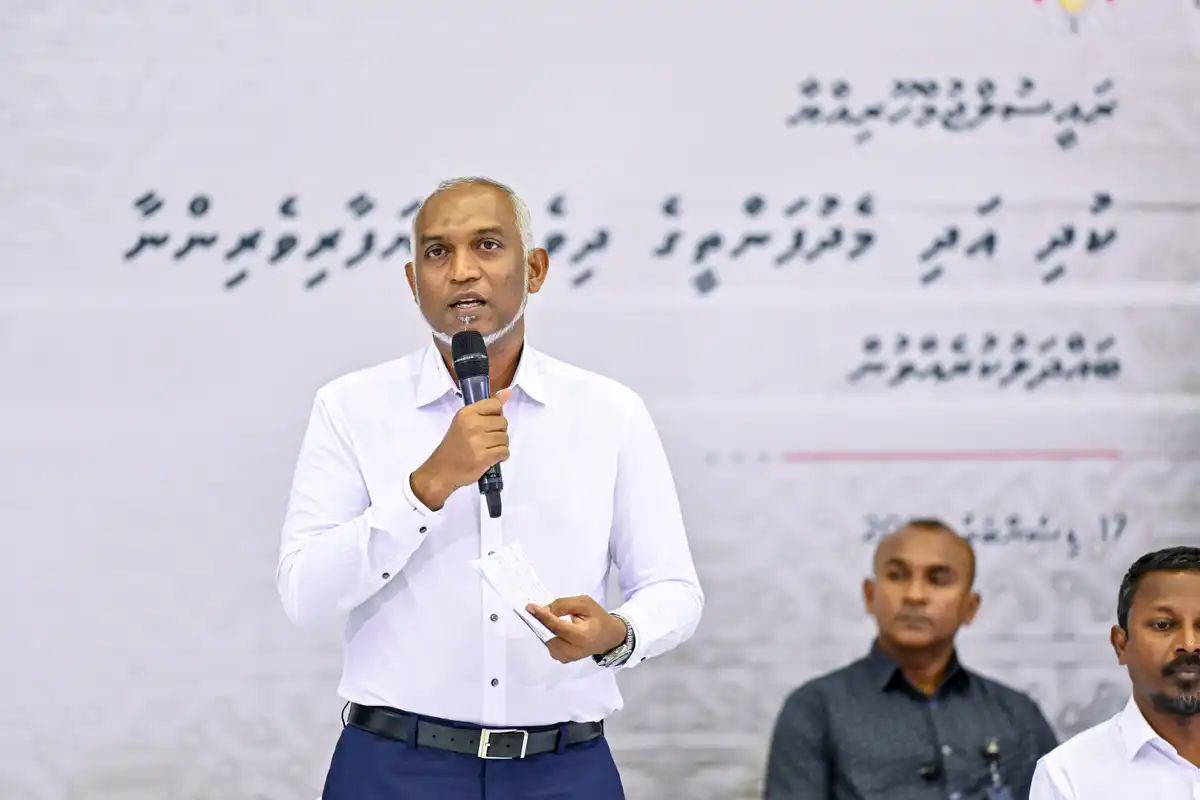
It is an undeniable fact that since President Dr. Mohamed Muizzu assumed office, theft and corruption in the country have escalated to unprecedented levels. Not long ago, projects worth hundreds of millions of Maldivian Rufiyaa were handed out during a lavish ceremony held at Barceló Nasandhura. Despite President Dr. Mohamed Muizzu presiding over what many view as a massive deception of the public, he later faced widespread criticism after claiming that corruption within the government is most prevalent among lower- and middle-level employees.
A total of 206 projects were awarded to handpicked parties, despite the Public Finance Act clearly prohibiting the awarding of government projects without a competitive bidding process. Although Muizzu frequently speaks of transparency, these projects were never publicly announced. While he emphasizes accountability, no opportunities were provided to any parties other than companies associated with the government. Major infrastructure development projects were awarded to close associates without even verifying whether they were listed in the National Register of Contractors. While publicly speaking of responsible service to the people, no consideration was given to whether some of these companies were in the process of liquidation.
The incumbent was elected on a promise to take firm action against corruption. Critics argue that while major corruption cases continue to stagnate, Muizzu’s personal biases are evident in how these matters are handled. International indices such as the Corruption Perceptions Index (CPI) show that the Maldives has made no meaningful progress in combating corruption. This reflects a failure to investigate and prosecute high-level corruption cases.
Further, the government continues to promote a culture of secrecy in decision-making related to major infrastructure contracts and public investment projects.
Problems surrounding the management of State-Owned Enterprises (SOEs) are no longer new. As public outrage over corruption within state companies grows, enterprises that were once profitable are now increasingly observed operating at a loss.
Under the Muizzu administration, individuals involved in theft or corruption have little reason to fear consequences. No action is taken, no investigations are conducted, and no trials are pursued against such individuals. When allegations intensify and public outrage reaches a critical level, leaving the government with no alternative, an individual may be removed from their position. However, no punitive measures follow. Instead, after the public’s attention fades, the individual is reinstated and appointed to another role in a different capacity.
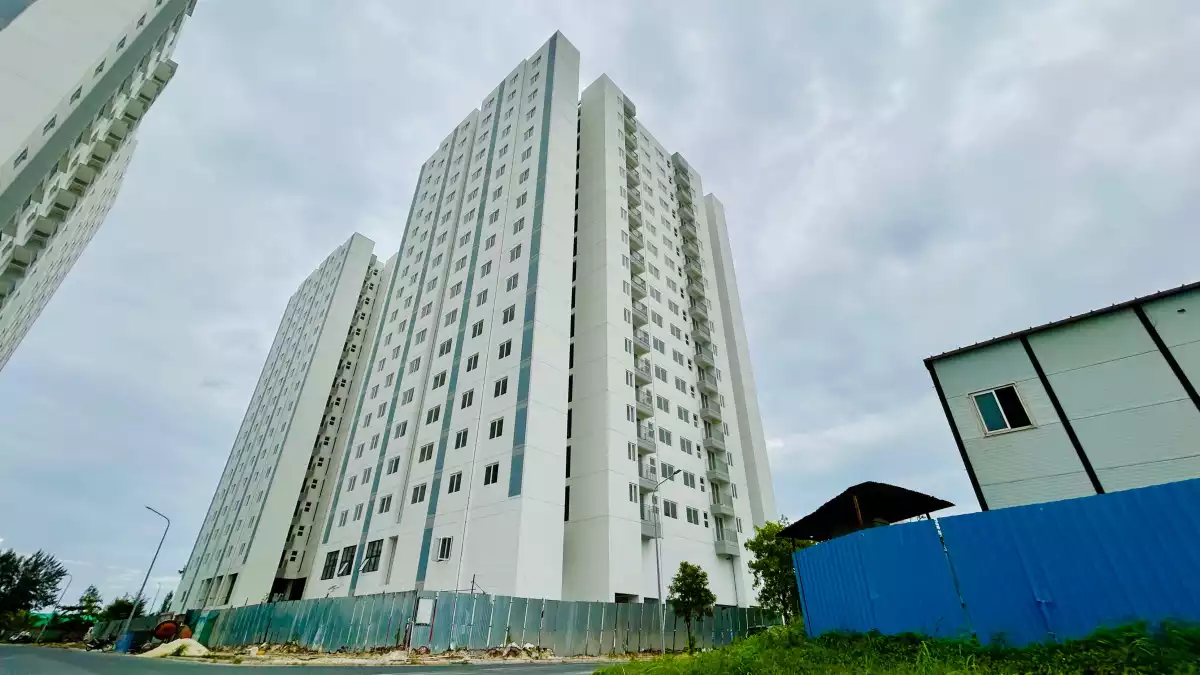
The public has not forgotten the allegations of theft and corruption involving Ibrahim Fazul Rasheed during his tenure as Managing Director of the Housing Development Corporation (HDC). When excuses were exhausted and no other option remained, Fazul resigned. Subsequently, after appointing another individual to lead HDC, President Muizzu claimed that the corporation would improve, describing the new appointee as a trustworthy person of high integrity.
However, months later, Fazul appeared in the front row at a special ceremony held at the headquarters of the main ruling People’s National Congress (PNC). He took the oath as a member of the PNC Senate and received his appointment letter directly from President Muizzu. Shortly thereafter, it was announced that Fazul had been appointed as the PNC campaign manager for Vaavu atoll. Despite the numerous allegations against him, Fazul remains active and visibly confident within the political arena.
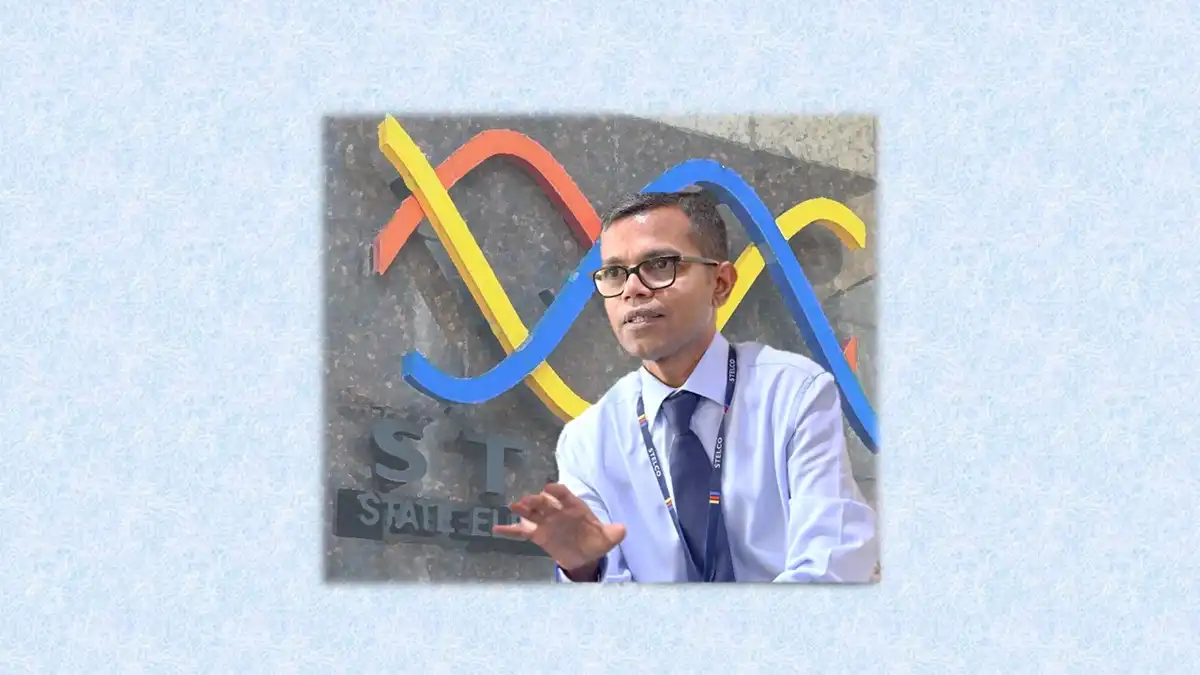
Ahmed Shamah Rasheed was removed from his position as CEO of the Maldives Industrial Fisheries Company (MIFCO) following multiple allegations against him. Whether these matters are under investigation remains unclear. Amid this uncertainty, reports emerged that the government had once again welcomed Shamah. After removing Hussain Fahmy from the position of Managing Director of STELCO, the government appointed Shamah, who had faced allegations of theft and corruption during his tenure at MIFCO, to the role. This directly contradicts claims that the government maintains zero tolerance for theft and corruption.
There are also ongoing allegations of theft and corruption against Abdulla Mohamed, the Managing Director of the gas company. Even as these issues surfaced and were widely discussed, neither the government nor President Muizzu took action against him. He continues to hold his position and remains a senior figure within the PNC.
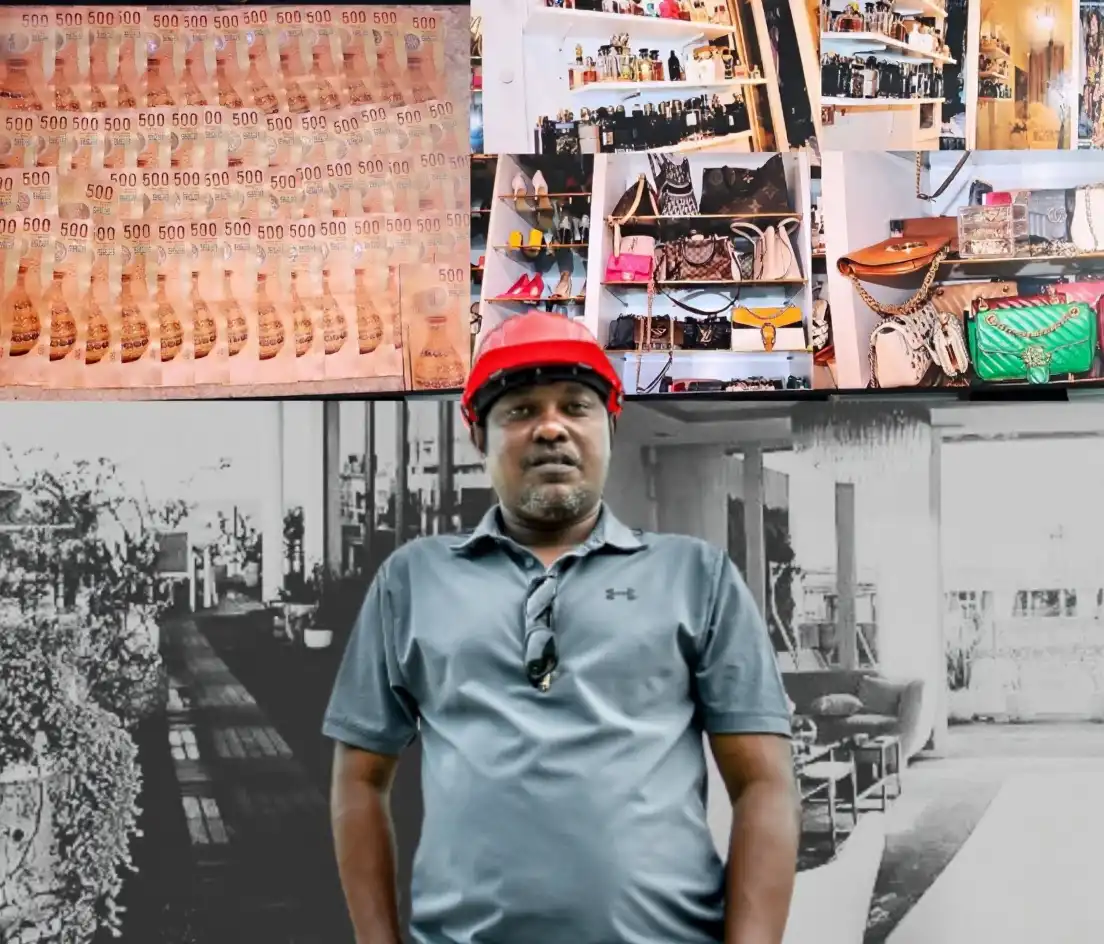
In 2025, it was also revealed that MVR 21 million had circulated through the bank account of an individual suspected of stealing and selling fuel from Fuel Supplies Maldives (FSM), a subsidiary of the State Trading Organization (STO).
Betraying the public while holding state office and stealing from the state treasury are actions that distance individuals from the love of Allah. As stated in Surah Al-Anfal, Verse 58, Indeed, Allah does not love the treacherous.