12 gov’t-owned companies sink into losses; RDC faces heaviest blow amid corruption allegations
15 ޑިސެމްބަރު 2025 | ހޯމަ 09:37Despite President Dr. Mohamed Muizzu’s pledges to strengthen and enhance the efficiency of government companies, this report highlights the lack of adequate efforts to address the situation.


12 companies incurred a total loss of MVR 281 million
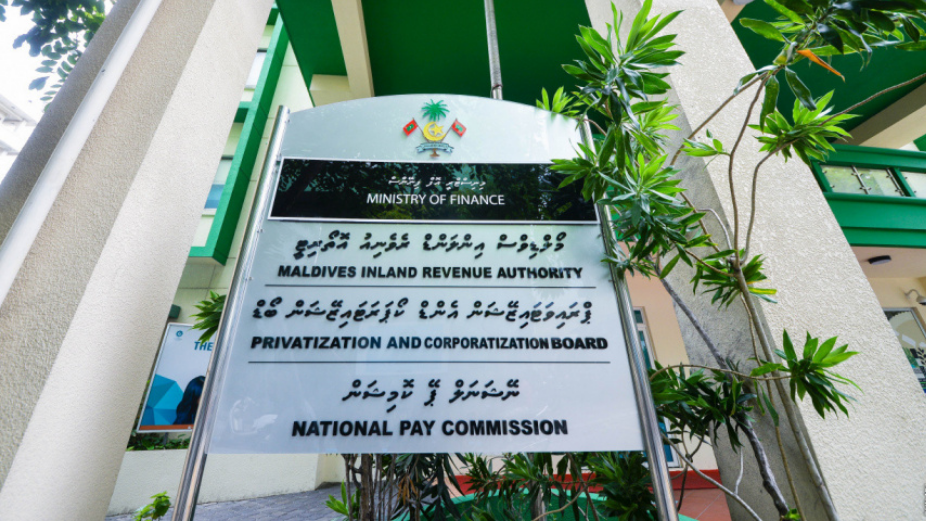
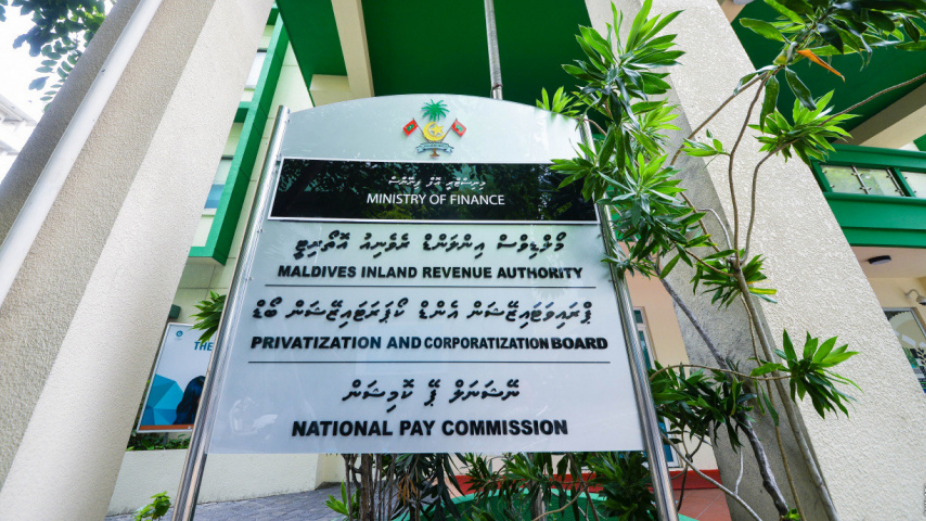
Statistics from the Privatization and Corporatization Board (PCB) have revealed that 12 government-owned companies operated at a significant loss during the first quarter of this year.
According to the figures released by PCB, State-Owned Enterprises (SOEs) generated a total income of MVR 13.29 billion in the first quarter of 2025. This represents a 9 percent decrease compared to the same period in 2024.
PCB’s statistics indicate that these 12 government-owned companies collectively incurred losses amounting to MVR 281 million in the first quarter of this year.
The Road Development Corporation (RDC), which is facing numerous corruption allegations, suffered the largest loss in the first quarter of 2025. The report indicates that RDC recorded a loss of MVR 113.73 million. Island Aviation, which incurred the second-highest loss, registered MVR 46.36 million in losses, as highlighted in the PCB report.
The third-highest loss was reported by Fenaka Corporation Limited, a company also facing substantial corruption allegations. Fenaka incurred a loss of MVR 33.72 million in the first quarter.
Maldives Transport and Contracting Company (MTCC), which had previously operated with a track record of profitability, also experienced a significant loss in the first quarter of this year. MTCC recorded a loss of MVR 19.66 million, while Addu International Airport Company reported a loss of MVR 17.55 million, according to the report.
Other reported losses include: Fahi Dhiriulhun Corporation with MVR 14.05 million, TradeNet with MVR 10.55 million, Fund Management Corporation with MVR 7.15 million, Hajj Corporation with MVR 6.60 million, PSM with MVR 5.72 million, BCC with MVR 3.65 million, and Post Limited with MVR 2.26 million.
Despite President Dr. Mohamed Muizzu’s pledges to strengthen and enhance the efficiency of government companies, this report highlights the lack of adequate efforts to address the situation.
Further, the Auditor General has revealed that some of the funds intended for government companies are being used to cover operational expenses due to their inefficiency.
In the "Review of Budget Position Report 2024" issued by the Auditor General last November, it was noted that while indirect subsidies were provided to compensate companies for financial losses incurred due to government policies that maintained fixed prices for services or goods, these subsidies were not meant to cover the operational inefficiencies of these companies.
However, the Auditor General's report further stated that, as a result of these inefficiencies, the funds disbursed as subsidies are not being used solely for public services. Instead, these funds are also being utilized to cover expenses caused by the companies’ operational failures.
Given the burden placed on state finances by these inefficiencies, the Ministry of Finance and Planning had reportedly planned to abolish some of these subsidies in the 2024 and 2025 budgets.
The ministry intended to introduce a system for direct financial assistance to eligible parties instead. However, the Auditor General noted that these policies have yet to be implemented.