Corruption extends from mosque construction to purchase of execution nooses, now reaching the point of framing people for murder: Ibrahim
16 ނޮވެމްބަރު 2026 | ހޯމަ 08:35During the parliamentary debate on the bill to implement the death penalty, Galolhu North MP Mohamed Ibrahim expressed grave concerns regarding the extent of corruption within the Maldives' judiciary and state institutions. Highlighting the risk of individuals being framed through systemic flaws, he questioned the morality of taking a life without the absolute guarantee of a fair trial. The government-sponsored bill aims to strengthen the legal procedures for sentencing and executing the death penalty.
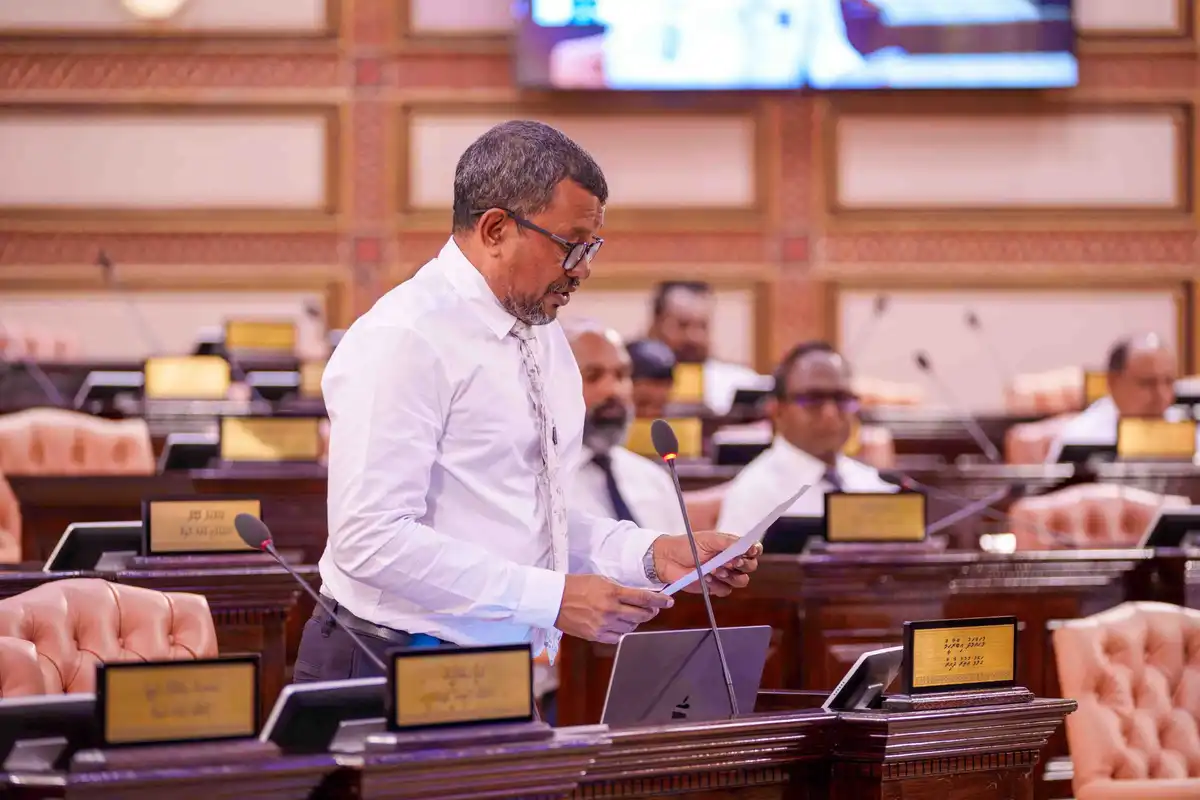
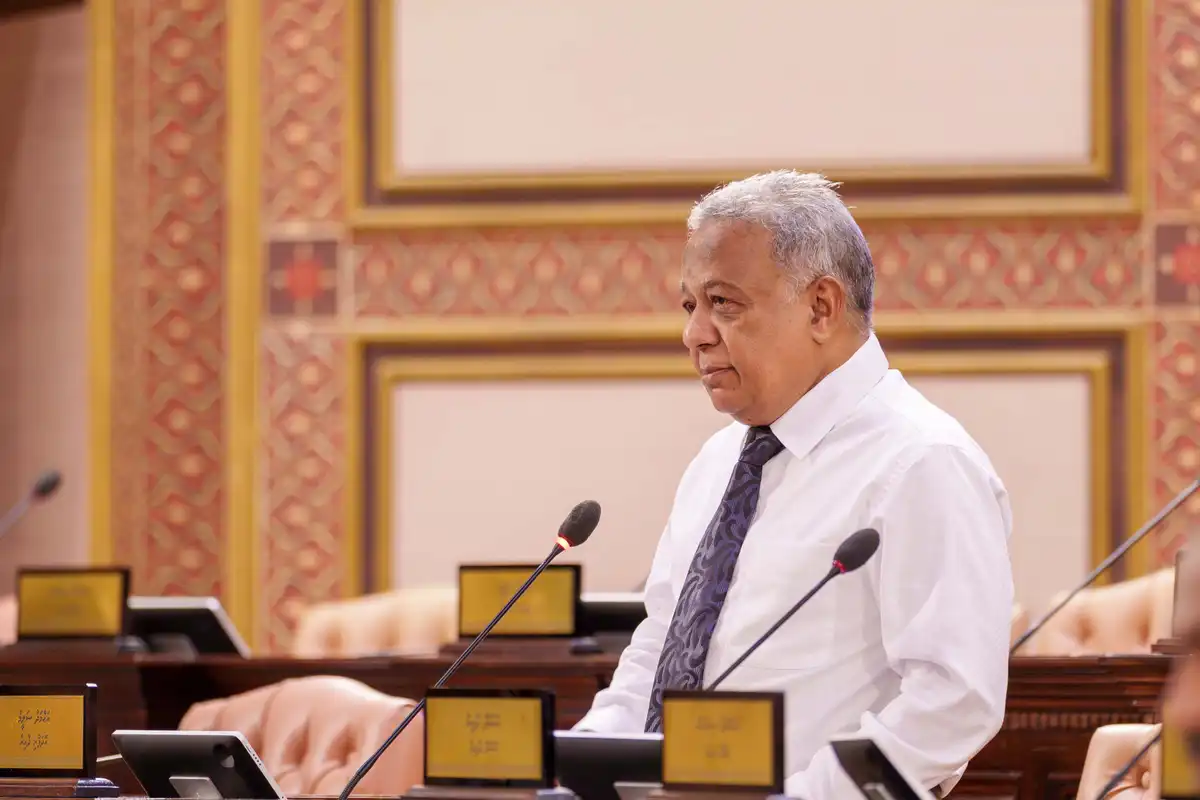
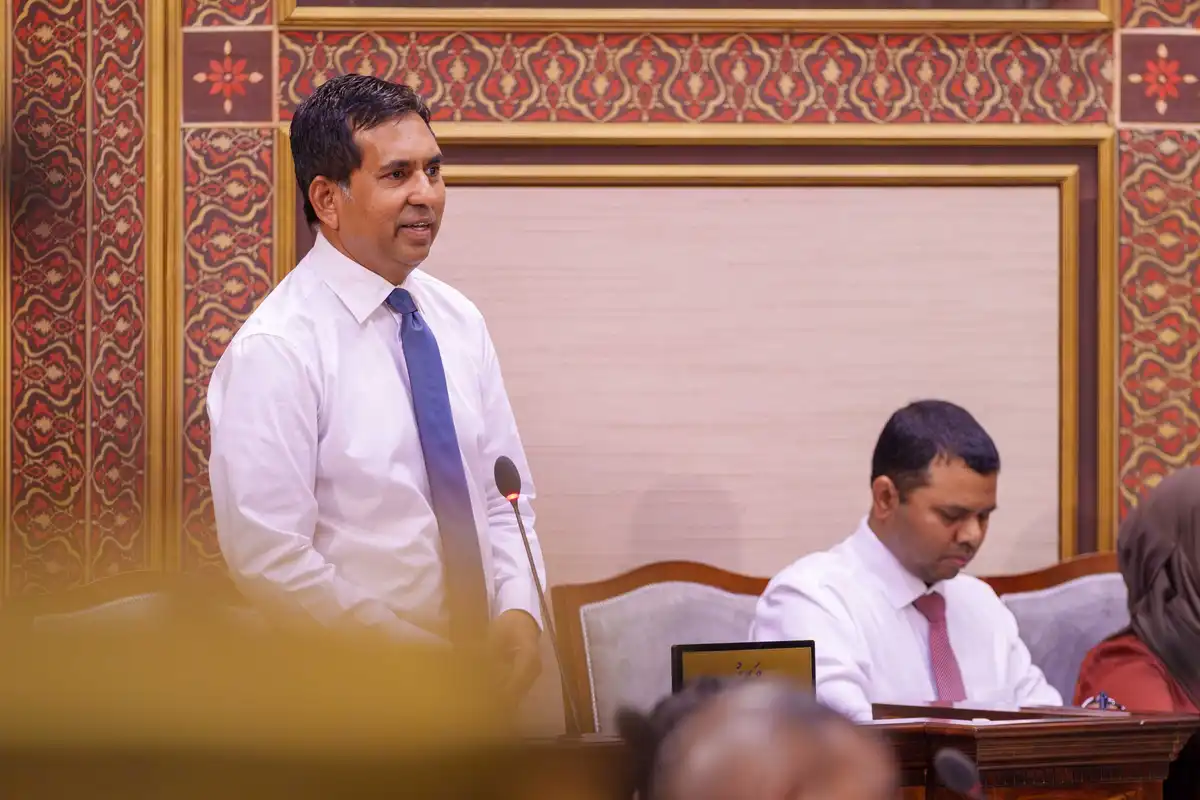
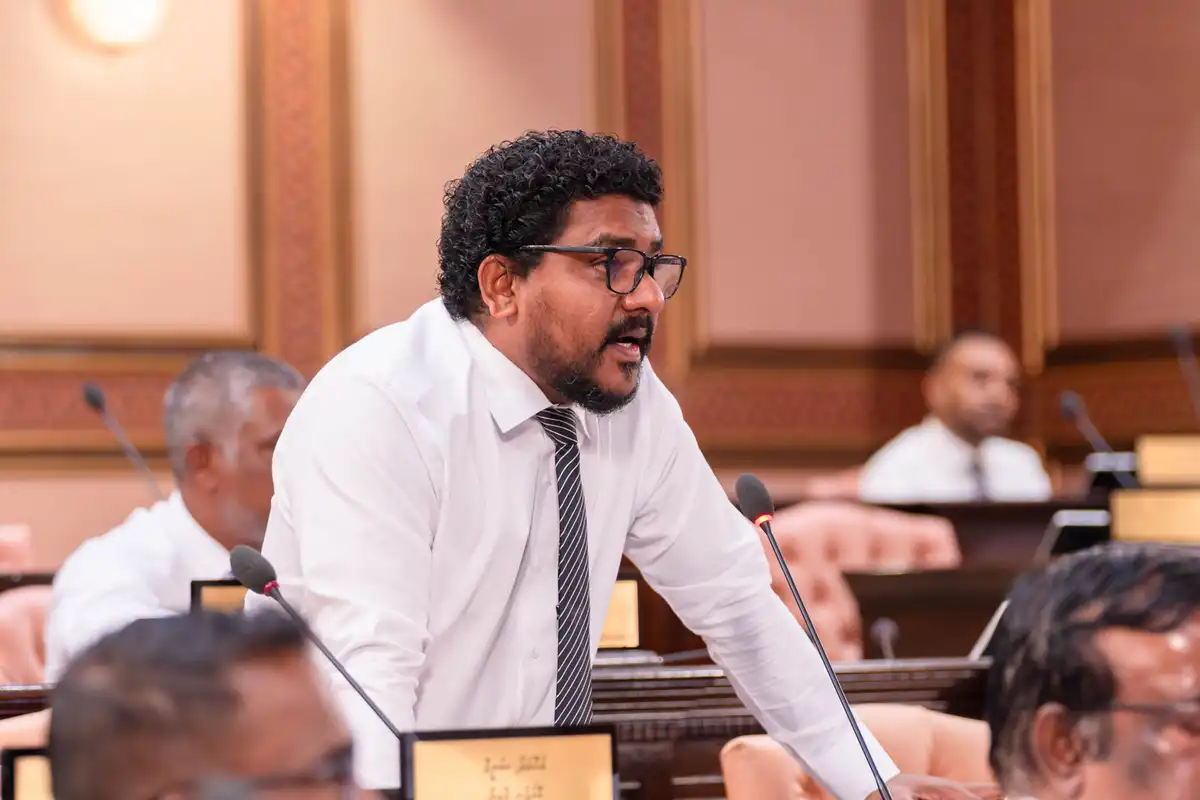
Mohamed Ibrahim (Kudu), Member of Parliament for the North Galolhu constituency. | Majilis
Member of Parliament for North Galolhu, Mohamed Ibrahim (Kudu), stated that it is a bitter reality accepted by all citizens today that corruption permeates everything from the construction of mosques to the procurement of gallows rope. He expressed that one of the gravest concerns is the troubling possibility of individuals being framed to the point of facing the death penalty.
During Monday's People's Majlis sitting, members debated the Death Penalty Determination and Execution Bill, submitted on behalf of the government by Guraidhoo MP Hannan Mohamed Rasheed. Contributing to the debate, MP Ibrahim stated that one of the most pressing concerns raised by the public today is whether justice is being administered correctly and in the most equitable manner.
Out of 240 individuals sentenced to prison for sexual assault, 20 are currently at home. Most of these individuals are residing in the Greater Male' area, where they are frequently seen visiting tea shops, cafes, and restaurants. This is a matter of grave concern for us. It raises the fundamental question of whether justice is truly being served. As long as such practices continue, we must doubt our ability to effectively uphold the rule of law.Mohamed Ibrahim (Kudu)
Furthermore, the member highlighted that corruption remains rampant in the country, pointing to reports that surfaced last week regarding undocumented transactions exceeding MVR 300 million at the Road Development Corporation (RDC). The member stated that these are all matters of significant concern.
We are discussing state-owned enterprises. We are not talking about small sums of money; this reflects the current state of our society. Deception has permeated everything, from the construction of mosques to the allocation of Hajj quotas. Given this reality, we have serious concerns about whether the death penalty can be implemented fairly. It is a bitter truth we must all accept: if corruption exists in building a mosque, it will surely exist in the procurement of the executioner's rope. A person's life must not be taken without an impeccably fair trial. It is an undeniable fact that there are systemic issues within the Maldives' criminal justice system. The primary concern is whether, once this bill becomes law, individuals could be framed and sent to their deaths. That remains the greatest apprehension.Mohamed Ibrahim (Kudu)
The bill states that its primary objective is to establish a robust legal framework outlining the principles and procedures for sentencing and implementing the death penalty in the Maldives. This framework aims to align with the Constitution and relevant international standards while balancing the rights of the general public and the rights of the offender.
The bill outlines the procedures to be followed by courts in sentencing individuals to death in the Maldives. It further details the state's obligations in executing the death penalty, the rights of the condemned, and the specific circumstances and grounds under which an execution may be prohibited. Additionally, the legislation establishes the broader principles and legal procedures governing the imposition and implementation of capital punishment.
The bill stipulates that the execution of the death penalty shall be overseen by a seven-member committee. This committee will be composed of a commissioned officer from the Maldives Correctional Service, a senior police officer, a prosecutor, a Member of Parliament, a medical doctor, a representative appointed by the Supreme Court, and a licensed religious scholar authorized to deliver sermons and provide religious counsel.