Ministry: Plastic Straws and Bottles Allowed Due to Lack of Viable Alternatives
20 ސެޕްޓެމްބަރު 2026 | އާދީއްތަ 07:47The government has decided to postpone the ban on certain single-use plastics to alleviate the challenges faced by the public and small businesses. This decision follows concerns regarding the poor quality of paper straws and the difficulties in islands lacking established clean water systems. Consequently, the government has extended the timeline to allow more time for a smoother transition to eco-friendly alternatives.

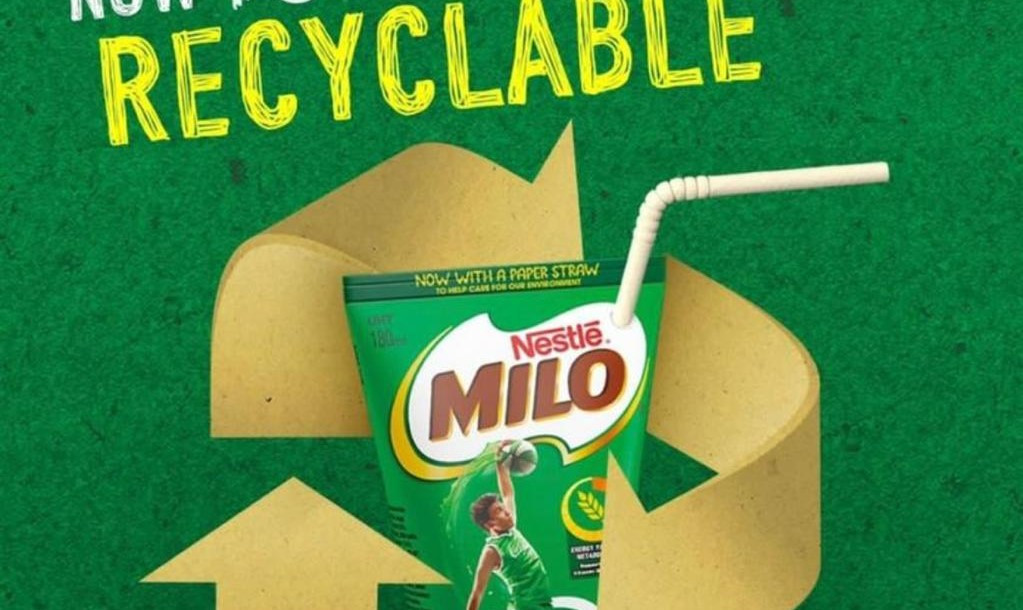
The Ministry stated that consumers are expressing concern over the use of paper straws, noting that they frequently become soggy and disintegrate, making them difficult to use.
The Ministry of Environment has stated that the temporary lifting of the ban on importing single-use plastic drinking straws was implemented to provide greater convenience for the public.
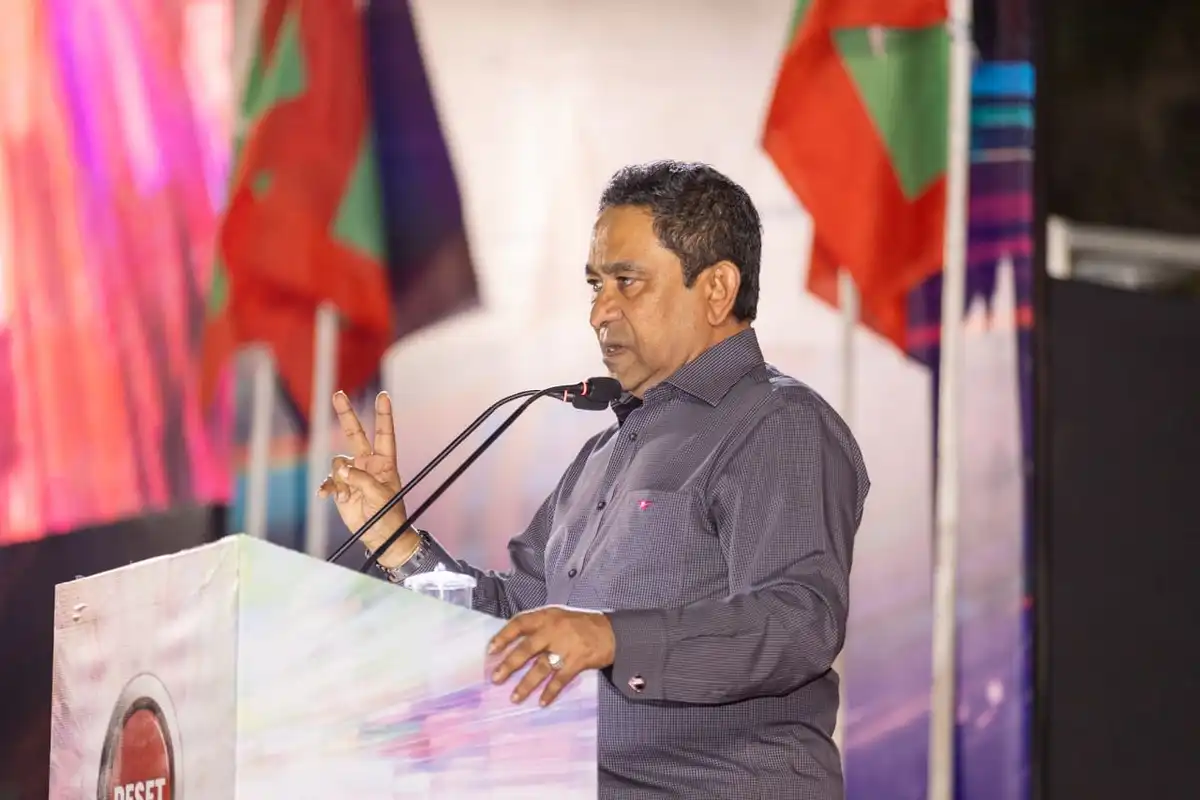
President Dr. Mohamed Muizzu has amended the decree defining the "List of Environmentally Harmful Single-Use Plastics." Under these changes, the ban on importing plastic straws into the Maldives has been rescheduled from June 2, 2021, to June 2031. Additionally, the deadline to prohibit the import and local production of plastic bottled water between 500ml and one liter—items currently included in the single-use plastics list—has been deferred to December 1, 2029.
Furthermore, regarding pre-packaged beverages in plastic bottles, the regulations have been amended to ban bottles smaller than 250ml, replacing the previous restriction on 500ml bottles.
In a statement regarding these changes, the Ministry noted that the amendments aim to provide practical and sustainable solutions to the challenges currently faced by the general public and small to medium-sized enterprises due to existing regulations.
The Ministry noted in its statement that paper straws have become the primary option available in the local market. However, consumers have expressed concerns regarding their durability, noting that these straws often become soggy and dissolve in liquids, making them difficult to use.
Furthermore, the Ministry noted that these types of straws are lined with a plastic layer and contain adhesives. Consequently, disposing of them significantly increases the likelihood of microplastic formation.
Consequently, the deadlines for banning plastic straws have been revised to allow more time for the introduction of high-quality, eco-friendly alternatives to the market.
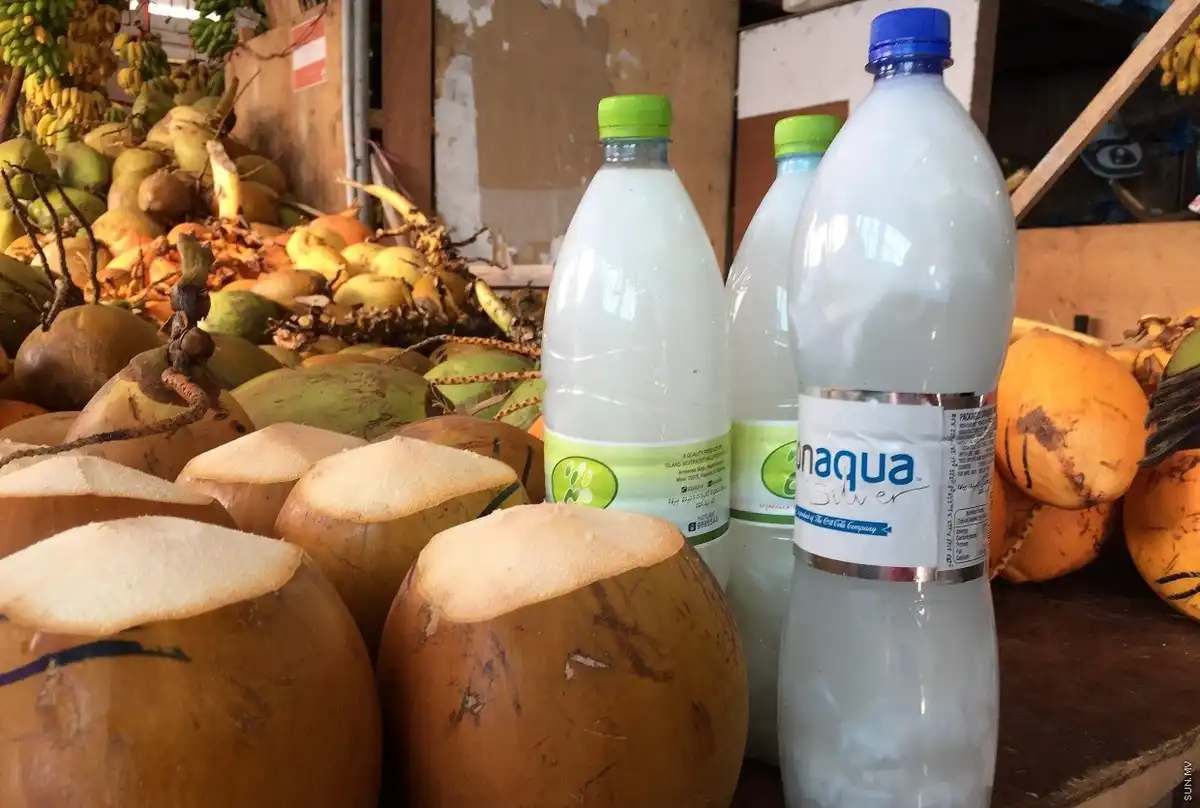
In a statement, the Ministry noted that despite the widespread use of bottled water, several islands have yet to establish proper water supply systems to this day.
Furthermore, it was noted that even in some islands where clean water systems have been established, the services are not being provided effectively. As a result, residents continue to rely primarily on bottled water for their drinking needs.
It has been noted that the previous regulation, which prohibited the production and distribution of ready-to-drink beverages in plastic bottles smaller than 500ml, has caused significant challenges for small and medium-sized enterprises (SMEs) in importing certain beverages into the Maldives.
The Ministry's statement noted that these beverages specifically include drinks formulated for athletes and products marketed toward children. Since the Maldives is not a manufacturing nation for such processed beverages and relies entirely on imports, the Ministry acknowledged it is highly unlikely that international manufacturers would alter their production lines specifically to cater to the requirements of the Maldivian market.
Recognizing that small and medium-sized enterprises in the Maldives are facing significant financial and operational challenges due to these regulations, the prohibited threshold has been amended from 500ml to 250ml to address these concerns and provide a viable solution.