Parliament accepts bill to reclaim council lands despite widespread calls for withdrawal
10 އޯގަސްޓު 2026 | ހޯމަ 09:13Public concern is mounting following Parliament's decision to accept an amendment to the Decentralization Act that allows the government to reclaim council-administered lands for state projects. Critics and several local councils have voiced strong opposition, arguing that the move undermines local governance and centralizes power by granting national authorities the mandate to seize land at will; consequently, multiple councils have passed resolutions calling for the immediate withdrawal of the bill to protect the constitutional powers of local communities.

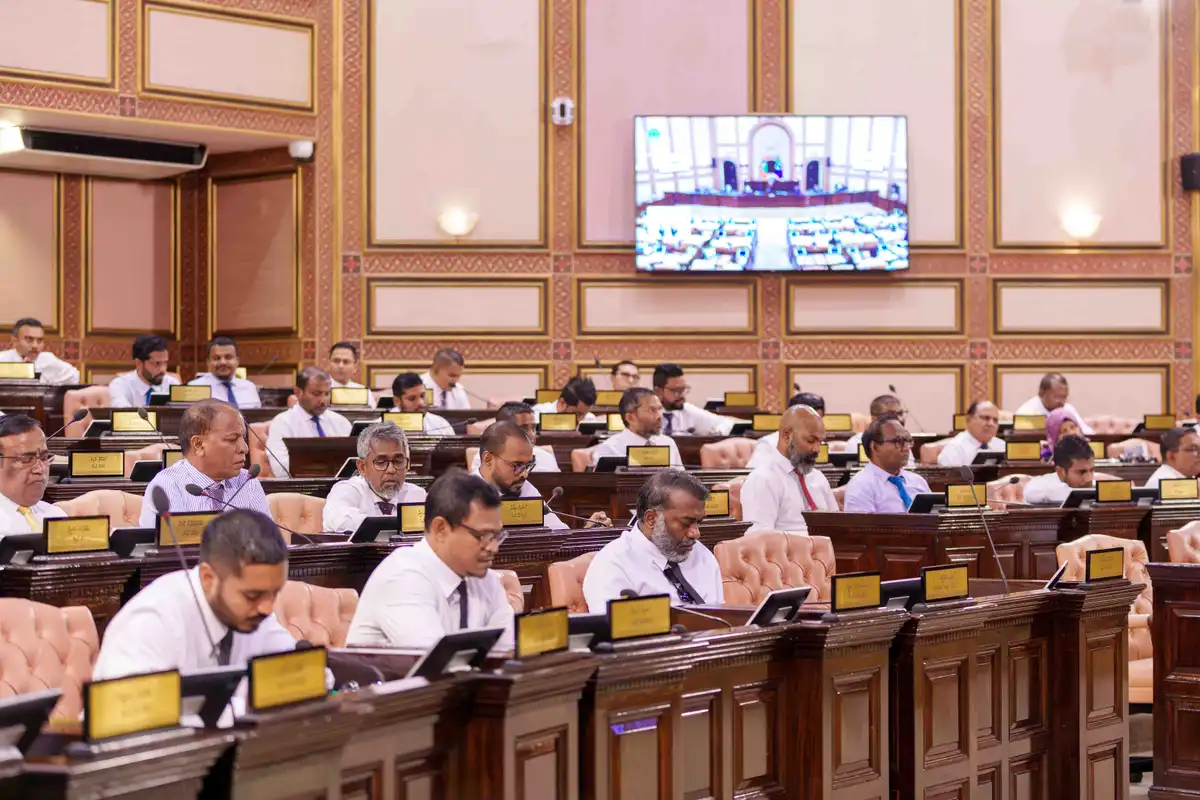
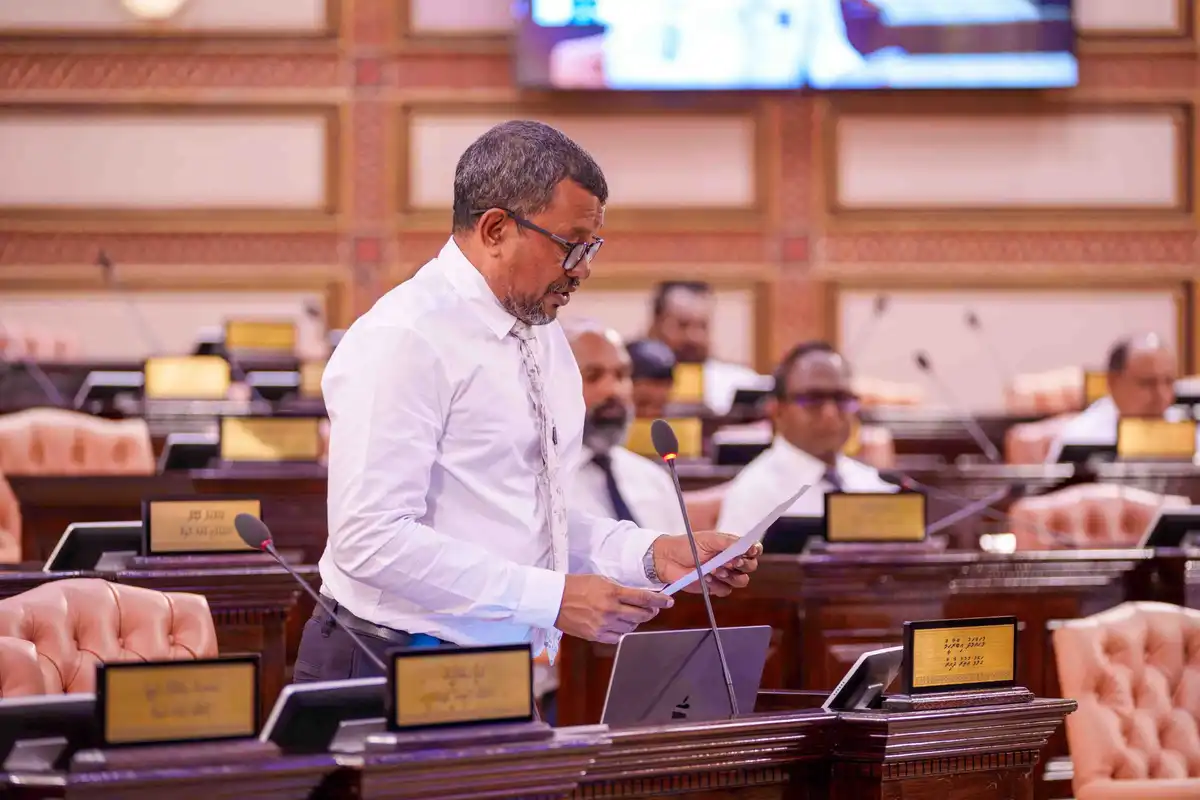
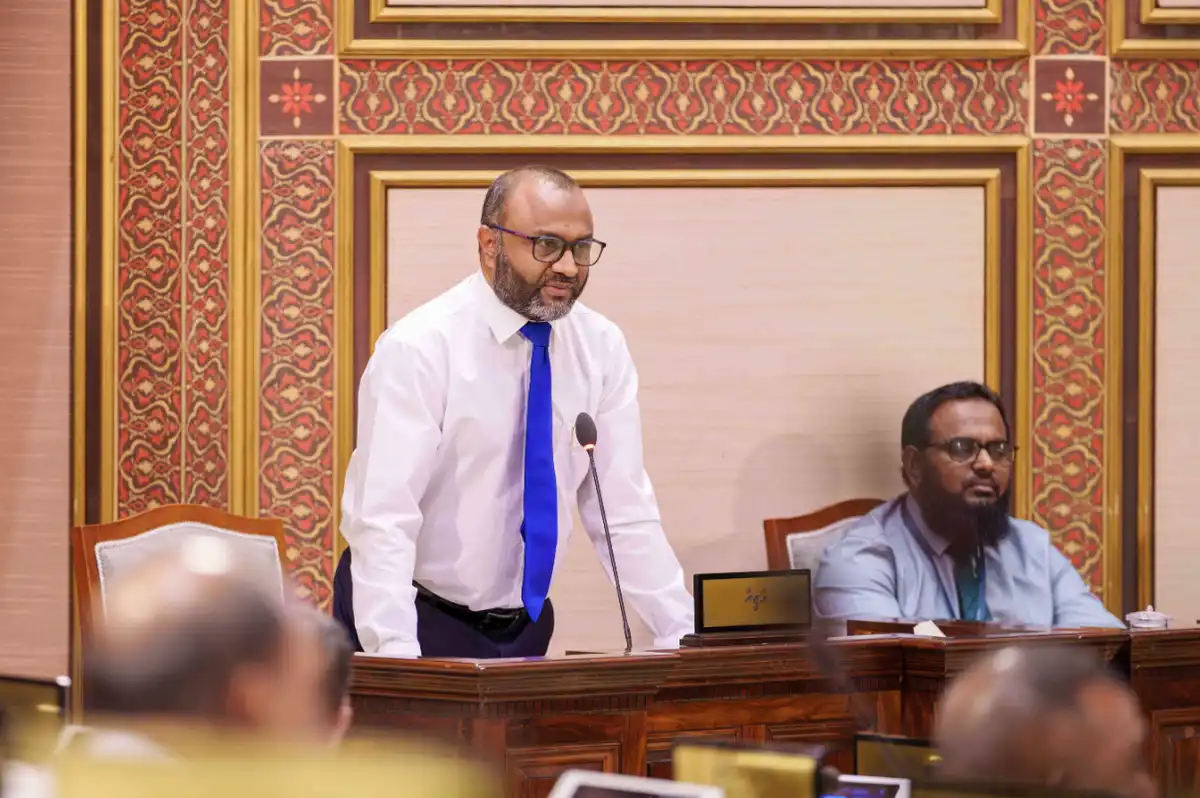
The 20th sitting of the People's Majlis is currently underway. | People's Majlis
The People’s Majlis has accepted a bill proposing amendments to the Decentralization Act, which would grant the government authority to reclaim land and sites under the jurisdiction of local councils for the implementation of state development projects.
During Monday's People's Majlis sitting, a vote was held on whether to accept a bill proposing amendments to the Decentralization Act. The legislation was sponsored and introduced by the Member for Thulhaadhoo constituency, Abdul Hannaan Aboobakuru. The bill was accepted by the Parliament with a majority of 55 members voting in favor. Eight members voted against the motion.
The bill has subsequently been forwarded to the Parliament's Decentralization Committee for further review. However, the proposed legislation has drawn widespread public concern. Critics argue that the ultimate consequence of these amendments would be the disenfranchisement of elected councilors, effectively transferring their authority to the Cabinet. In response, a petition has been submitted to Parliament calling for the withdrawal of the bill.
Furthermore, these amendments will provide the opportunity to take punitive action against democratically elected councilors representing the public, on the grounds of opposing or failing to cooperate with decisions made by the Cabinet.
Furthermore, the petition highlights that the proposed amendments restrict the public's right to have a say in local affairs. It asserts that these changes contradict the Decentralization Act and its core principles, effectively diminishing the power vested in the people. Consequently, the petition calls for the immediate withdrawal of the bill.
Expressing their concern and calling for the withdrawal of the proposed amendment, the local councils of B. Fehendhoo and B. Thulhaadhoo have both unanimously passed resolutions demanding the bill be retracted. In their respective resolutions, the two councils stated that the amendments directly contravene the principle of popular sovereignty enshrined in Article 4 of the Constitution. They further asserted that the changes undermine the objectives of decentralized administration as outlined in Chapter 8, as well as the democratic progress the Maldives has achieved.
The resolution states that one of the most significant milestones achieved since the introduction of the decentralization system is the legal demarcation of island jurisdictions and the granting of ownership to local communities. It further notes that the framework for utilizing these jurisdictions has been established and approved with the full participation and support of the public.
However, the two councils stated that if the newly proposed amendment is passed into law, it would grant central authorities in Malé the power to seize any part of a local jurisdiction at any time and in any manner they choose. They warned that this would effectively strip local residents of their rightful ownership and control over their own administrative territories.