Grim reality behind shiny gov’t PR
3 ޖޫން 2026 | ބުދަ 10:59Recent data from the Maldives Bureau of Statistics reveals a sharp rise in the cost of living, with essential utilities and food prices surging significantly. The inflation crisis is particularly severe in the atolls due to rising transportation costs, creating a stark economic divide compared to the capital. While officials claim stability, the public faces a financial nightmare as basic necessities and the tourism sector struggle under mounting fiscal pressure.


Since the administration of President Dr. Mohamed Muizzu came to power, the Maldivian economy has been weakened due to the increase in the prices of goods. | RaajjeMV
The newest numbers dropped by the Maldives Bureau of Statistics prove that the country's economic state has snowballed into the heaviest financial nightmare the public has endured in modern history.
Even though government officials love to insist that our finances are perfectly steady, Consumer Price Index reports lay bare the brutal truth of what is happening across the nation.
The data shines a glaring spotlight on the massive hurdles regular people are facing just trying to scrape by and pay for their most basic living requirements.
Springtime price explosion
If you look at the official data, the cost of everyday goods and services shot up by 4.18 percent in April when compared directly to March of this current year.
On top of that, the yearly inflation rate climbed by 2.9 percent compared to April of the prior year. This sudden shift represents a massive wrench thrown into the daily budgets of Maldivian households, serving as one of the most punishing spikes in the cost of living seen in recent memory.
Burning holes in wallets and kitchens
Naturally, the most painful price jumps this past April hammered the sectors people literally cannot live without.
The cost of keeping a roof over your head and the lights on, including electricity, water and gas, skyrocketed by a staggering 17.29 percent. If you want to cook dinner, expect to pay 22 percent more for a cylinder of cooking gas than you did last year.
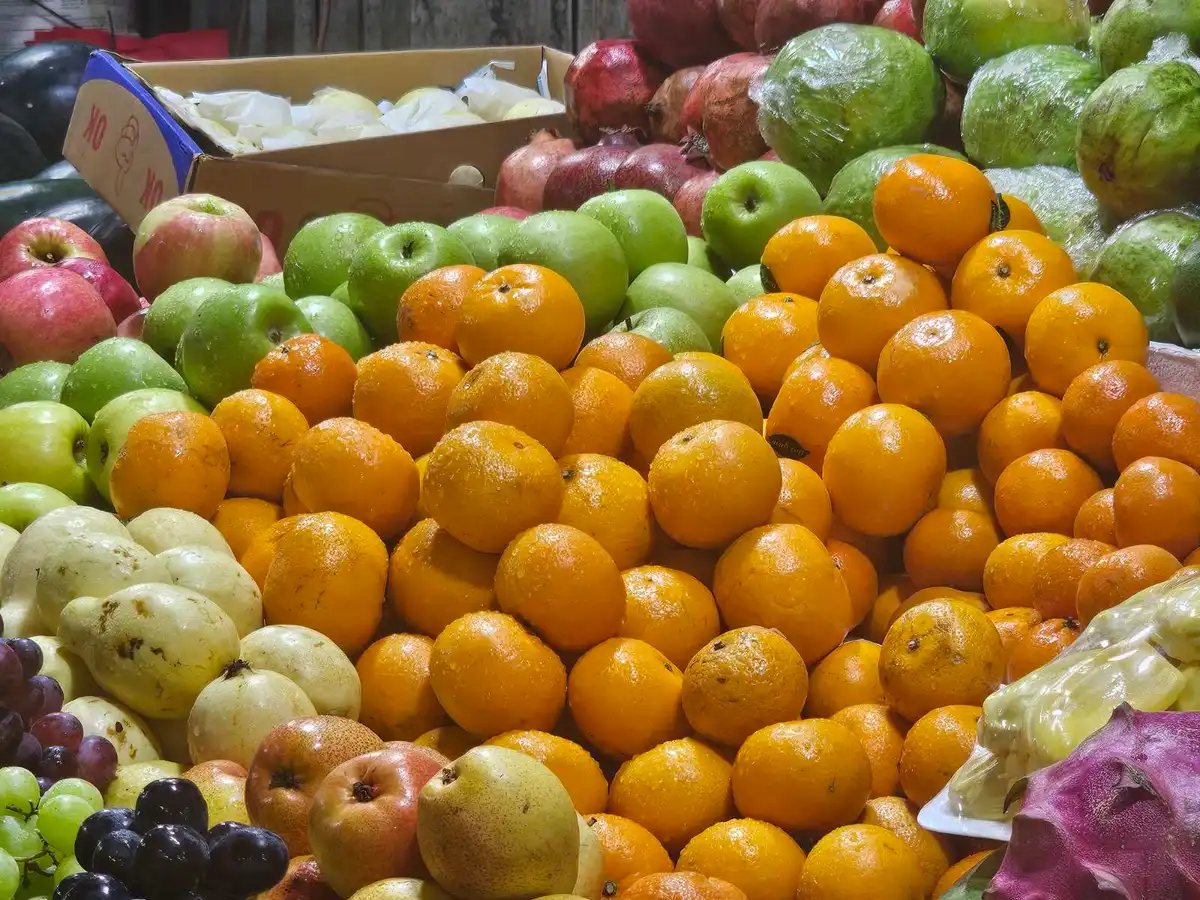
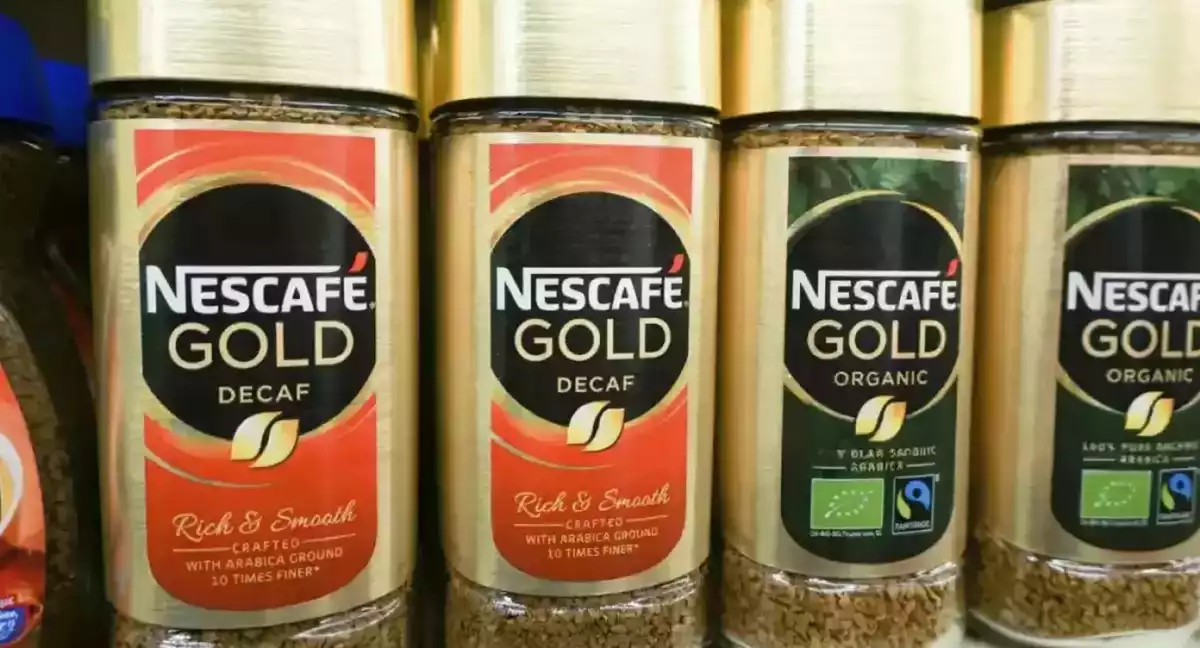
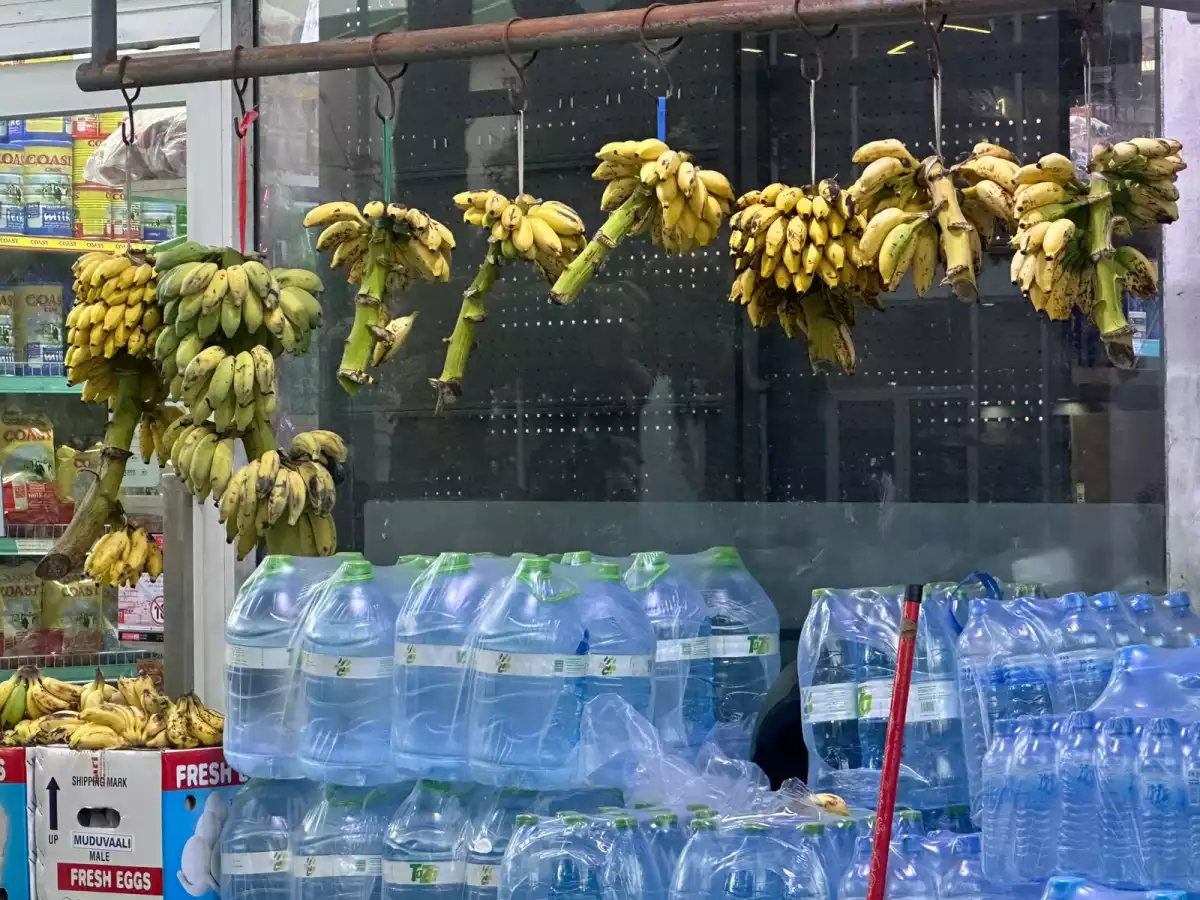
The grocery aisle offers absolutely no rescue either. Fish, which is the absolute backbone of the Maldivian diet, saw its price tag jump by 10 percent, while the morning cup of coffee became 18 percent pricier. In fact, the Essential Commodity Price Index shows that the cost of basic survival items alone has jumped by 5.77 percent. Even trying to build a future is becoming impossible, as the market price for a single bag of cement has blown past MVR 300 after a 17 percent spike in April alone, creating a massive roadblock for anyone trying to build a family home.
Heavy price of living on the atolls
As bad as things look in the capital, the economic pain gets significantly worse the further you travel into the administrative atolls.
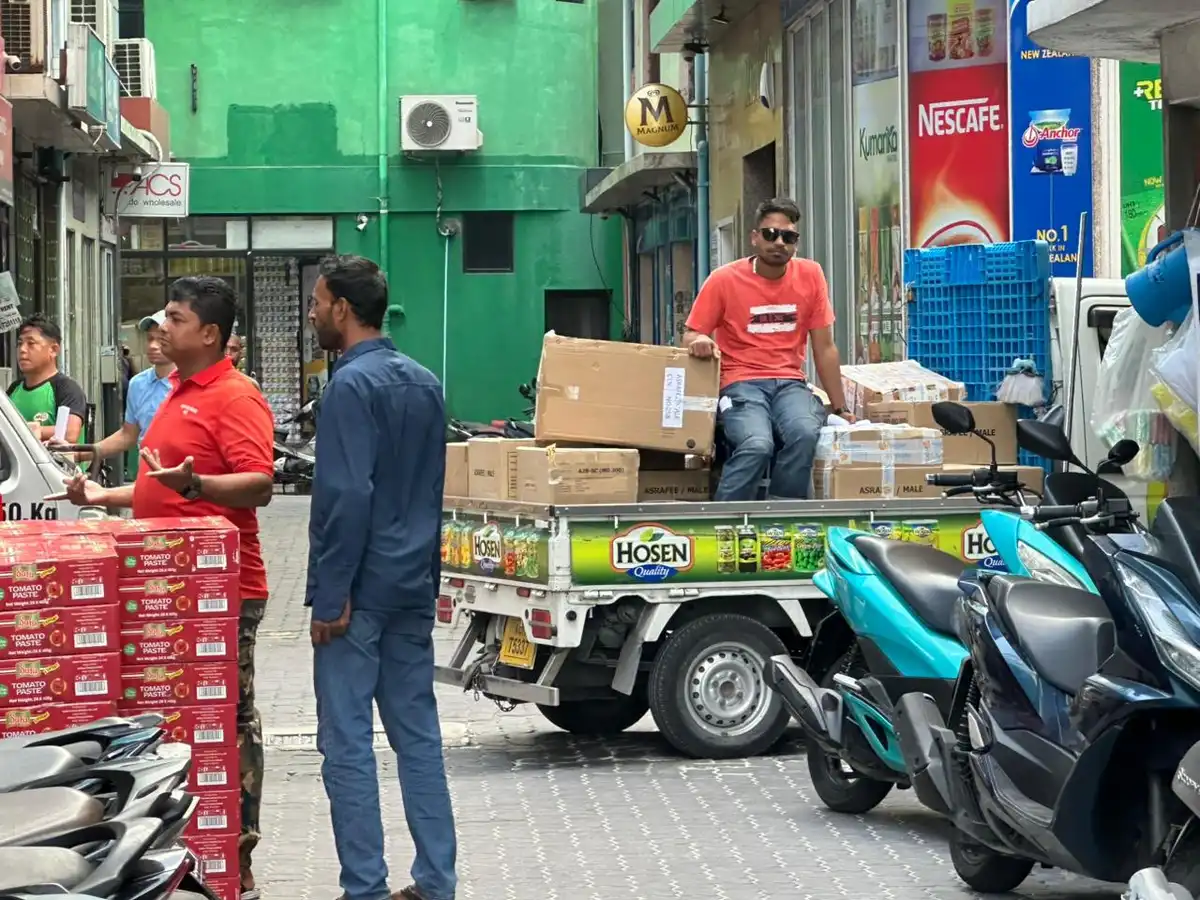
While residents in the Greater Malé Region (GMR) watched prices climb by 3.24 percent, the cost of goods and services out on the islands surged by a much higher 5.56 percent. The main culprit behind this unfair divide is an eight percent spike in domestic transportation costs within the island nation, which is being fueled by climbing global oil prices.
Because the financial toll of moving food and building supplies to the islands keeps ticking upward, residents living across every single atoll are being backed into a corner, left grappling with how to afford basic necessities.
At the exact same time, the tourism sector, which is supposedly the very spine of the Maldivian economy, is getting dragged down too. Resorts and tourism businesses are watching their overhead costs balloon because U.S. Dollars are incredibly scarce and commodity prices are climbing, triggering panic and deep anxiety throughout the entire industry.
Survival mode and bureaucratic denial
While official state institutions keep repeating the line that the economy is finally steadying out, their own data proves that the cost of living has soared completely out of reach for a massive portion of the population, forcing everyday people into a pure survival mindset.
The CPI index makes it blindingly obvious that we desperately need actual, working government action to rein in the costs of vital goods and utilities, as well as to guarantee that basic services do not become a luxury for those living out on the atolls.
Instead, the situation has decayed to the point where citizens are now forced to beg for help just to cover their barest fundamental needs. Bureaucrats will undoubtedly try to sweep these worries under the rug or paint a glossy, fake portrait of booming economic and corporate growth.
However, no matter how hard they try to cover up the damage, the raw suffering of the public cannot be camouflaged.
To turn around and tell the public that their current situation is acceptable is nothing short of an insult to the actual misery the citizens are living through currently.