Bill to strip LGA Board of powers sent to Decentralized Committee for review
12 މެއި 2026 | އަންގާރަ 09:06The Parliament has sent a proposed amendment to the Decentralization Act to a committee for review, which seeks to bring Local Government Authority (LGA) employees under the Civil Service mandate. Under this change, the power to appoint and dismiss staff would shift from the LGA Board to the Civil Service Commission; however, the move has sparked concerns from some stakeholders who argue it could compromise the authority's independence.


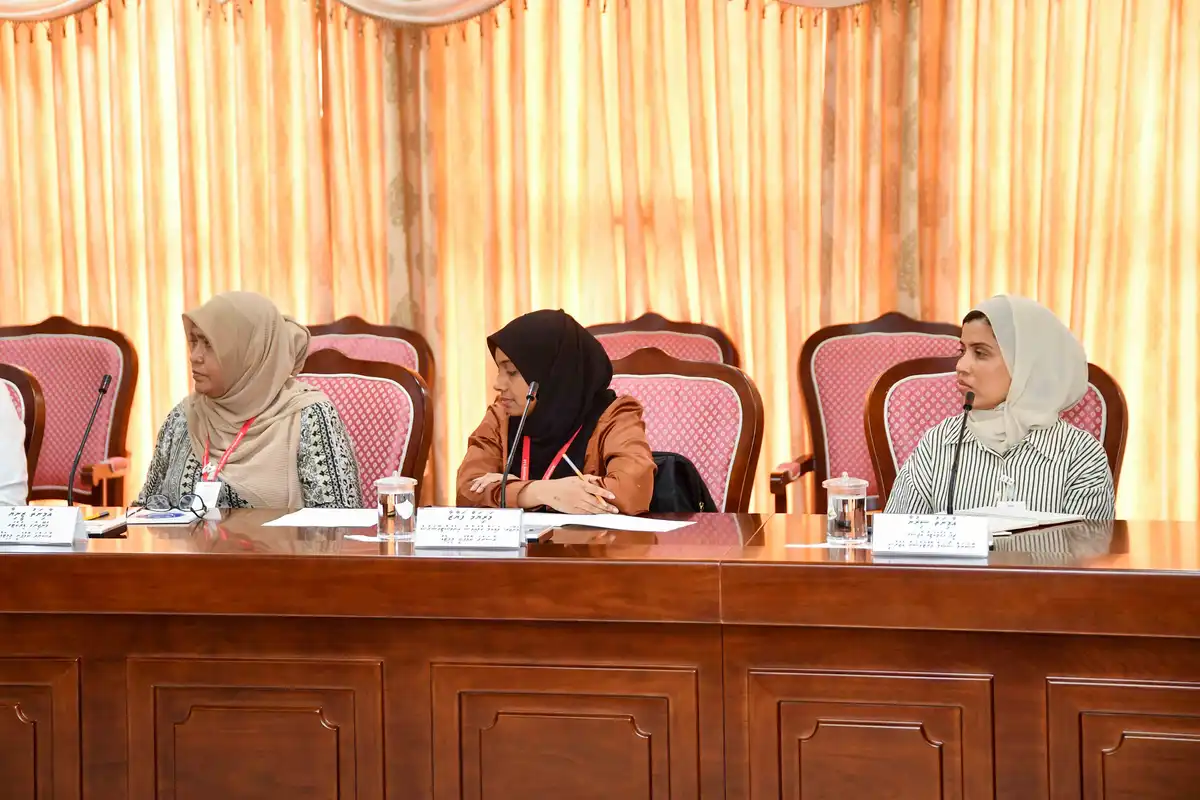
From a meeting of the LGA Board. | LGA
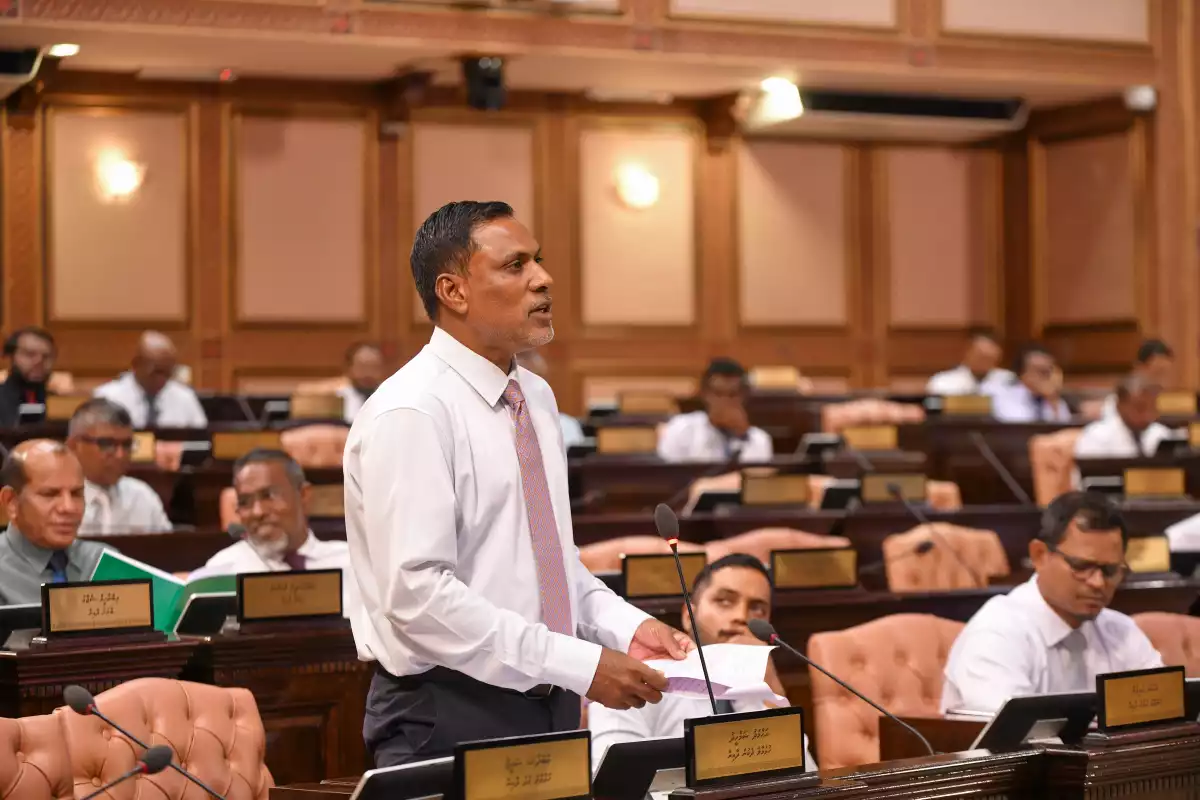
The Parliament has voted to accept a government-proposed amendment to the Decentralization Act, which seeks to transfer the staff of the Local Government Authority (LGA) under the jurisdiction of the Civil Service.
The People's Majlis accepted the bill during Tuesday's session with a majority of 44 members. Only five members voted against the motion.
Following this, the bill has been forwarded to the Parliament's Committee on Decentralization for further review.
The amendment was submitted on behalf of the government by Hamad Abdullah, the Member of Parliament for the North Fuvahmulah constituency.
While introducing the bill, the member stated that the government's objective is to strengthen the administration of the Local Government Authority (LGA) by incorporating its staff into the Civil Service framework.
According to Section 61(h) of the Decentralization Act, the Board of the Local Government Authority (LGA) is vested with the power to appoint and dismiss staff, oversee administrative affairs, and facilitate the execution of the Authority's mandates.
The amendment proposed by the government seeks to repeal that specific provision. Under the proposed change, the Local Government Authority (LGA) Board would be stripped of its current powers, and all LGA staff would be reclassified as civil service employees.
Under the government-proposed amendment, the appointment and dismissal of Local Government Authority (LGA) staff will be handled by the Civil Service Commission, acting on the advice of the authority’s Chief Executive Officer (CEO). In addition to the recruitment and termination of staff, the CEO will also serve as the responsible head for all other administrative matters concerning the authority's personnel.
Furthermore, the amendment specifies that the CEO, acting on the advice of the Board, shall have the authority to determine the authority's organizational structure, including the designation of staff positions, their classifications, requirements, and responsibilities. This framework must then be submitted to and approved by the Civil Service Commission.
The amendment stipulates that employee salaries and allowances shall be determined by the National Pay Commission, in accordance with the State Salary Policy Act.
The Local Government Authority (LGA) is the apex body mandated under the Decentralization Act to oversee, monitor, and coordinate the activities and operations of local councils. Furthermore, following the dissolution of atoll councils, the authority has been tasked with the responsibility of providing all services previously rendered by those administrative bodies.
Concerns are mounting over the government's decision to strip the Local Government Authority (LGA) of its independence, effectively dissolving the board's powers and transitioning its staff under the Civil Service Commission.