If a gag order results in absolute deprivation of a right, it constitutes an unconstitutional order: Former Chief Justice
12 މެއި 2026 | އަންގާރަ 09:03Former Chief Justice Dr. Ahmed Abdulla Didi has characterized the Criminal Court's order prohibiting discussion of the "Adhadhu" documentary "Aisha" as unconstitutional. He asserted that such "gag orders," which impose absolute restrictions on freedom of expression and press freedom, contravene democratic principles. Furthermore, the former Chief Justice emphasized that judicial proceedings should only be conducted in camera within the specific exceptional circumstances mandated by Article 42 of the Constitution.


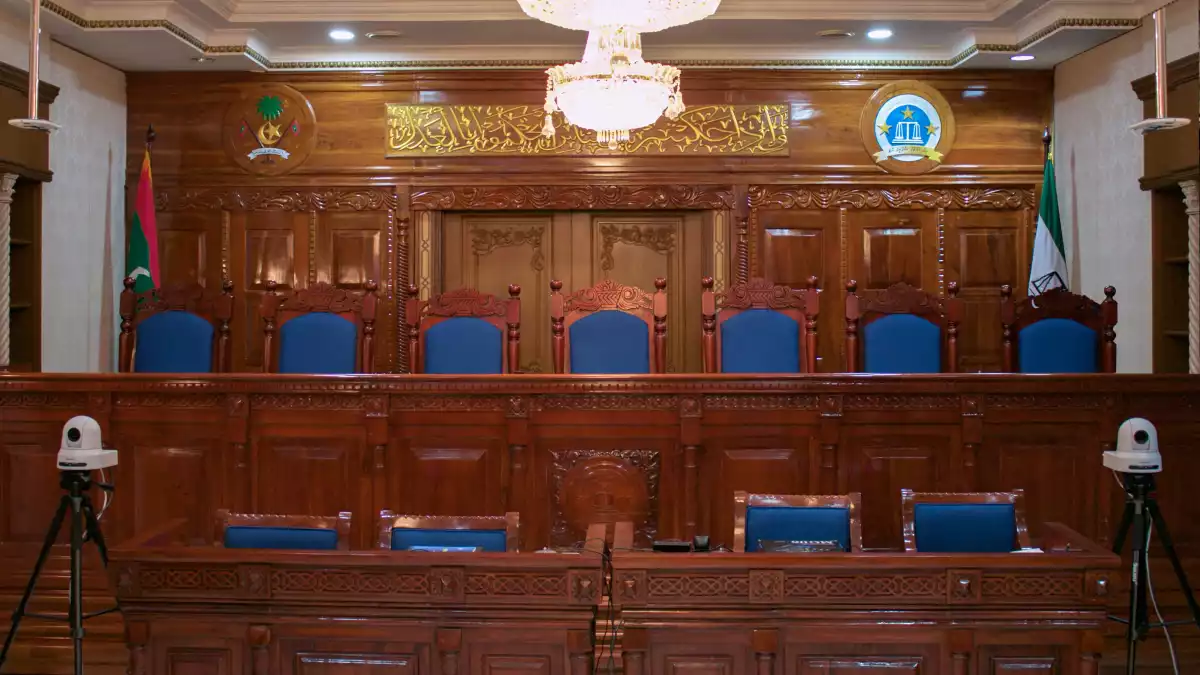
Dr. Ahmed Abdulla Didi, the former Chief Justice of the Maldives. | Raajje MV
Former Chief Justice Dr. Ahmed Abdulla Didi has stated that any gag order resulting in the absolute deprivation of a fundamental right is unconstitutional.
Former Chief Justice Dr. Ahmed Abdulla Didi made these remarks following a court order regarding the "Aisha" documentary produced by Adhadhu news. The court has prohibited the circulation of the documentary until a final verdict is reached, further ordering a gag on any discussions related to its content, whether direct or indirect. Additionally, the injunction restricts any public discourse concerning the parties involved or the victim in connection to the documentary currently before the court.
The Criminal Court’s order states that these types of cases may be conducted in closed proceedings, as per Article 42(c)(1) of the Constitution, to protect public morality. The court further ordered that documents and information related to the trial must not be disseminated, warning that any such action would be considered an act of contempt of court.
In a post on X regarding the matter, Didi stated that the universal principle of conducting open and public trials, as enshrined in Article 42(b) of the Constitution of the Republic of Maldives, is an established fundamental rule of criminal procedure. This constitutional principle can only be restricted or limited as an exception if it remains consistent with the democratic principles outlined in Article 68 of the Constitution. Furthermore, such limitations must fall strictly within the grounds specified in Article 42(c) of the Constitution and be applied solely in consideration of the public interest intended to be achieved by those grounds.
Therefore, if a court order or "gag order" issued to prohibit the disclosure or publication of statements and proceedings in criminal trials and investigations—under the guise of an exception—acts as a mechanism to absolutely restrict or strip away the constitutional guarantees of freedom of expression, freedom of the press, and the right to access and disseminate information, such an order would be in direct violation of Article 68 of the Constitution.