President Muizzu’s misunderstood RTI policy
12 މެއި 2026 | އަންގާރަ 09:02The current administration is facing mounting public and opposition criticism for its failure to respond to Right to Information (RTI) requests, with statistics revealing that 76 percent of inquiries remain unanswered. Despite President Dr. Mohamed Muizzu’s recent acknowledgment of delays in information disclosure, critics allege a deliberate effort to conceal state affairs, contradicting his earlier pledge that the government would remain so transparent that formal RTI requests would become unnecessary.

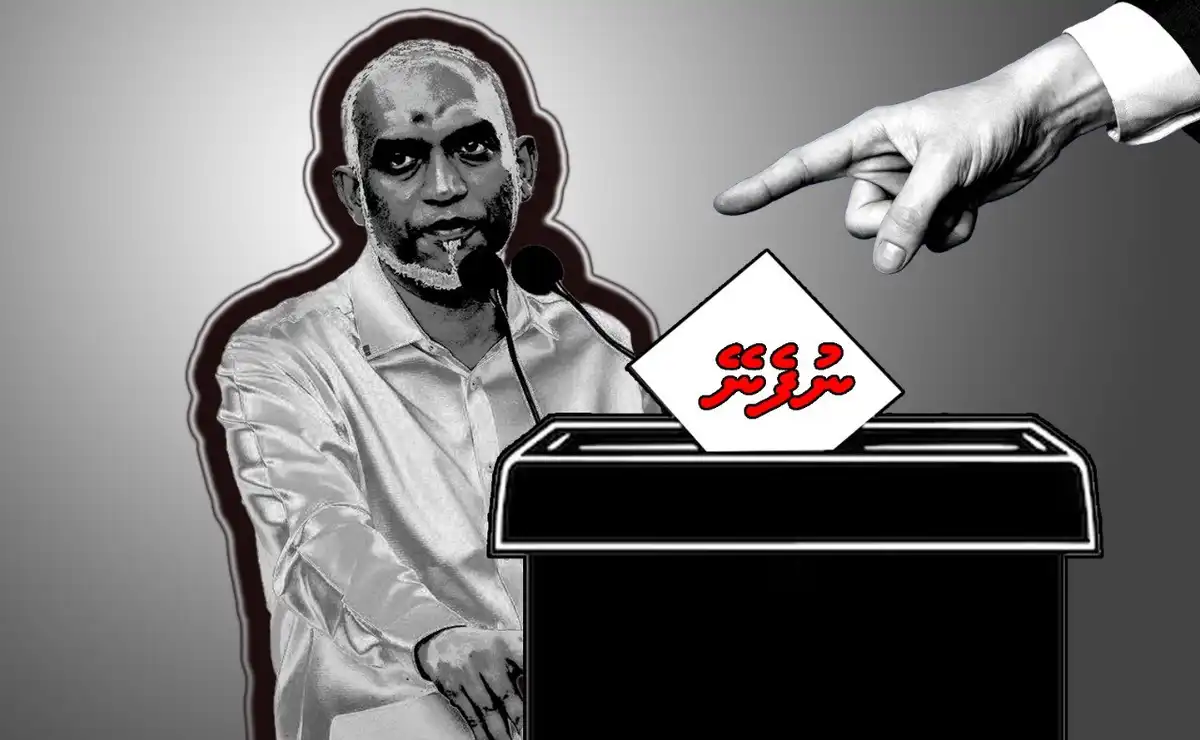
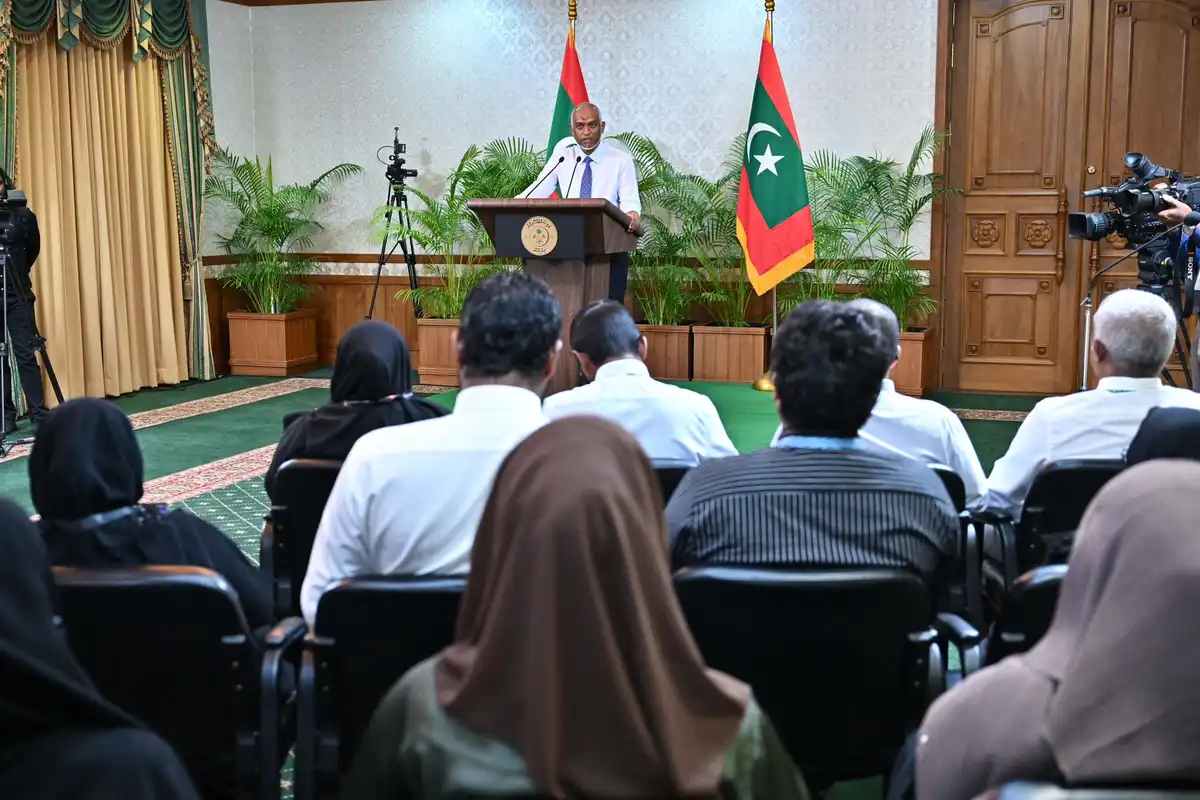
President Dr. Mohamed Muizzu. | Raajje MV
A growing number of citizens are alleging that President Dr. Mohamed Muizzu rose to power primarily by peddling lies, deceit, and manipulation. The public has not forgotten the "India Out" campaign—described by critics as a smear tactic fueled by a thirst for power—nor the symbolism of the "empty chair" used during his transition. Since his first day in office, the President has faced accusations of consistently misleading the public by shifting his narrative and providing contradictory accounts on key national issues.
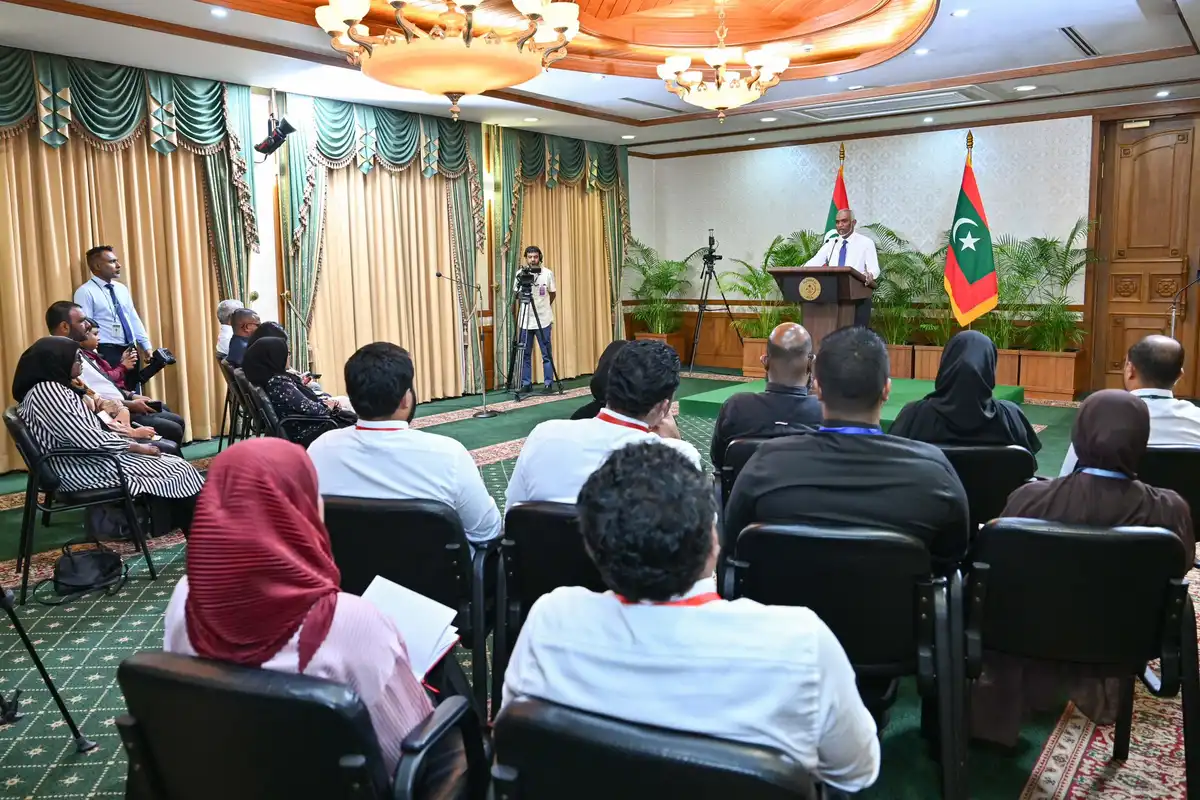
During a press conference held on December 5, 2023, shortly after assuming office, President Muizzu stated that his administration would be so transparent that citizens would not need to resort to filing Right to Information (RTI) requests to obtain government data. At the time, some citizens chose to believe this bold assurance, delivered by the President with unwavering confidence. However, the reality has proven different, as numerous RTI requests seeking information from various government bodies, including the President's Office, remain in limbo. The only certainty at present is the growing public frustration as government agencies consistently fail to disclose information, leading to a daily increase in formal complaints.
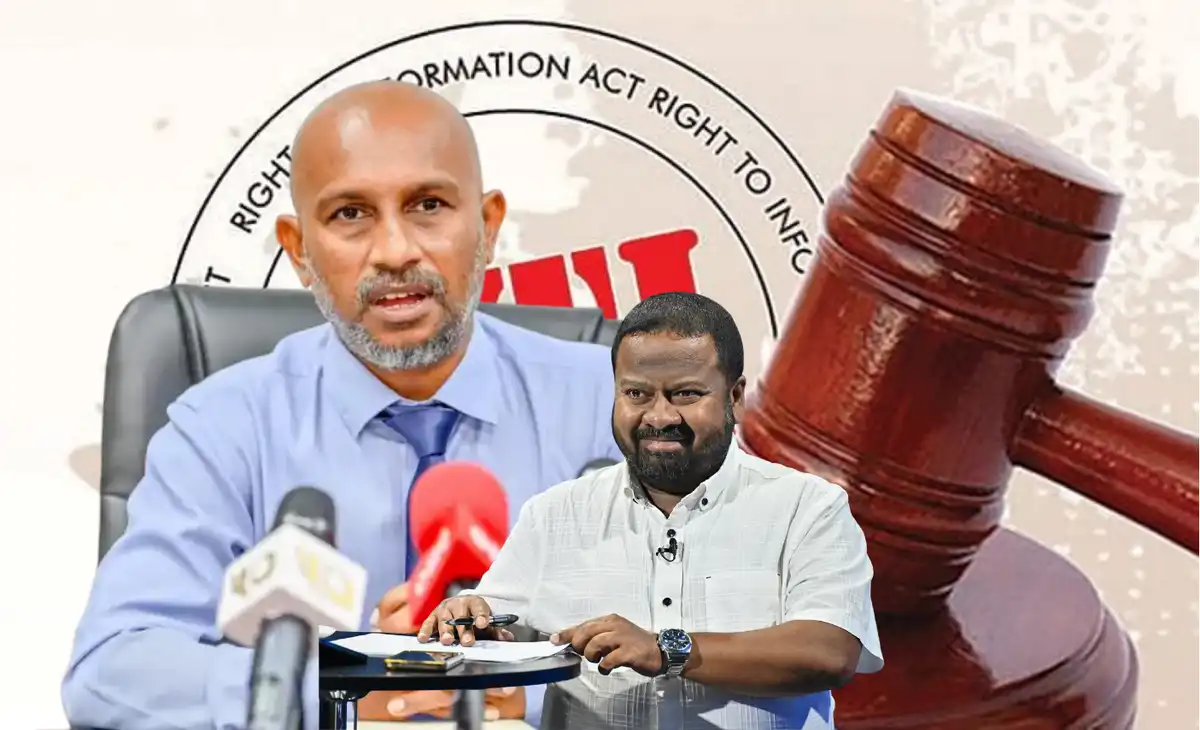
What has unfolded is a situation where certain state entities have refused to disclose information, even taking the matter to the courts. Home Minister Ali Ihsan stated that responding to requests under the Right to Information (RTI) Act currently incurs significant costs, suggesting that it would be appropriate to introduce a fee for such services. Even when the President's Office refused to provide information in violation of the law, Attorney General Ahmed Usham directed his criticism toward those seeking information within the legal framework. Similarly, Government Spokesperson Mohamed Hussain Shareef (Mundu) also expressed disapproval regarding the submission of requests for information concerning government affairs.
Despite this, President Muizzu has explicitly stated that Maldivian citizens should not have to file Right to Information (RTI) requests with any state institution due to a lack of available information. However, opposition figures continue to assert that the Muizzu administration is the most secretive in Maldivian history, accusing the government of systematically withholding and misrepresenting facts to the public.
Under the Right to Information Act, state institutions are not only required to provide information upon request. The law mandates that specific categories of information must be proactively disclosed to the public. However, to date, not a single ministry within President Muizzu’s administration has met even the minimum legal standards for proactive disclosure. Statistics further reveal that the government has failed to respond to 76 percent of information requests submitted thus far.
As President Muizzu’s administration approaches its third year, the government continues to employ various excuses to evade Right to Information (RTI) requests. However, after months of defending the administration against mounting concerns over its failure to provide information, President Dr. Mohamed Muizzu has finally conceded that RTI requests are not being answered. The President has now announced a complete shift in the narrative he previously maintained.
Speaking at a press conference on Monday, the President acknowledged that there are pending Right to Information (RTI) requests that remain unanswered. He stated that efforts are underway to expedite the process. However, the public contends that despite coming to power on a pledge of total transparency, the administration is now halfway through its term and appears preoccupied with concealing information. Many have expressed confusion over President Muizzu’s current stance on RTI, noting that it contradicts his previous commitments.