Attempts made to search journalists' phones at Muizzu's press conference
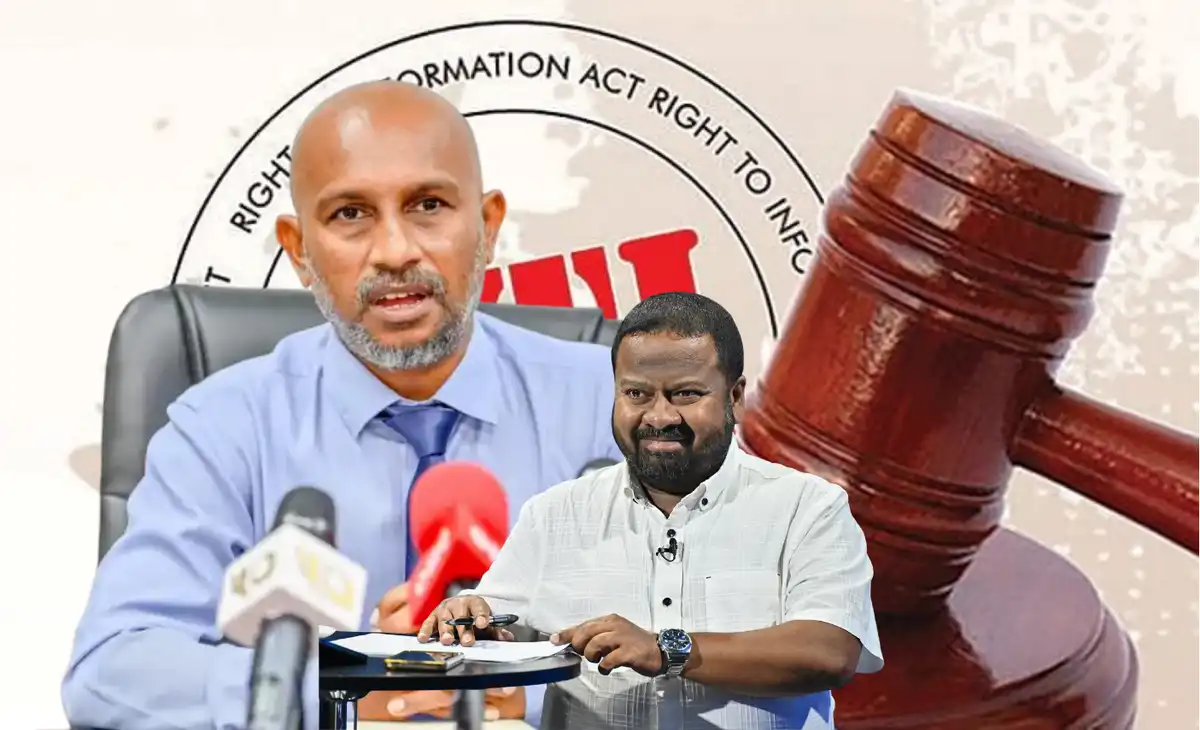
12 މެއި 2026 | އަންގާރަ 09:00Journalists are facing significant obstacles following the implementation of a restrictive policy at the President's Office that bans the use of mobile phones and video recording during press conferences. Critics argue that these measures—reminiscent of authoritarian practices seen in other countries—severely curtail press freedom and hinder the ability of the media to effectively disseminate information regarding government policies.

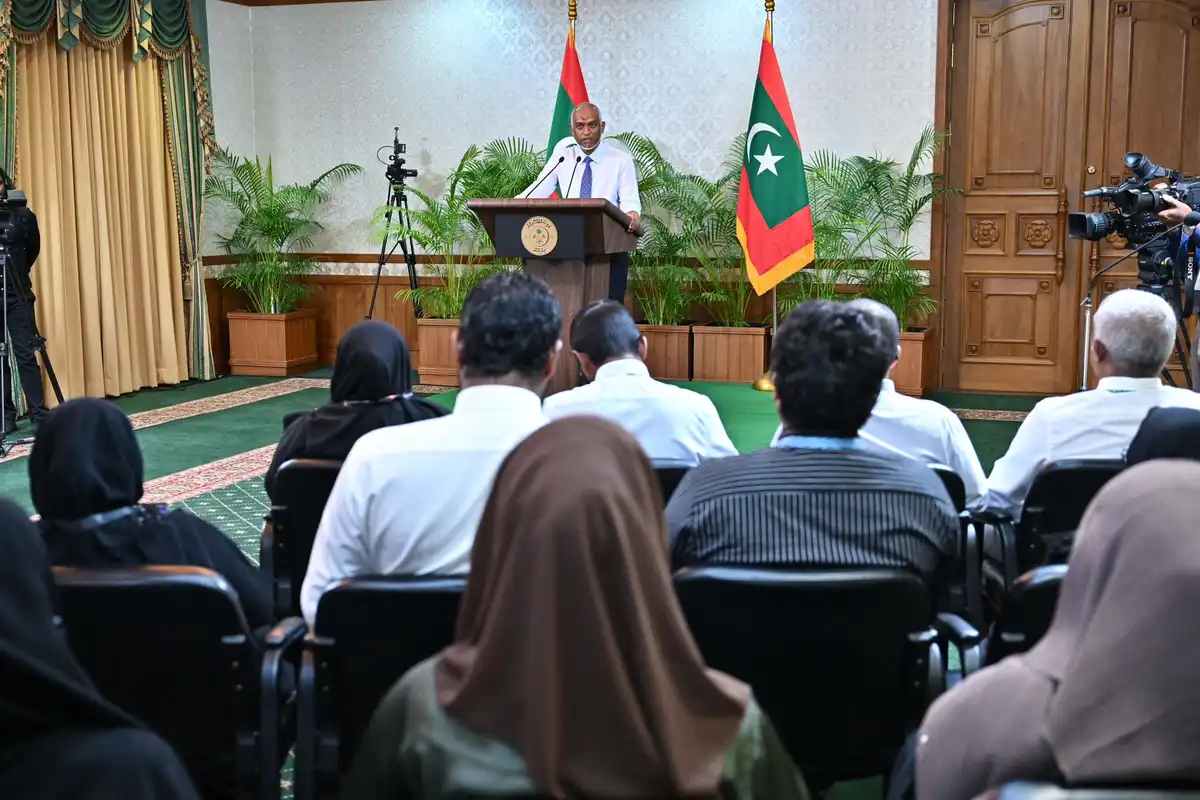
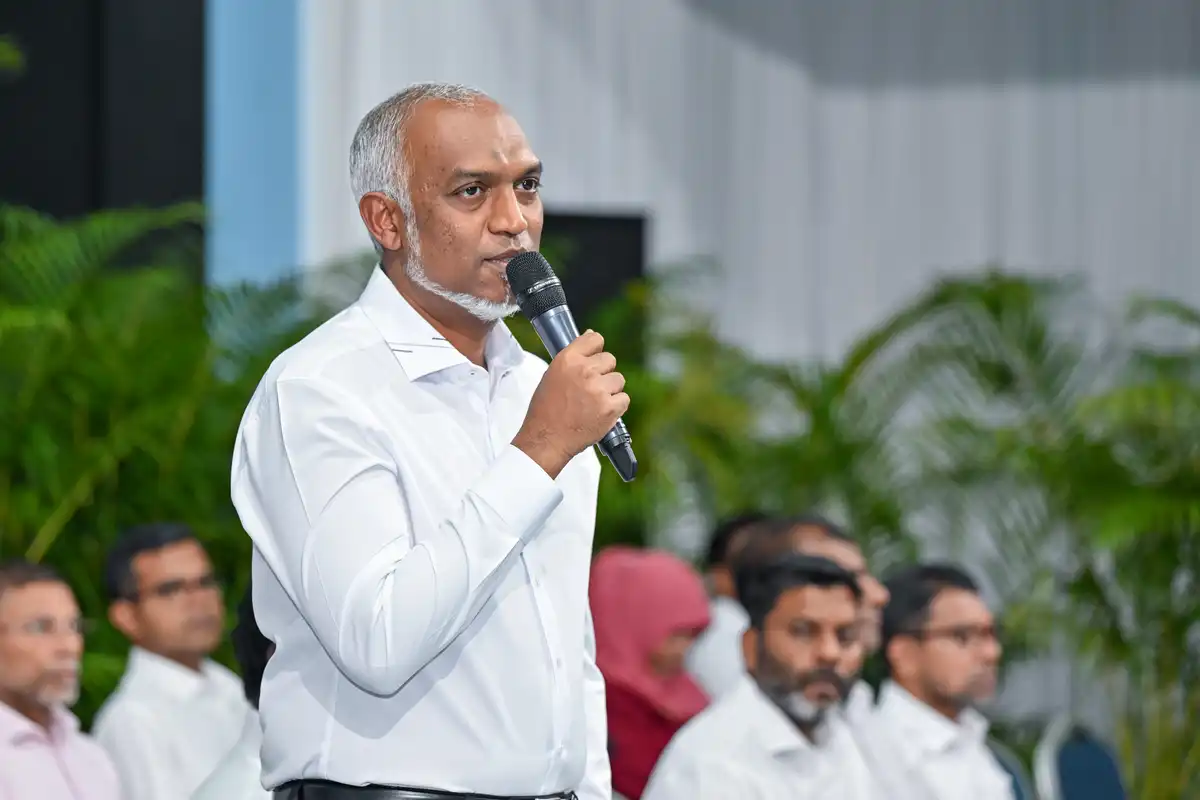
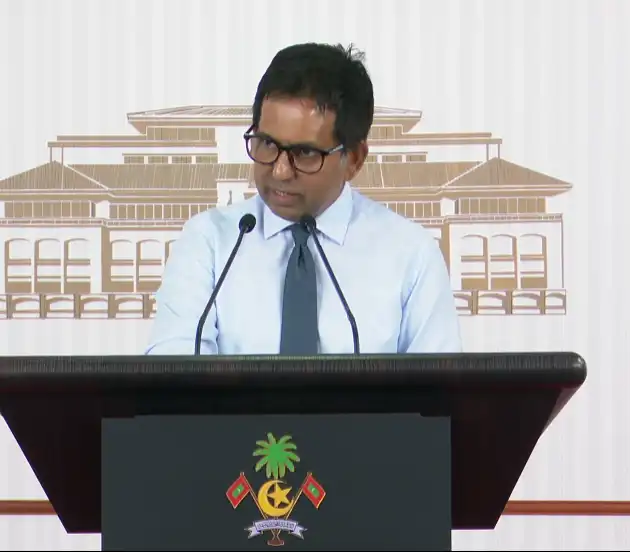
From the press conference held at the President's Office on Monday. | Presidents office
Following a press conference held by President Dr. Mohamed Muizzu at the President's Office today, MNDF security personnel stationed at the premises attempted to search the mobile phones of attending journalists.
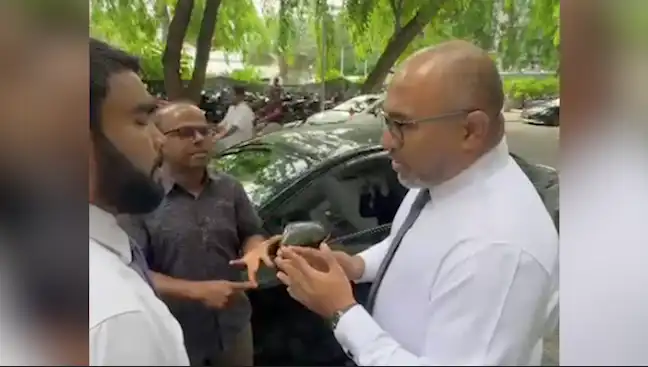
On Monday, security personnel at the President's Office attempted to search the phone of Raajje TV journalist Shaihan Zareer. The attempt to inspect his device followed allegations that he had recorded footage of security officials trying to remove Adhadhu journalist Shahuzan during a press conference held earlier that day. This is reportedly the first time such an incident has occurred.
Previously, journalists were even prohibited from bringing mobile phones into press conferences at the President's Office. However, that restriction was later lifted. Since the current administration took office, stringent regulations have been implemented for press conferences held at the President's Office.
In this regard, President's Office Spokesperson Mohamed Hussain Shareef (Mundhu) stated that specific regulations govern press conferences, outlining the established protocols and permissible conduct for such briefings.
The President's Office issued a new set of guidelines on March 31 governing attendance and media coverage of its press conferences. These stringent regulations appear designed to restrict the public dissemination of incidental details or occurrences that may take place during these press briefings.
The policy states that mobile phones may not be used for photography, video recording, or audio recording during press conferences. Furthermore, the regulations specify that mobile phones may only be used for the purpose of taking notes.
Journalists have noted that the President's Office is creating obstacles to their work through the enforcement of these regulations. Some observers view these measures as a significant barrier to the freedom of the press and the free flow of information.
Press conferences held by the President's Office serve as a vital platform for journalists to disseminate information regarding government policies and decisions to the public. Any obstacles encountered during these briefings are viewed as a direct hindrance to the professional work of journalists.
While such practices are not observed in major democratic nations, authoritarian leaders seeking to maintain their grip on power have begun implementing similar restrictions. In this regard, journalists have been notified that since late April 2024, they are prohibited from bringing smartphones into press conferences held at the President's Office. Although the ban was temporarily lifted following protests by the press, officials have now announced that the use of mobile phones will be strictly prohibited in all future press briefings.
Reports from late April 2026 indicate that President Javier Milei’s administration has revoked the accreditation of numerous journalists, effectively barring them from entering the "Casa Rosada" presidential palace.
Since November 2025, the Donald Trump administration has imposed new restrictions on journalists, including a ban on entering the "Upper Press" area of the White House without a prior appointment. The measure was reportedly implemented following allegations that journalists had been conducting unauthorized video and audio recordings in the area.
Furthermore, countries such as Eritrea and North Korea are among those where press freedom is most severely restricted. In these nations, journalists are prohibited from independently recording any information.