EC orders MDP and PNF to cease discussions regarding "Aisha" documentary
11 މެއި 2026 | ހޯމަ 08:22The Elections Commission has instructed the Maldivian Democratic Party (MDP) and the People’s National Front (PNF) to comply with a Criminal Court order prohibiting any discussion regarding the documentary titled "Aisha." The court order mandates that the video must not be circulated until the conclusion of legal proceedings and strictly forbids any direct or indirect references to the victim. Emphasizing the importance of upholding community moral standards, the Commission reminded the parties that any violation of this order would be considered contempt of court.

From a protest held by the MDP. | Raajje MV
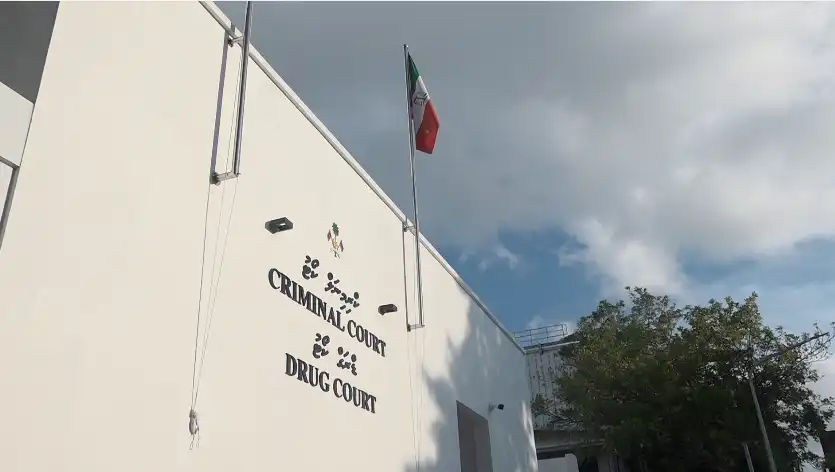
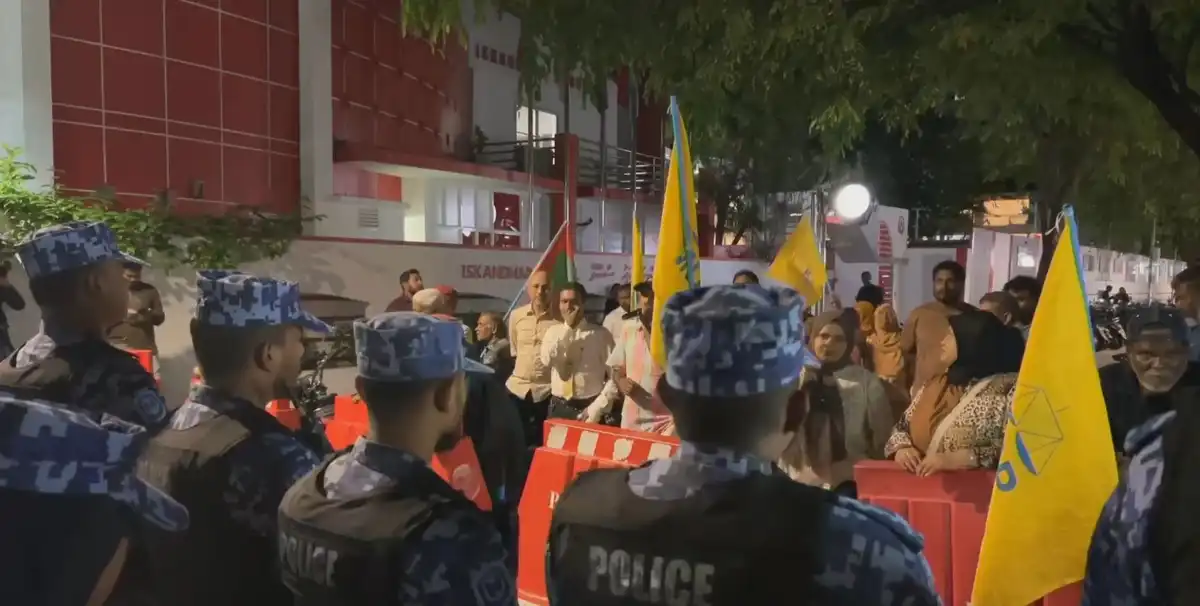
The Elections Commission has instructed the Maldivian Democratic Party (MDP) and the People’s National Front (PNF) to refrain from discussing the "Aisha" documentary, in compliance with a Criminal Court order.
Following the order issued by the Criminal Court on Sunday regarding the documentary "Aisha," the Elections Commission sent letters to two political parties instructing them to refrain from circulating the video documentary related to the incident currently under litigation. The Commission further directed the parties to abstain from discussing any content featured in the documentary, whether directly or indirectly. Additionally, the order prohibits any discourse concerning the parties involved in the case or the victim in connection with the documentary.
The Elections Commission stated in its letter that since the Criminal Court order specifies that any such violation may be considered contempt of court, both the MDP and PNF are instructed to remain mindful of this and ensure their political activities are conducted within the boundaries of the court order.
The Criminal Court has issued a nationwide injunction ordering that the video documentary related to the "Aisha" case not be circulated within the community until the court reaches a final verdict. The order further prohibits any direct or indirect discussion regarding the contents of the documentary, as well as any public discourse concerning the parties involved or the victim in connection to the documentary submitted as evidence.
Furthermore, as these cases are of a nature that may be conducted in closed proceedings to uphold public morality—as stipulated under Article 42(c)(1) of the Constitution—the court order prohibits the dissemination of any documents or information related to the trial. The order further warns that any such disclosure shall be deemed an act of contempt of court.